The Ultimate Guide to Leather Types: Understanding Quality, Tanning, and Craft
That "Genuine Leather" stamp on your store-bought belt isn't a badge of honor; it's actually one of the lowest quality grades you can find. It sounds like a guarantee, but in the world of professional craft, it's often a marketing mask for leather scraps or thin splits. I know how frustrating it is to spend days on a project only to realize the hide you bought doesn't have the "soul" or durability you expected. It's confusing when you're staring at dozens of leather types, trying to figure out why one shoulder costs twice as much as another or why some materials feel plastic while others feel alive.
At Hab-To Leather House, we believe every maker deserves access to the truth behind the material. I'm here to clear that fog so you can choose your supplies with the same precision you use for your stitching. You'll master the nuances of leather grades and tanning methods, giving you the confidence to pick the perfect material for your next masterpiece. We'll break down the hierarchy of quality from full-grain to bonded, explain why traditional vegetable tanning is the only ethical choice for a serious maker, and help you build a shopping list tailored to your specific goals.
Key Takeaways
- Learn why traditional vegetable tanning is the superior, eco-certified choice for creating durable goods that develop a unique character over time.
- Master the quality hierarchy to confidently distinguish between premium full-grain hides and misleading marketing terms like "genuine leather."
- Gain the expertise to choose between different leather types based on project-specific needs like temper, thickness, and patina potential.
- Discover how to source world-class Italian leathers, such as Pueblo and Shell Cordovan, in small panels with no minimum order requirements.
Decoding the Tanning Process: Vegetable-Tanned vs. Chrome-Tanned
Tanning is the defining moment where a raw hide transforms into a material that can last for generations. While industrial production focuses on speed, true craftsmanship relies on patience. At Hab-To Leather House, we believe the tanning method determines the soul of your project. If you want to understand the foundational leather types and grades, you have to start with how the hide is preserved. The method used dictates how the material feels, how it smells, and how it will look ten years from now.
To better understand how these different processes affect the final product, watch this expert breakdown:
The Science of Plant-Based Tannins
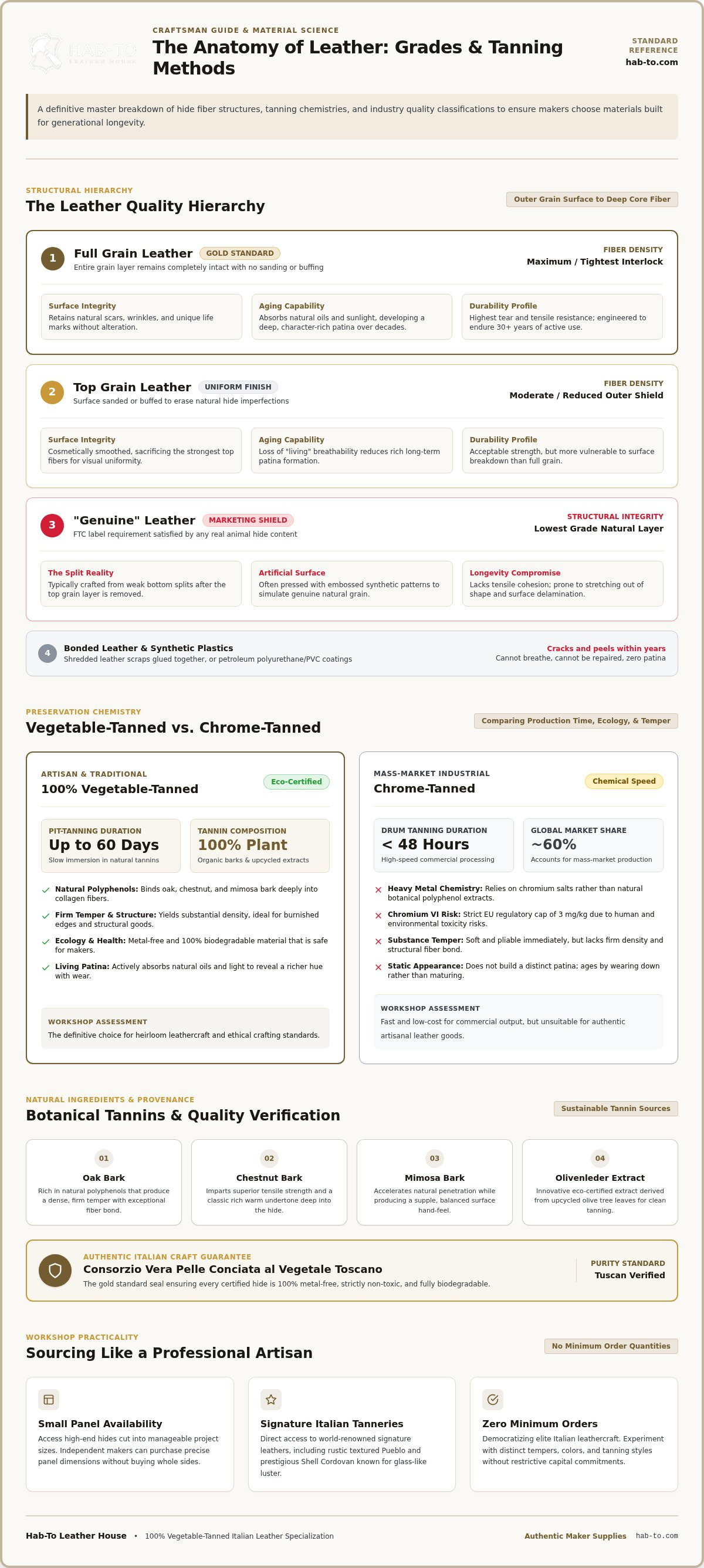
Vegetable tanning is an ancient art that uses organic matter instead of harsh chemicals. We source hides that rely on tannins found in oak, chestnut, and mimosa bark. These natural polyphenols bind to the collagen fibers in the hide over a long period. Traditional pit-tanning can take up to 60 days. In contrast, modern drum tanning used for mass-market leather types is finished in less than 48 hours. This slow process isn't just about tradition; it preserves the natural fiber structure. This results in a material with superior strength and a firm temper. It's why our Italian leather collection feels so substantial compared to factory-made goods.
Why We Say No to Chrome and Synthetics
Chrome tanning accounts for about 60% of global production, but it comes with significant environmental baggage. The process relies on heavy metals. If these aren't managed perfectly, they can lead to the formation of Chromium VI. This substance is strictly capped in the EU at 3 mg/kg because it's toxic to both humans and the planet. We don't think those risks belong in your workshop. Synthetic leathers are even less appealing. They're essentially plastic coatings that crack and peel within a few years. They don't breathe, they don't repair well, and they certainly don't develop a character.
The Hab-To Leather House mission is built on authenticity. We only stock 100% vegetable-tanned leather because it's the only choice that respects the maker. This commitment includes innovative, eco-certified options like Olivenleder, which uses upcycled olive leaf extract. When you work with these materials, you're looking for the "patina." This is the way the leather absorbs oils and sunlight to tell a story over time. To ensure this quality, we look for the seal of the Consorzio Vera Pelle Conciata al Vegetale Toscano. It's the gold standard for authentic Italian craft, guaranteeing every hide is metal-free and biodegradable.
The Leather Quality Hierarchy: From Full Grain to Genuine
When you walk into a shop and see a tag boasting "Genuine Leather," you might think you've found a mark of quality. You haven't. In the professional craft world, that term is a clever marketing shield used to hide the truth about lower-grade materials. Understanding the hierarchy of leather types is the first step toward creating something that doesn't just look good on the workbench, but lasts for thirty years. The strength of any hide lies in its fiber density, and where you "cut" into that hierarchy determines the lifespan of your work.
The hide is a complex structure. The closer you stay to the outside environment, the tighter and stronger the fibers are. Full grain is the undisputed gold standard. It includes the entire grain layer without any sanding, buffing, or "correction." This means every scar from a bramble or wrinkle from the animal's life is visible. It's authentic. Top grain is the next step down; it's sanded to remove these natural marks, which also happens to remove the toughest fibers. While it's more uniform, it loses the "living" quality that defines high-end craft.
Then there's the "Genuine" trap. According to FTC leather labeling standards, this term simply means the product contains real animal hide. It doesn't specify which part. Often, it's the "split," the fuzzy, weak layer left over after the top grain is removed, which is then embossed with a fake grain and coated in polyurethane. It lacks the structural integrity of bovine cowhide. Cowhide remains the versatile workhorse of our industry because it offers the perfect balance of surface area, strength, and ease of use for everything from wallets to saddles.
Full Grain: The Crafter's Choice
If you want your project to develop a deep, rich patina, you must use full grain. It's the only grade that truly "breathes" and absorbs the oils from your hands. You can spot it by looking for tiny, irregular pores on the surface. If the surface looks too perfect, like a sheet of printed paper, it's likely been corrected. I always suggest browsing the collection of premium hides at Hab-To Leather House because we only source the top tier of what the Tuscan tanneries produce. We don't hide the natural character of the animal; we celebrate it.
Understanding Leather Weights and Thickness
Choosing the right thickness is just as vital as the grade. In Amsterdam, we talk in millimeters, while you'll often see "ounces" in American guides. It's a simple conversion: one ounce is roughly 0.4mm. For a slim cardholder, you'll want something around 1.0mm to 1.2mm. For a heavy-duty belt that won't stretch or warp over time, look for 3.5mm to 4.0mm. If you're feeling overwhelmed by these measurements, our Understanding Leather Weights masterclass breaks down exactly how to measure and select for your specific project needs.
If you're ready to experiment with different grades without committing to a full hide, you might find our curated leather bundles to be the perfect starting point for your next project.
Signature Vegetable-Tanned Varieties You Need to Know
Beyond the basic grades, the world of fine craft is defined by specific "articles" from world-renowned tanneries. These aren't just generic leather types; they are unique recipes perfected over generations. To understand why a specific hide behaves the way it does, it helps to look at the chemistry of vegetable and chrome tanning processes. While industrial tanning aims for a static look, these signature Italian varieties are designed to change, grow, and improve with every touch. They are the materials that turn a simple object into a legacy piece.
The Magic of Pueblo Leather
Pueblo, produced by the Badalassi Carlo tannery in Tuscany, is one of the most recognizable materials in modern leathercraft. It starts with a unique "rustic" appearance. The surface is lightly scuffed with a specialized tool, giving it a matte, almost suede-like feel. Don't let that initial texture fool you. As you handle Badalassi Pueblo Leather, the scuffed fibers flatten out. The oils from your skin and the waxes within the hide rise to the surface, creating a deep, lustrous sheen that is entirely unique to the owner. It's the perfect choice for wallets, notebook covers, and small accessories that get daily use and benefit from a rapid patina.
Shell Cordovan: The Ultimate Luxury
If you're looking for the "King of Leathers," you've found it. Shell Cordovan isn't actually skin; it's a dense muscle layer, or "shell," found in the hindquarters of a horse. This density makes it incredibly durable and naturally water-resistant. Unlike other leather types, it doesn't crease; it ripples. We source our shells from Maryam Cordovan Shell Leather, where the tanning process takes at least six months. This labor-intensive method involves slow pit-tanning and hand-stuffing with oils. It's a material that demands respect and precision from the maker, but the results are unmatched in terms of longevity and depth of color.
Vacchetta and Sustainable Innovation
Vacchetta is the soul of traditional Italian leathercraft. It's a high-oil content leather that has been the backbone of luxury fashion houses for decades. It's supple, smells incredible, and ages into a classic golden brown. For those looking toward the future, we also offer Olivenleder. This innovative material uses tannins extracted from upcycled olive tree leaves. It provides the same durability and rich feel as traditional veg-tan but with an even smaller environmental footprint. Whether you choose a heritage classic or a modern innovator, you're working with a material that respects both the craft and the planet.
How to Choose the Right Leather Type for Your Project
Selection is about more than just the name of the hide. You have to consider the "temper," which is the level of stiffness or flexibility. A firm temper is non-negotiable for items that need to maintain a silhouette, like a structured briefcase or a heavy belt. Conversely, a soft temper allows for the beautiful drape required in slouchy totes or drawstring pouches. I always suggest the "handbag test" at Hab-To Leather House. Roll the leather into a cylinder; if it springs back instantly, it’s firm. If it stays collapsed, it’s soft. Choosing the wrong temper for your leather types will compromise the functionality and look of your final design.
Surface aesthetics also dictate how your project handles daily wear. Smooth leathers like Buttero are stunning but show every scratch, making them ideal for refined, dressy accessories. Textured leathers, such as a pebbled Floater or the scuffed surface of Pueblo, are much more forgiving. They hide the inevitable scuffs of daily life, making them perfect for high-traffic items like everyday wallets. Consider how the finish will interact with your lifestyle before you make the first cut.
What You Will Need: The Finisher's Toolkit
Matching your leather is only half the battle. To achieve a professional result, you need the right tools to treat the edges and surfaces of these premium vegetable-tanned hides.
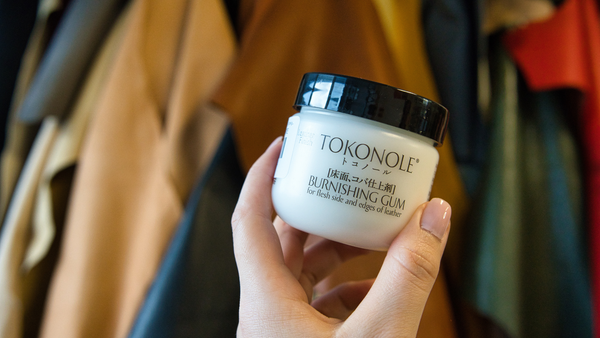
- Burnishing Agent: I swear by Tokonole for a glass-like edge finish. It’s the industry standard for a reason.
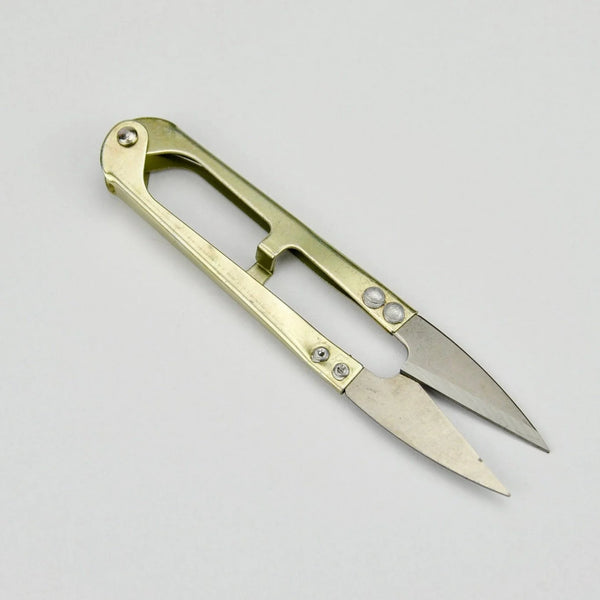
- Specialized Tools: You will need sharp edge bevelers to round off the corners before you begin burnishing.
- Curated Packages: If you are just starting, our Starter Bundles or specific Tokonole Bundles provide the exact items I use in my own workshop.
Lining and Reinforcement
A professional maker knows that what’s inside counts. Choosing a thin lining leather like goat skin adds structural integrity and a luxurious feel to the interior of a bag. For areas prone to stretching, such as handle attachments or belt holes, I always integrate Texon reinforcement. It provides the necessary strength without adding bulk to your seams. For more project-specific advice, you can explore our curated collection of leather for bags.
Sourcing Like a Professional: The Hab-To Difference
Sourcing the right materials is where many great projects stall before the first cut. Most professional wholesalers only deal in full hides, forcing you to invest hundreds of euros just to try a new color or texture. I believe that premium quality should be accessible to every maker, whether you're a seasoned professional or just starting your journey. That's why we led the "No MOQ" revolution. You don't have to buy a whole side of bovine hide to get your hands on the world's best leather types. By offering small panels and shoulders, we eliminate the financial barrier to entry and the waste of unused material.
Being based in Amsterdam gives us a unique advantage. We source directly from the finest tanneries in Italy and Germany, ensuring that every hide meets strict EU environmental and labor standards. You won't deal with the headaches of international customs or the uncertainty of "genuine" labels from unknown sources. Instead, you get the peace of mind that comes with 160 years of family heritage. My family has been in this business since 1857, and I've spent over 25 years personally selecting hides. I've seen how the wrong choice can lead to costly mistakes, and I'm here to make sure that doesn't happen to you.
Small Panels, Big Possibilities
We take the risk out of experimentation by cutting high-end hides into manageable panels. This allows you to test the temper and patina of different leather types without a massive commitment. Our Leather Bundles are specifically designed for this purpose. They offer a curated selection of textures and colors, letting you "start small and grow fast." It’s the most efficient way to build your skills while working with the same materials used by top-tier luxury brands.
Connect with the Craft
Leather is a tactile material. While we provide high-resolution photos, nothing beats the value of expert advice. If you can't visit our showroom at Keienbergweg 97 in Amsterdam, you can book a free 1-on-1 video consultation with me. We can look at your patterns together and find the exact hide that matches your vision. Understanding the Hab-To Heritage means knowing that we aren't just selling a product; we're supporting a tradition. Visit us, feel the difference, and let's build something beautiful together.
Elevate Your Craft with the Right Foundation
Mastering the nuances of leather types is the difference between a project that merely looks the part and one that ages into a masterpiece. You now know that true quality begins with the tight fiber structure of full-grain hides and the traditional, plant-based chemistry of vegetable tanning. By choosing specific articles like Pueblo or Shell Cordovan, you aren't just buying material; you're investing in a legacy of Italian craftsmanship that we've supported since 1857.
At Hab-To, we've removed the barriers that often hold makers back. You don't need to commit to massive hides or navigate complex customs. With 160 years of family expertise and our commitment to no minimum order quantities, you can source exactly what you need. We ship worldwide from our Amsterdam warehouse to ensure your workshop never runs dry of inspiration.
Your tools are ready and your patterns are waiting. It's time to stop settling for "genuine" marketing and start working with the character and durability your talent deserves. I can't wait to see what you create.
Frequently Asked Questions
What is the best leather type for a beginner to start with?
I always recommend starting with a firm, stable material like Pueblo or Buttero. These specific leather types provide excellent feedback when you are learning to cut and stitch, as they don't stretch or warp easily under the knife. Because Hab-To Leather House offers these in small panels with no minimum order requirements, you can practice on world-class Italian hides without the financial pressure of buying a full cowhide.
Is vegetable-tanned leather waterproof?
Vegetable-tanned leather is naturally water-resistant due to its dense fiber structure, but it is not fully waterproof. Because it is an organic, porous material, it will absorb water if it becomes saturated. If your project gets wet, it is best to let it dry naturally away from heat. You can enhance its resistance by applying a quality conditioner or wax, which helps seal the surface while maintaining the hide's breathability.
What does 'Full Grain' actually mean?
Full grain means the hide has not been sanded, buffed, or corrected to remove natural marks or imperfections. It represents the strongest part of the animal skin, located just below the hair. By keeping the grain intact, the leather retains its maximum durability and fiber density. This is the only grade that will develop a genuine, rich patina over years of use, as the pores remain open and authentic.
How do I know what thickness of leather to buy?
Your project’s purpose dictates the thickness you need. For slim wallets or cardholders, I suggest 1.0mm to 1.2mm to keep the profile sleek. If you are crafting a heavy-duty belt or a dog leash, you should look for 3.5mm to 4.0mm for maximum strength. If you are stuck between weights, feel free to book a free video consultation with me at Hab-To Leather House, and we can look at your patterns together.
Why is Italian leather considered the best in the world?
The reputation of Italian leather is built on centuries of tradition, particularly within the Tuscan tanning region. Tanneries here use time-honored vegetable tanning recipes that rely on natural extracts rather than industrial chemicals. This results in a material with a unique smell, a superior feel, and unmatched longevity. We exclusively source from tanneries certified by the Tuscan Vegetable Tanned Leather Consortium to guarantee this level of authentic craftsmanship for our customers.
Can I buy just a small piece of Shell Cordovan?
Yes, at Hab-To Leather House, we make luxury materials accessible by offering Shell Cordovan in various sizes. Traditionally, this "King of Leathers" is only sold in full shells, which can be expensive for a small project. By providing smaller cuts of Maryam Shell Cordovan, we allow you to use this incredibly dense, ripple-fading material for watch straps or small accessories without a massive upfront investment or any minimum order quantity.
What is the difference between Pueblo and Buttero leather?
The main difference is the surface texture and initial aesthetic. Pueblo, from the Badalassi Carlo tannery, has a unique scuffed, matte finish that smoothens and darkens dramatically into a high-gloss patina with use. Buttero is a classic smooth leather with a more polished, traditional appearance from day one. Both are excellent leather types for small goods, so your choice really comes down to whether you prefer a rustic or a refined starting point.
Disclaimer
All our blog articles are made for information purposes only we dont take responsability for any content from third parties.