

DIY Leather Watch Strap Kit: The Artisan’s Guide to Professional Results
What if the secret to a luxury watch strap isn't a high-end machine, but a few hours of focused hand-stitching and the right piece of leather? Many enthusiasts get lost in a sea of cheap tool sets and low-quality chrome-tanned scraps that never age well. You want a strap that tells a story, not one that cracks within a year. Building your own DIY leather watch strap kit shouldn't feel like a technical nightmare or a guessing game with materials.
I understand the hesitation. It's easy to feel overwhelmed by the sheer number of tool options or the fear of ruining a beautiful piece of hide. We agree that quality matters more than quantity. No compromises. This guide promises to help you assemble a professional-grade kit using premium vegetable-tanned leather and the exact tools you need for a refined finish. We'll explore how to choose the right materials, list the essential supplies, and give you the confidence to start your first artisan project today.
Key Takeaways
- Distinguish between generic mass-market sets and a professional DIY leather watch strap kit curated with artisan-grade components for a lasting finish.
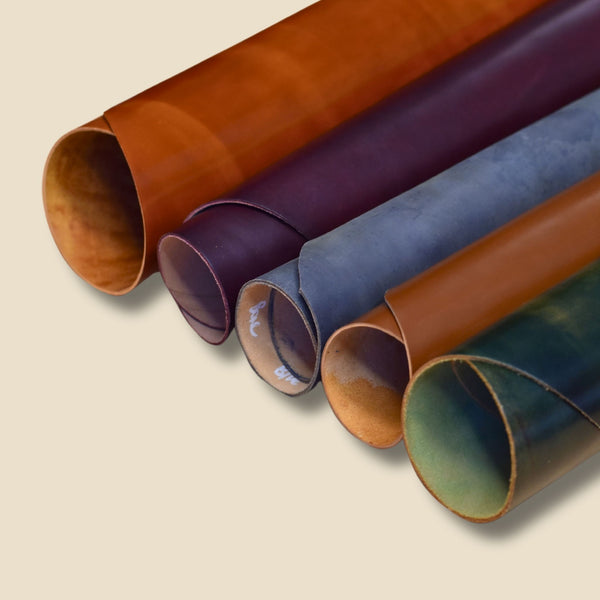
- Learn why choosing high-quality vegetable-tanned leather, like textured Pueblo, is the most critical step for achieving a beautiful, natural patina.
- Identify the essential professional tools, including sharp Japanese-style knives and pricking irons, that ensure your hand-stitched seams look sharp and angled.
- Follow a comprehensive materials checklist to ensure you have the right hardware and thickness of leather for a strap that balances comfort with durability.
- Benefit from 160 years of family heritage and expert mentorship to avoid common beginner mistakes like using low-quality chrome-tanned materials.
What is a DIY Leather Watch Strap Kit?
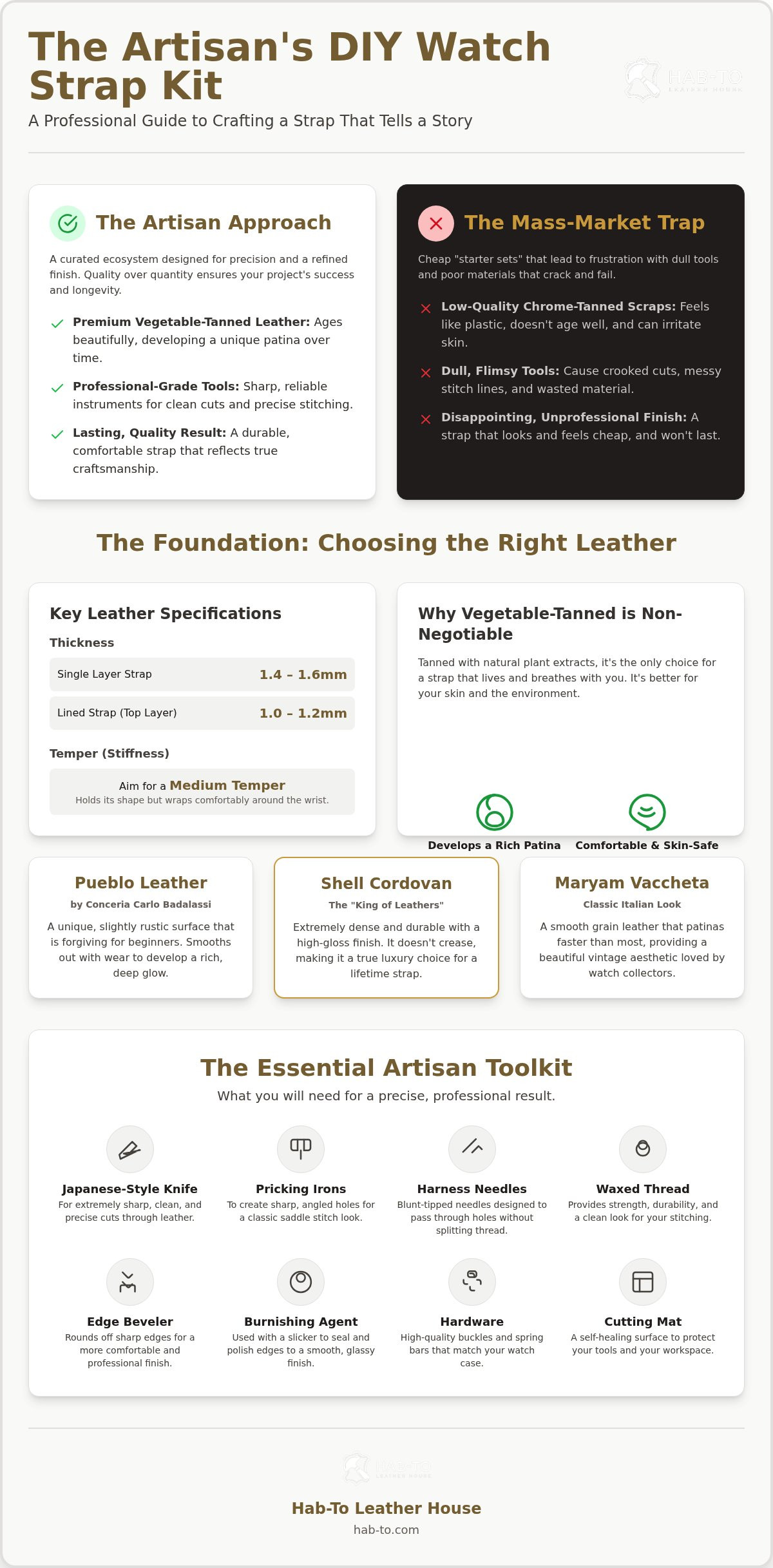
A true DIY leather watch strap kit is far more than a random box of tools and scraps. It's a curated ecosystem designed for precision. Many beginners fall into the trap of buying mass-produced "starter sets" from giant marketplaces. These sets usually arrive with dull knives, flimsy needles, and low-quality chrome-tanned leather that feels like plastic. An artisan-grade kit focuses on quality over quantity. It provides the exact tools needed for small-scale work where every millimeter counts. Starting with professional materials isn't about being fancy; it's about avoiding the frustration of tools that don't cut and leather that doesn't age.
Watch straps are the perfect entry point into the world of leatherwork. They don't require much space or massive hides. Instead, they demand focus and a steady hand. By practicing fundamental leather crafting techniques on a watch strap, you learn how to manage edge finishing, precise stitching, and hardware installation. If you can make a clean, professional-looking strap, you can eventually make anything. We believe in providing the same high-end components to hobbyists that professional ateliers use every day.
Why Vegetable-Tanned Leather Matters
I've spent over 25 years working with this material, and I'll tell you straight: vegetable-tanned leather is the only choice for a quality strap. This leather is tanned using natural plant extracts rather than harsh chromium salts. It's better for the environment and safer for your skin. Most importantly, it's alive. While synthetic materials or chrome-tanned leathers stay the same until they eventually crack, vegetable-tanned hides develop a rich patina. Every day you wear it, the leather absorbs oils and sunlight, deepening in color and character. We strictly avoid chrome and synthetic alternatives because they lack this organic soul. You can explore our full range of vegetable-tanned leather to see the difference for yourself.
The 'No MOQ' Advantage for Beginners
One of the biggest hurdles for new crafters is sourcing. Traditionally, you'd have to buy a full hide from a tannery, which is expensive and leads to massive waste for a small project. We solved this by offering a No Minimum Order Quantity (MOQ) policy. You can buy small panels of premium Italian leather, like Badalassi Pueblo, sized specifically for small goods. This gives you access to world-renowned tanneries without the heavy price tag or the leftover clutter. It's the most sustainable way to build your first project while keeping your costs manageable.
Choosing the Best Leather for Your Watch Strap
Selecting the right hide is the most critical decision for your DIY leather watch strap kit. You're looking for a balance between thickness and temper. If the leather is too stiff, it won't wrap comfortably around your wrist; if it's too thin, it will stretch and lose its shape. Generally, a thickness of 1.4mm to 1.6mm works best for a single-layer strap. If you plan on using a lining, aim for a top layer of 1.0mm to 1.2mm to keep the final product from becoming too bulky.
Temper refers to the stiffness of the leather. For a watch strap, you want a medium temper. It should hold its shape when held up but bend easily when wrapped around the arm. While many mass-market kits use cheap chrome-tanned leather that feels like cardboard, we only use vegetable-tanned materials. These natural hides are breathable and age with a character that synthetic alternatives simply can't match.
Pueblo Leather by Conceria Carlo Badalassi
Pueblo is a fan favorite for a reason. It has a unique, slightly roughed-up surface that looks beautifully rustic right out of the box. As you wear it, the surface smooths out and develops a deep, rich glow. For those just starting with making a leather watch strap, Pueblo is incredibly forgiving. It's easy to cut with precision and burnishes beautifully with just a bit of water or Tokonole. You can explore our selection of Badalassi Pueblo Leather to find the perfect color for your timepiece.
Shell Cordovan and Vaccheta from Maryam
If you want the absolute "King of Leathers," look no further than Shell Cordovan. It's made from a specific muscle layer in a horse's hindquarters, resulting in a dense fiber structure that doesn't crease or tear. Maryam Cordovan Shell Leather is world-renowned for its durability and high-gloss finish. For a more traditional Italian look, Maryam Vaccheta offers a classic, smooth grain that patinas faster than almost any other leather. It provides that vintage aesthetic that watch collectors love.
Don't forget the underside. Building a professional DIY leather watch strap kit requires a skin-friendly backing for daily wear. Since this part touches your skin, it needs to be soft and resistant to moisture. Using a lining also allows you to hide the "flesh" side of the top leather, giving the strap a clean, finished appearance. If you're feeling overwhelmed by the choices, starting with one of our curated leather bundles is an excellent way to test different finishes and tempers before deciding on your signature style.
Essential Tools for Precision Watch Strap Making
Precision is the soul of a high-quality watch strap. When you're working with a surface area this small, every fraction of a millimeter is visible. This is why a standard DIY leather watch strap kit needs more than just basic household items. You need tools that respect the material. I've spent decades at the workbench, and I can tell you that a box cutter is your worst enemy here. Its blade is too flexible and dulls too quickly, leading to jagged edges that ruin your project before it even begins.
A sharp Japanese-style knife is the professional's choice. Its single-bevel edge allows for the vertical accuracy needed for straight cuts and the delicate control required for skiving. Skiving is the process of thinning the leather where it folds over the spring bars or the buckle. Without a professional knife, your strap will be too bulky at the lugs, making it look amateurish. Accuracy is what separates a hobbyist from an artisan. You can find the right professional gear in our leatherworking tools collection.
Measuring is just as vital. Don't guess with a ruler. Digital or manual calipers are essential to ensure your strap fits perfectly into 18mm, 20mm, or 22mm lugs. If your strap is even 0.5mm too wide, it won't fit; too narrow, and the spring bar will show. You want a snug fit that feels integrated with the watch head. Investing in the right measuring tools ensures you don't waste premium leather on a strap that doesn't fit your timepiece.
Pricking Irons and Needles
To achieve that signature angled stitch seen on luxury goods, you need pricking irons. For watch straps, I recommend a spacing of 3.0mm or 3.38mm. This tighter spacing scales correctly with the small dimensions of the project. Combine these with high-quality needles that have rounded tips. Sharp needles can pierce your thread and cause fraying, but rounded needles glide through the holes made by your irons, ensuring a clean, durable seam that holds up to daily wear.
Edge Finishing and Burnishing
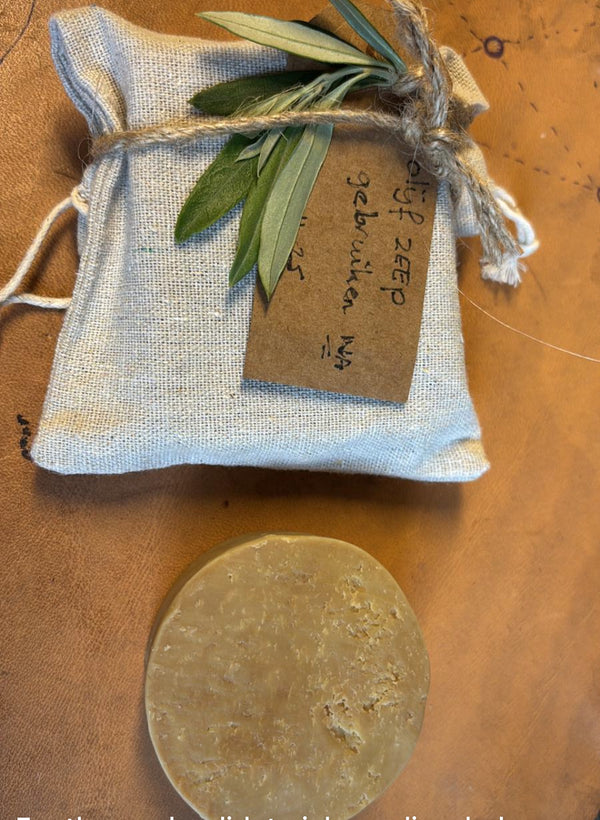
Thin leather edges are notoriously difficult to finish without the right technique. The secret is Tokonole. This water-based burnishing gum penetrates the fibers and seals them, creating a smooth, professional edge that won't peel over time. Apply a tiny amount, then use a wood burnisher or a glass slicker to generate the friction needed to seal the edge. It's the final touch that makes your DIY leather watch strap kit project look like it came from a high-end boutique. Browse our Tokonole collection to find the right supplies for your finish.
What You Will Need: The DIY Watch Strap Checklist
Before you make your first cut, you need a structured plan. A professional DIY leather watch strap kit isn't just a pile of gear; it's a specific set of components that work together. I've seen many beginners fail because they missed one small part, like reinforcement tape or the right adhesive, halfway through the process. This checklist ensures you have everything on your bench to achieve an artisan result without the mid-project panic. Organization is the difference between a frustrating afternoon and a successful build.
Materials and Hardware Checklist
Your materials are the foundation of your work. Since Hab-To Leather House exclusively provides vegetable-tanned leather, your choice of hide will dictate how the strap ages and feels. Here is what you need to get started:
- Vegetable-tanned leather panel: Aim for a thickness between 1.2mm and 1.5mm. This provides enough substance for durability without being too bulky for the lugs.
- Reinforcement tape: Even the best leather can stretch over time. Using Texon Black Reinforcement in stress points, like the lug holes and buckle area, ensures your strap keeps its shape for years.
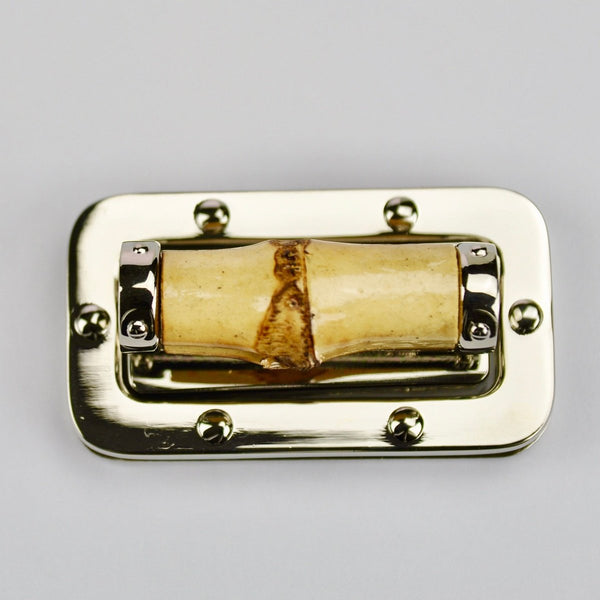
- Premium Hardware: A luxury strap deserves high-quality fittings. Choose solid brass or stainless steel buckles from our Hardware collection to match the quality of your leather.
Tools and Adhesives Checklist
The right tools don't just make the job easier; they make the results better. If you're building your own DIY leather watch strap kit piece by piece, don't skimp on the basics. Quality tools are an investment that will grow with your skills as an artisan.
- Ecostick 1804 Leather Glue: This water-based, eco-friendly adhesive provides a permanent, flexible bond without the toxic fumes of traditional contact cements.
- Japanese skiving knife: Essential for thinning the ends of your strap so they fold neatly over the hardware, found in our leatherworking tools collection.
- Wing divider: Used to mark consistent stitch lines and border creases, available in our tools section.
- Edge beveler: A critical tool from our precision tools range used to round off sharp edges before burnishing.
- Tokonole: Use this from our Tokonole collection to achieve that glassy, professional edge that resists moisture.
- Finishing bundles: For those wanting a complete setup, our curated product bundles for finishing include everything from wood burnishers to edge compounds.
Starting with professional-grade supplies is the best way to ensure your skills develop correctly. When you use tools designed for precision, you spend less time fighting the equipment and more time mastering the craft. This checklist represents the bare essentials for anyone serious about creating a strap that rivals high-end boutique offerings. By following this structured approach, you reduce waste and build a foundation of quality that will serve you throughout your leatherworking journey.
Mastering the Craft with Hab-To Expertise
Owning a professional DIY leather watch strap kit is the first step, but the real magic happens when you apply the right techniques. You aren't just buying tools and leather from an anonymous warehouse. You're tapping into 160 years of family heritage and my own 25 years of experience at the bench. I believe in an 'Expert Friend' approach. This means I'm here to help you skip the common mistakes that lead to wasted materials and frustration. Whether you're struggling with a specific stitch or can't decide which temper suits your watch, you have a mentor in your corner.
Educational Resources and Masterclasses
Learning the fundamentals of traditional hand-stitching is what separates a homemade project from an artisan piece. Our Hab-To Masterclasses provide structured guidance on everything from saddle-stitching to edge finishing. If you prefer learning while you work, tune into The Leather Hour podcast. I share stories from the tanneries and practical tips that you can listen to while you're at your workbench. We also recommend several reference books that dive deep into traditional European leatherworking methods to supplement your hands-on practice.
Personal Guidance for Your First Project
Every watch is different, and every leather has its own personality. A strap for a rugged field watch requires a different approach than one for a slim dress watch. If you're unsure about which hide to pick for your specific timepiece, you can book a Free Video Consultation with me. We'll look at your project together and I'll guide you through the selection process. It's about ensuring your DIY leather watch strap kit is perfectly tailored to your goals.
For those who want a more tactile experience, our Amsterdam showroom is always open for a visit by appointment. You can feel the different tempers of our vegetable-tanned hides and see the Hab-To Heritage in person. Seeing the materials and tools in a professional environment often provides the final spark of confidence needed to start your first project. My goal isn't just to sell you a kit; it's to help you become a confident leather crafter who takes pride in every stitch.
Start Your Artisan Journey Today
Creating a custom strap is more than a weekend project; it's an entry into a world of tradition and quality. You now know that 100% vegetable-tanned leather and precision tools are the foundation of professional results. By avoiding mass-market shortcuts and focusing on techniques like skiving and burnishing, you ensure your work stands the test of time. We provide these premium materials with No Minimum Order Quantity, making it easy for you to source exactly what you need for a single project without waste.
Assembling your DIY leather watch strap kit is the first step toward a rewarding new skill. If you need help matching a specific leather temper to your timepiece, a free video consultation with Mike is available to provide expert guidance. We're here to support your growth from your very first stitch.
The transition from hobbyist to artisan happens one project at a time. Trust your hands, respect the material, and enjoy the unique satisfaction of wearing a strap you crafted yourself.
Frequently Asked Questions
What is the best leather thickness for a DIY watch strap?
The ideal thickness for a single-layer strap is between 1.4mm and 1.6mm. This weight provides enough substance to be durable while remaining supple enough to wrap comfortably around your wrist. If you are building a lined strap, aim for a top layer of 1.0mm to 1.2mm to prevent the finished piece from becoming overly bulky. Choosing the right thickness ensures your strap fits properly under the spring bars without catching.
Can I make a watch strap without a stitching pony?
While you can technically stitch a strap by hand, a stitching pony is highly recommended for professional results. It acts as a third hand, keeping your project steady and leaving both hands free to manage the needles. This stability is essential for maintaining the consistent tension required for the signature angled look of artisan leatherwork. Using a pony significantly reduces hand fatigue and prevents the leather from shifting while you work.
Do I need to use glue if I am stitching the strap?
Yes, you should always use a quality adhesive like Ecostick 1804 even if you plan to stitch the entire strap. Glue prevents the leather layers from shifting while you are punching holes and sewing. It also creates a moisture-resistant seal between the layers, which is vital for a piece that touches your skin daily. A water-based adhesive provides a permanent, flexible bond that won't crack or peel as the strap bends.
What is the difference between Pueblo and Cordovan leather for straps?
Pueblo leather has a unique, rustic texture that smooths out and develops a deep patina with use, making it very forgiving for beginners. Shell Cordovan is the pinnacle of luxury, made from a dense horse muscle layer that doesn't crease or tear. While Pueblo offers a matte, organic aesthetic, Cordovan provides a high-gloss, mirror-like finish. Both are excellent choices for a custom strap depending on whether you want a vintage or formal look.
How do I measure the lug width for my watch strap kit?
To measure lug width accurately, use a pair of digital or manual calipers to find the distance between the inside of the watch's lugs. Most watches use standard sizes like 18mm, 20mm, or 22mm. Precision is vital because even a 0.5mm error will result in a strap that either doesn't fit or leaves an unsightly gap. Measuring correctly ensures that your finished project looks integrated with the watch head for a luxury finish.
Why should I avoid chrome-tanned leather for watch straps?
Chrome-tanned leather lacks the organic structure needed to develop a natural patina and often contains chemicals that can irritate the skin. Unlike vegetable-tanned hides, chrome-tanned leather tends to stretch excessively and crack rather than aging gracefully over time. At Hab-To Leather House, we strictly use vegetable-tanned materials because they are sustainable, skin-friendly, and possess the firm temper required for a strap that maintains its shape and beauty for years.
What is included in a Hab-To beginner leather bundle?
A Hab-To beginner bundle includes a curated selection of our most trusted tools and premium vegetable-tanned leather panels. You will find professional-grade needles, specialized thread, and essential adhesives like Ecostick. These bundles are designed to remove the guesswork, ensuring every component in your DIY leather watch strap kit is of artisan quality. We leverage our 160 years of family expertise to pick materials that specifically work well for small-scale precision crafting.
Is it cheaper to buy a kit or individual tools?
Buying a bundle is generally more cost-effective than sourcing individual tools, especially for your first project. Bundles are priced to provide better value and ensure that all your supplies are compatible. For example, the thread weight in our bundles is specifically chosen to match the spacing of the pricking irons. This prevents the common mistake of using mismatched supplies that can ruin the final aesthetic and durability of your hand-stitched watch strap.
Continue Your Leathercraft Education
- Advanced Leathercraft Tools for Precision Work
- Hab-To Heritage: 160 Years of Expertise
Artisan Tools for Your Workbench
Disclaimer
All our blog articles are made for information purposes only we dont take responsability for any content from third parties.