

Equestrian Hardware for Leathercraft: Professional Guide
Would you trust your life, or your horse's safety, to a buckle that was never designed to hold more than the weight of a fashion handbag? When it comes to selecting equestrian hardware for leathercraft, the difference between a beautiful piece of tack and a dangerous equipment failure often comes down to the base metal you choose. You likely already know the sinking feeling of seeing a "solid brass" buckle snap under pressure because it was actually just a cheap, brittle casting. It's a risk no craftsman should ever take.
I'm here to help you eliminate that fear by mastering the selection of high-tensile, load-bearing components that stand the test of time. You'll learn exactly how to pair premium hardware with specific harness leathers to create professional-grade gear that performs under pressure. We will explore how to source genuine solid brass within the EU without facing the frustration of high minimum order quantities. From understanding breaking strains to finding a reliable supplier with no MOQ, this guide provides the technical foundation you need to build with absolute confidence and respect for the craft.
Key Takeaways
- Learn why load-bearing integrity is non-negotiable and how to distinguish true equestrian hardware for leathercraft from standard fashion-grade alternatives.
- Discover the functional roles of Dee rings and O-rings alongside decorative conchos to balance structural strength with professional aesthetics.
- Master the art of pairing vegetable-tanned harness and bridle leathers with the correct hardware gaps for a secure, long-lasting fit.
- Identify the essential leatherworking tools and high-quality threads required to maintain structural integrity in high-tension saddlery applications.
- Find out how to source premium hardware supplies within the EU with no minimum order requirements, supporting both small ateliers and hobbyists.
What Defines True Equestrian Hardware for Leathercraft?
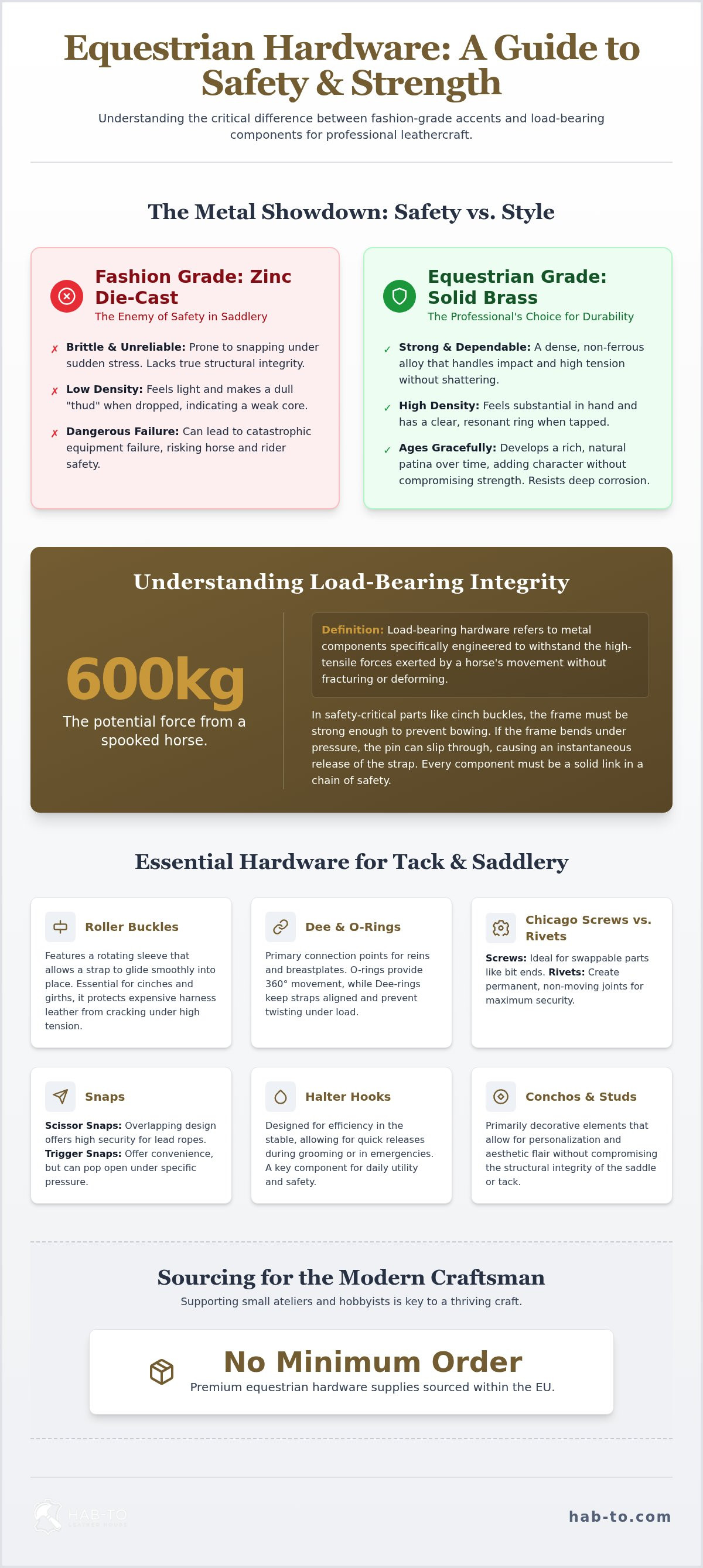
True equestrian hardware for leathercraft is defined by one word: responsibility. These components are load-bearing lifelines. They aren't decorative accents. When a 600kg horse spooks, the tension on a bridle or cinch is immense. Standard fashion buckles simply aren't built for this. Most high-street hardware is made from zinc die-cast. It looks shiny, but it's brittle inside. Under sudden stress, zinc snaps. In the stable or on the trail, a snapped buckle can lead to a runaway horse and a seriously injured rider. We don't make concessions when safety is on the line.
You also have to consider the brutal environment. Horse gear lives in a cocktail of acidic sweat, abrasive dirt, and constant moisture. This is a recipe for rapid oxidation. This is why we focus on premium materials in our hardware collection. We prioritize solid brass and stainless steel because they resist the deep corrosion that weakens inferior metals over time. If your hardware fails from rust, the finest leather in the world won't save the piece.
Solid Brass vs. Zinc Die-Cast
Zinc is the enemy of safety in the saddlery world. It's cheap to produce but lacks structural integrity. If you drop a zinc buckle on a hard floor, it makes a dull thud and might even crack. Solid brass is different. It's a dense, non-ferrous alloy that handles impact without shattering. It offers a longevity that zinc can't match. Over years of use, brass develops a rich patina that tells the story of your craft. You can identify quality by the weight. True brass feels substantial in your hand. It has a resonant ring when tapped, signaling a solid, dependable core.
Safety-Critical Load Ratings
Certain parts of a harness carry more weight than others. Cinch buckles, halter squares, and stirrup bars are safety-critical. The integrity of these pieces depends on the relationship between the pin and the frame. If a frame is too soft, it will bow under pressure. This causes the pin to slip through the gap, releasing the strap instantly. Load-bearing hardware refers to metal components specifically engineered to withstand the high-tensile forces exerted by a horse's movement without fracturing or deforming. When you build tack, you are building a safety system. Every ring and buckle must be a solid link in that chain.
Essential Types of Hardware for Horse Tack and Saddlery
Identifying the right components is the next step after choosing your metal. Every piece of equestrian hardware for leathercraft serves a specific mechanical purpose. Dee rings and O-rings act as the primary connection points for reins and breastplates. While O-rings provide 360-degree freedom of movement, Dee rings keep straps aligned and prevent the leather from twisting under load. For those diving into traditional methods, studying Tools and Materials for Equestrian Projects reveals how these shapes have remained virtually unchanged for centuries because they work.
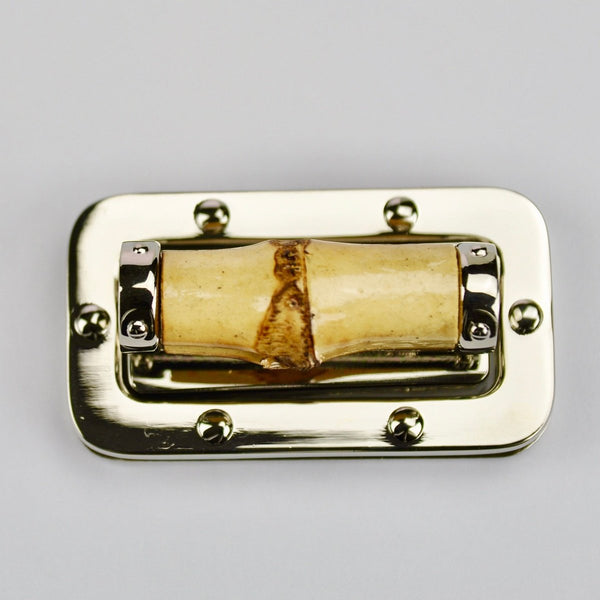
Snaps are equally vital for daily utility. Scissor snaps are often preferred for lead ropes because their overlapping design makes them nearly impossible to open accidentally. Trigger snaps offer convenience for gloved hands but can be prone to popping open if a horse rubs against a fence. When sourcing equestrian hardware for leathercraft, don't forget the aesthetic finish. Conchos and decorative studs allow for personalization without compromising the saddle's structural integrity.
The Utility of Roller Buckles
Expensive harness leather is prone to cracking if it's pulled tightly over a sharp metal edge. A roller buckle features a rotating sleeve that allows the strap to glide smoothly into place. This is essential for cinches and girths where you need maximum leverage to secure the saddle. Sourcing the correct width is critical. A one-inch strap in a 1.25-inch buckle will shift, causing uneven wear and potential failure. The roller protects the leather's grain, extending the life of the tack significantly.
Hooks and Closures for Fast Tack Changes
Efficiency matters in the stable and the show ring. Halter hooks allow for quick releases in emergencies or during grooming. When assembling your gear, you'll choose between Chicago screws and rivets. Chicago screws are ideal for bit ends because they let you swap hardware easily with a simple screwdriver. Rivets are for permanent, non-moving joints that require maximum security. You can find these essential components in the Hab-To Hardware Collection to ensure every connection is professional-grade. If you're just starting a new project, our starter bundles provide a curated selection of materials to get you moving.
What You Will Need: Tools and Materials for Equestrian Projects
Building professional tack requires a shift in mindset. You aren't just making a belt; you're engineering a safety system. High-quality thread is your first line of defense. Use bonded nylon or braided polyester that can withstand the constant friction of movement. Edge finishing is equally critical. A raw edge absorbs horse sweat like a sponge. This causes the leather to rot from the inside out over time. By using a burnishing agent, you seal those fibers against the elements. This makes the finish a functional requirement rather than a purely aesthetic choice. Integrating curated bundles into your workflow is a smart way to manage costs while ensuring every component meets professional standards.
Essential Hardware and Fasteners
You need a foundation of reliable components to ensure the longevity of your gear. Solid brass roller buckles and D-rings are the core of our Starter Bundles. These are designed to take the guesswork out of your first build. For permanent joints, copper rivets and burrs are the traditional choice. They offer a mechanical bond that stitching alone can't match. When you select equestrian hardware for leathercraft, remember that the fastener is only as strong as the metal it's made from. Brass and copper won't rust, ensuring the structural integrity of your tack for decades.
Specialized Leathercraft Tools
Heavy-duty projects demand specialized tools. Pricking irons allow you to mark precise, deep stitch lines through multiple layers of thick harness leather. Once your pieces are joined, use an edge beveler to remove sharp corners. This prevents the leather from digging into the horse's skin and causing discomfort. Applying a burnishing compound from our Tokonole Bundles creates a glassy, sweat-resistant finish. This step is vital for any piece of gear intended for outdoor use or heavy training sessions.
Structural Adhesives
Adhesives are the silent partners in high-quality saddlery. Ecostick 1804 Leather Glue is the professional choice for bonding tack layers before you ever pick up a needle. It stays flexible once dry. This prevents the bond from cracking or delaminating during the horse's natural stride. To get the best results, always rough up the grain side of the leather with a scratch awl or sandpaper. This creates a mechanical key for the glue to bite into. Proper preparation ensures that your equestrian hardware for leathercraft remains exactly where you positioned it during the stitching process.
Pairing Hardware with Professional Equestrian Leathers
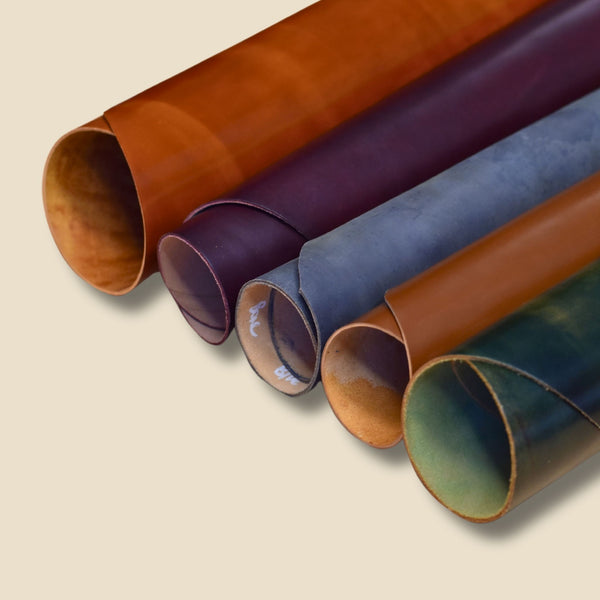
Vegetable-tanned leather isn't just a traditional choice; it's a safety requirement. Chrome-tanned leathers often contain residual mineral salts that react aggressively with metal. When you use chrome-tanned hides for tack, these salts accelerate corrosion, weakening your equestrian hardware for leathercraft from the point of contact. Purely vegetable-tanned hides are stable and pH-neutral. They protect the metal while providing the structural density needed to hold a buckle's shape under extreme tension.
The physical fit is just as important as the chemistry. You must match the leather's weight to the hardware gap. If you use a 4mm harness leather in a buckle designed with a 3.5mm clearance, you'll crush the leather fibers. This creates a permanent fail point. Conversely, thin leather in a wide gap will slide and saw against the metal. Aim for a snug fit where the leather fills the width of the bar without being compressed. This ensures the load is distributed evenly across the hardware frame.
Quality leather also prevents "verdigris," that unsightly green oxidation found on brass. This occurs when fatty acids in low-grade oils react with copper. By using premium Italian leathers, you ensure the oils are deeply struck and stable. This keeps your brass bright and your gear clean even after years of use in the stable.
Harness Leather and Heavy-Duty Fittings
Harness leather needs to be rugged and weather-resistant. Maryam Vacchetta Leather is an excellent choice for these heavy-duty applications. Its high oil content makes it naturally water-resistant, which is vital for gear exposed to rain and mud. When working with oily hides, ensure your solid brass hardware is free of industrial grease before assembly. This allows the leather's natural waxes to form a protective seal around the metal, creating a bond that resists the elements.
Bridle and Latigo: Aesthetic meets Strength
To ensure you are as well-protected as your horse during your pursuits, you can explore Verkoop van premium outdoor- en jachtkleding en accessoires to find authentic English-style attire that matches the durability of your custom tack.
When you're looking to extend that sense of adventure and well-being beyond the field, you can find out more about wellness retreats and sports tourism opportunities that offer a refreshing change of pace in beautiful Tobago.
For pieces that require a refined finish without sacrificing strength, Badalassi Pueblo Leather offers a unique texture that patinas beautifully alongside solid brass. Bridle leathers are typically firmer than harness hides. This firmness supports the hardware, preventing the leather from stretching around the buckle holes. Match the deep, earthy hues of these Italian leathers with high-polish brass or stainless steel for a professional, balanced look that stands out in the show ring.
Shop professional leather bundles for your next project
Sourcing Equestrian Supplies with No Minimum Order
Traditional wholesalers often force you into high minimum order quantities. This creates a barrier for hobbyists and small ateliers who only need a single set of equestrian hardware for leathercraft for a bespoke project. We believe the craft should be accessible to everyone who respects the material. That's why Hab-To offers single-panel sourcing and individual hardware sales. Whether you're building one bridle or a dozen, you get the same premium quality without the stockroom overhead. Shipping from our Amsterdam base also eliminates customs surprises for our European partners. This ensures your costs remain predictable and your projects stay on schedule.
If you're unsure about the technical fit, our physical showroom in Amsterdam is open for visits by appointment. It's a space where you can bring your leather and test the hardware fit in person. For those who can't make it to the office, you can access Mike’s 25+ years of industry experience through our digital channels. We are here to act as your expert friend. We want to ensure you select the right components for your specific safety requirements without the stress of bulk buying.
Custom Sourcing for Micro-Brands
Building a micro-brand requires precision. You don't want to compromise on quality just because you're starting small. We support this journey by providing access to sustainable, certified Italian leather from the Tuscan vegetable-tanning consortium. This leather is the perfect partner for high-tensile hardware. If you need advice on which buckle weight matches your chosen hide, we offer a Free Video Consultation. This 1-on-1 session helps you plan your project with professional insight. It reduces waste and ensures a high-end result for your custom saddlery.
Education and Community for Makers
We see ourselves as more than a supplier; we are a source of inspiration and knowledge. Our Leathercraft Masterclasses provide deep dives into the technical aspects of the craft. To stay informed on the latest techniques, you can also tune into the "Leather Hour" podcast hosted by Mike. For high-stress areas like cinch attachments or stirrup bars, we often recommend professional reinforcement. Using Texon reinforcement between layers of leather adds an extra level of security without adding unnecessary bulk. This commitment to education ensures that every piece of equestrian hardware for leathercraft you install is backed by sound technical knowledge and traditional expertise.
Elevate Your Saddlery Standards
Masterful leathercraft requires more than just steady hands. It demands a deep respect for the materials that ensure rider and horse safety. You now understand that selecting the right equestrian hardware for leathercraft is a technical decision where metallurgical integrity meets functional design. By prioritizing solid brass and stainless steel over brittle zinc, you build gear that withstands the immense tension of equine movement and the harshness of outdoor elements.
We back your ambition with 160+ years of family expertise. We don't believe in barriers to creativity. This is why we offer no minimum order quantity. You can source exactly what you need for a single project or a full collection. If you're feeling stuck on a specific build, Mike is always available for a free expert consultation to guide your selection.
Your dedication to quality defines the longevity of your work. We're here to help you turn every piece of tack into a legacy of craftsmanship.
Frequently Asked Questions
What is the best metal for equestrian hardware?
Solid brass and stainless steel are the premier choices for horse tack. These metals are non-ferrous, meaning they'll never rust despite constant exposure to rain or sweat. Stainless steel offers the highest tensile strength for heavy-duty applications like cinches. Solid brass is favored for its traditional aesthetic and the beautiful patina it develops over time. Both materials provide the reliability required for professional equestrian hardware for leathercraft.
Can I use stainless steel hardware with vegetable-tanned leather?
You can absolutely use stainless steel with vegetable-tanned hides. It's one of the most stable combinations in saddlery. Unlike cheaper plated metals, stainless steel is chemically inert and won't react with the natural tannins in the leather. This prevents the dark staining often seen with inferior hardware. It's an ideal choice for bridles and breastplates that face high moisture and constant friction during use.
How do I prevent brass hardware from turning green?
Prevention starts with using premium vegetable-tanned leather with stable, struck-through oils. The green residue, known as verdigris, is a chemical reaction between copper in the brass and fatty acids or moisture. Keep your gear clean and dry after every ride. Regularly wiping the hardware with a soft cloth removes the sweat and salts that trigger oxidation. High-quality Italian hides significantly reduce the likelihood of this reaction occurring.
What is the difference between harness leather and bridle leather for hardware fit?
Harness leather is typically thicker and contains more oils, which means you need hardware with a wider gap to prevent crushing the fibers. Bridle leather is firmer and more compressed, allowing for a sleeker fit in standard buckles. Always measure your leather's actual thickness with a caliper. Matching the hide's weight to the buckle's clearance ensures the load is distributed evenly without creating structural fail points in the strap.
Why should I avoid zinc die-cast buckles for horse tack?
Zinc die-cast buckles are dangerous because they are inherently brittle. While they're common in fashion, they can't handle the sudden, massive tension exerted by a horse. If a horse spooks, a zinc buckle can snap instantly without warning. Professional equestrian hardware for leathercraft must be made from forged or cast solid metals like brass or steel. These materials bend or stretch under extreme load rather than shattering.
Do I need a special tool to install equestrian rivets?
Installing traditional copper rivets and burrs requires a rivet setter and a ball-peen hammer. You first use the setter to drive the burr down the post until it's tight against the leather. After nipping the post short, you use the hammer to mushroom the end, creating a permanent mechanical bond. This technique is essential for high-stress areas where stitching might fail. We provide these specialized tools to ensure your repairs are structurally sound.
How do I choose the correct size buckle for my leather strap?
Always match the internal width of the buckle frame to the exact width of your leather strap. If you use a buckle that's too wide, the strap will shift side-to-side, causing the pin to wear a jagged hole in the leather. This eventually leads to a tear. A 25mm strap belongs in a 25mm buckle. A snug fit ensures the hardware stays aligned and the tension remains centered for maximum safety.
Can I buy individual buckles for repair projects at Hab-To?
You can buy exactly what you need at Hab-To because we have no minimum order quantity. We support small ateliers and individual crafters by selling individual buckles, rings, and snaps. Whether you're repairing a favorite halter or building a bespoke bridle, you don't need to purchase bulk bags of hardware. This approach reduces your overhead and lets you focus on using the best possible materials for every single project.
Disclaimer
All our blog articles are made for information purposes only we dont take responsability for any content from third parties.