

How to Choose a 40 mm Buckle for Your Leathercraft Project
A 40 mm buckle is generally sized for a strap around 40 mm wide. That measurement usually refers to the buckle’s strap opening, not its outside width, but the label is only a starting point. The finished strap and the buckle opening need to suit each other.
It’s easy to focus on a buckle’s appearance first. But if the strap won’t pass through cleanly or the fastening method doesn’t suit your design, the finished piece won’t work as planned. Check the fit first, then choose hardware that complements the leather and the purpose of your project.
In this guide, you’ll learn what 40 mm means, how to measure a strap and match it to a buckle, and what to weigh up when comparing construction, finish and style. We’ll also look at how to plan the hardware alongside your leather, including vegetable-tanned leather. Whether you’re making a belt or another strap project, you’ll have a practical way to choose hardware and prepare your materials without buying more leather than you need.
Key Takeaways
- A 40 mm buckle usually refers to the strap width it’s designed to accept, not the buckle’s overall outside width.
- Compare the buckle’s listed opening with the finished strap’s actual width and construction before choosing.
- Assess fit, construction, finish and intended use separately to find hardware that suits your project.
- Plan the strap and buckle together. Set the finished strap measurement before selecting hardware.
- Explore leathercraft hardware, tools and vegetable-tanned leather to gather supplies for your project.
What Does 40 mm Mean on a Buckle? Start with the Strap Fit
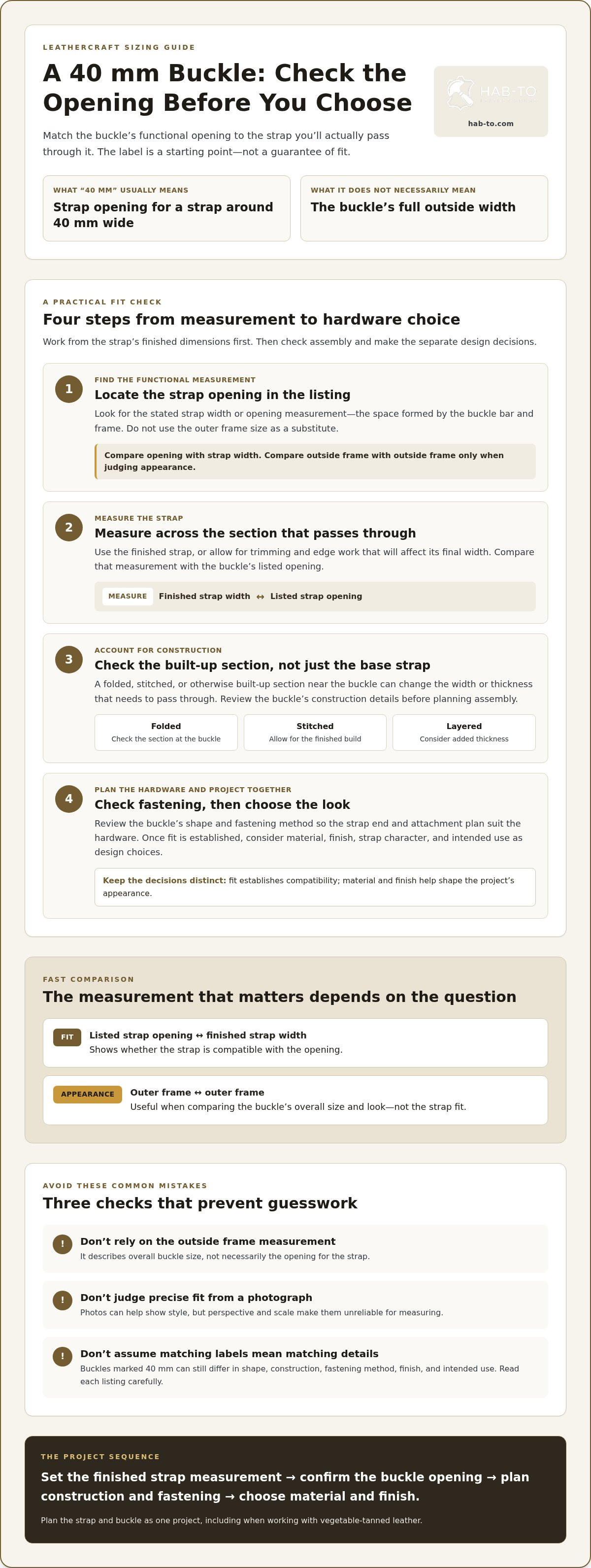
A buckle labelled 40 mm is usually designed to accept a strap about 40 mm wide. That measurement refers to the strap opening, not necessarily the buckle’s full outside width. The frame can extend beyond the space where the strap sits, so don’t judge fit by the buckle’s overall size or appearance alone.
A 40 mm buckle has a strap opening intended for a strap around 40 mm wide, but the label doesn’t guarantee a fit with every strap or construction. The opening is formed by the buckle bar and frame. Compare the stated opening with the finished strap measurement, and read each listing carefully because dimensions may be described in different ways. Buckles serve as fasteners, as outlined in this general overview of the Buckle. For your project, the opening is the dimension that determines whether the strap can pass through.
How to Measure a Belt Strap for a 40 mm Buckle
Measure across the width of the strap at the section that will pass through the buckle. Use the finished strap, or allow for any trimming and edge work that will affect its final measurement. If the strap is folded, stitched or otherwise built up near the buckle, consider how that construction changes the section that needs to pass through. Compare your measurement with the opening stated in the buckle listing.
As you plan your strap and hardware together, browse leather for belts.
Strap Width Versus Buckle Width: Which Measurement Matters?
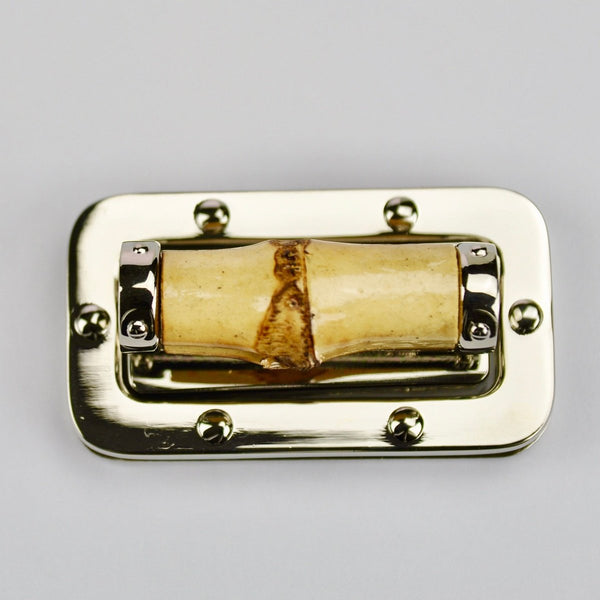
Check the functional opening, sometimes described as the slot or bar measurement. The outer frame dimensions describe the buckle’s overall size, not the width of strap it accepts. A broad frame can surround a narrower opening, so a buckle that looks large in a product photo may still be intended for a narrower strap.
Compare like with like: finished strap width against the listed strap opening. Compare outer frame width with another outer frame width only if you’re assessing appearance. Photos can help you picture the style, but perspective and scale make them unreliable for measuring. Use the listing’s stated dimensions, and if several measurements are given, identify which one refers to the strap opening before choosing your buckle.
Will Any 40 mm Buckle Fit a 40 mm Strap? Check These Details
No. A 40 mm label is a useful starting point, but it doesn’t tell you every detail of fit. Two buckles marked for the same strap width can differ in shape, construction, fastening method, finish and intended use. The buckle’s listed opening and the strap’s finished dimensions still need to suit each other.
Start with the product description. Compare the stated strap width or opening measurement with your completed strap at the section that will pass through the buckle. Account for edge finishing and the strap’s construction, which can affect its final width and how it sits in the hardware. A folded or layered section can also be thicker than a single layer, so review the buckle’s construction details before planning assembly.
For a broader explanation of how buckle size labels can relate to the material they accommodate, see ACE Supplies’ guide to plastic buckle sizes. Use it as a reference for the sizing concept, then rely on the dimensions and details in the specific leathercraft buckle listing.
A Simple Compatibility Check Before You Choose
- Find the opening measurement. Check whether the listing states the strap width the buckle is designed to accept or gives a measurement for its opening.
- Measure the finished strap. Compare the opening with the strap’s actual width after accounting for edge finishing and construction.
- Review assembly details. Read how the buckle is built and fastened so you can plan the strap end and attachment method accordingly.
Then consider shape and application. A buckle’s profile and fastening arrangement affect how it works with your strap design. Its material and finish are separate choices. Decide whether they suit the look you want, but don’t treat them as proof of compatibility. Browse leathercraft hardware with your finished strap dimensions in mind.
Common 40 mm Buckle-Fitting Mistakes
- Using the outside frame measurement. This describes the buckle’s overall size, not necessarily the opening for the strap.
- Judging fit from a photograph. Product images can show shape and style, but they aren’t a reliable way to confirm precise dimensions.
- Assuming matching labels mean matching details. Buckles marked 40 mm may still differ in construction, fastening and appearance. Read each listing rather than relying on the label alone.
Once your measurements and assembly plan are settled, explore leathercraft bundles for your project to gather materials and tools.
Choose a 40 mm Buckle by Material, Finish, and Project Use
Once you’ve established the fit, choose hardware that works with the belt you’re making. Consider the buckle’s material and construction, its finish, the strap’s character and how you’ll use the finished piece. These choices shape the look and assembly of the project, but they don’t replace checking the buckle’s stated measurements.
Fit is a functional decision. Material and finish are design choices guided by the project. Use this comparison to keep those decisions clear:
| Consideration | What to assess | Why it matters |
|---|---|---|
| Fit | Compare the listed strap opening with your finished strap width. | Establishes whether the strap and buckle are compatible. |
| Construction | Review the buckle’s shape and stated fastening details. | Helps you plan how the strap end will attach and sit. |
| Finish | Choose an appearance that works with the leather and overall design. | Influences the visual character of the completed belt. |
| Intended project | Consider the style and purpose of the item you’re making. | Helps the hardware feel proportionate and appropriate. |
Match Buckle Appearance to Belt Leather
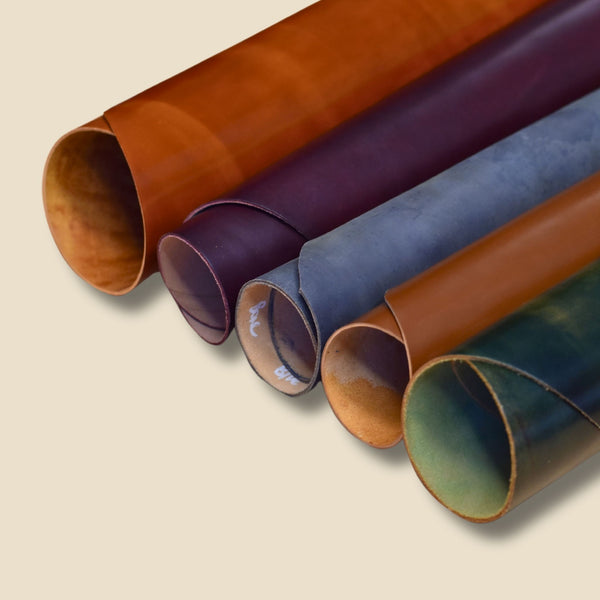
Look at the leather’s colour and surface character alongside the buckle. A clean, understated strap may call for restrained hardware, while a more prominent buckle may suit a design where the hardware is meant to draw attention. These are design choices, not rules. Aim for balance so neither the strap nor the buckle overwhelms the finished belt.
As you compare strap materials, browse the leather for belts collection. Picture the buckle against the leather colour and consider whether the combined look suits your project. Hab-To Leather House supplies leathercraft hardware and vegetable-tanned leather, so you can plan the components together.
When Should You Consider Solid Brass Hardware?
Solid brass is one material category to consider if it fits the look and purpose of your project. Don’t assume every buckle is made from solid brass; rely on the material description for the specific item. Keep the choice project-led, and don’t treat a material name or finish as a guarantee of performance. For a deeper materials discussion, read our solid brass hardware guide.
Choosing your first 40 mm buckle? Settle the strap fit, then weigh material, finish and visual proportion against your design. You can also browse leathercraft bundles as you plan the supplies for your project.
How to Plan a 40 mm Belt Strap and Buckle as One Project
A well-planned belt starts with the finished design, not a buckle chosen in isolation. Decide what the belt is for, set the strap width, then choose hardware that fits the completed strap and suits the look you’re building. This order helps you make clear decisions about materials and assembly.
- Define the project. Consider how the belt will be used and the style you want. Use that as a guide when choosing leather and hardware with an appropriate visual presence.
- Choose the strap material. Compare the leather’s colour and surface character with your intended design.
- Set the finished strap width. Decide the width you want after cutting and edge finishing. Record it before selecting a buckle.
- Match the buckle to the strap. Compare your planned finished width with the buckle listing’s stated strap width or opening measurement. Review its construction and fastening details, too.
- Coordinate the hardware. Choose a finish and appearance that work with the leather and the belt’s purpose. Plan cutting and assembly around the selected hardware’s stated dimensions.
What You Will Need to Plan the Project
Gather the essentials before you begin. The right tools depend on your assembly method and the buckle’s fastening details, so include those in your plan.
- Belt leather: Compare strap materials in the belt leather collection.
- Buckle and related components: Browse leather hardware and use the specific listing’s dimensions to plan your strap.
- Leatherworking tools: Choose project-appropriate equipment from the leatherworking tools collection.
For broader component context, read our leather hardware guide.
| Planning item | What to decide |
|---|---|
| Leather | Choose the material and appearance that suit the belt design. |
| Strap | Record the intended finished width before cutting. |
| Buckle | Match its listed opening and construction details to the strap and assembly plan. |
| Tools | Select tools according to the work and fastening method involved. |
From Material Choice to a Finished Belt Plan
Write down the finished strap width, then compare it directly with the buckle listing. Decide how the leather’s surface and colour will sit beside the buckle’s finish. Once those choices are made, plan cutting and assembly around the selected hardware’s stated dimensions. A 40 mm buckle can guide the design, but the finished strap measurement should guide the fit.
Choose leather, hardware and tools together for a more considered belt project.
Where to Find Leathercraft Supplies for Your Buckle Project
Before you buy, bring the decisions together. A 40 mm buckle label is only a starting point. Match the buckle’s listed opening to the finished strap measurement, then consider its construction, finish and intended use. Hab-To Leather House supplies buckles and other leathercraft hardware, leatherworking tools and vegetable-tanned leather, with no minimum order requirements. You can gather materials for a small project or a larger one.
A Final Checklist Before Selecting Your Buckle
- Compare measurements like for like. Check that the strap width you’ve planned and the buckle opening in the listing describe compatible dimensions.
- Read the product details. Review the buckle’s construction, fastening details, finish and stated dimensions rather than relying on its label or product photo alone.
- Check the overall design. Consider whether the leather’s colour and character work with the buckle’s finish and visual weight.
- Plan the assembly. Make sure your chosen tools and approach suit the hardware’s stated construction.
A few minutes spent comparing the listing with your project notes can help you choose components with a clear purpose. Keep your finished strap measurement close while browsing, and revisit it before settling on hardware. For a broader look at how components contribute to a leathercraft project, read our guide to essential leather hardware.
Explore Crafting Bundles and Keep Building
Once your buckle, strap and assembly plan are in place, it’s easier to see what else your project needs. Hab-To Leather House crafting bundles offer a useful way to gather supplies. They help you prepare for leathercraft without requiring you to buy a whole hide for a small project. Browse with your materials and planned work in mind, and choose supplies that suit what you’re making.
Project supplies
Explore crafting bundles as you prepare leathercraft materials and tools for your belt project.
Keep learning with these related hardware guides:
- Solid brass hardware: an artisan’s guide
- Guide to essential leather hardware
Plan Your Next Belt Project with Confidence
Choosing a 40 mm buckle is about more than the label. Compare the buckle’s listed opening with your finished strap measurement, then review its construction and fastening details. Once the fit is clear, choose a material and finish that complement the leather and the look you want.
Planning the strap and hardware together helps you make thoughtful choices before cutting or assembling. Hab-To Leather House supplies leathercraft materials, including hardware and vegetable-tanned leather, with no minimum order requirements. You can gather supplies for a small project or a larger build.
Ready to gather materials for your next piece?
Take your time with the measurements, trust your eye for the design, and enjoy bringing your project together.
Frequently Asked Questions
What does 40 mm mean on a belt buckle?
On a belt buckle, 40 mm usually refers to the strap width the buckle is designed to accept. It doesn’t necessarily describe the buckle’s overall outside width. The frame may be wider than its strap opening, so compare the measurement named in the buckle listing with the part of your finished strap that will pass through it. Read the dimensions carefully, as listings may describe them differently.
Will a 40 mm buckle fit a 40 mm leather strap?
It may fit, but the size label alone can’t confirm compatibility. Compare the buckle’s stated strap opening with the actual finished width of your strap. Account for construction and edge finishing, which can affect its final dimensions. Also review the buckle’s shape and fastening details. Two buckles labelled 40 mm may have different designs, so check the individual listing before planning your assembly.
How do I measure a buckle for a leather belt?
Measure the opening where the strap passes through, not the buckle’s full outside frame. Then measure your strap across its width at the section that will sit in the buckle. If the strap is finished, measure it in its completed state. If it isn’t, allow for construction and edge finishing when setting its final width. Compare these like-for-like measurements with the dimensions in the product listing.
Is a 40 mm buckle suitable for every belt project?
No. A 40 mm buckle suits a project only if its opening matches the finished strap and its shape and fastening method suit your design. Think about the belt’s purpose and the visual balance between strap and hardware, too. A buckle that fits dimensionally may still not match the look you want. Plan the strap and hardware together before cutting or assembling the belt.
Can I use a 40 mm buckle with vegetable-tanned leather?
Yes, a 40 mm buckle can be used with vegetable-tanned leather if the buckle opening and finished strap width are compatible. Check the dimensions for the specific buckle and consider how your strap is constructed and finished. The leather’s colour and surface character can also guide your choice of buckle finish. Treat fit as a measurement decision and appearance as a separate design choice.
What should I check before buying a 40 mm buckle?
Check the buckle’s stated strap width or opening measurement, construction, fastening details, finish and intended application. Compare the opening with your strap’s planned finished width, not the buckle’s outside frame or a product photo. Then consider whether the buckle’s appearance suits the leather and the project. A careful listing check helps you plan the strap, hardware and assembly as one coordinated build.
Where can I find leather and hardware for a belt project?
Hab-To Leather House supplies vegetable-tanned leather, buckles and other leathercraft hardware, and leatherworking tools. There are no minimum order requirements, which is useful when preparing a small project as well as a larger one. Plan your materials around the finished strap dimensions and chosen hardware, then select tools that suit your assembly approach.
Disclaimer
All our blog articles are made for information purposes only we dont take responsability for any content from third parties.