The Best Leather for Tooling and Carving: A Master Crafter’s Selection Guide
The most expensive swivel knife in the world cannot save a project if your hide has no memory. You've likely spent hours sketching a design only to watch your stamps leave shallow, muddy impressions that seem to disappear as the leather dries. It's a common frustration. Wasting money on the wrong material is a painful rite of passage for many, but it doesn't have to be yours. Finding the best leather for tooling and carving isn't just about the brand. It's about the moisture-memory of high-density, vegetable-tanned crust leather.
I've seen many talented makers struggle with leather that dries out too fast or turns into mush under a mallet. You want crisp, deep results that hold their shape for decades. I promise that once you understand how the material behaves, your craftsmanship will transform. In this guide, I'll show you why vegetable-tanned leather is the only choice for precision work. We'll dive into the essential process of casing to ensure your fibers are perfectly primed. You'll also learn how to select professional-grade Italian panels for your next project without the need to invest in a full side. Let's get your workbench ready for some real depth.
Key Takeaways
- Learn why vegetable-tanned leather is the only material with the "moisture memory" needed to hold deep, crisp impressions.
- Discover why selecting dense shoulder or butt cuts is essential for the best leather for tooling and carving, while avoiding soft belly leather that stretches.
- Identify the professional-grade steel tools and materials required to match the quality of your hide and ensure precision results.
- Understand how to source premium Italian leather in small panels, giving you access to world-class tanneries without the need for bulk orders.
The Golden Rule: Why Vegetable Tanned Leather is Essential for Tooling
Vegetable tanned leather is the soul of traditional leathercraft. Unlike mass produced hides found in fast fashion, this material is processed using natural plant tannins found in tree bark, roots, and leaves. If you are searching for the best leather for tooling and carving, you must start with vegetable tanned, full grain leather. This ancient tanning process creates a dense, organic structure that reacts to moisture and pressure in a way no other tanning method can replicate. It's the only material that allows an artist to "sculpt" the surface rather than just marking it.
I often talk about a concept called "moisture memory." When you dampen vegetable tanned leather, the internal fibers swell and soften. As you strike a stamp or pull a swivel knife through the surface, the compressed fibers stay exactly where you put them. Chrome tanned leather, which is processed with mineral salts, behaves like a rubber band. It might take a shallow impression for a moment, but those fibers want to spring back to their original shape. This "rubber band effect" is why chrome-tan is useless for carving; your hard work simply fades away as the leather dries. For the ultimate blank canvas, many masters choose "Crust" leather. This is veg-tan in its purest form, devoid of added dyes or top coats, offering the most predictable reaction to tools and dyes.
The Chemistry of a Perfect Stamp
The secret to a crisp mark lies in the tannins. These organic compounds bind to the collagen fibers, creating a firm matrix that preserves tool impressions. This density allows for a permanent burnish when friction is applied, turning the leather a rich, dark brown in the depths of your cuts. Chrome tanning chemicals create a loose, flexible structure that resists permanent deformation. To achieve professional results, you need open pores that can drink in water. Without this absorption, you'll never reach the fiber depth required for high-relief carving.
Can You Tool Pre-Dyed Leather?
You might wonder if you can tool beautiful pre-dyed options like Badalassi Pueblo or Pueblo leather, but for heavy, traditional carving, a natural crust is superior because waxes can prevent the leather from reaching the correct moisture level. Casing is the essential process of adding controlled moisture to the leather to prepare the internal fibers for tooling.
Choosing the Right Thickness and Density for Carving
Selecting the right hide is about more than just finding a piece of vegetable tanned leather. You need to understand the anatomy of the animal. The belly of the cow is naturally stretchy and loose; it's designed to expand as the animal moves. If you try to tool a belly, your stamps will bounce and your swivel knife will drag. For high precision work, the best leather for tooling and carving usually comes from the shoulders or the butt. These areas have a much tighter fiber structure. This density ensures that when you bevel an edge, the line remains sharp and doesn't lose its definition over time.
Thickness is the next critical factor. In the workshop, we measure this in millimeters. The depth of your swivel knife cut should generally be about half the thickness of the leather. If your leather is too thin, you risk cutting straight through to your workbench. If it's too thick and you don't cut deep enough, the design will look flat and lifeless. Understanding this relationship between tool and material is what separates a hobbyist from a master. If you're unsure which cut to start with, our curated leather bundles offer a variety of professional-grade panels to test your tools on.
Thickness Guide by Project Type
- 1.0mm to 1.5mm: This weight is ideal for small goods like wallets, card holders, or notebook covers. It offers the flexibility needed for folding while still allowing for light decorative stamping.
- 2.0mm to 3.0mm: This is the "sweet spot" for most crafters. It's perfect for belts, knife sheaths, and heavy floral carving. It provides enough depth for significant 3D effects.
- 3.5mm and up: Reserved for heavy-duty gear. Think holsters, equestrian tack, or thick work belts. This thickness requires a strong arm and sharp tools but results in incredibly durable pieces.
The "Flesh Side" Test for Density
When you're looking for the best leather for tooling and carving, always flip the hide over. The "flesh side" (the back) tells the true story of the tanning quality. A high-quality tooling hide will have a smooth, tight flesh side with very few loose fibers. If the back looks hairy or "shaggy," it's a sign of loose density. Those loose fibers won't support the pressure of your stamps, leading to "mushed" details that look shallow and unprofessional. For more advice on spotting these details when you can't touch the hide in person, check out our guide on buying leather online. A tight grain on both sides is the hallmark of premium Italian leather and is essential for achieving that crisp, professional finish.
What You Will Need: The Tooling & Carving Toolkit
Your workbench is an altar to precision. You've selected a dense shoulder or butt cut, but that's only half the battle. To truly honor the best leather for tooling and carving, you need a toolkit that matches the quality of your hide. Professional results start with a rock-solid foundation. I always recommend working on a heavy marble or granite slab. This stone base absorbs the impact of your mallet, ensuring the energy travels directly into the leather fibers rather than bouncing off a hollow wooden table. If your surface has any "give," your stamps will double-jump, leaving blurry, unprofessional marks.
High-quality steel is non-negotiable. Cheap, pot-metal tools from generic kits dull quickly and tear the grain instead of slicing it. When your tools are sharp and your leather is correctly cased, the swivel knife should feel like it's gliding through butter. This synergy between tool and material is where the magic happens. Don't settle for tools that fight you; invest in equipment that acts as an extension of your hand.
Essential Hardware and Preparation Tools
- Swivel Knife: This is your primary instrument. It's used to cut the outlines of your design into the grain. Explore our range of professional leatherworking tools to find a knife that fits your grip.
- Stamping Tools: You'll need a variety of bevelers to create depth, pear shaders for organic contours, and veiners for detail work. These are the brushes with which you paint on your leather canvas. You can find these specialized pieces in our tools collection.
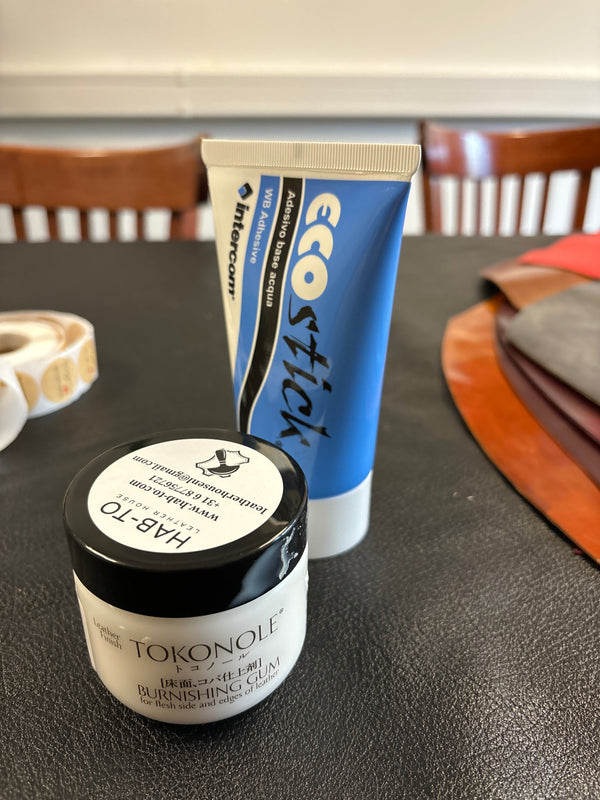
- Surface Preparation: Once your carving is done, finishing the edges is vital. I swear by Tokonole for achieving that glass-like edge burnish that defines a master-made piece.
Tokonole Bundles
Shop Tokonole BundlesHab-To Recommended Bundles
I know that starting out can feel overwhelming. That's why we've put together Starter Bundles that include the essentials without the fluff. These kits are designed to get you stamping immediately with tools that won't let you down. If you want to experiment with different weights of the best leather for tooling and carving, our Leather Bundles are the perfect way to feel the difference between a 1.5mm and a 3.0mm panel.
Ready to take your skills to the next level? Sometimes seeing the technique in action is the only way to truly learn. I invite you to join one of our Masterclasses, where I share the specific professional techniques I've gathered over decades in the trade. Let's make something incredible together.

Top 3 Leather Recommendations for Professional Results
Every master knows that a tannery's "recipe" is just as vital as the cut of the animal. A hide isn't simply a surface. It's a living history of heritage and chemistry. While many suppliers only sell full sides, I believe every artisan should have access to the world's finest tanneries. That's why we provide these premium selections in small panels with no minimum order. Finding the best leather for tooling and carving often comes down to the specific project and the aesthetic you want to achieve. Each tannery has a distinct philosophy that changes how the leather reacts to your swivel knife and stamps.
Jesse Olivenleder: The Sustainable Innovator
Sustainability is no longer a luxury; it's a responsibility we all share. Olivenleder is a true innovator in this space. They use a patented tanning process based on olive tree leaves that would otherwise be burned as waste. This leather is remarkably supple and soft to the touch. You might assume such a soft material couldn't hold a sharp stamp, but Jesse's recipe proves otherwise. It captures micro-details with incredible clarity. It's the perfect choice for the eco-conscious maker who wants a biodegradable material that still performs like a traditional hide. If you want to create something that respects the earth as much as the craft, this is your material.
Badalassi Carlo: The Traditional Master
For artisans seeking a rustic, lived-in feel from the very first cut, Badalassi Pueblo is a legend in the community. It features a unique scuffed texture that develops a stunning patina as it's handled. While Pueblo is a finished leather, it tools beautifully for "distressed" or vintage effects. It's particularly effective when you want your design to feel integrated into the history of the hide rather than sitting on top of it. For more technical tips on handling these textured surfaces without damaging the grain, read our guide on The Artisan’s Guide to Leather Stamping Tools.
Virgilio Vacchetta: The Tooling Workhorse
If you want the ultimate traditional carving experience, Virgilio Vacchetta is the workhorse of the workshop. This is a true "Crust" leather, meaning it's a pure canvas ready for your dyes and oils. It's fatliquored during the tanning process. This high internal oil content is a game changer for high-relief floral carving. It keeps the fibers nourished and prevents the leather from drying out too fast during long sessions. It drinks in moisture during casing and holds a deep, dark burnish that looks like polished mahogany. It's the best leather for tooling and carving when you need consistent, professional results on large-scale projects that require hours of focused attention.
How to Source Premium Tooling Leather Without Buying Bulk
The biggest hurdle for many aspiring artisans isn't the skill; it's the cost of entry. Buying a full side of premium vegetable tanned leather from a world-class Italian tannery is a significant investment. Often, these hides are only sold in large quantities, costing hundreds of euros before you've even made your first cut. This barrier stops many talented makers before they can truly begin. I've always believed that professional-grade materials should be accessible to everyone, whether you're crafting your first belt or your fiftieth handbag. You shouldn't have to be a high-volume factory to work with the best materials in the world.
At Hab-To, we've removed that barrier with our "No Minimum Order" philosophy. You don't need to buy a full hide to get the best leather for tooling and carving. We offer premium Italian hides in smaller panels and shoulders that are perfectly sized for specific projects. This allows you to invest in the quality your work deserves without the waste of excess material sitting in your workshop. It also means you can experiment with different tannery recipes, like the ones we discussed earlier, without a massive financial commitment. Plus, with our delivery speeds of 24 to 48 hours for all EU regions, you can start your project while the inspiration is still fresh.
Expert Advice from Mike at Hab-To
Choosing the right cut is a science, and the wrong selection can lead to expensive mistakes. With over 160 years of family heritage in the leather trade, I've learned how to spot the nuances that make a hide perfect for carving. If you're unsure about the "temper" (the stiffness) or which weight is right for your design, I'm here to help. I offer a free 1-on-1 video consultation to ensure you get exactly what you need. We can talk through your project goals, and I can help you understand how to ask for specific weights that will make your carving stand out. My goal is to be the expert friend who helps you avoid "bad leather" mistakes.
Next Steps for Your Craft
Once you've mastered the basics of carving on a natural crust, you'll want to explore how these hides can be used in larger constructions. I encourage you to browse our Leather for Bags collection to see how professional artisans use these materials for high-end carry goods. Don't let the fear of buying the wrong material hold you back. Shop the full leather collection and start your carving journey today with the confidence that you're using the best leather for tooling and carving available.
Featured Tooling Resource
Ready to elevate your finishing? Our Leathercraft Master Bundle includes everything you need to prepare, tool, and finish your projects to a professional standard.
Master the Art of Precision Carving
Great leatherwork is a conversation between your hands and the hide. By choosing a dense shoulder cut and understanding the chemistry of the tanning process, you ensure that every mark you make is permanent and crisp. We've explored how the best leather for tooling and carving relies on high-density fibers and the perfect level of moisture memory. You don't need to be a large-scale manufacturer to access these world-class materials anymore.
With 160 years of family experience guiding our selections, we make it possible to buy professional-grade Italian leather in small panels. Whether you're in the EU expecting delivery within 24 to 48 hours or crafting elsewhere in the world, the right foundation is now within reach. It's time to stop fighting your materials and start creating the deep, beautiful impressions you've always envisioned.
Your tools are sharp and your workbench is ready. Go ahead and make your mark on a canvas that was built to last for generations. Happy carving.
Frequently Asked Questions
Can I use chrome-tanned leather for tooling or stamping?
No, chrome-tanned leather is unsuitable for traditional tooling. The mineral salts used in the tanning process create a flexible, "rubbery" structure that lacks fiber memory. If you strike a stamp into chrome-tan, the surface will simply spring back to its original shape. For crisp, permanent impressions, you must use vegetable-tanned leather.
What is the best leather thickness for carving a belt?
The ideal thickness for a carved belt is typically between 3.5mm and 4.0mm. This weight provides a sturdy foundation that won't stretch excessively over time. It also gives you enough depth to use a swivel knife and bevelers for high-relief designs without risking a cut that goes all the way through the hide.
Do I need to wet the leather before I start tooling?
Yes, this essential preparation is known as casing. You must add controlled moisture to the hide to soften the internal fibers. When the leather is properly cased, it becomes pliable enough to accept deep impressions. This process is what allows the best leather for tooling and carving to hold a sharp, professional burnish.
What is the difference between "crust" leather and finished leather for carving?
Crust leather is a pure, unfinished hide with open pores that drink in moisture and dyes. It is the ultimate blank canvas for a master crafter. Finished leathers have already been treated with waxes or oils. While some can be stamped, they often resist water, making the casing process much more difficult than with natural crust.
Why does my leather turn dark or "burn" when I tool it?
This darkening is a desirable effect called burnishing. It occurs when the friction and pressure of your steel tools compress the fibers and natural tannins. If your leather is correctly cased, this compression creates a rich, polished contrast. This depth and color change are the hallmarks of high-quality vegetable-tanned material and professional technique.
Where can I buy small pieces of high-quality tooling leather in Europe?
Hab-To Leather House specializes in providing premium Italian vegetable-tanned panels with no minimum order requirements. We understand that not every project requires a full side. We ship world-class hides across the continent with a delivery speed of 24 to 48 hours for all EU regions, making it easy to source the best leather for tooling and carving.
Disclaimer
All our blog articles are made for information purposes only we dont take responsability for any content from third parties.