

Silver Leather Hardware: Guide for Professional Crafters
Silver leather hardware is no longer the "alternative" choice for high-end goods. It's the 2026 standard for quiet luxury in professional leathercraft. While brass has dominated workbenches for decades, the industry is shifting toward the neutral, timeless appeal of silver tones. You've likely felt the frustration of a project being let down by a buckle that doesn't quite match the rivets, or hardware that peels after a few months of use. Finding premium options without being forced into massive minimum orders shouldn't be your biggest hurdle as a crafter.
I understand the need for components that reflect the quality of the vegetable-tanned leather you work with every day. This guide will show you how to select, coordinate, and install professional-grade silver-finish hardware to elevate your work. We'll explore the technical differences between finishes like brushed nickel and stainless steel, discuss the impact of the latest EU REACH regulations on coatings, and provide a roadmap for sourcing reliable materials for small batches. It's time to give your projects the cohesive, durable finish they deserve.
Key Takeaways
- Learn how to use silver tones to create a modern, high-contrast look that elevates black and navy vegetable-tanned leather projects.
- Master the technical differences between plating and base metals to ensure your silver leather hardware remains durable and tarnish-resistant over years of heavy use.
- Discover the visual nuances between silver, nickel, and stainless steel finishes to achieve perfect color coordination across every component of your design.
- Gain a professional framework for matching buckle weights and sizes with coordinating D-rings and rivets for a unified, high-end aesthetic.
- Understand how to source premium hardware and single leather panels in small batches with no minimum order requirements.
The Aesthetic Power of Silver Leather Hardware
The choice of hardware defines the soul of a leather piece. Silver leather hardware offers a crisp, modern alternative to the traditional warmth of brass. At Hab-To, we view hardware as the jewelry of your project. It shouldn't just be functional; it should be the finishing touch that elevates the entire design. While gold and brass evoke a heritage or equestrian feel, silver brings a contemporary edge that aligns with the "quiet luxury" movement. This design philosophy focuses on high-quality materials, like premium vegetable tanned leather, where the hardware supports the leather rather than competing with it for attention.
Why Silver Complements Vegetable Tanned Leather
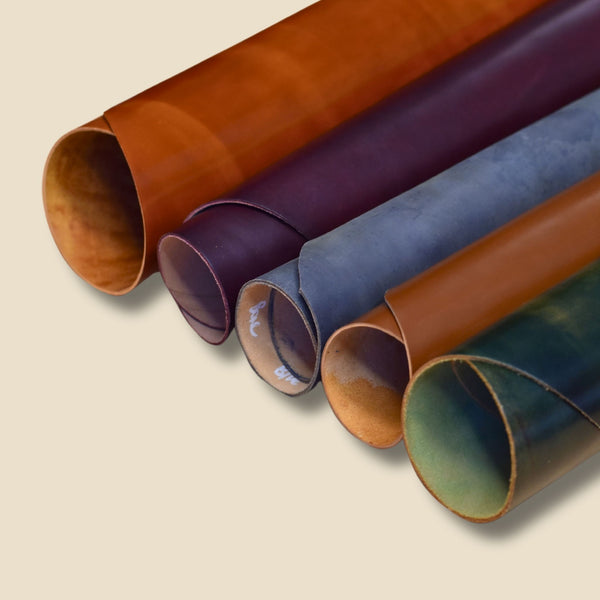
Silver provides a striking contrast to the organic nature of veg-tan. On deep, saturated colors like navy or black, silver creates a sharp, professional look that feels intentional and clean. It also works beautifully with the complex textures of Badalassi Pueblo leather or the smooth finish of Maryam Vaccheta. As these leathers develop a warm patina over time, the cool silver hardware remains a steady anchor. This prevents the piece from looking overly rustic and maintains a minimalist, high-end aesthetic that appeals to modern clients.
The Psychology of Hardware Choice
Your choice of metal sends a message. Brass often suggests a rugged, outdoor history. In contrast, silver is the language of urban sophistication and modern tech accessories. Understanding the history and types of buckles reveals how these components evolved from purely utilitarian tools into symbols of status and style. The color of your hardware directly influences the perceived value of a handmade bag. A sleek silver closure on a structured briefcase suggests a different level of precision than a weathered brass snap. For more on selecting these crucial pieces, see our Crafter’s Guide to Essential Leather Hardware. By choosing silver, you're signaling a commitment to a refined craft that respects tradition but isn't bound by it. It's about creating something that feels fresh and relevant in today's market.
Materials and Finishes: What Defines High-Quality Silver Hardware?
Professional crafters know that "silver" in leatherworking usually refers to the color, not the element itself. High-quality silver leather hardware relies on a precise combination of a robust base metal and a resilient top layer. Understanding what lies beneath the surface is the first step toward creating goods that survive years of heavy use. You aren't just buying a look; you're investing in the structural integrity of your project. If the plating fails, the entire piece loses its professional appeal.
Plating Quality and Longevity
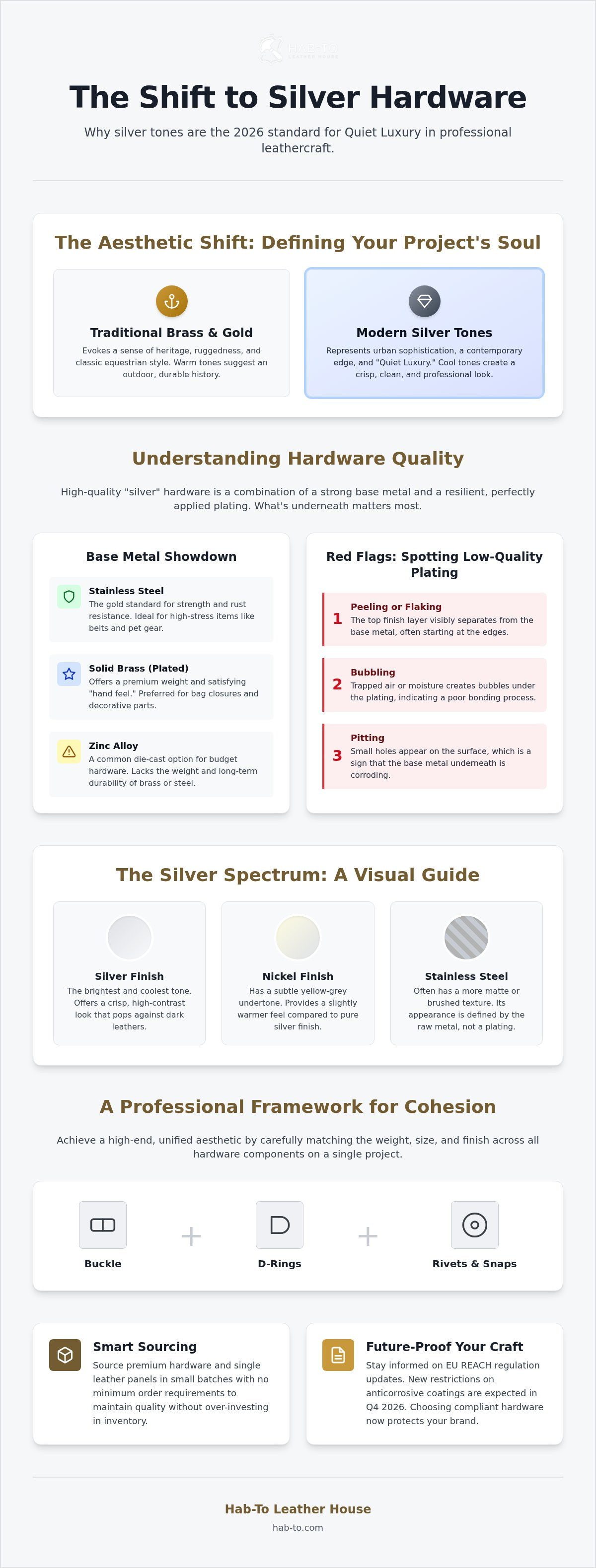
Electroplating is the process of using an electric current to coat a base metal with a thin layer of silver or a silver-like alloy. This isn't just for aesthetics. A proper finish acts as a barrier against oxidation and wear. When sourcing, you'll encounter "Silver Finish" and "Nickel Finish." While they look similar, silver is typically brighter and cooler, whereas nickel has a subtle yellow-grey undertone. High-tier hardware adheres to strict metal finishing standards to ensure the bond is permanent. You can spot low-grade plating by looking for:
- Peeling or Flaking: The top layer separates from the base metal.
- Bubbling: Air or moisture trapped under the plating during a rushed process.
- Pitting: Small holes appearing on the surface, signaling corrosion of the base metal.
As we approach the end of 2026, staying informed on the EU REACH regulation updates is vital. New restrictions on specific anticorrosive coatings, including certain nickel and chromium compounds, are expected to enter into force in Q4 2026. Choosing compliant, high-quality finishes now protects your brand's future.
Base Metals and Tensile Strength
The base metal determines the weight and strength of your component. For heavy-duty load-bearing items like leather for belts or pet gear, stainless steel is the gold standard. It's incredibly strong and naturally resistant to rust. However, for intricate bag closures or decorative elements, silver-plated solid brass is often preferred. Brass offers a satisfying "hand feel" and weight that zinc alloys simply cannot match. Zinc alloy is a common die-cast option that is lighter and more affordable, but it lacks the tensile strength required for high-stress points.
When you hold a piece of premium leather hardware, the density should be apparent. It should feel like a solid anchor for your craft. For crafters creating watchstraps or items that touch the skin, identifying nickel-free options is essential to ensure your products are hypoallergenic. If you're just starting to coordinate your materials, exploring curated leather bundles can help you see how different weights of leather interact with various hardware sizes.
Silver vs. Nickel vs. Stainless Steel: A Comparative Buying Guide
Choosing the right silver leather hardware requires more than just picking a shiny buckle. While they all appear "silver" at a distance, the chemical composition of these metals dictates how they age, how they feel, and how they interact with your leather. In the 2026 market, we're seeing a massive resurgence in silver tones as designers move away from the oversaturation of brass. However, mixing a nickel-plated rivet with a stainless steel D-ring can create a subtle visual clash that undermines your professional finish. Understanding these nuances is what separates a hobbyist from a master crafter.
The Visual Spectrum of Silver Tones
Not all silver is created equal. Silver plating offers a bright, "white" brilliance that provides the highest contrast against dark leathers. Nickel, however, carries a distinct yellow-grey undertone. If you place a nickel buckle next to a pure silver one, the nickel will look warmer, almost slightly "aged" by comparison. This can be a benefit if you're aiming for a vintage look, but it's a disaster if you're trying to match a cool-toned zipper. Stainless steel sits comfortably in the middle. It's the most neutral, industrial-looking choice. It doesn't have the warmth of nickel or the stark white flash of silver plating, making it the safest bet for modern utility gear. When you're selecting leather hardware, always check your components under natural light to ensure the undertones are consistent across your entire project.
Durability and Wear Patterns
Durability is where the technical specs matter most. Stainless steel is the undisputed king of corrosion resistance. In early 2026, European stainless steel prices averaged USD 2.578/KG, making it a premium but necessary investment for equestrian or outdoor gear that faces saltwater and sweat. It won't develop a patina; it stays bright and functional for decades. Nickel is also durable, but with nickel prices at approximately $1.94 per pound in 2026, it remains a more budget-friendly alternative for fashion accessories. However, be mindful of the upcoming Q4 2026 REACH regulation updates, which may restrict certain nickel compounds in coatings.
Silver-plated brass offers a unique middle ground. It provides the heavy, luxurious weight of brass with the crisp aesthetic of silver. While the plating can eventually develop a soft patina or wear down at high-friction points, many crafters find this "honest wear" appealing. For a deeper look at how base metals influence your work, you can refer to our Solid Brass Hardware Guide for material context. Whether you're building a heavy-duty belt using leather for belts or a refined handbag, matching the metal's performance to the project's environment is essential for a product that lasts.
Technical Selection: Matching Hardware to Your Project Type
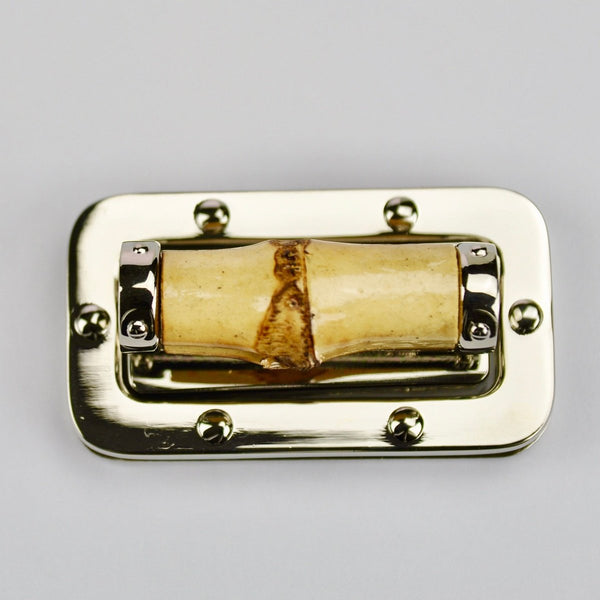
Selecting the right silver leather hardware is a balance of physics and aesthetics. A heavy-duty buckle looks out of place on a delicate clutch, just as a thin zinc D-ring will fail on a 4mm bridle leather belt. You must match the visual weight of your hardware to the thickness of your leather. Professional results come from coordinating every component. If your buckle has a high-polish finish, your rivets and snap hooks should follow suit. Mixing different silver tones is a common mistake that breaks the visual flow. A nickel-plated rivet next to a stainless steel buckle creates a subtle, muddy clash that clients will notice, even if they can't quite name it. For those looking for a signature touch, the Bamboo collection offers unique silver accents with an organic texture that breaks the monotony of flat metal surfaces.
What You Will Need: The Hardware Installation Toolkit
Proper installation is just as important as the hardware itself. You've spent hours on your stitching; don't ruin the piece with a crooked rivet or a scratched buckle. A professional setup starts with a dedicated rivet setter kit to ensure even pressure and a clean finish. For a truly high-end look, the transition between leather and metal must be flawless. Use Tokonole and edge bevelers to burnish your edges to a glass-like shine before attaching your hardware. This prevents the leather from looking "hairy" around the metal contact points. When securing hardware tabs or lining, a reliable adhesive like Ecostick 1804 provides a permanent bond that won't peel over time. It's these small technical details that separate a handmade item from a masterfully crafted one.
Design Guide: Silver Hardware for Bags and Belts
Different projects demand different hardware priorities. When choosing leather for belts, the buckle is the centerpiece. It needs to be robust enough to handle daily tension. Look for solid brass bases with premium silver plating for the best mix of weight and durability. For leather for bags, the focus shifts to structural integrity and focal points. D-rings and snap hooks bear the weight of the contents, so stainless steel is often the best choice for strap attachments. Use silver studs or unique closures to draw the eye to the design's architecture. When working with silver leather hardware, remember that cool tones pair best with black or deep blue leathers to maintain a quiet luxury feel. It's about letting the hardware act as a refined accent rather than a loud distraction.
Sourcing the Best Silver Fittings for Your Professional Craft
Finding the perfect silver leather hardware often feels like a choice between low-quality hobbyist supplies or massive wholesale orders. At Hab-To, we've removed that barrier. We serve as a premier source for professional crafters by offering a curated collection of over 400 silver-finish items with no Minimum Order Quantity (MOQ). This allows you to experiment with high-end finishes for a single project without the burden of excess stock. Our sourcing is rooted in 160 years of family tradition, ensuring that every rivet and buckle meets a standard worthy of your labor. Mike personally selects each piece to ensure it complements the premium Italian hides we stock, bringing 25 years of hands-on expertise to the curation process. It's about providing the same quality used by major fashion houses to the independent maker.
Standout Products from the Silver Collection
Navigating a catalog of 400 items can be daunting, but a few staples define our professional range. Our premium silver-plated roller buckles are a favorite among belt-makers for their smooth action and substantial weight. They provide a satisfying "click" and a level of durability that cheaper alternatives lack. For those focused on luxury handbags, our heavy-duty silver snap hooks are engineered to provide security without sacrificing elegance. These hooks are designed to withstand the daily tension of a fully loaded bag. If you're looking for something more architectural, the Bamboo Series offers silver hardware with a unique, textured aesthetic that serves as a statement piece on any design. These aren't just components; they're the jewelry that completes your craft.
Expert Advice and Personalized Service
We believe that a supplier should be a partner in your creative process. If you're unsure which buckle weight best suits a specific panel of Badalassi Pueblo, you don't have to guess. Mike offers free video consultations to help you select hardware that matches your project's technical and aesthetic requirements. This personalized approach ensures you get the right fit the first time. You can order single panels of leather alongside your hardware, making us a true one-stop shop for your atelier. This convenience is vital for makers who need to manage their overhead while maintaining high standards. Whether you're a seasoned professional or a dedicated maker, our goal is to provide the reliable sourcing you need to grow your brand. We ship from our EU-based warehouse with a 24 to 48 hour delivery window, so your production never has to wait.
Shop the full Silver Hardware Collection here
Elevate Your Craft with Premium Silver Finishes
Masterful leatherwork depends on the harmony between hide and hardware. By understanding the visual spectrum of silver tones and the structural needs of your project, you ensure every piece survives heavy use while maintaining its high-end appeal. Silver leather hardware isn't just a functional necessity; it's a design choice that signals modern sophistication and a deep respect for the craft. Whether you're matching a buckle to the cool tones of navy leather or selecting a robust snap hook for a luxury handbag, the right component defines the soul of the finished piece.
You don't have to navigate these technical choices alone. With 160 years of family expertise and Mike's direct guidance, you have a partner who understands the intricacies of the trade. Our no-minimum-order policy ensures that even the smallest atelier can access the same premium quality as the world's leading fashion houses. It's time to let your work shine with the crisp, professional finish it deserves.
We're here to help you select the components that turn a good project into a legacy piece. Reach out for a consultation or explore our curated sets to find exactly what your next masterpiece requires.
Frequently Asked Questions
Does silver leather hardware tarnish over time?
High-quality silver leather hardware resists tarnishing thanks to advanced electroplating, but it isn't completely immune. Over years of use, silver can develop a soft patina as it reacts with the air. You can maintain the original brilliance by using a soft polishing cloth. Unlike cheap alloys that peel or flake, premium plated brass or stainless steel components maintain their structural integrity even if the surface finish matures slightly over time.
What is the difference between a silver finish and a nickel finish?
The main difference lies in the visual undertone and the metal's warmth. Silver finishes are "white" and cool, providing a sharp contrast against dark leathers like black or navy. Nickel finishes have a subtle yellow-grey undertone that feels warmer and more vintage. While they look similar at a glance, mixing them on one project often creates a muddy appearance. Always check your hardware under natural light to ensure a consistent look across your project.
Can I use silver hardware on heavy-duty vegetable-tanned leather?
You can absolutely use silver hardware on heavy-duty vegetable-tanned leather, provided you choose the correct base metal. For thick bridle or harness leathers, we recommend solid brass with silver plating or stainless steel. These materials offer the tensile strength needed to handle the tension of a 4mm strap. Avoid lightweight zinc alloys for load-bearing components, as they may snap under the pressure of dense, high-quality hides.
How do I choose the right size buckle for my leather strap?
To choose the right buckle size, you must match the internal width of the buckle to the exact width of your leather strap. If you're using a 38mm strap, you need a 38mm buckle. A common mistake is choosing a buckle based on its external dimensions. For professional results, ensure the strap fits snugly within the buckle's frame without being pinched, allowing the tongue to sit flat against the leather surface.
Is stainless steel hardware better than silver-plated brass?
Neither is objectively "better," as the choice depends on your specific project goals. Stainless steel is the ultimate choice for corrosion resistance and industrial strength, making it perfect for pet gear or outdoor equipment. Silver-plated brass is often preferred for high-end handbags because it offers a heavier, more luxurious hand-feel. Brass is also easier to cast into intricate, decorative shapes, while steel is prized for its indestructible nature and neutral tone.
What tools do I need to install silver rivets and snap hooks?
Proper installation requires a few essential tools to avoid damaging the silver finish. You will need a dedicated rivet setter kit and a poly or rawhide mallet to prevent metal-on-metal scratching. Pricking irons and a sharp knife are necessary for preparing the leather. For a clean transition, we also recommend using Tokonole to burnish the edges around the hardware contact points.
Does Hab-To offer silver hardware with no minimum order?
Yes, we provide our entire collection of over 400 silver items with no minimum order quantity. We understand that professional crafters and hobbyists often need small batches for custom commissions or prototypes. You can buy a single buckle or a small pack of rivets alongside single panels of leather. This flexibility allows you to manage your inventory effectively while still accessing the same high-tier materials used by large-scale manufacturers.
Can I mix silver hardware with gold or brass on the same project?
While traditional rules suggest sticking to one finish, mixing silver with gold or brass can create a bold "mixed metal" aesthetic. This approach works best when the metals are used intentionally as contrasting focal points rather than accidental inclusions. If you decide to mix finishes, ensure the quality of the plating is consistent across all pieces. For most professional projects, a unified silver leather hardware look provides a cleaner, more cohesive appearance.
Disclaimer
All our blog articles are made for information purposes only we dont take responsability for any content from third parties.