
What is Latigo Leather? The Artisan’s Guide to Durability and Craft
Quality matters. Your materials define your legacy. Most makers reach for Latigo leather when they need a strap that won't quit. It's the undisputed heavyweight of the equestrian world. You want that perfect balance of flexibility and rugged strength. I've seen too many artisans struggle with high shipping costs and customs fees just to get a decent hide from overseas. It's a frustration that slows down your craft and eats your margins.
I understand the need for a material that stands up to the elements without sacrificing its soul. In this guide, you'll discover the technical properties of Latigo leather and how it compares to traditional harness or bridle hides. We'll also address the confusion surrounding tanning methods. With EU REACH regulations now strictly limiting Chromium VI to less than 3 mg/kg, choosing the right tanning process is about more than just aesthetics; it's about safety and sustainability. I'll show you how to source premium, 100% vegetable-tanned alternatives right here in Europe with no minimum order. You'll learn how these hides perform in the workshop and the best ways to finish those edges for a professional result.
Key Takeaways
- Understand the unique "dual-tan" feel that provides Latigo Leather with its legendary balance of rugged durability and immediate suppleness.
- Learn how to differentiate between Latigo, Bridle, and Harness leathers based on surface finish and specific load-bearing requirements.
- Discover essential workshop tips for cutting, skiving, and punching holes in oily, high-performance hides without damaging the grain.
- Identify why 100% vegetable-tanned alternatives are the superior choice for meeting modern EU safety standards and sustainability goals.
- Find out how to source premium, artisan-selected leather panels in Europe with no minimum order quantity to suit any project size.
What is Latigo Leather? Strength Meets Suppleness
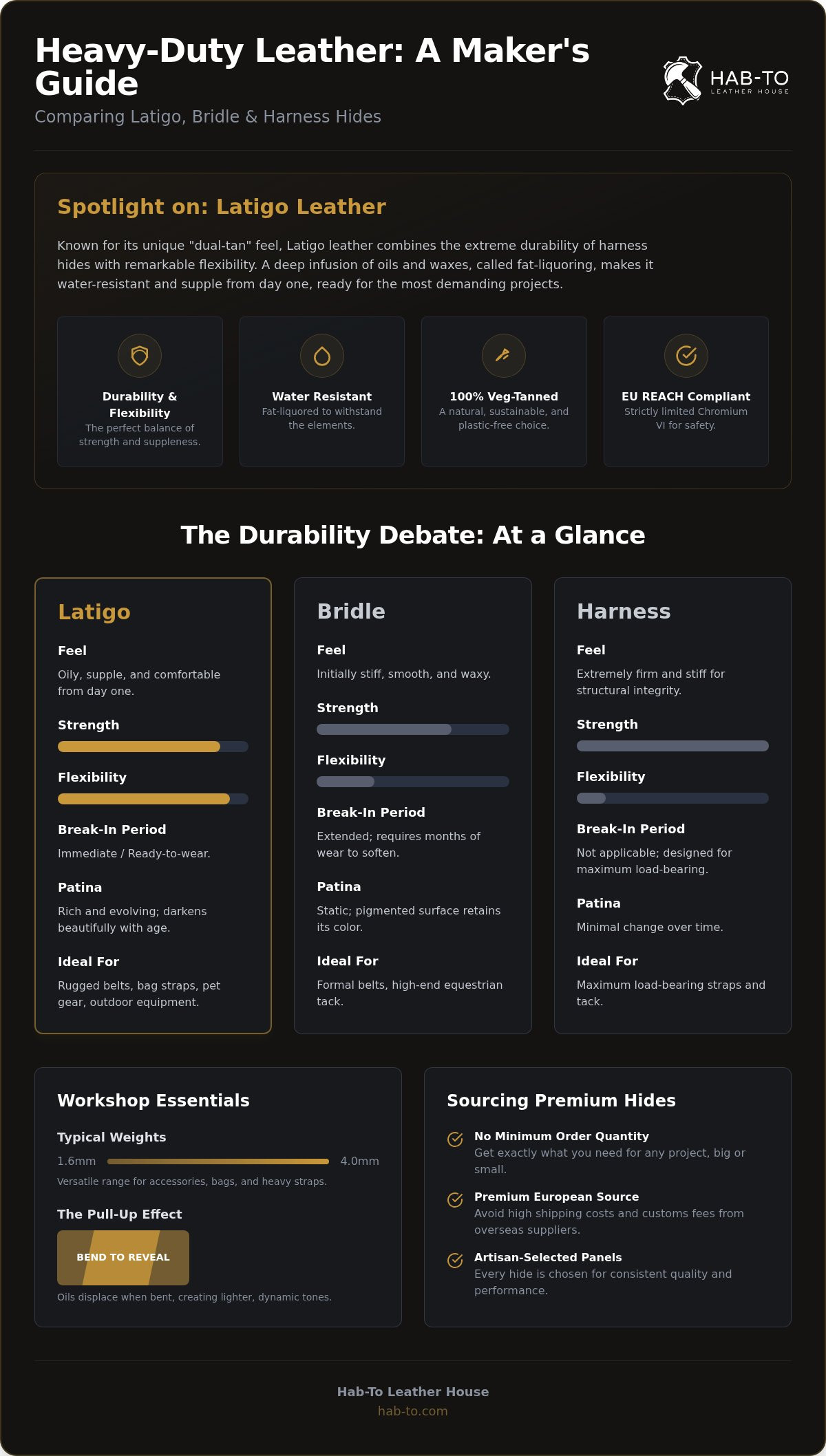
To understand What is Latigo Leather?, you must look at its purpose. It's a high-strength, multi-stage tanned hide designed to survive the harshest conditions on a ranch. Traditionally, Latigo Leather is known for its "dual-tan" feel. It combines the extreme durability of harness leather with a flexibility reminiscent of heavy garment hides. This unique character comes from a deep infusion of oils and waxes. This process, called fat-liquoring, makes the leather water-resistant and supple from the moment you touch it. It's a material that feels alive and ready for work.
Our Amsterdam-based workshop focuses on sustainability and the purity of the craft. While many industrial versions are combination-tanned using chromium, we strictly provide 100% vegetable-tanned alternatives. This ensures a cleaner, plastic-free craft that respects the environment. Mike's 160-year family heritage has taught us that natural tanning methods provide superior performance. Choosing this route avoids the risks associated with Chromium VI, which EU REACH regulations now strictly limit to under 3 mg/kg. We make no concessions on safety or quality in the hides we select for you.
To better understand this concept, watch this helpful video:
The History of Latigo in Craft
The name itself tells a story. Latigo means whip in Spanish. Its origins lie in Spanish saddlery, where vaqueros needed straps that could take a beating without snapping. These makers needed cinches and latigos, the namesake straps, that could withstand sweat, salt, and constant tension. Over decades, this utility gear evolved into a staple for modern artisans. Today, you'll find it in high-end fashion accessories and rugged outdoor gear. It's the perfect choice for any item that faces the elements, from heavy-duty belts to pet gear that gets dragged through the mud.
Technical Specs: Weight and Feel
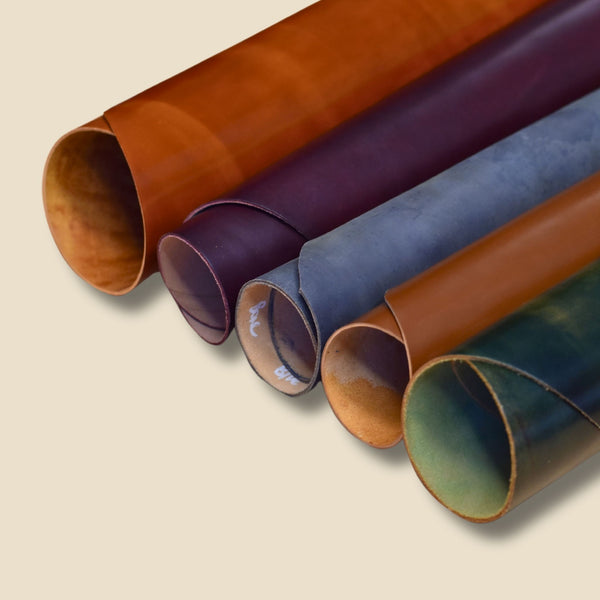
You'll typically find Latigo in weights ranging from 1.6mm for smaller accessories up to 4.0mm for heavy bag straps. The hand of the leather is firm but not rigid. It has a beautiful natural pull-up effect. When you bend high-quality oily hides, the oils displace and create lighter tones in the leather. This adds a rich, living character to your work that only gets better with age. Our premium cow hides are selected to ensure this effect is prominent and consistent across every panel you buy.
Latigo vs. Bridle vs. Harness Leather: The Durability Debate
Choosing the right material for a heavy-duty project is a balance of aesthetics and physics. You need a hide that handles tension without snapping. Most makers get stuck between three main choices. Each has a specific role in the workshop. Bridle leather is known for its smooth, waxy surface and high-shine finish. It's the standard for formal belts. Harness leather is the stiffest, designed for maximum load-bearing. Latigo Leather occupies a unique middle ground. It offers the tensile strength of harness gear but with an oily suppleness that makes it comfortable from day one.
The break-in period is where the difference becomes clear. Bridle leather can feel like a wooden board until it's been worn for months. Latigo is often 'ready to wear' immediately. This is due to the fat-liquoring process. The oils stay deep in the fibers. This prevents the leather from becoming brittle in cold weather. Artisans often debate the merits of Latigo vs. Bridle vs. Harness Leather when planning a new line. For items that touch the skin, like dog collars or bag straps, the comfort of an oily hide is hard to beat.
Patina is another factor. Pigmented Bridle hides often keep their color for years. They look static. Our vegetable-tanned Latigo Leather ages with your customers. It absorbs the oils from their hands and exposure to sunlight. It darkens and richens over time. If you're still deciding which feel is right for your brand, exploring our leather crafting bundles is a great way to compare panels side-by-side.
Choosing the Right Hide for Your Project
Match the hide to the mission. Use Latigo for pet gear, outdoor bags, and heavy-duty straps. It resists salt and moisture better than most. Choose Bridle when you need a high-polish, professional look for formal accessories. Harness is your go-to for traditional saddlery where weight bearing is the only priority. Latigo's versatility makes it a favorite for modern boutique makers who want a rugged but refined finish.
Weather Resistance and Maintenance
Maintenance is simpler with oily hides. The internal oils act as a permanent barrier against the elements. You don't have to reach for the conditioner every time it rains. In fact, over-conditioning can make the leather too soft. A simple wipe-down is usually enough. For those looking for sustainable alternatives that offer similar weather resistance, our Olivenleder collection uses olive leaf extracts to achieve a durable, water-resistant finish that respects the environment.
Practical Applications: From Horse Tack to Modern Accessories
Latigo leather has moved beyond the dusty trails of the American West. Its history is tied to the saddle. In equestrian sport, it remains the standard for reins and cinches because it doesn't snap under the weight of a horse. These namesake straps, the latigos, gave the material its identity. Because it's saturated with oils, it handles the corrosive combination of horse sweat and grit better than standard veg-tan. Today, these same properties make it a favorite for pet accessories. If you've ever dealt with a dog collar that chafes or cracks after a rainy walk, you'll appreciate the oily suppleness of this hide. It's durable enough for a Great Dane but soft enough for a puppy's neck.
Artisans are now using these hides for more than just work gear. You can craft "lifetime" tote bags or rugged backpacks that develop a deep, personal history with the user. Even in lighter weights, like 1.6mm, Latigo leather works beautifully for watch straps or card holders. It gives small goods a rugged edge that feels substantial in the hand. You're creating something that doesn't just last; it improves with every touch.
Latigo for Belts and Straps
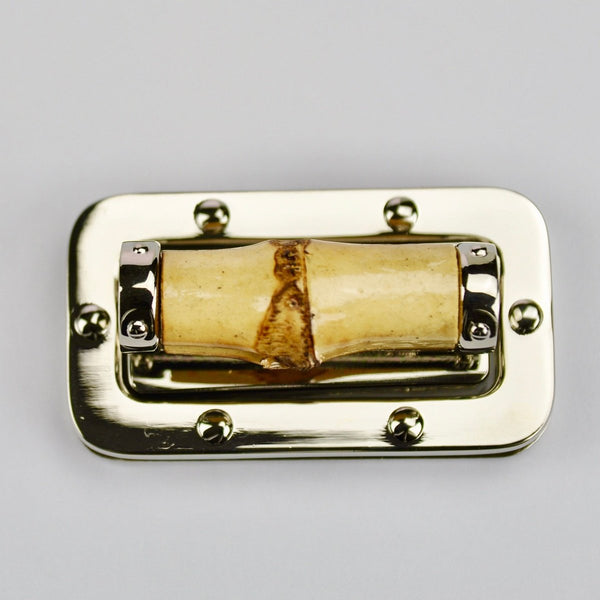
A belt is only as good as its resistance to stretching. Most leathers eventually warp around the waist. Latigo Leather provides exceptional stretch-resistance without the rigid, board-like feel of heavy harness hides. It's a comfort factor that's often overlooked. Over time, the hide actually molds to the wearer's body. It becomes a custom fit that feels better after a year of use than it did on day one. To match this durability, I always recommend pairing your straps with Solid Brass Buckles. Plastic or cheap alloys will fail long before the leather does.
Outdoor and Field Gear
If you craft for the outdoors, moisture is your enemy. For knife sheaths and tool rolls, the high oil content in these hides acts as a natural barrier. It keeps moisture away from the metal, preventing rust. It's also the gold standard for camera straps. You need strength you can trust when carrying expensive lenses, but you don't want a rough strap cutting into your neck. The soft "hand" of this material provides that security with immediate comfort. For those looking to start a larger project, our collection of Leather for Bags offers the perfect starting point for your next rugged carry-all.
Working with Latigo: Essential Tools and Finishing Techniques
Working with Latigo Leather requires a shift in your workshop technique. The same oils that provide legendary weather resistance also create physical resistance for your tools. If your knife isn't razor-sharp, it'll drag through the fibers rather than slicing them. This leads to jagged edges and uneven skives that ruin the look of a premium strap. I've found that a sharp blade is your best friend when handling fat-liquored hides. It's the difference between a clean professional finish and a struggle that wastes expensive material.
Punching holes presents another unique challenge. Because of the high wax content, the leather has "self-healing" tendencies. You might punch a clean hole only to find it's tightened up by the time you reach for your needle. I recommend using a slightly larger awl or punch than you would for dry vegetable-tanned hides. For stitching, don't settle for thin thread. Heavy-duty hides need a thread weight that matches their visual weight. A thick, waxed polyester or linen thread ensures the seams are as durable as the leather itself.
What You Will Need
- Precision knives and skivers from the Hab-To Tools Collection
- Tokonole for achieving a professional, deep-gloss edge
- Pricking irons and heavy-duty needles designed for thick straps
- Ecostick 1804 for a secure bond on oily surfaces
The Secret to Perfect Latigo Edges
Many artisans struggle to get a shine on Latigo Leather. The oils naturally resist the friction heat needed for traditional burnishing. The secret is in the preparation. You must sand through the surface oils to reach the fibers. I recommend a multi-grit approach, starting with 240 grit and working up to 800. This creates a smooth, uniform foundation that allows your finishing products to penetrate the grain.
Once you've sanded the edge, apply a thin layer of Tokonole. Use a bone folder or a glass slicker rather than a wooden burnisher for more control. The glass provides consistent pressure that helps compress the fibers without overheating the internal waxes. It takes more patience than standard veg-tan, but the result is a glass-like finish that won't fray or dull over time. It's a hallmark of true craftsmanship.
Sourcing Premium Latigo Leather in Europe with No MOQ
Finding a reliable supplier for Latigo Leather in Europe has historically been a challenge for many artisans. Most makers feel forced to import from the US, which often leads to high shipping costs and unpredictable customs fees. At Hab-To Leather House, we've eliminated those barriers. Based in Amsterdam, we offer premium hides with fast 24 to 48-hour delivery across the EU. You don't have to worry about hidden taxes or long delays. We're here to support your craft with transparency and speed.
Our approach is built on a 160-year family heritage. Mike personally selects every hide to ensure it meets our strict standards for quality and character. He doesn't just look for clear grain; he looks for the right oil penetration and the specific "hand" that makes this material so famous. We understand that not every project requires a full hide. That's why we have a strict "no minimum order quantity" policy. You can buy exactly what you need, whether it's small panels for testing or full shoulders for a production run. This flexibility allows you to manage your inventory without a massive upfront investment.
Sustainability is at the heart of everything we do. While traditional Latigo is often combination-tanned, we exclusively provide 100% vegetable-tanned alternatives. It's better for your health, your workshop, and the planet. This commitment ensures your work remains free from harmful chemicals like Chromium VI, which is strictly regulated under EU REACH laws. You're not just buying leather; you're investing in a legacy of responsible craftsmanship that respects the environment as much as the tradition.
Personalized Service for Every Crafter
We believe in direct contact and helping you avoid expensive mistakes. If you're unsure about which weight is right for your specific design, you can Book a call for a free 1-on-1 video consultation with Mike. He'll guide you through the selection process based on his decades of experience in the trade. If you happen to be in the area, our Amsterdam showroom is always open for a personal visit. There's no substitute for the touch-and-feel of a premium hide before you make your choice. We're here to act as your mentor, not just your wholesaler.
Related Reading & Next Steps
Ready to start your next project? Browse our curated collections of premium Cow Hide and dedicated Leather for Belts to find the perfect match for your artisan vision.
Master Your Next Project with Premium Hides
Mastering the use of Latigo Leather transforms your workshop results. It's a material that bridges the gap between rugged utility and refined luxury. You've learned how its unique oil content provides weather resistance and how the right finishing techniques create a glass-like edge. Now, it's time to put that knowledge into practice. I've seen how the right hide can elevate a simple strap into a legacy piece. It's about more than just durability; it's about the character the leather develops over years of use.
Our 100% Vegetable Tanned Guarantee ensures you're working with hides that are safe for you and the planet. Mike's 25 years of expertise are always at your disposal if you need guidance on weight or feel. We've removed the hurdles of international shipping and high minimums. With 24 to 48-hour delivery within the EU, your next masterpiece is only a few days away. You've got the tools and the technique; all that's left is the material.
Don't let logistics slow down your creativity. Whether you're crafting a custom dog collar or a full line of outdoor bags, we're here to provide the expert-selected hides you need. Your journey toward better craft starts with a single, quality panel. Let's build something that lasts.
Frequently Asked Questions
Is Latigo leather 100% vegetable tanned?
While traditional versions of this hide often use a combination tanning process, the Latigo Leather we provide is 100% vegetable-tanned. We maintain a strict policy against chrome-tanned or synthetic materials in our warehouse. This ensures you receive a material that is safe for your skin and the environment. It retains all the legendary durability of the original equestrian hides without using harmful chemicals like Chromium VI.
Does Latigo leather stretch over time?
This material is specifically engineered for stretch resistance. Its history in saddlery required straps that could handle immense tension without failing or warping. While it will mold slightly to a wearer's body, it won't lose its structural integrity like softer garment leathers. This makes it the perfect choice for items that need to maintain their exact dimensions under constant load or pressure.
Can I use Latigo leather for making belts?
Yes, it is one of the most popular choices for high-end, heavy-duty belts. The high oil content makes the belt comfortable to wear immediately, while the dense fibers ensure the buckle holes don't elongate over time. You get a rugged, professional look that ages beautifully. We recommend pairing it with solid brass hardware to create a product that truly lasts a lifetime for your customers.
What is the best way to clean Latigo leather gear?
Cleaning is straightforward because the oils already act as a natural barrier. Start by wiping away surface dirt with a damp cloth. For a deeper clean, use a pH-neutral soap designed for vegetable-tanned hides. Avoid soaking the material in water. Regular maintenance with a specialized food, like the Olivenleder care range, helps keep the internal fibers supple and prevents the waxes from drying out during storage.
How do I burnish the edges of oily Latigo leather?
Burnishing requires a bit more preparation than standard dry hides. You must sand the edges through several grits to reach the fibers beneath the surface oils. Once you have a smooth foundation, apply a layer of Tokonole and use a glass slicker. The friction heat helps the finish bond with the internal waxes. This creates a glass-like edge that won't fray even with heavy daily use.
Is Latigo leather waterproof?
No leather is entirely waterproof, but this hide is exceptionally water-resistant. The deep infusion of fats and waxes during the tanning process naturally repels moisture and salt. It was originally designed to survive sweat and rain on the ranch. While it can handle a downpour, you should always allow it to air dry naturally at room temperature if it gets soaked through during an outdoor adventure.
Why is Latigo leather more expensive than standard veg-tan?
The price reflects the intensive multi-stage tanning process and the volume of premium oils used. It takes longer to produce than a standard hide and requires specialized equipment to infuse the fat-liquors deep into the grain. You're paying for a material that is both stronger and more flexible than basic vegetable-tanned options. This investment pays off in the longevity and premium feel of your finished artisan goods.
Can I buy small panels of Latigo leather for testing?
Yes, we support crafters of all sizes by offering small cuts and panels. We have a strict no minimum order quantity policy at our warehouse. This allows you to test different weights or colors for your specific design without the need to purchase a full hide. It's an excellent way to experience the quality of our Latigo Leather before committing to a larger production run for your brand.
Disclaimer
All our blog articles are made for information purposes only we dont take responsability for any content from third parties.