

What is Bridle Leather? The Artisan’s Guide to Traditional Quality
What if that mysterious white film on your new hide isn't a sign of mold, but the hallmark of the finest leather money can buy? Many crafters feel a surge of panic when they first encounter "bloom," yet this waxy residue is actually the secret to the material's legendary longevity. If you've ever found yourself asking what is bridle leather and how it differs from similar hides like harness leather, you aren't alone. It's a material defined by tradition, engineered for the most demanding equestrian uses, and prized by artisans for its smooth, high-gloss finish.
I understand the confusion that comes with sourcing premium materials, especially when you're looking for small quantities without the headache of massive minimum orders. In this expert-led guide, I'll take you through the heritage and tanning secrets of bridle leather, showing you why it remains a staple for professional crafters. You'll discover the unique properties that set it apart, the specific tools you'll need to master it, and how to find the best cuts right here in the EU. From the tannery to your workbench, let's explore the traditional quality that defines this exceptional leather.
Key Takeaways
- Understand what is bridle leather by exploring its equestrian heritage and why its high-wax finish makes it the gold standard for durability.
- Learn the secrets of the "hot stuffing" tanning process and how deep-penetrating oils protect fibers from snapping under pressure.
- Distinguish between bridle and harness leather to ensure you choose the right level of refinement or ruggedness for your specific project.
- Master professional finishing techniques, from managing the waxy "bloom" to achieving a mirror-shine edge using the right tools like Tokonole.
- Discover how to source premium, artisan-grade hides from world-renowned tanneries like Conceria Virgilio without worrying about minimum order quantities.
What is Bridle Leather? Defining the Gold Standard
Bridle leather represents the pinnacle of functional luxury in the world of tanning. It's a premium, full-grain vegetable tanned hide that's been specifically engineered to balance immense strength with a refined aesthetic. If you're wondering what is bridle leather at its core, it's a material that refuses to compromise. While many modern leathers are produced for speed, bridle is a slow-crafted product that values durability over everything else. This leather was originally created for horse bridles and heavy equestrian tack. In that world, a snapped strap isn't just an inconvenience; it's a safety hazard. Consequently, tanners developed a process that ensures the leather can withstand the rigors of daily outdoor use while maintaining its shape.
At Hab-To, we exclusively stock vegetable tanned versions of these hides. We avoid chemical chrome tanning entirely. We believe the tradition of using natural tannins from tree bark is the only way to respect the material and the artisan's craft. This dedication to quality ensures that every hide we provide supports both your creative vision and a more sustainable approach to leatherworking.
The Core Characteristics of English Bridle
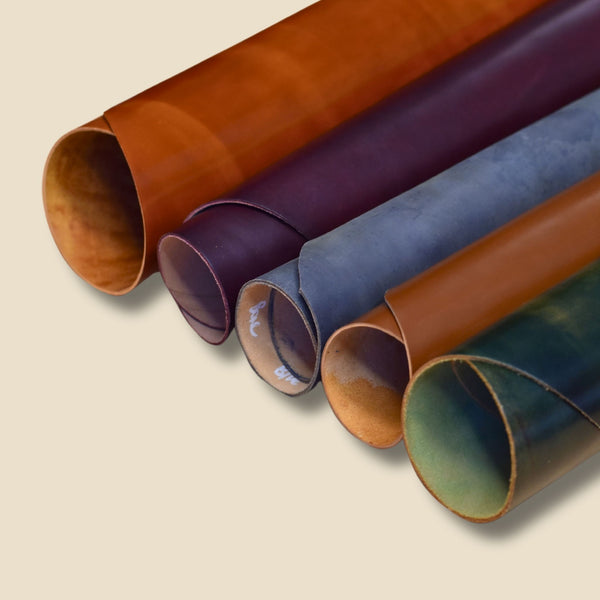
When you hold a piece of English bridle, you'll immediately notice its substantial feel. It possesses a smooth, waxy surface that's both tactile and visually striking. One of its most vital traits is incredible tensile strength. Unlike softer leathers that might grow baggy over time, bridle won't stretch or deform under pressure. This makes it the ideal choice for belts or bag straps that need to last a lifetime. Over years of use, it develops a deep, rich color and a unique patina that standard hides simply can't replicate.
Why Artisans Choose Bridle Over Standard Veg-Tan
Many leatherworkers prefer bridle because it arrives 'ready to use' on your workbench. Standard vegetable tanned leather often has a rough, fibrous flesh side that requires heavy pasting or lining. Bridle leather, however, is finished on both the grain and the flesh side. The back of the hide is already smooth and pasted, which saves you hours of labor. It also offers superior weather resistance compared to dry tanned hides. Because it's saturated with waxes during the tanning process, it naturally repels moisture and resists cracking. This commitment to quality is something we take personally. You can learn more about our 160 years of family history on our About page. Choosing bridle means choosing a material that has been perfected over centuries.
The Tanning Secret: Hot Stuffing and Waxy Finishes
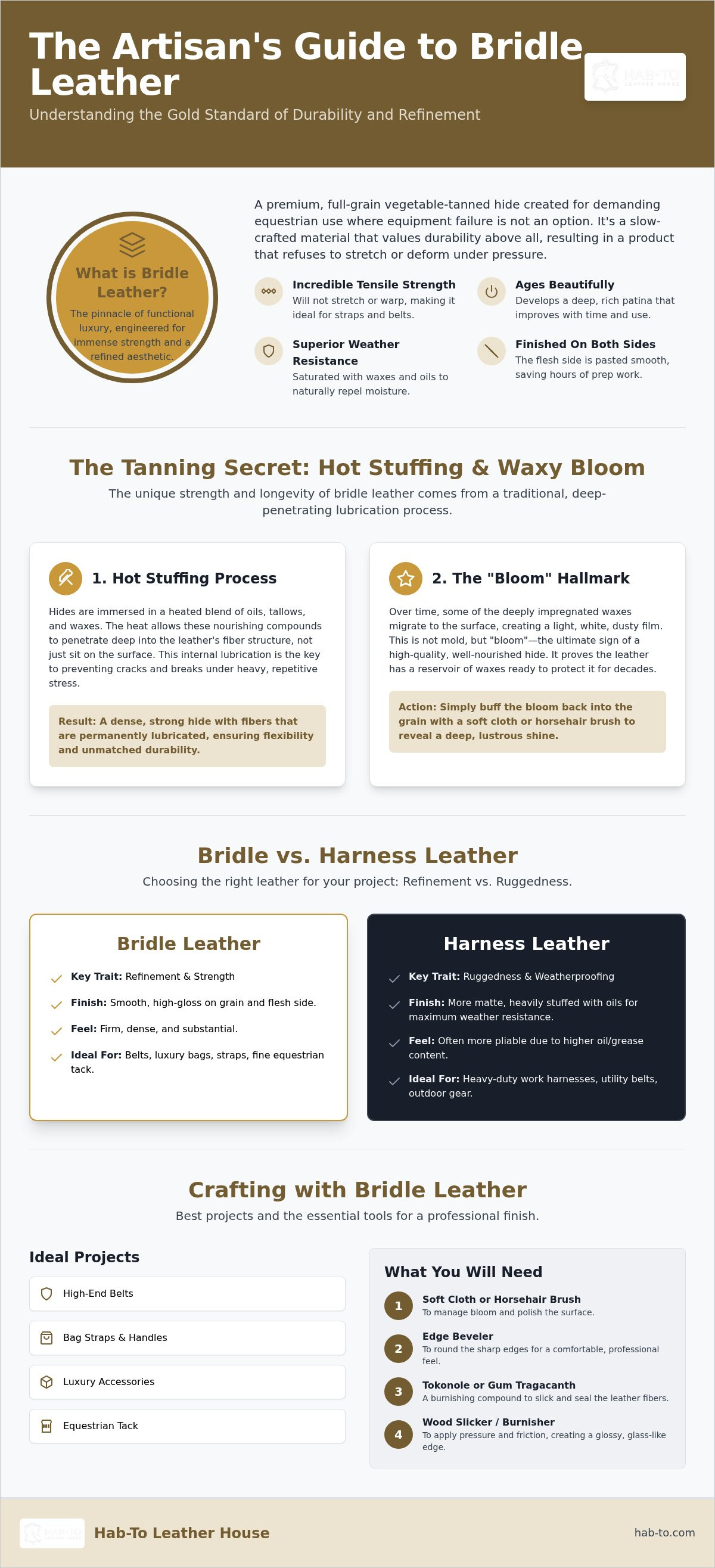
The secret behind the enduring strength of bridle leather lies in a process called "Hot Stuffing." This isn't a simple surface treatment. Hides are impregnated with a rich blend of oils, fats, and waxes at high temperatures. The heat allows these lubricants to penetrate deep into the dense fibers of the full-grain hide rather than just sitting on top. This internal lubrication is what prevents the leather from snapping or cracking, even when it's subjected to the heavy tension and constant movement required for horse tack. Traditional tanneries still favor tallow for this step. Animal fats provide a level of nourishment and longevity that synthetic alternatives simply can't match. It's this deep saturation that defines what is bridle leather in a technical sense.
When you first unroll a premium hide, you might notice a white, dusty powder on the surface. Don't reach for the return label. This is known as "bloom," and it's the ultimate sign of quality. It occurs when the waxes from the hot stuffing process migrate to the surface. You can simply buff it back into the grain with a soft cloth or a horsehair brush to reveal a deep, lustrous shine. This waxy reservoir ensures the leather remains supple for decades, even in harsh conditions. Grasping this chemical interaction is essential for anyone learning what is bridle leather and how to care for it properly.
Vegetable Tanning: The Only Way to Make Bridle
True bridle leather must be vegetable tanned. We use plant-based tannins derived from oak, mimosa, or chestnut bark to achieve the necessary density. These natural ingredients create a firm, compact fiber structure that holds onto the oils during the hot stuffing process. Choosing veg-tan isn't just about tradition; it's about avoiding the harsh chemicals found in chrome-tanned alternatives. This makes your craft more sustainable and ensures the leather ages with a genuine patina. If you're interested in the technical side of horse-grade materials, check out our guide on Equestrian Leathers.
From Pit to Workshop: The Time-Intensive Journey
Producing a single hide takes months. It's a slow, rhythmic journey through tanning pits that explains the premium price point. Every stage is labor-intensive, especially the manual pasting of the flesh side. This hand-finishing creates that glassy, smooth back that artisans love. Mike spends a significant amount of time visiting our partner tanneries to hand-select the hides that meet our standards. We want to ensure that the material on your workbench is nothing short of exceptional. If you're ready to start your next project with these professional materials, explore our curated leather bundles to find the perfect cut.
Bridle vs. Harness Leather: Understanding the Differences
While both leathers share an equestrian lineage, they serve very different masters. When you ask what is bridle leather in comparison to harness, you're really asking about the balance between refinement and raw utility. Both are vegetable tanned and hot stuffed with waxes, but the intensity of that stuffing varies. Harness leather is saturated with a significantly higher oil content. It's built to survive 24/7 exposure to mud, sweat, and rain in a field. Bridle leather is also durable, but it's finished to a much higher aesthetic standard. It's the "dress suit" of the heavy leather world.
The aesthetic differences are immediately apparent on your workbench. Bridle leather is refined. Once you buff away the bloom, it reveals a high-shine, mirror-like finish that looks elegant on a shop shelf. Harness leather is more rugged. It has a matte, often slightly oily feel and is prone to showing more natural range marks. This high oil content in harness also affects the temper. Bridle has a firm, stiff "snap" when you flex it. Harness is often more pliable and "mushy" because the excess oils break down the natural stiffness of the hide fibers.
Choosing between them depends entirely on your project's environment. If you're building a belt that needs to look crisp with a suit, bridle is the winner. If you're making gear for a bushcraft enthusiast who will be dragging their equipment through a swamp, harness might be the better tool for the job. Just remember that harness can sometimes "bleed" oil onto light-colored clothing, whereas bridle is much cleaner for daily wear.
The Best Use Cases for Bridle Leather
I always recommend bridle for luxury belts that need to hold their shape for decades. Its firm temper ensures the buckle holes won't "oval" or stretch out under constant tension. It's also the gold standard for high-end bag straps and handles. Because the flesh side is pasted smooth, it feels comfortable against the skin and won't snag on delicate fabrics. For pet accessories like collars and leashes, it provides the perfect mix of immense tensile strength and weather resistance without sacrificing that premium, polished look.
When to Consider Alternatives like Pueblo or Vacchetta
Sometimes the formal, smooth look of bridle isn't what the design calls for. If you want a more rustic, textured appearance that develops a dramatic patina, reach for Badalassi Pueblo. Its unique, stone-ground surface is world-renowned for a reason. If your project is a large handbag that needs to drape and move, bridle might be too stiff for the main panels. In those instances, choosing Maryam Vacchetta provides a softer, more supple body while still offering that legendary Italian vegetable-tanned quality.
Crafting with Bridle: Best Projects and 'What You Will Need'
Working with this material requires a different mindset than your average project. When you understand what is bridle leather from a tactile perspective, you realize the density of the fibers and the wax saturation demand absolute precision. Cutting through those layers isn't like slicing through standard veg-tan. You need a razor-sharp blade to prevent the knife from dragging or catching on the internal waxes. If your blade is even slightly dull, you'll feel the resistance immediately. A clean, decisive stroke is essential to keep the wax layers from bunching at the cut line.
Edge finishing is where bridle truly rewards the artisan. Because of the high wax content we discussed in the hot stuffing process, the edges burnish to a mirror shine significantly faster than other leathers. You aren't just friction-heating the fibers; you're essentially polishing the internal waxes into a glassy, waterproof seal. Stitching also requires intent. The firm temper doesn't give way easily, so high-quality needles are a must to penetrate the hide without bending. Maintenance is equally straightforward. If the leather begins to look dull or the "bloom" returns, simply buffing the surface with a soft cloth brings the waxes back to the grain for a renewed luster.
What You Will Need for Bridle Projects
To get the best results with this professional-grade material, you need the right kit on your workbench. I've found that cutting corners with tools only leads to frustration when handling dense hides. Here is what I recommend for your setup:
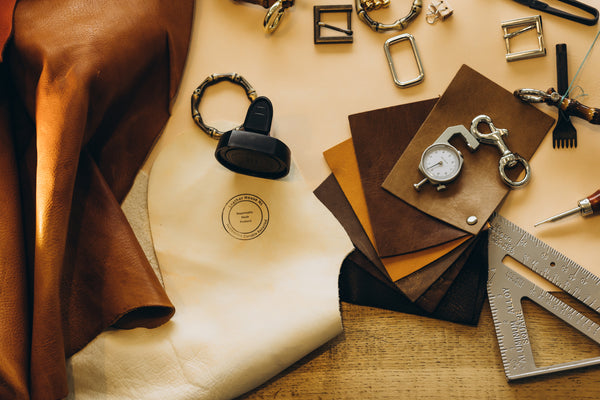
- High-quality Leatherworking Tools such as sharp bevelers and pricking irons to handle the firm temper.
- Tokonole for achieving that perfect, professional edge burnish with minimal effort.
- Strong, bonded thread and a set of John James needles to ensure your stitches stay tight and straight.
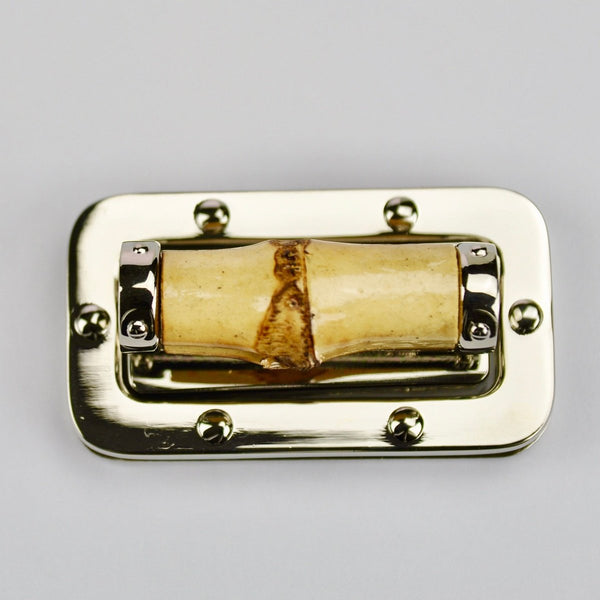
- Solid brass Hardware to match the extreme durability and "over-engineered" nature of the leather.
Project Inspiration: The Classic Bridle Belt
A single-layer bridle belt is a rite of passage for any leather crafter. It's the ultimate test of your edge finishing and stitching skills. For a belt that lasts a lifetime, I recommend choosing a weight between 3.5mm and 4.5mm. This thickness provides enough substance to feel premium without being overly bulky. It's a project that showcases the leather's ability to hold its shape for decades without stretching. If you're looking to transition these skills into larger items, our Artisan’s Guide to Handbags offers deeper insights into selecting the right weights for complex builds.
Sourcing Premium Bridle: Why Tannery Origin Matters
Not all bridle is created equal. Many beginners don't realize that "bridle" is sometimes used as a generic marketing term for any thick, waxy leather. When you ask what is bridle leather in a professional context, you're looking for a hide that hasn't been corrected with heavy paints to hide defects. Industrial versions often use inferior hides with heavily corrected grains. Artisan-grade bridle starts with the finest raw material. Conceria Virgilio is a prime example of this dedication. They're widely considered the masters of saddlery and belting leathers. Their commitment to the slow, traditional pit-tanning process ensures the leather has the fiber density required for high-stress applications. They don't take shortcuts.
Sourcing from within the EU through Hab-To means you avoid the customs headaches and unpredictable shipping delays that come with ordering from overseas. Because we operate out of Amsterdam, we can get premium hides to your workshop floor quickly. We also don't believe in barriers to entry. We make world-class bridle available in small panels with no minimum order quantity. This makes it accessible for your first belt project without requiring a massive investment in a full hide. You get the same quality as a master saddler, even if you're just starting your journey.
The Hab-To Advantage: Personalized Sourcing
I know that picking the right hide online can feel daunting. If you're still unsure which thickness or color fits your design, I'm here to help you make the right choice. We offer Free Video Consultations where we can look at the specific hides together. We pride ourselves on an efficient 24 to 48 hour delivery window for artisans who are ready to get to work. You can browse our full Leather Collection to see the latest bridle arrivals from our partner tanneries. We only stock what we would be proud to use in our own workshop.
Join the Community: Master Your Craft
Craftsmanship is a lifelong journey of learning and refinement. To help you elevate your techniques, we host specialized Masterclasses focused on everything from precision stitching to advanced bag design. It's about more than just selling leather; it's about supporting the growth of the craft community. For a daily look inside the workshop and to see how other artisans are using our bridle, follow us on Instagram. We love seeing what you create with our materials.
Elevate Your Craft with Traditional Quality
Mastering the art of leatherworking starts with a deep understanding of your materials. You've discovered that what is bridle leather goes far beyond a simple definition; it's a meticulously engineered hide that balances immense tensile strength with a refined, waxy aesthetic. From its equestrian heritage to the technical secrets of hot stuffing, this material provides the reliable foundation your most ambitious projects deserve. Whether you're burnishing edges to a mirror shine or crafting a belt meant to last decades, bridle leather offers a level of performance that standard hides simply can't match.
At Hab-To Leather House, we bring 160 years of family expertise directly to your workbench. We don't believe in barriers like high minimum order quantities, so you can source exactly what you need for your next masterpiece without unnecessary overhead. If you're still feeling unsure about which weight or finish is right for your design, I'm always available for a free video consultation to help you select the perfect cut. Your dedication to quality and tradition is what keeps this craft alive.
I'm excited to see how you use these world-class materials to push your skills to the next level. Happy crafting!
Frequently Asked Questions
Is bridle leather real leather?
Yes, it's absolutely real leather. Specifically, it's full-grain bovine hide that's been through a specialized vegetable tanning process. At Hab-To, we have a strict policy against synthetic materials, so you'll only find authentic hides here. This material is prized for its natural origin and the way it develops a unique patina. It's not a corrected grain; it's a premium material that respects the original fibers of the animal and lasts for decades.
Does bridle leather need to be conditioned?
Bridle leather doesn't need immediate conditioning because it's already saturated with oils and waxes during the "hot stuffing" process. This internal lubrication protects the fibers for a long time. You'll only need to condition it after months or years of heavy use if the leather starts to feel dry. Over-conditioning can actually ruin the firm temper, so I suggest simply buffing it with a soft cloth to bring the internal waxes to the surface.
What is the white stuff on my bridle leather?
That white powdery substance is called "bloom," and it's a hallmark of high-quality vegetable-tanned bridle. It occurs when the waxes used in the tanning process migrate to the surface. It isn't mold or a defect. In fact, it shows the hide is rich with protective fats. You can easily remove it by buffing the surface with a soft brush or cloth, which pushes the wax back into the grain for a beautiful shine.
Is bridle leather good for belts?
Bridle leather is the gold standard for belts because of its incredible tensile strength and low stretch. If you want to know what is bridle leather best used for, belts are always my first recommendation. Its firm temper ensures that buckle holes won't deform or "oval" over time. A single-layer bridle belt is durable enough to last a lifetime while maintaining a polished, professional look that standard vegetable-tanned leathers can't match.
How do you clean bridle leather without ruining the wax finish?
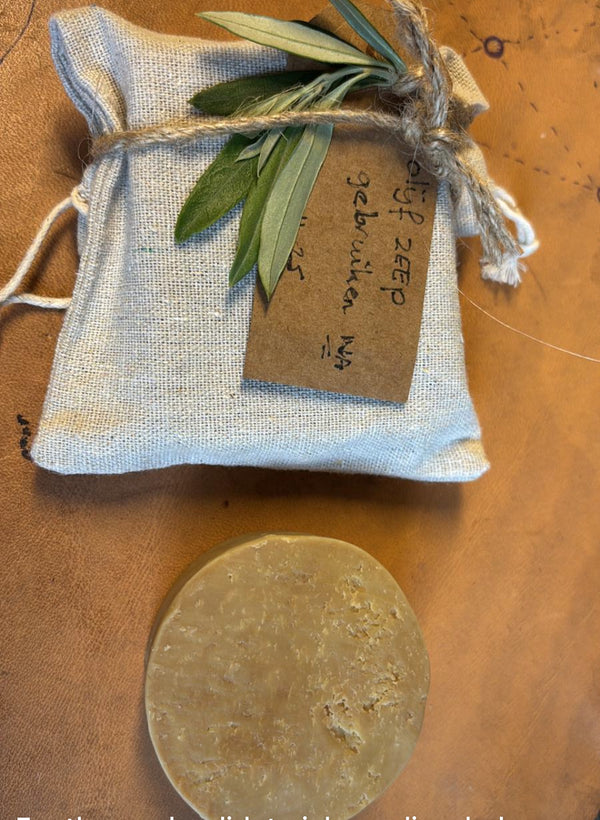
Use a slightly damp cloth to wipe away surface dirt, followed immediately by a dry cloth to prevent moisture from soaking in. If you need a deeper clean, I recommend a specialized pH-neutral soap like our Olivenleder range. Avoid harsh chemical cleaners that strip away the natural waxes. After cleaning, always buff the leather with a horsehair brush. This friction generates enough heat to redistribute the internal waxes, restoring that signature gloss finish without damaging the hide.
Can you tool or stamp bridle leather?
You can certainly stamp bridle leather with a maker's mark or decorative stamps, but it isn't ideal for deep artistic tooling. The high wax and oil content makes the leather "spring back" more than a dry-tanned hide would. If your project requires intricate carving or heavy floral tooling, I'd suggest using a more traditional carving leather like our Pueblo or Vacchetta. Bridle is built for strength and a clean, smooth aesthetic rather than decorative carving.
What is the best thickness for a bridle leather strap?
The ideal thickness depends on the project's load. For a heavy-duty belt, I suggest a thickness between 3.5mm and 4.5mm to ensure longevity and prevent stretching. If you're crafting handles for a high-end handbag, 2.5mm to 3.0mm usually offers the right balance of strength and comfort. Since we offer leather in small panels and various weights at Hab-To, you can get exactly the thickness you need for your specific strap without buying a whole hide.
Why is bridle leather more expensive than other vegetable-tanned leathers?
Bridle leather carries a premium price because it's one of the most time-intensive leathers to produce. If you consider what is bridle leather at its core, you're paying for months of pit-tanning followed by labor-intensive hot stuffing. Tanners use only the highest-grade, defect-free hides for this process. You're investing in the expensive fats and waxes that give the leather its unique properties. It's a material that won't fail under pressure.
Disclaimer
All our blog articles are made for information purposes only we dont take responsability for any content from third parties.