

Harness Leather: The Artisan’s Guide to Sourcing and Crafting High-Durability Gear
Most makers believe bridle leather is the ultimate peak of equestrian luxury, but if you want gear that survives a decade of hard labor without flinching, you're looking at the wrong hide. It's a common trap. You've likely felt the frustration of choosing a beautiful material only to watch the edges fray or the temper fail under real-world pressure. It's even more exhausting when you're forced to buy a massive, expensive hide just to test a single project. I've been there. I know the confusion that comes from staring at stacks of harness leather, bridle, and latigo while trying to spot the difference.
You deserve a material that works as hard as you do. In this guide, you'll discover why harness leather is the undisputed gold standard for durability and how to master its rugged nature in your workshop. We'll dive into the unique properties of this oil-stuffed powerhouse, identify the exact tools you need to handle those stubborn, waxy edges, and show you how to source premium panels without any minimum order requirements. It's time to stop guessing and start building gear that lasts a lifetime.
Key Takeaways
- Master the unique properties of harness leather, a vegetable-tanned material engineered with oils and waxes for unmatched durability.
- Navigate the technical differences between harness, bridle, and latigo to select the perfect hide for your specific high-wear projects.
- Uncover the traditional pit-tanning and "hot stuffing" secrets that give this leather its signature grit and resilience.
- Identify the specialized tools and finishing techniques required to work with dense, waxy hides without gumming up your equipment.
- Learn how to source professional-grade leather panels from top tanneries without being forced into high minimum order quantities.
What is Harness Leather? Strength Beyond the Saddle
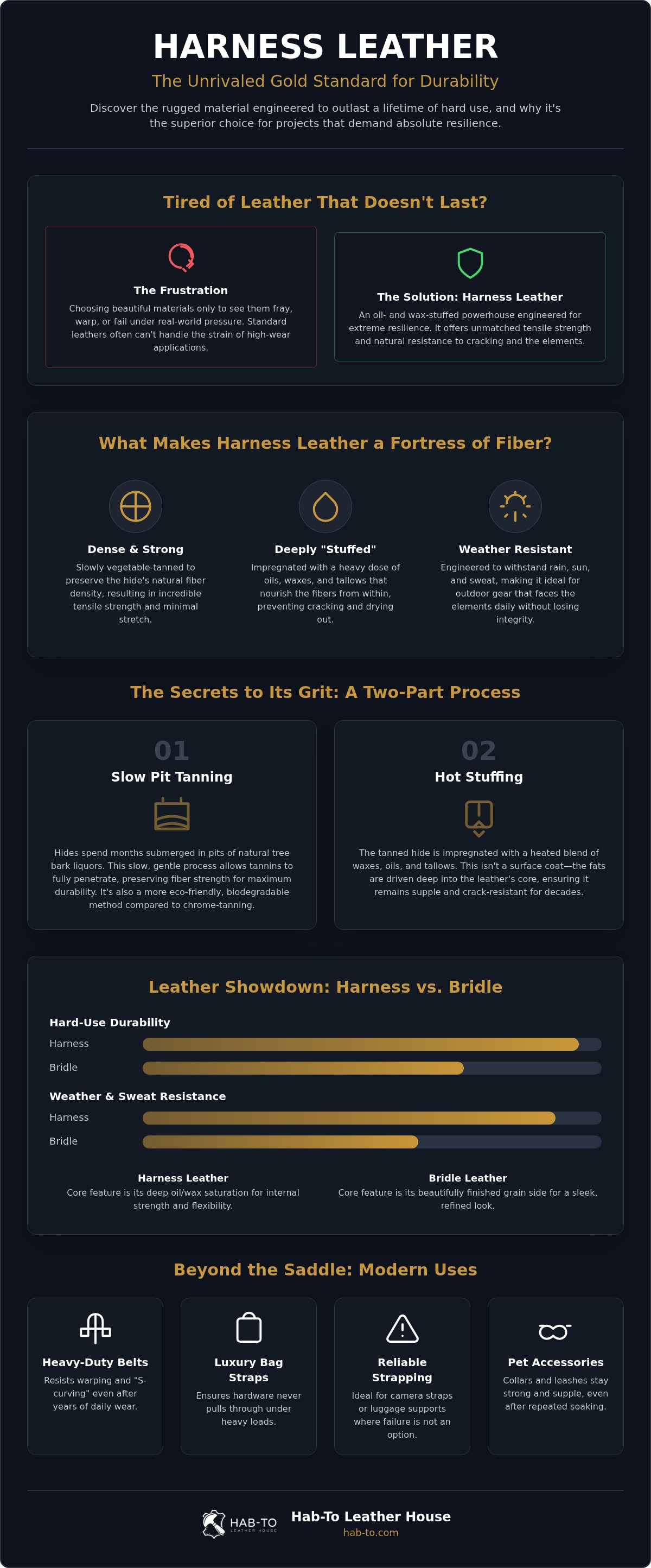
Harness leather isn't your average vegetable-tanned hide. It's a rugged, heavy-duty material engineered for extreme resilience. While standard veg-tan is prized for its carving properties, this specific leather goes through a secondary process where it's saturated with a heavy dose of oils and waxes. This makes the leather incredibly dense and gives it a distinct, tallowy feel. It's designed to be used outdoors, rain or shine, without losing its structural integrity.
The history of this material is rooted in necessity. Back when horses provided the primary power for transport and agriculture, a failure in the gear could be catastrophic. Artisans developed this leather to withstand the immense pressure and friction of a Horse harness. It had to resist the corrosive effects of animal sweat and the unpredictability of the weather. Today, that same engineering provides modern makers with a material that offers superior tensile strength and a natural resistance to cracking that dry-tanned leathers simply can't match.
The Anatomy of a Harness Hide
When you're sourcing harness leather, you'll notice it's often sold in specific cuts like bends or butts. This isn't a coincidence. The butt of the hide is the densest, most fiber-rich area, making it the only choice for applications where stretching is the enemy. I always look for that signature "pull-up" effect. When you fold or bend a high-quality harness hide, the oils migrate within the fibers, creating a beautiful, temporary lightening of the color. It's a sign that the leather is healthy, well-nourished, and ready for decades of use.
Modern Applications: From Belts to Backpacks
You don't need a horse to appreciate the qualities of this material. In my workshop, I've seen it become the premier choice for items that need to survive a lifetime of abuse. It's the gold standard for high-end leather for belts because it won't warp or "S-curve" over time. Beyond waistwear, it's perfect for:
- Luxury Bag Handles: Use it in high-stress areas of leather for bags to ensure the hardware never pulls through.
- Pet Accessories: Collars and leashes made from this material stay supple even after getting soaked on a rainy walk.
- Heavy-Duty Strapping: Ideal for camera straps or luggage supports where security is non-negotiable.
Because it comes pre-stuffed with oils, you'll find it requires much less maintenance than other leathers. It develops a rich, glossy patina that tells a story of every mile it has traveled with you.
The Pit-Tanning Process: How Harness Leather Gets Its Grit
True harness leather isn't made in a hurry. It's a product of extreme patience and traditional chemistry. While most modern leathers are drum-tanned in a matter of days, the heavy-duty hides used for high-durability gear spend months submerged in pits. These pits are filled with natural liquors derived from tree barks like mimosa, chestnut, or quebracho. This slow immersion allows the tannins to fully penetrate the hide without agitating the delicate collagen fibers.
Historical records of Leather Workers in Colonial Virginia show that these fundamental methods haven't changed much in centuries. Today, family-run tanneries like Conceria Virgilio continue to uphold these standards. They choose plant-based tannins over harsh chrome-tanning chemicals. It's a choice that matters for the planet. Chrome-tanned leather can persist in landfills for over 500 years, while vegetable-tanned hides are biodegradable and much kinder to the environment.
Why Pit-Tanning Matters for Longevity
The slow tanning process is what gives the leather its grit. In a drum, the mechanical action can sometimes weaken the structural integrity of the hide. Pit-tanning preserves the natural density of the fibers. This results in a material with incredible tensile strength. The word 'tannin' itself comes from the old German word for fir or oak. These natural compounds don't just preserve the skin; they give it that rich, woodsy scent that every leatherworker loves.
Hot Stuffing vs. Surface Coating
The final secret to the material's resilience is a process called "Hot Stuffing." This is where the magic happens. Instead of just spraying a finish on the surface, the tannery impregnates the entire hide with a blend of waxes, oils, and tallows. They use heat to drive these fats deep into the center of the leather.
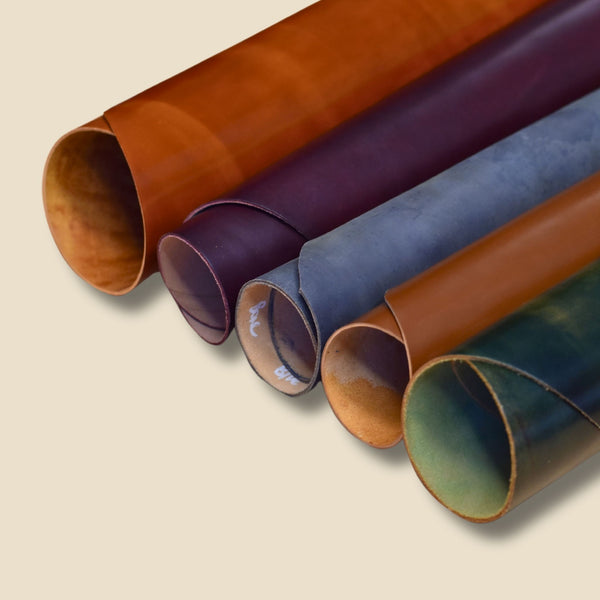
This deep saturation means the leather won't dry out or crack, even after decades of hard use. It's also why harness leather has such impressive self-healing properties. If you get a light scratch on your belt or bag, you can often buff it out just by using the heat and friction from your thumb. The oils migrate back to the surface and fill in the mark. If you're ready to experiment with these heritage materials, our curated leather bundles are a great way to get started with professional-grade panels without committing to a full hide.
Harness vs. Bridle vs. Latigo: Choosing the Right Hide
Makers often stand before a rack of hides feeling overwhelmed. You see Harness, Bridle, and Latigo side-by-side, and they all look like heavy-duty veg-tan. But the difference lies in the finish and the fat. Choosing the wrong hide can lead to a belt that's too stiff for a suit or a leash that snaps under a dog's weight. Each of these equestrian-style leathers has a specific job to do.
Harness is the most saturated. It's engineered with the highest oil and wax content. Bridle is the most refined, featuring a smooth, often pigmented surface. Latigo sits in the middle, often undergoing a dual-tanning process that combines the flexibility of chrome with the body of vegetable tanning. Understanding these nuances helps you pick the right tool for the job.
Harness Leather: The Workhorse
If your project is going to live outside, choose harness leather. It's the undisputed king of outdoor durability. Because it's "hot stuffed" with tallows, water simply beads off the surface. It feels waxy and heavy in the hand. Over time, it doesn't just age; it evolves, developing a deep, rugged patina that reflects its use. It's my go-to for heavy-duty belts and dog leashes where strength is the only priority. If you're looking to dive deeper into these materials, check out our guide on Equestrian Leathers and Hardware: A Masterclass in Sourcing.
Bridle Leather: The Professional
Bridle is the choice for luxury. Unlike the matte, waxy look of harness, bridle leather has a smooth, firm, and often glossy finish. Tanneries apply a coat of wax and pigment to the grain side, which results in a material that's incredibly consistent. It's perfect for high-end briefcases or dress belts where you want a cleaner look.
One major difference is the edge work. Bridle leather is famous for how easily it takes a high-gloss burnish. While harness can sometimes be "gummy" due to the oil, bridle stays firm. You'll typically find both in weights ranging from 3.2mm to 4.8mm, but bridle often feels stiffer at the same thickness because of that surface finish.
Latigo: The Hybrid Choice
Don't overlook Latigo. It's often used for cinches and saddlery because it's exceptionally supple. Most Latigo is chrome-tanned first for flexibility and then re-tanned with vegetable extracts for substance. It has a slightly more "rubbery" feel compared to the woody firmness of harness leather. It's the ideal middle ground for straps that need to be strong but move with the wearer without a long break-in period.
Working with Harness Leather: Essential Tools and Techniques
Working with harness leather is a physical conversation between the maker and the hide. It's dense, heavy, and packed with the oils we explored in the tanning process. While those waxes provide incredible durability, they also create significant drag on your blades. I've seen many artisans at Hab-To Leather House get frustrated when their standard tools stall mid-cut. You must adapt your technique to match the rugged nature of the material.
Don't reach for a standard utility blade when cutting thick harness bends. The thin steel often flexes when it meets the resistance of a 4mm hide. A sharp Japanese skiving knife is a much better partner for this task. Its rigid spine allows you to slice through the dense fibers with a single, confident stroke. If you find your tools sticking, a quick swipe of beeswax on the blade helps reduce the friction caused by the internal tallows.
What You Will Need
- Rigid blades and edge bevelers to handle thick transitions.
- Heavy-duty needles and pricking irons for high-tensile stitching.
- Edge finishing essentials: Tokonole and a canvas cloth.
- Professional results: Curated product bundles for finishing edges.
- High-strength adhesive: Ecostick 1804 for oily surfaces.
The Secret to a Perfect Harness Edge
Finishing the edges of harness leather requires more elbow grease than standard veg-tan. Because the hide is impregnated with waxes, your burnishing agent might just sit on the surface. You need to sand more aggressively to mechanically remove that top layer of wax and expose the raw fibers. I usually start with a lower grit than I would for a wallet. Once the edge is smooth and the fibers are open, you can apply your finishing agent.
Instead of a traditional wooden burnisher, try using a glass slicker for the final pass. The glass generates intense friction and heat without catching on any waxy residue. This heat helps the oils within the leather to bond with the Tokonole. The glass burnish technique is the pinnacle of harness finishing, resulting in a mirror-like edge that won't fray over time. It takes patience, but the result is gear that looks as professional as it is tough.
Sourcing Premium Harness Leather with No Minimums
Finding high-quality harness leather shouldn't feel like an exclusive club membership. For too long, the most prestigious tanneries have only opened their doors to those who can buy dozens of hides at a time. This forces smaller workshops and hobbyists to settle for inferior, mass-produced materials. My mission at Hab-To Leather House is to break that cycle. I believe every maker deserves access to world-class hides without the heavy burden of minimum order quantities.
We've built our warehouse in Amsterdam on a simple promise: you buy only what you need. Whether you're crafting a single heritage belt or a small run of luxury dog collars, you can source harness leather by the panel or shoulder. This approach removes the financial barrier that often keeps artisans from working with premium vegetable-tanned materials. Plus, because we're based in the heart of Europe, our EU-based artisans can skip the customs headaches and high shipping fees that come with sourcing from overseas.
If you're just starting out, our Crafting Bundles are the perfect entry point. These curated sets give you a taste of different weights and finishes, allowing you to experiment with the waxy grit of harness hides before committing to a larger project.
Why Sourcing Small Panels is a Game Changer
Buying by the panel isn't just about saving money; it's about reducing waste and overhead. In a professional workshop, every square centimeter of leather represents capital. By purchasing specific cuts, you ensure your inventory stays lean and your focus stays on the craft. This flexibility allows you to test high-end leathers from legendary names like Conceria Maryam or Virgilio without a massive upfront investment. For more tips on selecting the right cut, take a look at our guide on Buying Leather Online.
Expert Advice from Mike
I know that choosing the right weight can be tricky, especially when you're working with a material as dense as harness. That's why I offer a Free Video Consultation to every customer. We can hop on a call, and I'll show you the exact hide you're interested in, helping you judge the temper and thickness for your specific project. If you're near Amsterdam, you're always welcome to visit our showroom to feel the difference in person. We're a family-run business at Hab-To Leather House with over 160 years of experience, and we're here to support your journey from the first cut to the final burnish.
Build Gear That Outlasts the Elements
Choosing harness leather is a commitment to quality that spans generations. You now have the roadmap to master this rugged material, from understanding its pit-tanned roots to perfecting the skills needed to handle its waxy character. This isn't just about making a product; it's about continuing a tradition of craftsmanship that values resilience over speed. You've seen how the right tools and a bit of patience can transform a dense hide into a lifetime companion.
At Hab-To Leather House, we make this world-class material accessible to every artisan. You don't need to buy a whole hide to start your next project. We offer certified sustainable vegetable-tanned leather with no minimum order quantity. It's our way of supporting the maker community with the same passion our family has held for over 160 years. We're here to help you choose the right weight and temper for every design, ensuring your gear stands the test of time.
Sourced for Durability
- Premium Harness Leather Panels - Hand-selected for density and pull-up.
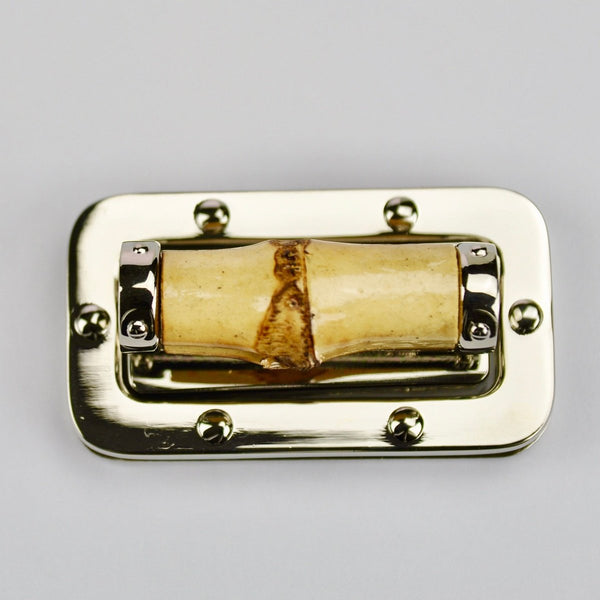
- Equestrian Grade Hardware - Solid brass and steel to match your heavy-duty builds.
- Professional Leatherworking Tools - Precision blades designed for thick, oily hides.
I can't wait to see what you build with these heritage hides. Your workshop is ready for the gold standard of durability. Let's get to work.
Frequently Asked Questions
Is harness leather waterproof?
Harness leather is water-resistant but not fully waterproof. Its "hot stuffing" process fills the fibers with tallows and waxes, causing moisture to bead off the surface rather than soaking into the grain. This makes it superior for outdoor gear compared to standard vegetable tanned leather. If it gets soaked, dry it slowly at room temperature to prevent the internal oils from drying out or becoming brittle.
Does harness leather stretch over time?
This material offers minimal stretch due to its dense fiber structure and traditional pit-tanning heritage. It was originally engineered to maintain its shape under the high tension of a working horse's load. For modern makers, this stability makes our heavy-duty cow hides the perfect choice for straps and handles that must remain secure and won't sag or warp over years of daily use.
What is the best way to clean harness leather?
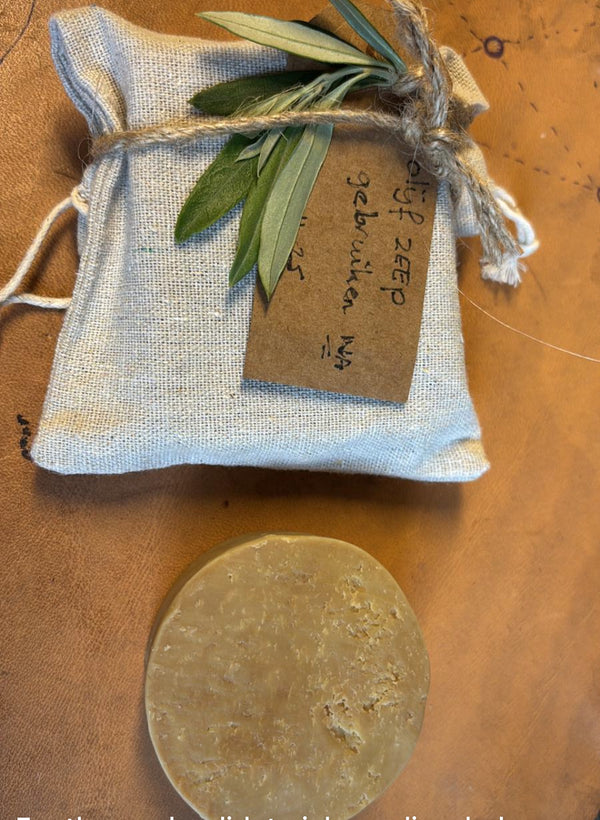
Use a damp cloth and mild glycerin soap to remove surface grime. Because the hide is already saturated with waxes, you don't need to condition it as often as other materials. If the surface looks dull, a light buffing with a soft brush often redistributes the internal oils. For deep cleaning without damaging the finish, check our leather care collection for specialized soaps and balms.
Can I tool or stamp harness leather?
Harness leather is not recommended for intricate tooling or floral carving. The high concentration of oils causes stamps to "rebound," resulting in shallow impressions that lose detail over time. It works well for bold, simple stamping of maker's marks or initials. If you need a material that holds deep, crisp carving, I suggest exploring our Pueblo leather collection which is better suited for artistic work.
What weight (thickness) of harness leather is best for a belt?
A thickness of 3.6mm to 4.4mm is the gold standard for a durable everyday belt. This weight provides necessary stiffness without being overly bulky for the wearer. For professional work belts or heavy-duty strapping, many crafters at Hab-To Leather House prefer the 5mm+ options found in our leather for belts selection. This ensures the strap doesn't "S-curve" under the weight of tools.
How do I get a high-gloss edge on waxy harness leather?
You must aggressively sand the edges to break through the waxy surface before starting the burnishing process. Once you have exposed the raw fibers, apply a layer of Tokonole and use a glass slicker for maximum friction. This heat-driven process is easiest when using one of our Tokonole bundles, which includes the specific canvas and glass tools needed to achieve a professional, mirror-like finish.
What is the difference between harness leather and saddle leather?
Harness leather is significantly oilier and more supple than traditional saddle leather. While both are vegetable-tanned, saddle leather is usually left "drier" to allow for deep carving and custom oiling by the saddlemaker. Harness comes pre-stuffed with tallows for immediate weather resistance. If you need a rugged, ready-to-use material that requires less immediate maintenance, our harness hides are the superior choice for your workshop.
Disclaimer
All our blog articles are made for information purposes only we dont take responsability for any content from third parties.