

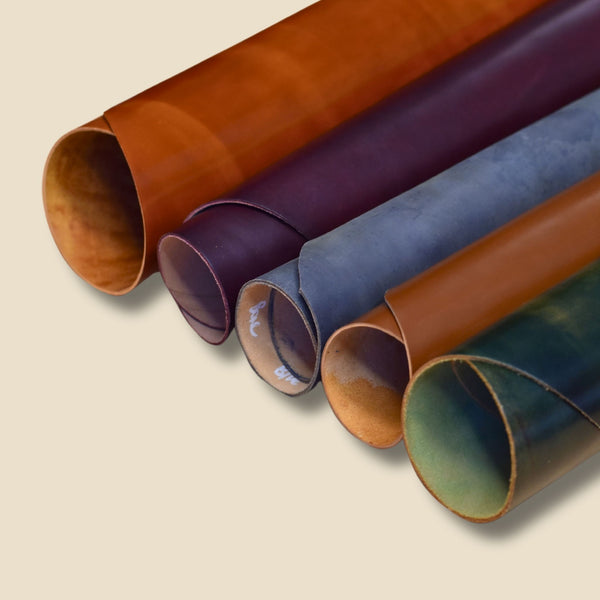
Calfskin Leather: The Crafter's Guide to Softness and Strength
Ever held a piece of leather so buttery-soft you questioned if it could possibly be durable? It’s a common crossroads for crafters, a moment of hesitation that can stand between a good project and a truly exceptional one. This is the beautiful paradox of premium calfskin-a material celebrated for its luxurious feel yet often misunderstood when it comes to its surprising strength. You’ve likely heard the terms, perhaps 'box calf' or 'museum calf,' and wondered how this refined leather truly differs from standard cowhide or if its delicate surface can withstand daily use.
In this guide, we're demystifying it all. Consider this your personal tour into the world of one of the finest materials in a crafter's arsenal. We will explore its unique properties, from that signature tight grain to its impressive resilience, and break down the different types so you know exactly what you’re choosing. My goal is simple: to give you the knowledge and confidence to select the perfect calfskin hide for your next masterpiece, ensuring the final product is not only beautiful but built to last.
Key Takeaways
- Discover what gives calfskin its signature luxurious feel and tight grain, setting it apart from other premium leathers.
- Master the art of choosing the right calfskin by understanding its remarkable strength-to-weight ratio, perfect for elegant yet durable goods.
- Learn to distinguish between various finishes, enabling you to select the perfect hide for your specific creative vision.
- Receive actionable tips for selecting, cutting, and caring for your leather to ensure your craftsmanship has a professional, lasting quality.
What is Calfskin Leather? The Fundamentals of a Premium Material
When we talk about premium materials in leather craftsmanship, few can match the reputation and luxurious feel of calfskin. In simple terms, Calfskin or calf leather is a high-quality hide produced from a young bovine. The animal's age is the secret to its prized characteristics; the hide has not yet been subjected to the rigors of a long life, resulting in a material that is exceptionally soft, smooth, and lightweight. This unique combination of qualities has cemented its status for centuries as the material of choice for luxury goods, from fine bookbinding and gloves to high-end footwear and designer handbags.
To see this difference up close, take a look at this explanation from an expert tanner:
The Source and Its Impact on Quality
The defining factor of genuine calfskin is its source: cattle typically under one year old. This youthfulness means the hide has a much denser, tighter fiber structure than that of an adult cow. The skin is also finer and has far fewer imperfections like scars, stretch marks, or insect bites. Of course, the source animal is only half the story. Sourcing from reputable tanneries that employ meticulous, often traditional tanning methods is crucial to transforming a quality raw hide into the premium leather crafters seek. No compromises.
This principle of honoring the source animal extends beyond the hide. Artisans who value this level of quality in their materials often appreciate it in other aspects of life. For example, a quality butcher Warwick embodies a similar ethos, focusing on high-grade, locally sourced meat, ensuring that the entire animal is treated with respect.
Calfskin vs. Standard Cowhide: A Direct Comparison
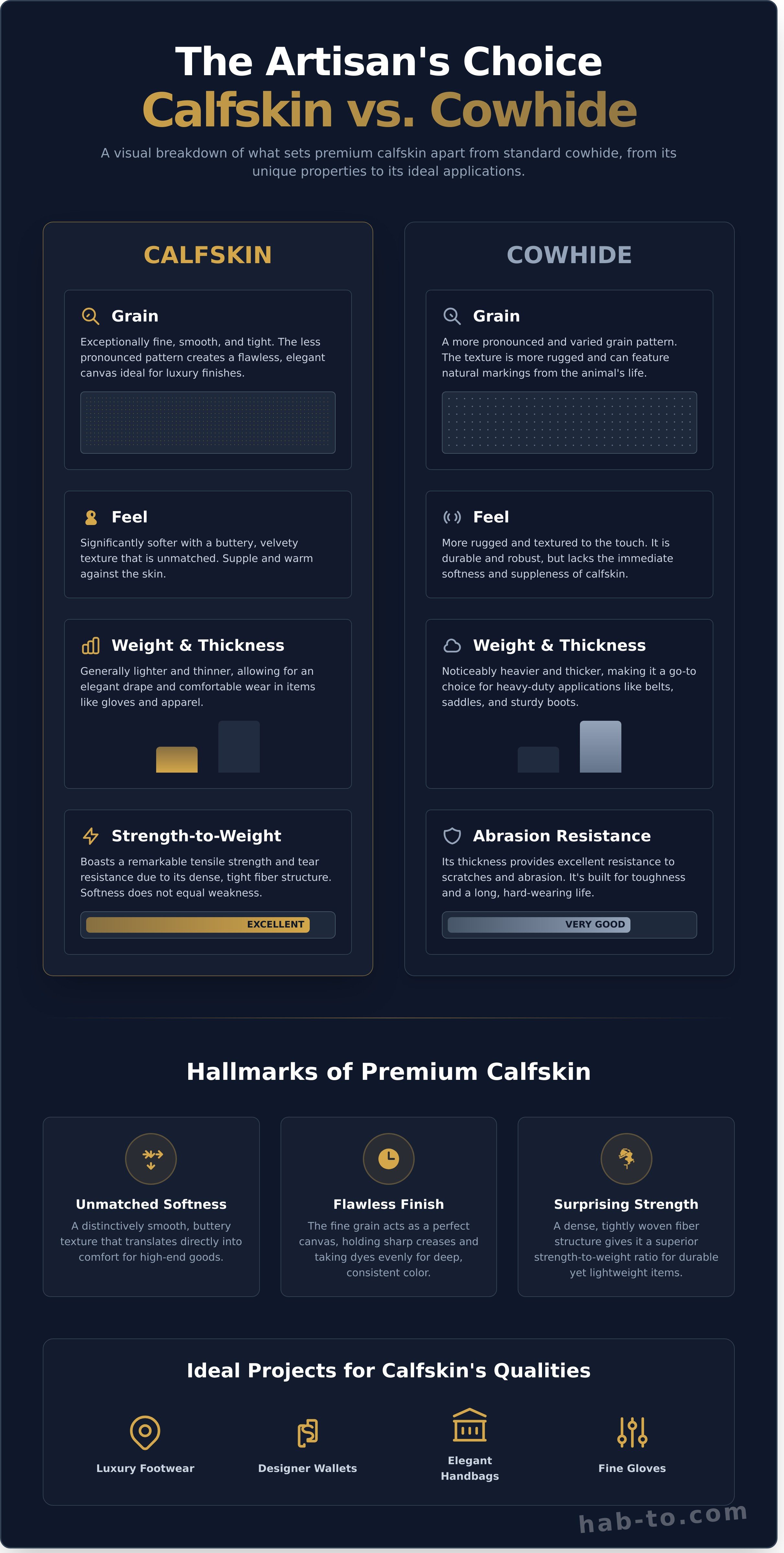
To truly appreciate what makes this material special, it helps to compare it directly to standard cowhide from a mature animal. While both are excellent materials, they serve different purposes based on their distinct properties.
- Grain: Calfskin has a much finer, smoother, and less pronounced grain pattern. This gives it a more elegant and refined appearance, making it ideal for formal and luxury items.
- Feel: The difference is immediately apparent to the touch. It is significantly softer, more supple, and has a velvety feel that is simply unmatched by the more rugged texture of standard cowhide.
- Weight & Thickness: It is generally lighter and thinner, which contributes to its elegant drape and makes it comfortable for items worn close to the body, like gloves or jacket collars.
- Durability: Don't let its softness fool you. The dense fiber structure gives it remarkable tensile strength and tear resistance. While it can be more susceptible to scratches than thick cowhide, it is a durable material that ages beautifully with proper care.
The Hallmarks of Calfskin: Why Artisans Choose It for Their Best Work
Walk into any high-end leather workshop, and you’ll find artisans reaching for calfskin for their most prized creations. It’s not just a material; it’s a statement. This leather represents the perfect intersection of luxurious feel, flawless appearance, and practical performance. For craftsmen who believe in "no compromises," its unique combination of qualities allows them to produce work that is both beautiful from day one and built to last a lifetime, elevating the perceived value of any finished product.
Unmatched Softness and a Luxurious Feel
The immediate appeal of calfskin lies in its touch. It has a distinctively smooth, buttery texture that feels warm and inviting against the skin. This isn't just a surface-level luxury; it translates directly into comfort. Think of a pair of bespoke shoes that mold to your feet or a watch strap that feels like a second skin. Its supple nature also allows for elegant draping, making it a favorite for handbags that need to hold their shape while still appearing soft and fluid.
A Fine Grain for Flawless Finishes
Upon closer inspection, you’ll notice its exceptionally fine, tight grain. This smooth surface acts as a perfect canvas, allowing dyes to penetrate evenly for deep, consistent color. For the artisan, this means precision. The leather holds a sharp, crisp crease, essential for constructing structured items like wallets and cardholders. It’s also ideal for detailed work, taking subtle embossing and decorative stitching with unparalleled clarity, resulting in a clean, professional finish.
Surprising Strength and Resilience
It’s a common myth that softness equals weakness, but calfskin handily debunks this. Its strength comes from a dense, tightly woven fiber structure, which gives it a remarkable strength-to-weight ratio. This internal architecture, lauded by esteemed organisations such as COTANCE (the Confederation of National Associations of Tanners and Dressers of the European Community) for its premium qualities, resists stretching, tearing, and abrasion. This makes it an incredibly durable choice for items that endure daily use, ensuring a wallet or portfolio will not only look exquisite but also stand up to the rigors of everyday life.
A Crafter's Guide to Common Calfskin Types and Finishes
When you hear the term 'calfskin', it’s easy to think of a single type of leather. But in reality, it’s a whole family of materials, each with a unique personality shaped by the artistry of the tannery. The tanning and finishing processes are where a raw hide is transformed into a specific article with distinct properties. Historically prized for its tight grain and durability, as detailed in expert resources like Bookbinding and the Conservation of Books, the final character of modern calfskin depends entirely on these techniques. Understanding the most common types is key to choosing the perfect material for your project.
Smooth & Polished: Box Calf
Box calf is the epitome of classic elegance. It's a firm, chrome-tanned leather known for its exceptionally smooth surface and a refined, semi-gloss finish. The grain is visible but incredibly fine, creating a uniform and flawless appearance. This structure makes it a favorite for high-end, formal goods that require a crisp silhouette.
- Best Uses: Luxury dress shoes (like Oxfords), structured handbags, and professional briefcases.
Artistic & Mottled: Museum Calf
For a piece with undeniable character, look no further than Museum Calf. This leather gets its name from its unique, cloud-like mottled appearance, which is achieved by hand-sponging dye onto the hide. The result is a beautiful, variegated depth of color that makes every single piece one-of-a-kind. It’s a statement leather for bespoke creations.
- Best Uses: High-end men's footwear, unique watch straps, and small luxury goods.
Natural & Versatile: Crust Calfskin
Think of crust calfskin as a blank canvas for the leather artist. This leather has been tanned (often vegetable-tanned) but has not been dyed or finished. Its natural, absorbent surface is ready to take on any custom color you apply, allowing for complete creative control. It’s the ideal choice for hand-dyed projects and developing a rich, personal patina over time.
- Best Uses: Hand-dyed wallets, custom shoe uppers, and any project where you want a unique, hand-finished look.
Textured & Grained Finishes
Sometimes a project calls for more than a smooth surface. Tanneries can emboss calfskin with large metal plates to create a variety of textures. Grains like pebble grain or hatch grain not only add visual interest but also significantly increase the leather's scratch resistance. This makes it a practical and stylish choice for items that will see heavy use.
- Best Uses: Everyday carry items, travel bags, portfolios, and durable accessories.
Calfskin in Action: Ideal Projects for This Versatile Leather
Understanding the properties of a leather is one thing; seeing it come to life in a finished piece is where the real magic happens. The unique combination of softness, strength, and a fine grain makes calfskin a preferred choice for artisans who refuse to compromise on quality. Its versatility allows it to shine in projects demanding both elegance and durability. Let's explore where this exceptional material truly excels.
Fine Leather Goods: Wallets, Cardholders, and Watch Straps
For small leather goods where precision is paramount, calfskin is an unmatched medium. It’s the material of choice for crafters who appreciate clean lines and a sophisticated finish. The results are items that are not only beautiful but a pleasure to use every day.
- Slim Profile: Its thinness allows for sleek, multi-layered designs without adding unnecessary bulk, perfect for a wallet that sits comfortably in a pocket.
- Crisp Details: The fine, tight grain holds sharp creases and showcases fine stitching beautifully, giving your work a professional, high-end appearance.
- Perfect Canvas: The smooth, uniform surface provides a stunning backdrop for high-quality hardware, from snaps to brand stamps.
Luxury Handbags and Small Bags
When crafting a luxury handbag, the feel of the leather is just as important as its look. This is where calfskin truly elevates a project from good to extraordinary. It provides the perfect blend of qualities needed for a bag that is both structured and supple.
- Structure & Softness: It offers enough body to hold elegant shapes like clutches and satchels, while retaining a soft, luxurious hand-feel.
- Lightweight Comfort: Being lighter than many other leathers, it results in a finished bag that is comfortable to carry without sacrificing durability.
- Immediate Elegance: The subtle, natural luster and smooth grain instantly signal quality, making it a foundation for a truly premium product.
High-End Footwear and Linings
In the world of bespoke shoemaking, comfort and longevity are key. The natural properties of this leather make it ideal for both the exterior and interior of high-end footwear, conforming to the wearer for a perfect fit.
- Breathable & Malleable: It breathes well and molds to the shape of the foot over time, ensuring exceptional, personalized comfort.
- Resilient Strength: It is surprisingly durable, easily withstanding the daily stresses of walking, creasing, and flexing.
- Luxurious Lining: As a lining, its smooth surface is gentle on the foot, reducing friction and providing a durable, premium interior for boots and dress shoes.
Feeling inspired? Choosing the right material is the first step in any great project. If you're ready to start your next piece with materials that reflect true craftsmanship, you can explore our hand-selected collection of premium leathers.
How to Choose, Work With, and Care for Calfskin
You’ve chosen a premium material; now it’s time to turn it into something exceptional. Working with this leather is a true pleasure for any crafter, prized for its smooth grain and luxurious feel. Here’s our advice on how to select the right piece, handle it effectively, and ensure your finished projects last a lifetime.
Selecting the Perfect Calfskin Hide
The foundation of any great project is the right material. When choosing your hide, pay close attention to these key details:
- Consistent Grain: Run your hand over the surface. A high-quality calfskin should have a tight, fine grain that is uniform across the entire piece for a professional, clean aesthetic.
- Temper: Assess the leather's stiffness or softness. A softer temper is ideal for wallet interiors or linings, while a firmer temper provides the structure needed for watch straps or small bags.
- Surface Quality: Minor, natural marks are not defects; they are the signature of genuine leather. However, you should avoid any large flaws that could interfere with your pattern cutting.
Choosing the right combination of these qualities can feel daunting. Not sure what you need for your project? Book a free video consultation with Mike! I'm always happy to help you find the perfect piece.
Tips for Working with Calfskin
This leather is a joy to work with, but its fine nature appreciates a delicate touch. Keep these tips in mind for the best results:
- Use a Sharp Blade: A fresh, fine blade is non-negotiable. It will glide through the leather, preventing any pulling or ragged edges and ensuring perfectly clean cuts.
- Choose Fine Thread: Match the leather's elegance with a finer thread. Sizes from 0.45mm to 0.6mm typically complement the tight grain beautifully without overpowering your stitch line.
- Burnish to Perfection: Its tight fiber structure allows the edges to burnish to a glassy, professional finish with minimal effort. A bit of water or Tokonole and a wood slicker is all you need.
Long-Term Care and Conditioning
A well-made item deserves proper care. To maintain the beauty and suppleness of your creations, follow these simple guidelines:
- Condition Sparingly: Use a high-quality, cream-based leather conditioner. Apply a very thin layer with a soft cloth once or twice a year to nourish the fibers.
- Store Properly: When not in use, keep your leather goods in a breathable cotton dust bag to protect them from dust and scratches while allowing air to circulate.
- Avoid Extremes: Protect your items from prolonged, direct sunlight, which can cause fading, and from extreme heat, which can dry out the leather and make it brittle.
Your Next Masterpiece Begins with Premium Calfskin
You now have the essential knowledge to appreciate the unique qualities of calfskin leather-its signature softness, remarkable strength, and incredible versatility. From understanding its origins to selecting the perfect finish for your project, you're equipped to elevate your craft. The key takeaway is that working with premium calfskin isn't just a choice; it's a commitment to creating something truly exceptional and built to last.
Ready to turn that knowledge into a tangible work of art? At Hab-To, we bring over 160 years of family experience to every hide we source. We believe that true craftsmanship shouldn't be limited by quantity, which is why we offer no minimum order requirements. Our passion is providing fellow artisans with sustainable, high-quality materials that honor the craft. No synthetics. No compromises.
Begin your journey with the best. Explore Our Hand-Selected Calfskin Collection and find the perfect material for your vision. We can’t wait to see what you create.
Frequently Asked Questions About Calfskin Leather
Is calfskin leather durable?
Yes, calfskin is surprisingly durable for its lightweight and supple nature. Its tight, fine grain structure offers good resistance to abrasion and scuffs. While it may not be as rugged as thick, heavy-duty cowhide, it provides an excellent balance of strength and flexibility. This makes it a premium choice for items that get regular use but require a refined finish, such as high-end footwear, watch straps, and wallets.
Is calfskin considered a luxury leather?
Absolutely. Calfskin is one of the most highly-regarded luxury leathers in the world. Its value comes from its exceptionally soft, velvety feel and its smooth, fine-grained surface, which are impossible to replicate with older hides. This premium quality makes it the material of choice for top-tier fashion houses and artisans creating designer handbags, elegant dress shoes, and other high-end leather goods where a flawless finish is paramount.
How can you tell if leather is genuine calfskin?
Genuine calfskin is distinguished by its incredibly smooth texture and fine, tight grain pattern. The pores are much smaller and less visible than those on standard cowhide. When you touch it, it should feel soft, supple, and almost buttery. Another key indicator is its lightweight nature. If the leather feels stiff, coarse, or has a large, prominent grain, it is likely from an older animal and not true calfskin.
Is calfskin more expensive than cowhide?
Yes, calfskin is consistently more expensive than cowhide from a mature animal. There are a few key reasons for this. The hides are significantly smaller, yielding less material per animal. Furthermore, preserving their naturally soft and unblemished surface requires a more careful and labor-intensive tanning process. Its high demand in the luxury goods market also contributes to its premium price point, making it a true investment.
Can you tool or stamp on calfskin leather?
You certainly can, and the results can be beautiful. Calfskin’s fine grain is perfect for capturing crisp, highly detailed impressions from stamps or embossing plates. However, it requires a more delicate approach than tooling on thicker cowhide. Because the leather is thinner and softer, you must use less pressure to avoid punching through or distorting the material. It excels at fine detail work rather than deep, heavy carving.
Is calfskin leather waterproof?
No, calfskin leather is not inherently waterproof. As a natural, porous material, it will absorb water if exposed to significant moisture. This can lead to water spots, stains, or cause the leather to become stiff once it dries. While some finishes can provide a degree of water resistance, it is best to avoid soaking it. We recommend applying a quality leather protectant spray to shield it from light rain and accidental spills.