

Chamois Leather: What It Is and How to Use It
That yellow cloth you pulled from the garage, now stiff as old leather-is it even a real chamois? It’s a frustration we hear all the time. The market is flooded with synthetic lookalikes, making it tough to find a genuine chamois chamois that delivers that legendary, streak-free shine. You invest in what you believe is a quality tool, expecting it to perform, only to be disappointed by poor absorption or, worse, a ruined cloth after just one wash. It’s enough to make anyone question if they're worth the trouble.
Here at Hab-To, we believe in quality craftsmanship, and that extends to the tools you use. No compromises. This guide is your complete resource for understanding true chamois leather. We’ll walk you through its unique origins, how to spot an authentic piece, and the proper techniques for using, washing, and storing it. By the end, you'll not only achieve a flawless finish on any surface but also possess the knowledge to make your premium chamois last a lifetime. Let's restore the value of this timeless classic together.
What Exactly Is Chamois Leather? The Ultimate Natural Cloth
When you hear the word 'chamois' (pronounced 'sham-wah'), you probably picture the gold-standard cloth for drying a car without a single streak. You’d be right, but there's so much more to this incredible material. At its core, a chamois is a unique type of porous leather, renowned for a trio of properties that synthetic materials struggle to replicate: incredible softness, massive absorbency, and a completely lint-free finish. For a deep dive into its background, Wikipedia offers a great overview of what exactly chamois leather is and its production. It’s a natural, sustainable material that embodies our philosophy: no synthetics, no compromises, just quality craftsmanship.
The Origin Story: From Mountain Animal to Polishing Tool
The story of chamois begins high in the European mountains with the Rupicapra rupicapra, or chamois goat-antelope. Historically, its hide was used to create this uniquely soft leather. However, modern, genuine chamois is now crafted almost exclusively from the flesh-split of high-quality sheepskin. This important shift not only protects the chamois animal but also makes this premium tool more accessible and sustainable, as the skins are a byproduct of the meat industry.
Key Properties That Make Chamois Unique
What makes a real chamois cloth a staple in workshops, garages, and homes? It comes down to a combination of unmatched natural properties that deliver a flawless finish every time.
- Incredible Absorbency: A genuine chamois can soak up many times its own weight in liquid, pulling water off a surface in a single, efficient pass.
- Unrivaled Softness: The fine, gentle nap of the leather polishes as it dries, leaving a brilliant shine without the risk of scratches or swirl marks on delicate surfaces like paint or glass.
- Completely Lint-Free: Unlike many cotton or microfiber towels, it leaves absolutely no fibers, fluff, or dust behind, ensuring a perfectly clean and professional result.
Genuine vs. Synthetic Chamois: How to Spot the Difference
In a market flooded with imitations, it’s crucial to know what you’re buying. A true chamois chamois is a natural product, and spotting the difference is simple when you know what to look for. Genuine leather has an irregular, natural shape and a distinct but faint leather scent. In contrast, synthetics (often made of PVA) are cut into perfect rectangles and can have a chemical odor. While synthetics absorb water, they lack the gentle polishing action of real leather and can feel sticky on the surface, whereas a genuine chamois chamois glides with ease.
The Making of a Chamois: The Art of Oil Tanning
The incredible softness and absorbency of a genuine chamois aren't magic-they're the result of a time-honored craft known as oil tanning. This traditional method is fundamentally different from the vegetable or chrome tanning used for most leathers. It’s a process rooted in chemistry and craftsmanship, where marine oils, not tannins or salts, transform a simple sheepskin split into a high-performance tool. This unique journey is what makes a true chamois chamois an indispensable part of any quality care kit.
How Oil Tanning Works: A Simple Explanation
The process begins with the inner split of a sheepskin, which is saturated with natural marine oils, most traditionally cod oil. The hides are then allowed to oxidize. This is the crucial step: as the oils react with the air and the leather fibers, they tan the hide, giving it its characteristic yellow color and incredible softness. The science behind The Making of a Chamois shows how this oxidation process fundamentally alters the fiber structure, resulting in a material with an unmatched capacity for water absorption.
Creating the Suede-like Texture
To achieve that signature suede-like finish, the grain side of the hide is removed in a process called 'frizing'. This exposes the inner network of fibers, creating the porous, open structure that a chamois is famous for. It’s this microscopic maze of fibers that allows the cloth to hold many times its weight in water, and just as importantly, to release it evenly without leaving behind streaks or lint.
Why Quality Tanning Matters for Performance
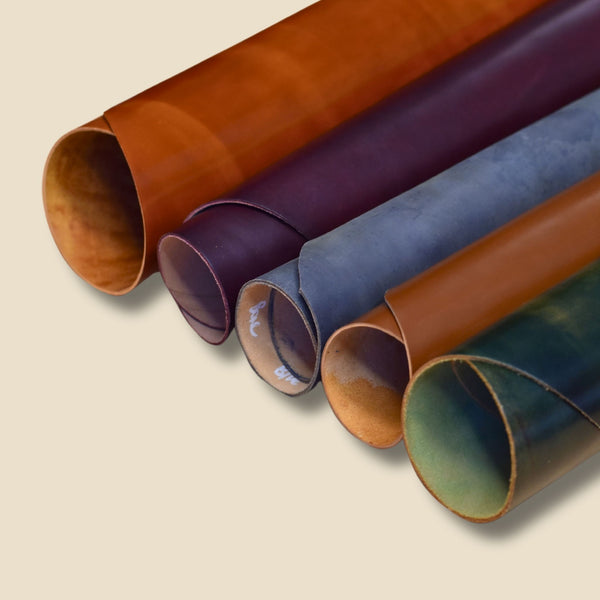
Like any craft, the final product is only as good as the process and materials behind it. A properly oil-tanned chamois chamois will remain soft and pliable use after use, drying without stiffness. Poor tanning, however, is a compromise that leads to a cloth that quickly becomes hard, brittle, and loses its absorbency. It's a clear reminder that for real craftsmanship, quality materials matter. Explore our range of premium leathers.
Common Uses for Chamois: Beyond Just Drying Your Car
When you hear "chamois leather," your mind probably jumps straight to a pristine, hand-dried car gleaming in the sun. And for good reason-it’s the gold standard for that task. But to limit this remarkable material to the garage is to miss out on its true versatility. Its unique properties, a result of the oil tanning process (you can learn more about What is Chamois Leather? in this detailed overview), make it an invaluable tool for detailers, homeowners, and artisans alike. Historically, its incredible softness even made it a prized material for luxury gloves and linings.
Automotive Detailing: The Secret to a Perfect Shine
There's a reason professionals swear by it. A quality chamois doesn't just soak up water; it gently lifts it from the surface without leaving behind lint or creating the dreaded micro-scratches and swirl marks. It’s the perfect tool for the final drying step after a thorough wash. While a microfiber towel is great for the initial wash or for applying wax, the unparalleled absorbency of a chamois is what delivers that flawless, streak-free finish.
Household and Optical Cleaning
The same properties that make a chamois perfect for your car's paintwork make it a champion cleaner inside the home. Its soft, non-abrasive texture is ideal for achieving a crystal-clear finish on delicate surfaces. Use it for:
- Glass and Mirrors: Wipes away moisture and grime for a perfectly transparent, streak-free shine.
- Delicate Optics: Safely cleans eyeglasses, camera lenses, and high-performance gear like binocular and rifle scope lenses without risk of scratching.
- Polishing Valuables: Gently buffs fine silver, jewelry, and even musical instruments to a brilliant luster.
For those who rely on such premium optical equipment in demanding fields like hunting, maintaining lens clarity is crucial. Specialized suppliers such as ihunt.si are a good resource not just for the optics themselves, but also for the necessary accessories for their care.
A Leather Crafter's Secret Weapon
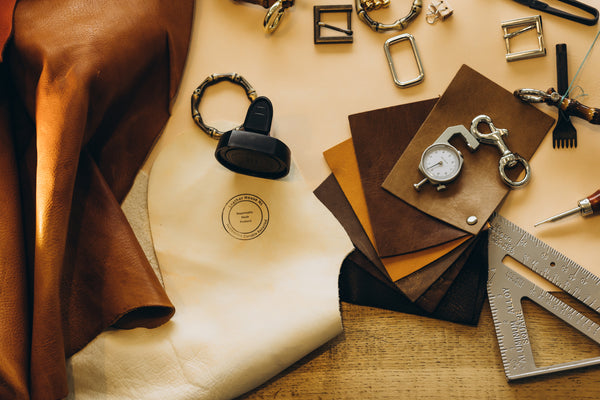
Here at Hab-To, we see a chamois chamois as an essential part of a leatherworker's finishing kit. After applying waxes or conditioners to your project, a vigorous buff with a chamois creates friction and warmth, melting the finish into the leather's grain and producing a deep, professional-grade sheen. It can also be used for the delicate application of oils. It’s the final touch that separates good craftsmanship from great craftsmanship, ensuring your finished piece looks polished and pristine.
How to Properly Use and Care for Your Chamois Leather
A genuine chamois is a remarkable tool, but its unique, natural properties demand proper care. Think of it as an investment in quality; with just a few simple steps, you can ensure your chamois remains soft, absorbent, and effective for years of dedicated service. Neglecting it, on the other hand, can quickly lead to a stiff, useless hide. Let's walk through the right way to maintain this classic piece of craftsmanship.
First Use: Breaking In Your New Chamois
Before its first use, your chamois needs a gentle introduction. This initial wash removes any residual tanning oils and prepares the fibers for maximum absorbency. It’s a simple but crucial first step.
- Wash it in clean, lukewarm water with a small amount of mild, natural soap (like a pH-neutral castile soap).
- Rinse thoroughly until the water runs clear, ensuring no soap residue is left behind.
- Gently wring out the excess water. Your chamois is now ready for action.
Washing and Cleaning After Use
Always wash your chamois by hand after each use to remove dirt and grime. Never, under any circumstances, put it in a washing machine or dryer. The harsh agitation and heat will strip the natural oils and destroy the delicate fibers. Stick to a gentle, pH-neutral soap and avoid harsh detergents, bleach, or fabric softeners at all costs, as they will permanently damage the leather.
Drying and Storing for Maximum Longevity
This is the most critical stage. After a final rinse, gently squeeze out the water and pull the chamois back into its original, rectangular shape. Hang it to air-dry naturally in the shade or indoors, far away from direct sunlight or artificial heat sources. The key to keeping a chamois chamois soft is to never let it dry out completely and rapidly. For ultimate softness and readiness, store it while still slightly damp in a clean, airtight container or tube.
Troubleshooting: How to Revive a Stiff Chamois
Has your chamois turned stiff and cardboard-like? Don't worry, it’s almost always salvageable. This happens when the leather’s fibers dry too quickly and lock together. To fix it, simply re-soak the stiff chamois chamois in clean, lukewarm water for a couple of hours. As it softens, gently massage and work the fibers with your hands. Finish with a quick wash using mild soap, rinse, and dry it properly this time.
By following these simple care instructions, you honor the material and ensure your tool performs flawlessly. For more expert advice or to browse our hand-selected collection of premium leather and tools, we're always here to help.
Chamois: A Timeless Tool for True Craftsmanship
As we've explored, chamois leather is far more than a simple cloth; it's a testament to the art of traditional oil tanning, resulting in a material with unparalleled softness and absorbency. By understanding how to properly use and care for it, you transform a simple tool into a long-lasting partner for countless tasks. The unique, gentle touch of a genuine chamois chamois makes it an indispensable asset for anyone who values quality and performance in their materials.
This dedication to quality is the cornerstone of our family's work for over 160 years. We believe every crafter deserves access to the best, which is why we offer no minimum order requirements on our sustainable, premium supplies. We stand by our philosophy: No synthetics. No compromises. Ready to start your next project with materials you can trust? Explore our hand-selected tools and sustainable leathers for your next project.
We look forward to being a part of your creative journey.
Chamois Leather: Frequently Asked Questions
Is real chamois leather better than a microfiber towel?
Both have their strengths, but for specific tasks, a real chamois is superior. While microfiber is excellent for general cleaning and scrubbing, a genuine chamois excels at absorption and providing a streak-free finish. Its natural, porous structure lifts away water without leaving lint or swirl marks, making it the premium choice for drying delicate surfaces like automotive paint, glass, and camera lenses. It’s about choosing the right tool for a flawless result.
Why did my chamois get stiff and hard like cardboard?
Don't worry, this is a completely normal sign of a genuine, oil-tanned leather chamois. When a chamois dries completely, the natural fibers contract and feel stiff. This is not a defect. To restore its signature softness and absorbency, simply soak it in clean, lukewarm water for a few minutes until it becomes pliable again. Wring out the excess water, and it will be ready to use, as good as new.
Can you put a genuine chamois in the washing machine or dryer?
Absolutely not. This is the quickest way to ruin your chamois. The harsh detergents in a washing machine will strip the essential tanning oils from the leather, while the high heat of a dryer will cook the fibers, making them brittle and useless. Always wash your chamois by hand using a mild, pH-neutral soap (like baby shampoo) in lukewarm water. Rinse it thoroughly and gently wring it out before hanging it to air dry away from direct heat or sunlight.
How long does a real chamois last with proper care?
A genuine chamois chamois is an investment in quality that, with proper care, can last for many years, even a decade or more. Its durability is a testament to the quality of natural materials. The key is to rinse it after every use, wash it only when necessary, and always allow it to air dry properly. Unlike synthetic alternatives that wear out and need frequent replacing, a well-maintained chamois becomes a trusted tool in your detailing arsenal for the long haul.
Is it ethical to use chamois leather?
This is an important question. Genuine chamois leather is a natural by-product. It is made from the skin of sheep that are raised for their meat, meaning the animal is not harvested for its hide alone. Using the skin is a sustainable practice that minimizes waste from another industry. Furthermore, as a natural material, a real chamois is biodegradable, unlike synthetic microfiber cloths which are derived from plastics and can shed microplastics when washed.
Can you use a chamois to apply wax or polish to a car?
We strongly advise against this. A chamois is purpose-built for absorption and drying, not for application. Its incredibly porous nature means it will soak up the wax or polish, leading to an uneven application and wasting product. Worse, this will clog the leather's pores, ruining its ability to absorb water effectively in the future. For applying products, always use the right tool for the job, such as a foam or microfiber applicator pad.
