Leathercraft Starter Packs: The Ultimate Beginner's Guide
Hi, I'm Mike. I know that standing at the threshold of leathercraft is thrilling, but staring at an endless wall of shiny tools can feel completely overwhelming. You're wondering which ones you really need, how to avoid cheap tools that will only cause frustration, and how to invest wisely without wasting money. This is precisely why so many people look for leathercraft starter packs-but the truth is, not all kits are created equal, and choosing the wrong one can stall your creative journey before it even begins.
This guide is here to change that. We believe in real craftsmanship without compromise, right from your very first cut. We’re going to demystify the process and show you exactly what makes a great starter kit. You'll learn which tools are truly essential, understand the purpose of each one, and gain the confidence to select a pack that empowers you to create beautiful leather goods from day one. Let's build your foundation for a lifetime of creativity, together.
What is a Leathercraft Starter Pack and Why Do You Need One?
Stepping into the world of leatherwork can feel like navigating a vast, new territory. What tools do you need? Which type of leather is best for a first project? The questions can pile up quickly. A leathercraft starter pack is the perfect answer: a thoughtfully curated collection of essential tools, materials, and sometimes even a project, designed to get you started without the overwhelm. It’s an invitation to engage with a timeless skill, building on the rich History of leathercraft with quality tools in hand from day one.
The primary benefit is simple but powerful: it removes the guesswork. Instead of spending weeks researching individual awls, bevelers, and mallets, you get everything you need in one convenient bundle. This allows you to bypass decision fatigue and focus your energy where it truly matters-on learning the craft and creating something beautiful with your own hands.
To see what's typically included in these kits and understand their value, take a look at this helpful overview:
Tool-Only Kits vs. All-in-One Project Kits
When choosing from the best Leathercraft starter packs, you'll generally find two main types. A Tool-Only Kit provides a foundational set of quality, reusable tools-like cutters, stitching chisels, and edge finishers-that will serve you across countless future projects. It’s ideal if you want the freedom to source your own leather and designs. In contrast, a Project Kit includes tools, pre-cut leather, hardware, and instructions for a single item, like a wallet or keychain. This is perfect for crafters who want a guided experience and a guaranteed finished product on their first try.
Who Are Starter Packs For?
These kits are designed with specific needs in mind, making them a fantastic choice for several groups:
- The Absolute Beginner: If you're curious about leatherwork but don't know where to start, a kit is the most direct and least intimidating path into the hobby.
- The Budget-Conscious Hobbyist: Purchasing tools individually can be expensive. A starter pack offers excellent value, bundling essential gear at a lower price point than buying each piece separately.
- The Thoughtful Gift Giver: Looking for a unique gift for a creative friend or family member? A complete leathercraft kit is a self-contained experience, offering everything they need to unlock a new passion.
The Anatomy of a Great Starter Pack: 10 Essential Tools Explained
Navigating the world of leathercraft tools can be overwhelming. The best leathercraft starter packs aren't the ones with the most items, but the ones with the right items. They provide a solid foundation for genuine craftsmanship, cutting through the noise to give you exactly what you need for your first projects. Forget the unnecessary fluff; our focus here is on quality over quantity. Let’s break down the non-negotiable tools and understand the 'what' and 'why' behind each one.
Cutting and Marking Essentials
Every project begins with precision. These tools ensure your measurements are accurate and your cuts are clean, setting the stage for a professional-quality piece from the very first step.
- Cutting Mat: Your workbench's best friend. A self-healing mat protects your work surface from damage and, just as importantly, prevents your blades from dulling prematurely.
- Craft Knife/Utility Knife: This is for making clean, precise cuts through leather. A sharp, high-quality blade is non-negotiable for both safety and accuracy; always follow established leathercraft safety tips when handling sharp instruments.
- Steel Ruler: Essential for guiding your knife to create perfectly straight lines. Unlike plastic or wood, a steel ruler won’t be damaged by your blade, ensuring accurate measurements every time.
- Scratch Awl: Think of this as your pen for leather. Its sharp point is used to lightly scratch patterns and stitch lines onto the leather surface without leaving any permanent ink marks.
Stitching Preparation and Sewing
Hand-stitching is the soul of traditional leatherwork. These tools work in harmony to help you create the strong, beautiful, and durable saddle stitch that is a hallmark of quality craftsmanship.
- Stitching Chisels/Pricking Irons: These fork-like tools create perfectly uniform, angled holes for your thread. They are the secret to achieving that clean, professional stitching line seen in high-end leather goods.
- Mallet/Maul: Used to strike your stitching chisels and other stamping tools. A poly or rawhide mallet provides the necessary impact without damaging the handles of your precious tools.
- Harness Needles & Waxed Thread: The foundational duo. Harness needles have a blunt tip to follow the holes you've made, and waxed thread provides strength, durability, and water resistance to your stitches.
- Stitching Pony (Optional but Recommended): This simple wooden clamp is like having a third hand. It holds your project firmly in place, freeing both of your hands to stitch more efficiently and with greater control.
Finishing Touches
The final details are what elevate a project from homemade to handmade. These tools give your leather goods the polished, professional finish they deserve.
- Edge Beveler: This tool shaves off the sharp 90-degree corners of your cut leather, creating a slight, rounded profile that is more comfortable and less prone to wear.
- Slicker/Burnisher: After beveling, use this wooden tool with a bit of water or gum tragacanth to rub the leather edges. The friction and pressure create heat, which polishes and seals the fibers into a smooth, glossy, and durable edge.
How to Spot Quality: Choosing a Kit That Lasts
When you're starting a new craft, the temptation to grab the cheapest, most comprehensive-looking kit is strong. But in leatherwork, this is often a recipe for frustration. Not all leathercraft starter packs are created equal, and the quality of your first tools will directly impact your results and enjoyment. A dull blade that tears leather or a chisel that bends on its first use can stop a promising hobby in its tracks. This is where the old wisdom of 'buy once, cry once' truly applies. Investing in a kit with quality components from the start is an investment in your own skill and passion.
Evaluating the Tools
The heart of any kit is its tools. Cheaply made tools won't hold an edge, can break easily, and will make clean, professional-looking work nearly impossible. Here’s what to look for:
- Steel Quality: Look for cutting tools-like skiving knives and pricking irons (chisels)-made from high-carbon steel. This type of steel holds a sharp edge longer and can be re-sharpened, unlike the soft, anonymous metal found in bargain kits.
- Handle Construction: A tool is an extension of your hand. Seek out solid wood or durable composite handles that offer a comfortable, sturdy grip. Avoid hollow, cheap plastic that can crack under pressure.
- The Right Needles: A proper leatherworking kit will include blunt-tipped harness needles. These are designed to pass through the holes you've already made with an awl or chisel, preventing you from accidentally splitting your thread or pricking your fingers.
Assessing the Included Leather
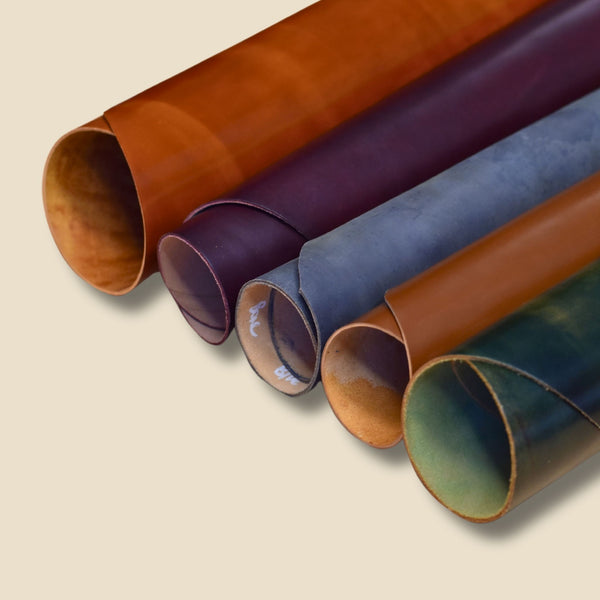
If your chosen kit comes with leather, its quality is just as important as the tools. For a beginner, there is no better material to learn on than vegetable-tanned leather. It’s firm, receptive to stamping and carving, and develops a beautiful patina over time. Be wary of kits that vaguely promise "genuine leather" or include a bag of thin, stretchy scraps. A quality kit will specify the type and weight of the leather. If you find your kit is lacking in this department, don't worry-you can always source your own. Browse our premium vegetable-tanned leather to find the perfect piece for your first projects.
Red Flags to Watch Out For
Navigating the market for leathercraft starter packs can be tricky, but a few warning signs are universal. A good Leatherworking 101 Guide will confirm you only need a handful of essential tools to begin, so be critical of kits that prioritize quantity over quality. Keep an eye out for these red flags:
- Suspiciously Low Prices: A 150-piece kit for €25 might seem like a deal, but it's often filled with tools that will fail quickly. Quality materials and manufacturing simply cost more.
- The "Everything But the Kitchen Sink" Approach: Avoid kits packed with dozens of flimsy, single-purpose plastic gadgets. You are far better off with a smaller set of five to ten well-made, essential tools.
- Vague Product Descriptions: Reputable sellers are proud of their materials. If a description doesn't specify the type of steel, wood, or leather included, it's best to steer clear.
Starter Pack vs. Building Your Own: Which Path is Right for You?
It's the first major decision every new leathercrafter faces: do you buy a pre-selected kit or assemble your own tools one by one? There’s no single right answer, but there is a best answer for you. Your choice depends on your budget, how much time you have for research, and your personal learning style. Let’s break down the two paths to help you start your journey with confidence.
The Case for a Curated Starter Pack
Think of a quality starter pack as a guided entry into the world of leatherwork. The best leathercraft starter packs are designed to give you everything you need-and nothing you don’t-for your first few projects. This path prioritizes doing over deliberating.
- Pros: It's the most cost-effective option, eliminates hours of research, and ensures you have all the essentials from day one.
- Cons: It may include a basic tool you'd prefer to upgrade sooner and offers less initial customization.
Best for: Beginners who are eager to start crafting immediately and want a proven, hassle-free foundation.
The Freedom of a DIY Toolset
For those who love the research process and want ultimate control, building a toolset from scratch is a rewarding path. You get to hand-pick every single item, from your stitching awl to your edge beveler, ensuring each tool meets your exact standards from the very beginning.
- Pros: You can invest in premium, specialized tools from day one and tailor the kit perfectly to your intended projects.
- Cons: It requires significant research, often has a higher initial cost, and carries the risk of overlooking a crucial tool.
Best for: Patient beginners who enjoy the details, have a specific project in mind, and want to build a "buy it for life" tool collection from the start.
My Advice for Absolute Beginners
If you came to me in the shop and asked for my honest opinion, I’d say this: start with a high-quality, well-curated starter pack. Why? Because the biggest hurdle in any new craft is inertia. A good kit removes that barrier. It provides the fastest, most direct path to the immense satisfaction of finishing your first project, whether it's a simple cardholder or a key fob.
You'll learn which tools you use most and which ones you're passionate about. From there, you can begin the wonderful journey of upgrading individual pieces as your skills grow. The goal is to get your hands on the leather and start creating, and a great kit makes that happen. If you ever need advice on which path is right for you, don't hesitate to reach out.
Beyond the Basics: Upgrading and Expanding Your Toolkit
Your journey into this timeless craft begins with one of our leathercraft starter packs, but it certainly doesn’t end there. Think of that initial set as your foundation-a solid base upon which you'll build a collection of tools that grows and evolves with your skills. As you move from simple keychains to complex bags, you'll discover the need for specialized tools that unlock new techniques and elevate the quality of your work from good to exceptional.
The key is to invest strategically in tools that solve specific challenges or open up new creative avenues. This isn't about buying everything at once; it's about thoughtfully curating a toolkit that reflects your unique style and ambition.
Your First Upgrades for Finesse
Once you've mastered the fundamentals, a few key additions will dramatically improve the precision and professional finish of your projects. These tools are often the difference between a piece that looks handmade and one that looks like true craftsmanship.
- Skiving Knife: Essential for thinning, or skiving, the edges of the leather. This allows for cleaner folds, less bulky seams, and a more refined construction, especially in wallet and bag making.
- Wing Divider/Compass: This tool is your secret to perfectly consistent stitch lines. It scores a faint, accurate guide parallel to the edge, ensuring your pricking iron and stitching are impeccably straight every time.
- Premium Edge Finishing Tools: While your starter kit gets the job done, upgrading to a high-quality edge creaser and a dense wood or canvas burnisher will give your projects those smooth, glossy, and durable edges that signify premium quality.
Expanding into Hardware
Adding metal hardware is one of the fastest ways to add function and a professional aesthetic to your leather goods. From the satisfying click of a snap to the sturdy hold of a rivet, hardware transforms your projects. To work with it, you’ll need a few dedicated tools.
Investing in a set of rivet and snap setters, along with a quality set of hole punches, opens up a world of possibilities for creating belts, bags, straps, and cases. It’s a simple step that yields impressive results, adding both durability and visual appeal. Ready to explore the options?
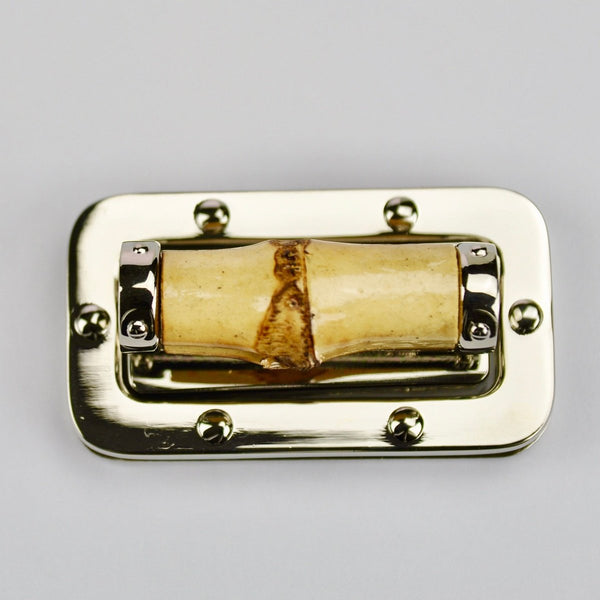
Discover our full range of leather hardware and see how the right components can elevate your next project.
Your Journey into Craftsmanship Begins Here
Embarking on a new craft can feel overwhelming, but as we've explored, the right foundation makes all the difference. Understanding the essential tools and knowing how to spot quality are your first steps toward creating something truly lasting. Whether you choose a pre-made kit or build your own toolkit from scratch, your path into leatherworking is now clearer than ever.
At Hab-To, we believe in starting right. That's why our Leathercraft starter packs are more than just a collection of items; they are a promise of quality. No compromises. Every project kit is built with tools we've hand-selected for durability and includes the same premium, vegetable-tanned leather we use ourselves. We're not just selling supplies; we're inviting you into the world of real craftsmanship.
And when you get stuck, you're not alone-expert advice from Mike is always here to help. Ready to start? Explore our hand-selected crafting bundles. The satisfaction of creating something beautiful and durable with your own hands is waiting for you.
Frequently Asked Questions About Leathercraft Starter Packs
What is the absolute minimum number of tools I need to start leathercraft?
To start, you need tools for four key functions: cutting, marking, punching, and stitching. This translates to a craft knife, a wing divider or groover, a set of stitching chisels, and a pair of harness needles with thread. A self-healing cutting mat and a mallet are also essential to protect your tools and workspace. This core set allows you to complete a basic stitched project from start to finish, forming the foundation of your craft.
Are the cheap leathercraft starter kits on Amazon or eBay worth it?
While the low price of mass-market kits is tempting, they often lead to frustration. The tools are typically made from low-grade steel that dulls quickly, making clean cuts and punches nearly impossible. My advice is to invest in fewer, higher-quality tools individually or from a trusted supplier. Adopting a "buy it once, buy it right" approach saves you money in the long run and ensures your journey into craftsmanship starts with enjoyment, not a struggle.
What is the best type of leather to get with a beginner's project kit?
For any beginner, I always recommend vegetable-tanned leather, or "veg-tan." It has a firm, responsive body that is perfect for learning fundamental skills like cutting, tooling, and burnishing edges. It holds its shape well and develops a beautiful, rich patina over time. Look for a medium weight, around 1.6-2.0mm (4-5 oz), as it’s incredibly versatile for first projects like cardholders, keychains, or simple wallets.
How much should I expect to spend on a good quality starter pack?
A quality starter pack is an investment in your craft. You should expect to spend between €100 to €250 for a curated set with durable, well-made tools that will last for years. This price range typically includes high-carbon steel chisels that stay sharp and tools with ergonomic handles. While cheaper leathercraft starter packs exist, a quality kit ensures you're fighting the learning curve, not your equipment. It is the key to a rewarding passion.
Can I make a wallet or a belt with a basic starter kit?
Absolutely! Most basic leathercraft starter packs are perfectly equipped for making items like cardholders and simple bifold wallets, as they contain the essential cutting, punching, and stitching tools. A belt, however, often requires a few additional tools. While possible with a knife, a dedicated strap cutter ensures a straight cut. You will also likely need a larger, specific-sized hole punch for the buckle tongue and the proper hardware, like a buckle and rivets.
What's the difference between a stitching chisel and a pricking iron?
This is a fantastic question. A stitching chisel is designed to punch a clean, diamond-shaped hole all the way through the leather, making it immediately ready for stitching. A pricking iron, by contrast, only marks the leather with angled teeth. You must then follow up with a diamond-shaped awl to pierce the final hole. Chisels are generally faster and great for beginners, while pricking irons offer more fine control and are preferred for high-end leatherwork.