


The Rocky Mountain Leather Trade Show
For all information and to sign up, visit the website:

The Rocky Mountain Leather Trade Show
For all information and to sign up, visit the website:

The Rocky Mountain Leather Trade Show
For all information and to sign up, visit the website:

A gathering in the heart of leather country
Every year, makers from across the United States (and increasingly from Europe as well) travel to the small western town of Sheridan. Set against the backdrop of ranching culture and traditional craftsmanship, it’s the perfect setting for an event rooted in heritage skills.
The show takes place at Sheridan College, usually in mid-May, when the weather starts to warm and the town fills with leatherworkers carrying toolboxes instead of briefcases.
But this isn’t a polished, corporate-style expo. When you walk in, you immediately notice the difference: the smell of leather, the sound of stamping tools, and tables filled not just with products—but with stories.

Read al about it!
Read all about this event, leather-working
step-by-step instructional articles,
leather art, custom saddle, boot and harness making and a special pattern pull-outs, in the newest edition of "The Leathercrafter's Journal".
Made for beginners as well as master crafters. Available on our website now!

More than a trade show
At its core, the Rocky Mountain Leather Trade Show is a place where the industry meets—but it feels more like a workshop than a marketplace.
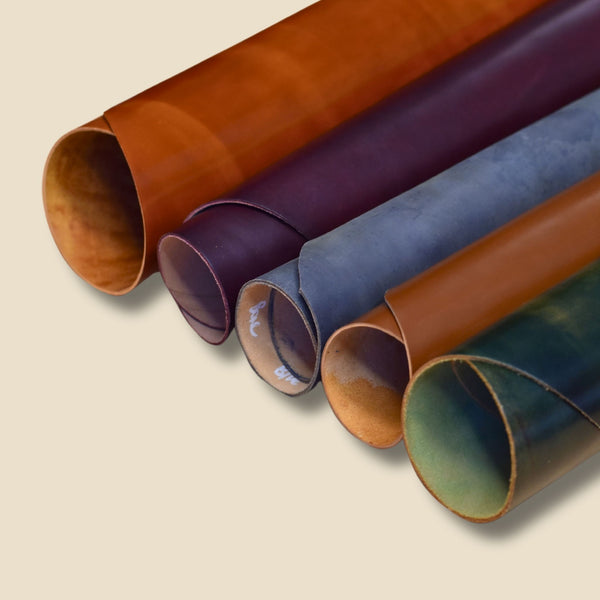
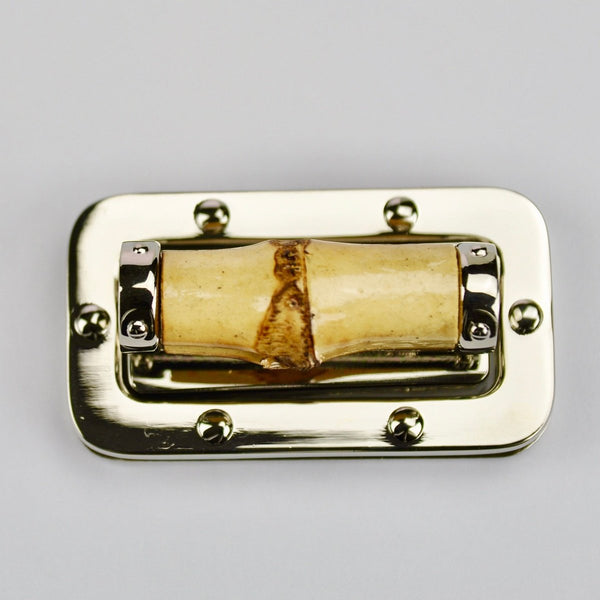
Yes, there are suppliers showing off hides, tools, and hardware. You’ll find everything from premium vegetable-tanned leather to specialized carving tools you won’t easily come across online. For many businesses, it’s a chance to discover new materials, build supplier relationships, and see products up close before buying.
But what really sets the event apart is how hands-on it is.
Throughout the show, classrooms and workspaces are filled with people learning—sometimes from some of the best leatherworkers in the world. You might walk past a beginner learning basic stitching, then step into another room where a master is demonstrating advanced tooling techniques that took decades to perfect.
Learning, sharing, improving
The educational side of the show is a huge draw. Workshops range from beginner-friendly introductions to highly specialized masterclasses. Topics often include:
- Traditional Sheridan-style carving
- Saddle making techniques
- Pattern design and construction
- Tooling, stamping, and finishing methods
It’s not unusual for attendees to spend full days in classes, then head straight back to the trade floor to apply what they’ve just learned—or to buy the exact tools they were just shown how to use.