Hab-To Leather House: Guide to Leather, Tools & Bundles
What if choosing leather for your next project didn’t mean buying more than you need or decoding a wall of technical terms? Hab-To Leather House brings vegetable-tanned leather, tools, hardware, and crafting bundles together for makers who want materials that fit the work in front of them. You can buy leather by square decimetre, panel, or shoulder, with no minimum order requirement.
It’s natural to want clear guidance before choosing a hide, especially when you’re new to leathercraft or working with an unfamiliar project. This guide will help you understand what Hab-To Leather House offers, how its vegetable-tanned focus shapes the range, and how to begin matching materials and supplies to your plans. You’ll also learn about curated bundles and educational support, including one-to-one video consultations with Mike.
Behind the shop is a family leather business founded in 1857, with generations of experience and a practical, maker-focused approach. Whether you’re planning a small first project or sourcing materials for regular work, start here to browse with more confidence.
Key Takeaways
- Hab-To Leather House brings vegetable-tanned leather, hardware, tools, and maker support together, so you can think through a project’s materials as a connected set.
- Leather is available by square decimetre, panel, or shoulder, with no minimum order requirement, making it easier to choose a purchase size that suits your project.
- Start by defining what you plan to make, then consider the leather and supporting supplies it calls for before browsing.
- Curated bundles offer a guided starting point, while educational resources and one-to-one video consultations can help you make informed choices.
- Whether you’re new to leathercraft or an experienced maker, match your materials to the project rather than buying supplies without a clear purpose.
What Is Hab-To Leather House? A Leather Supplier Built Around Makers
Welcome. If you’re planning a leathercraft project, choosing the right materials is only part of the job. You also need supplies that work together and guidance that makes the choices easier to understand. Hab-To Leather House brings those pieces together, serving makers with vegetable-tanned leather, leathercraft supplies, and personal, educational support.
The focus is on materials for making, not finished leather goods. Whether you’re exploring your first project or sourcing materials for regular work, Hab-To Leather House offers a practical place to learn about the range and find a useful starting point. This guide looks at the materials and supplies, the family knowledge behind the business, and the support available to makers.
What does Hab-To Leather House offer leatherworkers?
The shop’s leather offering is exclusively vegetable-tanned. In this process, plant-derived tannins are used to turn hides into leather. If you’d like a straightforward overview of the process, Vegetable tanning explains the basics.
Leather is just one part of the picture. Makers can explore connected categories such as:
- Vegetable-tanned leather for different kinds of projects
- Leather hardware and leatherworking tools
- Craft supplies, including leather glue and Tokonole
- Curated bundles that bring selected supplies together
That range can serve beginners and hobbyists finding their way into the craft, as well as professional artisans and micro brands sourcing materials for their work. The aim is to help makers choose components for a project, rather than offer ready-made leather goods.
What does the family history mean for today’s makers?
Hab-To Leather House was founded in 1857. That family history represents more than 160 years of experience with leather, built through long familiarity with materials and the needs of makers. It informs an approach that pairs product selection with clear, practical learning, so technical choices feel more approachable.
Mike brings over 25 years of personal leather expertise to that work. His role is part of the shop’s educational, maker-focused approach: helping people understand their options without assuming they already know the specialist language. You can read more about the company’s background on its Hab-To Leather House about page.
For a first project, that combination matters. You can explore materials and supplies while building a clearer sense of how they fit your plans, whether you’re making something for the first time or refining your regular workshop practice.
Vegetable-Tanned Leather and Craft Supplies: What You Can Source
Hab-To Leather House’s range is built around the materials and supporting supplies a maker uses to bring a project together. Its leather offering is exclusively vegetable-tanned: real hide tanned using plant-derived tannins. That describes the tanning method, not a synthetic or plant-based substitute for leather. For a fuller explanation of the process, see this overview of vegetable tanning.
Which leather types and formats can makers explore?
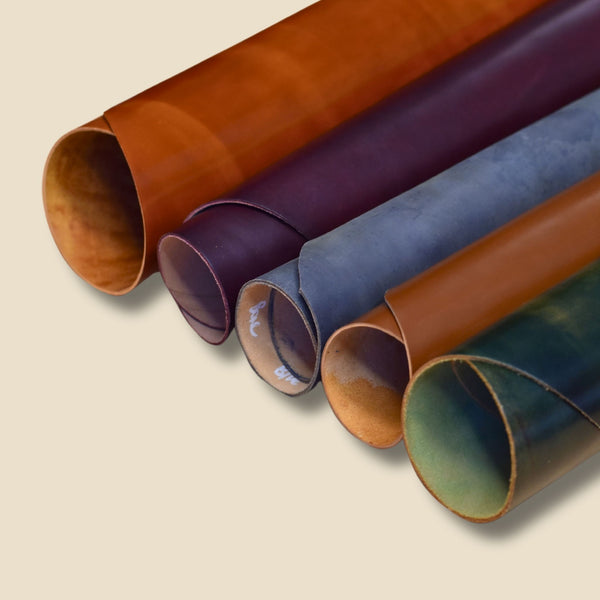
Examples include Pueblo, Vaccheta, and Shell Cordovan. These names point to different material options, not a promise that every type or specification is always available. The Pueblo leather collection is one place to explore a specific leather family. If you’re comparing terms or learning how the tanning method shapes the material, a dedicated guide to what vegetable-tanned leather is can provide useful background.
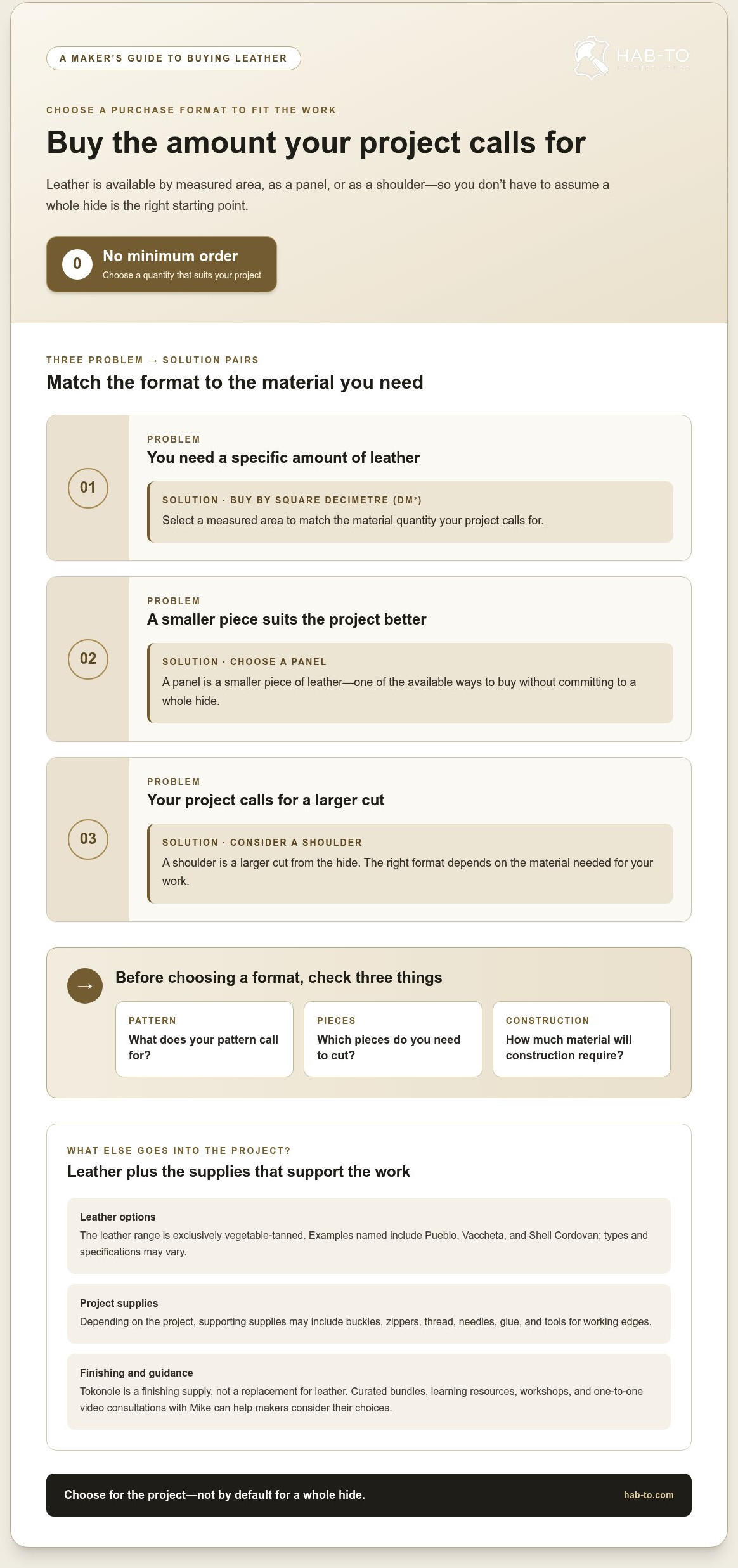
How the leather is sold can also help you match your purchase to the project. Buying by square decimetre (dm²) lets you select a measured area; a panel is a smaller piece, while a shoulder is a larger cut from the hide. There’s no minimum order requirement, so makers can choose a scale that fits their plans rather than automatically committing to a whole hide.
Which tools, hardware, and care supplies support a project?
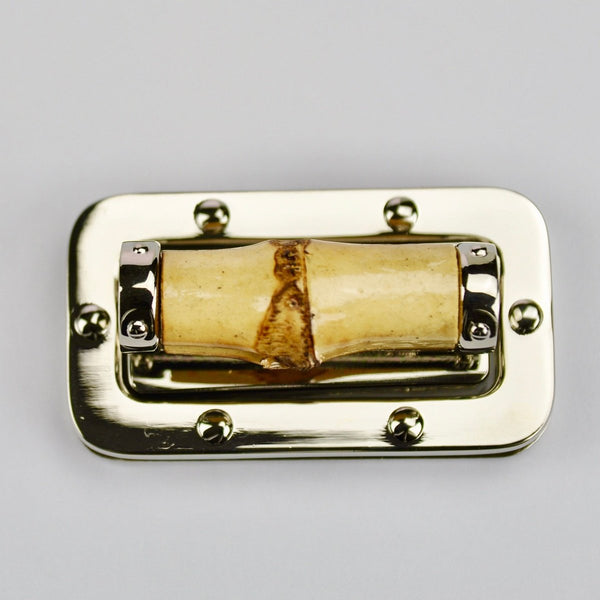
Leather is only one part of a finished piece. Depending on what you’re making, supporting supplies may include buckles, zippers, thread, needles, glue, and tools for working edges. These components help you plan the practical details alongside the leather itself. For a broader look at leatherworking as a traditional craft, Heritage Crafts’ leatherworking resource offers further context.
Care and finishing products belong in their own category. Tokonole, for example, is a finishing supply, not a replacement for leather. Learning resources and workshops can also help makers build skills as they work through a project. If you’re still deciding which supplies to gather, browsing a curated leathercraft bundle can offer a structured starting point.
Can You Buy from a Leather Wholesaler Without Ordering in Bulk?
Yes. Hab-To Leather House has no minimum order requirements, so buying from a leather wholesaler doesn’t have to mean committing to a whole hide. Leather can be purchased by square decimetre (dm²), as a panel, or as a shoulder. These formats give makers options for choosing a quantity that suits the work, from a focused one-off project to ongoing production.
The right format depends on your pattern, the pieces you need to cut, and how much material your construction requires. A shoulder is a larger cut; a panel or measured area may better suit a smaller project. The available format can vary by leather type, so think of these as purchasing options rather than assuming every leather comes in every format.
How can small cuts and panels help makers plan a project?
Smaller quantities can help you explore a material before planning a larger run, make a prototype, complete a repair, or source leather for limited-run work. They’re also useful when a project needs only a few specific components. Buying a measured area or panel can help keep your selection aligned with the pattern, rather than leaving you to plan around a whole hide.
Before choosing, list the parts you need and consider how they’ll be cut and assembled. Allow for the project’s construction needs, not just the visible surface area. If you’re new to ordering leather online, a buying leather online guide can help you understand what to consider when comparing materials and purchase formats.
How can bundles make a first project easier to organize?
Bundles offer a curated starting point for makers who’d rather begin with a grouped selection than assemble every supply individually. Hab-To’s bundle categories include Starter Bundles, Leather Bundles, Tokonole Bundles, and Stitching Bundles. Each gives you a project-related browsing path, while the individual listing provides the details of what that bundle contains.
They can be a helpful way to focus your first purchase or organize supplies around a particular area of leathercraft. You can also use them as a starting point for exploring materials and tools, then choose further items according to your own project. Explore leathercraft bundles to find a starting point that suits your plans.
How to Choose Materials and Get Helpful Leathercraft Guidance
A clear material choice starts with the project, not the product catalogue. At Hab-To Leather House, makers can work through a simple sequence: decide what you’re making, consider how it will be used and constructed, then identify the leather and supplies that fit those needs. This keeps the selection practical, whether you’re making a bag, belt, watchstrap, or stationery item.
How should a maker match leather to a project?
Begin with the finished item and the demands you expect it to meet. A bag, for example, has different design and construction considerations from a watchstrap or a stationery piece. Think about the shape and size of each component, how the parts will be joined, and the look you want from the material.
Next, compare the leather options by their listed characteristics and suitability for your project. Terms such as temper refer to how firm or supple leather feels, while thickness describes its measurement. These details can help you compare choices, but the best fit depends on the design and how you plan to work the leather. If you’re unsure how to narrow the options, Mike offers free, one-to-one project-selection support through a free video consultation.
What learning resources can help you build confidence?
Good guidance can turn unfamiliar terms into useful choices. Hab-To’s learning resources include masterclasses, reference books, and blog articles, alongside The Leather Hour podcast. Explore them to build your understanding of materials and techniques at a pace that suits you. The shop’s family-business heritage offers another lens on its approach to leather and making.
Keep the process simple: define the item, note its construction needs, compare the relevant material characteristics, then choose the supporting supplies. You don’t need to master every tool or technical term before beginning. A focused project and a little guidance can help you make your next choice with more confidence.
Start Your Leathercraft Project with Hab-To Bundles and Supplies
Ready to move from browsing to making? Habto leatherhouse brings together vegetable-tanned leather, tools, hardware, and curated bundles for beginners, hobbyists, and working makers. You can start with a bundle if you’d like a guided way into the range, or browse individual materials and supplies when you already know what your project calls for.
Which bundle is a sensible starting point for a new maker?
Starter Bundles offer a clear entry point if you’re beginning leathercraft and want a focused place to start. Other confirmed bundle categories include Leather Bundles, Tokonole Bundles, and Stitching Bundles. Each category gives you a different route into browsing, without needing to figure out every individual supply before you begin. Check the details on the listing to understand what a particular bundle includes.
A bundle can help organize your first selection, but it doesn’t replace thinking about the project itself. Consider what you want to make and which materials or techniques you plan to explore. If you already have a specific idea, browsing by leather or supply category may make it easier to choose deliberately. For a guided first step, explore the leathercraft starter bundles.
How can makers move from browsing to choosing?
Give your project a simple plan before adding supplies. Note the item you’re making, the pieces it requires, and the tools or hardware needed for its construction. Then select leather and supporting materials that suit those needs. A bag project, for example, may call for a different combination of materials and components than a small stationery piece.
You don’t have to order a whole hide to get started. Hab-To has no minimum order requirement, and leather can be purchased by square decimetre, panel, or shoulder. Choose the format that fits your project and the way you plan to work, bearing in mind that purchase formats can vary across leather types. This gives individual makers room to begin at a practical scale, while experienced makers can source for the work they have planned.
Keep the first choice focused. Start with the project, select the materials and tools it needs, and use a bundle if you’d prefer a curated starting point. Browse Hab-To’s leathercraft bundles
Choose Your Materials and Make a Confident Start
Hab-To Leather House brings vegetable-tanned leather, tools, hardware, and curated bundles together for makers at different stages. Founded in 1857, the family business draws on over 160 years of leather expertise. With no minimum order requirement and leather available by dm², panel, or shoulder, you can choose a practical scale for your project. Mike’s free one-to-one video consultations offer personal help with material selection.
A practical starting point: Explore leathercraft bundles for a curated way to browse supplies for your next project.
Further reading:
Choose one project, gather what it needs, and enjoy bringing your idea to life.
Frequently Asked Questions
What is Hab-To Leather House?
Hab-To Leather House is a leather and leathercraft supply business for makers, from beginners and hobbyists to professional artisans and micro brands. Its offering brings together vegetable-tanned leather, hardware, tools, craft supplies, and learning resources. Founded in 1857, this family business draws on over 160 years of leather expertise to help makers explore materials and plan projects with practical support.
Does Hab-To Leather House sell vegetable-tanned leather only?
Yes. Hab-To Leather House focuses exclusively on vegetable-tanned leather. Vegetable tanning uses plant-derived tannins to process animal hides into leather. Examples in the range include Pueblo, Vaccheta, Shell Cordovan, and Olivenleder. These are examples of material types, not a guarantee that every type or specification is available in every format. Consider the needs of your project as you compare options.
Can I buy leather from Hab-To without ordering a whole hide?
Yes. There’s no minimum order requirement, and leather can be purchased by square decimetre (dm²), panel, or shoulder. A measured area or panel may suit a smaller project, while a shoulder is a larger cut. The format can vary by leather type, so don’t assume every material is offered in every format. Plan the amount around your pattern and construction needs.
What can I buy from Hab-To Leather House besides leather?
You can also find leather hardware, leatherworking tools, and craft supplies. Depending on your project, these categories can include items such as buckles, zippers, thread, needles, glue, and edge-finishing supplies. Tokonole is another option for leather finishing. Curated bundles and educational resources round out the range, helping makers explore supplies and techniques alongside their choice of leather.
Are Hab-To bundles suitable for beginner leatherworkers?
Yes. Curated bundles can give beginners a more focused way to explore leathercraft supplies without starting from a long list of separate items. Bundle categories include Starter Bundles, Leather Bundles, Tokonole Bundles, and Stitching Bundles. The contents can differ, so review each listing to understand what it includes and decide whether it fits the project or technique you want to try.
Can someone help me choose leather for my project?
Yes. Mike offers free one-to-one video consultations to help makers think through project selection and leather choices. Before the conversation, consider what you plan to make, how it will be constructed, and what qualities matter for your design. Mike brings over 25 years of personal leather expertise, while Habto leatherhouse also offers educational resources to help you build confidence as you compare materials.
Disclaimer
All our blog articles are made for information purposes only we dont take responsability for any content from third parties.