Leather Craft Ideas for Market Stalls: Profitable Projects for 2026
Why spend ten hours on a complex briefcase when a handful of minimalist wallets could pay your stall fee by noon? It's a common trap for many makers. You pour your soul into a masterpiece, only to watch it sit on the table while customers reach for smaller, tactile items. Finding the right leather craft ideas for market stalls isn't just about showing off your technical skills. It's about understanding the psychology of the market shopper and making your material work harder for you.
I've seen many talented crafters struggle because their stall looks cluttered or their price points are all over the place. You're right to worry about expensive hides going to waste on items that don't move. It's frustrating when hours of labor don't translate into sales. You want a professional, cohesive display that attracts high-value customers without burning you out. It's a delicate balance between art and business. This guide helps you strike that balance perfectly.
You will discover a curated list of high-margin items designed for 2026 trends, from clever ways to use premium vegetable-tanned scraps to the "anchor" pieces that justify your expertise. We'll look at how to build an inventory of impulse buys and luxury staples that turn casual browsers into loyal fans of your craft. Let's turn your passion into a profitable market strategy.
Key Takeaways
- Learn how to leverage the "touch factor" of premium vegetable-tanned hides to turn curious browsers into paying customers.
- Discover a curated list of high-margin leather craft ideas for market stalls, ranging from high-volume key fobs to sophisticated minimalist cardholders.
- Master the art of strategic sourcing by identifying why shoulder cuts are the most profitable choice for your market inventory.
- Optimize your stall’s visual appeal with vertical merchandising techniques that attract high-value clients from across the square.
- Understand the critical balance between low-cost impulse buys and premium staples to ensure your stall fee is covered early in the day.
The Psychology of Market Sales: What Drives Leather Purchases?
Walking through a busy market is a sensory experience. Colors, sounds, and smells all compete for a visitor's attention. For the leatherworker, your greatest weapon is the unmistakable scent of genuine vegetable-tanned leather. It pulls people toward your stall before they even see your work. Once they're standing in front of you, the tactile experience takes over. This is where your leather craft ideas for market stalls either succeed or fail. People don't just buy with their eyes; they buy with their hands.
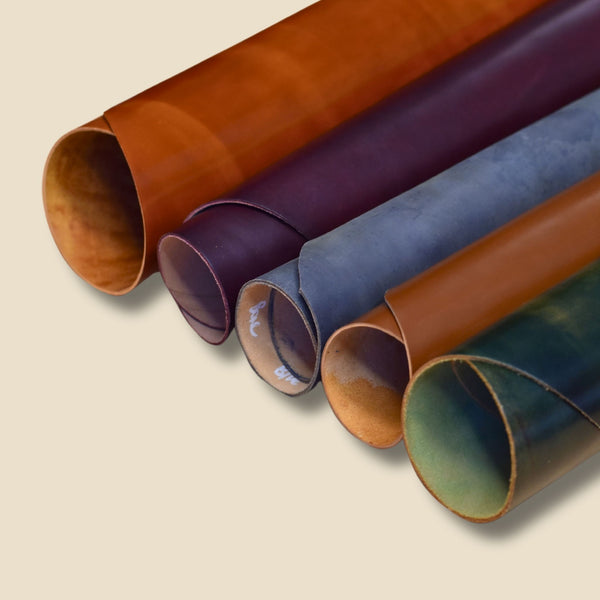
The "Touch Factor" is a powerful psychological trigger. Customers can't resist running their fingers over a well-textured hide. Using a material like Badalassi Pueblo leather creates an immediate, visceral connection. Its unique, slightly roughened surface invites interaction and curiosity. When a customer picks up an item, the psychological sense of ownership begins to take root. You aren't just selling a simple cardholder. You're selling a sensory experience and the promise of a lifetime of use.
To better understand how a simple, well-crafted accessory can capture a customer's interest, watch this helpful video:
Markets host two distinct types of buyers. There's the impulse shopper looking for a quick, affordable win and the considered buyer searching for a legacy piece. Your brand story must bridge these two worlds. By using consistent, high-quality hardware and premium hides, you demonstrate that your smallest items receive the same care as your most expensive bags. This consistency builds trust instantly. It tells the customer that you are a master of your craft, regardless of the price point.
The Three-Tier Inventory Strategy
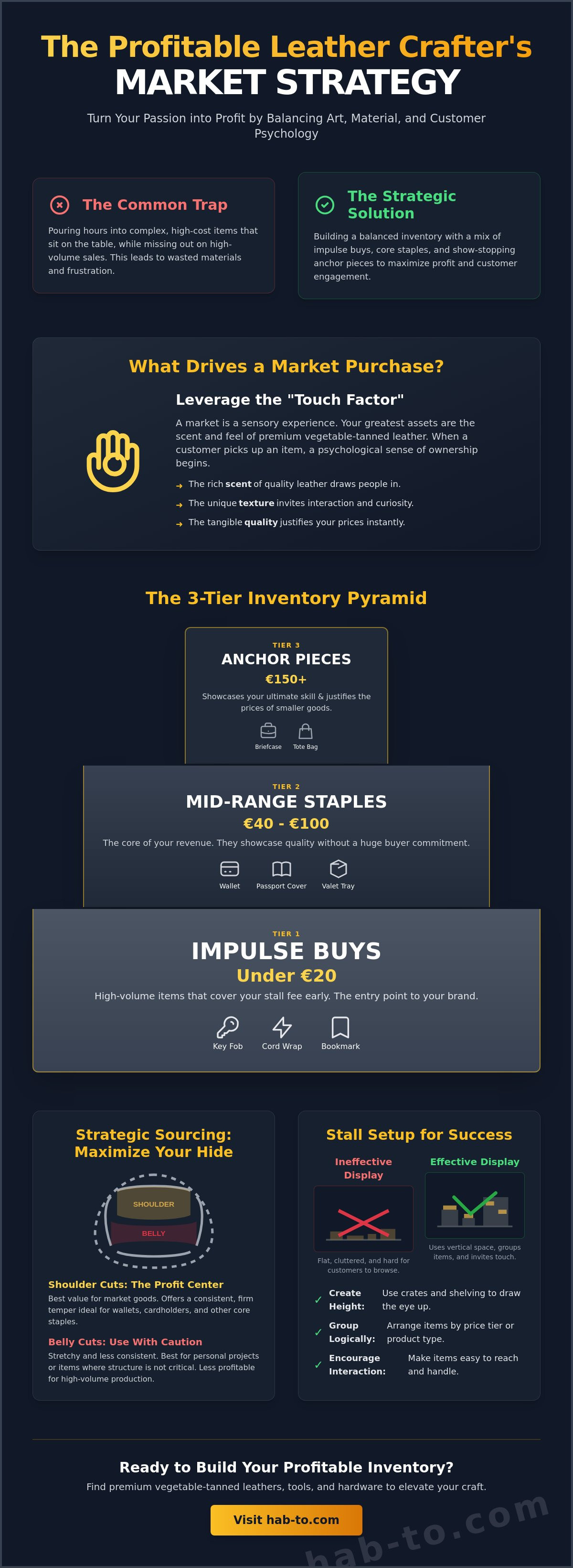
- Tier 1: Entry-level impulse items (under €20). These are small goods like key tags, cord wraps, or bookmarks. They are designed to cover your stall fee within the first few hours of the market.
- Tier 2: Mid-range staples (€40-€100). This is your core revenue. Minimalist wallets, valet trays, and passport covers sit here. These items showcase your skill without requiring a massive financial commitment from the buyer.
- Tier 3: Anchor pieces (€150+). These are your "showstoppers." Even if they don't sell every weekend, they prove your expertise and justify the pricing of your smaller goods.
Why Material Quality Dictates Your Price Ceiling
Using premium Italian leathers like Maryam Vaccheta changes the conversation with your customers. You won't have to defend your prices when the quality is visible in every pore and fiber. Shoppers at craft fairs value transparency and authenticity. They want to hear about the leather crafting techniques you've mastered and where your materials originate. Authentic vegetable-tanned leather is a living material that develops a rich, personal patina, growing more beautiful and characterful with every year of use.
Bread and Butter: High-Volume Leather Craft Ideas
Your market stall needs an engine. These are the items that sell consistently while you're busy discussing premium commissions with collectors. High-volume goods act as the primary entry point for your brand. Think about key fobs and "hotel-style" key tags. When you pair these with solid brass hardware, they feel substantial and professional. They are among the most effective leather craft ideas for market stalls because they require minimal material but offer high perceived value.
Modern shoppers love utility. Cable organisers and earbud wraps are essential for the tech-savvy market-goer. These projects are incredibly efficient for your production schedule. Using Virgilio Pueblo Leather in a 1.4mm weight allows you to create no-stitch or minimal-stitch designs that still feel rugged. The leather is sturdy enough to hold its shape but thin enough to avoid unnecessary bulk. You can also craft minimalist bookmarks using thin, high-character leathers like Vacchetta. They're tactile. They're useful. They're easy to display in a small basket near your checkout.
Don't overlook the "Everyday Carry" (EDC) community. Small slips for lighters or pocket tools are fast sellers. These are quick wins. They allow you to showcase beautiful grain patterns on a small scale without the time investment of a full wallet. If you're looking to start your next batch of inventory, our leatherworking tools can help you achieve those crisp, professional edges that catch a customer's eye.
The 'Scrap' Goldmine: Maximising Yield
Waste is the enemy of your profit margin. Every corner offcut is a potential cord wrap or zipper pull. To truly succeed, you must master the art of the layout. Learning how to measure leather is the first step in ensuring every square inch contributes to your bottom line. Calculate your yield carefully. When you know exactly how many key tags fit into a single shoulder, you can price with confidence. Turning "waste" into "inventory" is how you survive the high costs of market trading.
Personalisation as a Sales Accelerator
Want to stop people in their tracks? Offer on-the-spot monogramming. A simple heat-stamping setup at your stall changes the entire dynamic of a sale. It turns a generic accessory into a personal treasure. Customisation reduces price sensitivity because the item becomes unique to the buyer. You only need a small alphabet set and a heat press or even a manual stamping jig. It's an investment that pays for itself in a single busy weekend. People value the experience of watching their initials being pressed into the grain. It's theatre and retail combined.
Mid-Range Staples: The Core of Your Market Inventory
Once your impulse items have covered the stall fee, your mid-range inventory does the heavy lifting for your daily profit. These products represent the heart of your brand. They are the items customers pick up, examine closely, and eventually decide are worth the investment. While key fobs draw people in, minimalist cardholders and valet trays are the leather craft ideas for market stalls that build a sustainable business. They offer the perfect balance of manageable craft time and high material appeal.
The modern market shopper has moved away from bulky, traditional bifolds. Today, the trend is firmly focused on "front-pocket" carry. A well-designed minimalist cardholder meets this demand perfectly. It requires less leather than a full wallet but allows you to showcase your stitching and edge-finishing skills. Similarly, valet trays or "catch-all" dishes have become essential home decor pieces. They are incredibly high-margin because they are essentially flat leather with four rivets or a few simple stitches at the corners. They solve a problem for the customer while letting the natural beauty of the hide shine.
Don't forget the classics. A handmade belt with a solid brass buckle is a staple that never goes out of style. Avoid cheap plated hardware; solid brass is non-negotiable for quality and longevity. It develops a character alongside the leather that customers find irresistible. With the post-pandemic travel boom still in full swing, passport covers and travel wallets are also seeing a massive resurgence. These items tell a story of adventure and durability that resonates deeply at craft fairs.
Designing for Efficiency
Profit lives in the minutes you save during production. Switch to "one-piece" cardholder patterns to drastically reduce your stitching time. For these rugged, unlined items, I highly recommend using Badalassi Pueblo 2.2-2.4mm. Its thickness provides enough structure that you don't need to double up or line the pockets. Standardizing your hardware sizes across your entire range also saves costs. If every valet tray and key fob uses the same rivet size, you can buy in bulk and reduce your overhead significantly.
The Power of the 'Limited Edition' Material
Every stall needs a "halo" product. Incorporating Maryam Shell Cordovan into small accent pieces or premium cardholders creates immediate prestige. Known as the "King of Leathers," Shell Cordovan has a dense fiber structure and a glass-like finish that no other material can match. Create a "Premium Corner" in your display for these high-end pieces. Even if a customer doesn't buy the Shell Cordovan wallet, its presence justifies the pricing of your other vegetable-tanned goods. It shows you aren't just a hobbyist; you're a connoisseur of the finest materials in the world.
Strategic Sourcing: Shoulders vs. Bellies for Profit
Selecting the right cut of hide is a decision that directly impacts your bottom line. For the artisan vendor, shoulder leather is the 'Goldilocks' cut. It provides a firm, consistent temper and a rectangular shape that makes pattern layout efficient and predictable. This is essential when you're preparing leather craft ideas for market stalls, as every square centimeter must count toward your profit. While bellies are often cheaper, their looser fiber structure and stretchy nature make them better suited for cost-effective prototypes or rustic accessories like simple wrap-around journals.
Understanding thickness is equally vital. We usually measure in millimeters or ounces. For cardholders and small slips, a 1.4mm weight is usually the sweet spot. It's thin enough to layer without becoming bulky, yet thick enough to feel substantial in a customer's hand. If you want to dive deeper into why this specific cut is so favored by professionals, read our guide on what is shoulder leather. It explains how the anatomy of the hide dictates the quality of your finished goods.
Cost-Effective Premium Sourcing
You don't have to buy massive quantities to get world-class quality. Buying half-shoulders is a brilliant way to access premium Italian tanneries without a huge upfront investment. For many of my own projects, Virgilio Vacchetta is the versatile workhorse of the inventory. Vacchetta is a traditional, fat-liquored Tuscan leather that offers a smooth, natural finish. It's easy to work with and develops a deep, honeyed patina that sells itself. This material allows you to offer high-end goods at a price point that still feels accessible to the weekend shopper.
Hardware and Finishing Touches
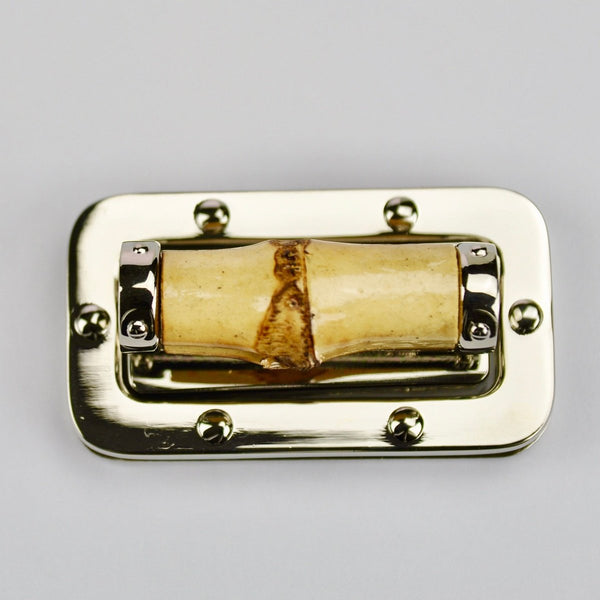
The details are what turn a browser into a buyer. Solid brass hardware outlasts and outsells plated alternatives because it carries a weight and honesty that people can feel. It won't chip or rust; it only gets better with age. Your choice of edge finishing also dictates your stall's overall vibe. A clean, burnished edge feels heritage and timeless, while edge painting can add a pop of contemporary color. Whichever you choose, be consistent. Using the same thread weight and finishing technique across your whole range creates a "house style." This visual cohesion makes your stall look professional and established. Ready to start your next project? Browse our selection of vegetable tanned leather to find the right hide for your vision.
Stall Setup and Visual Merchandising for Leathercrafters
You've spent weeks perfecting your stitching and selecting the finest hides. Now, the way you present your leather craft ideas for market stalls will determine if customers walk past or stop to buy. Most vendors make the mistake of laying everything flat on the table. This creates a "sea of brown" that's hard to navigate from a distance. To catch the eye of a shopper across the square, you must embrace verticality. Use tiered racks, wooden stands, or even hanging displays to bring your products up to eye level. When you vary the height of your items, you create visual interest and make it easier for people to scan your inventory.
Leather is a sensory product. It's meant to be handled. One of the most effective tools in your merchandising kit is a simple, tasteful "Touch Me" sign. By explicitly giving permission, you break down the barrier between the customer and the product. Encourage them to feel the unique texture of Pueblo leather or the smooth finish of Vacchetta. Lighting plays a crucial role here too. If your market is indoors or under a canopy, invest in warm, battery-operated LED spotlights. Warm light is essential for showcasing the rich grain and deep colours of vegetable-tanned leather, making your stall feel inviting rather than clinical.
Trust is your silent salesperson. When you source your materials from a wholesaler with 160 years of heritage, you aren't just buying leather. You're buying a story of tradition and quality that you can pass on to your customers. Mentioning the lineage of your materials adds a layer of authority to your brand that mass-produced alternatives simply can't match.
Storytelling Through Display
Authenticity sells. Try displaying a raw, unfinished half-shoulder as a backdrop to your finished goods. It shows the journey from raw material to refined accessory. You can also use "work-in-progress" photos or your favourite leatherworking tools as props on your table. This proves that you are the maker, not just a reseller. Finally, ensure your price tags are clear and professional. Don't make customers ask for a price; it creates friction. A clean, legible tag that includes the type of leather used reinforces the premium nature of your craft.
The Hab-To Advantage for Market Vendors
Building a successful market business requires a partner who understands the needs of an artisan. We offer a distinct advantage by providing access to world-class tanneries like Maryam, Badalassi Carlo, and Virgilio without the burden of heavy investment. Our "No Minimum Order Quantity" (MOQ) policy means you can test new leather craft ideas for market stalls by ordering exactly what you need for a small batch. Whether you're looking for a single hide of Shell Cordovan or a selection of hardware, we're here to support your growth. Ready to elevate your inventory for the 2026 season? Explore our full range of premium leathers and hardware and start crafting your next bestseller today.
Turn Your Craft into a Thriving Market Presence
Success at a craft fair is about more than just technical skill. It's about strategy. You've learned how to balance your inventory between high-volume impulse buys and the premium anchor pieces that define your brand identity. By choosing the right hide cuts, like firm shoulders over stretchy bellies, you ensure every project is both durable and profitable for your business. Implementing sensory merchandising and vertical displays will help your leather craft ideas for market stalls stand out in a crowded square, turning casual browsers into loyal collectors.
We are here to support your growth with 160 years of family expertise in the leather trade. You don't need to place large industrial orders to access the world's best materials. We provide direct access to premium Tuscan tanneries with no minimum order requirements, allowing you to test new designs and leather craft ideas without financial risk. Whether you're a seasoned professional or just starting your first batch of inventory, we're your partner in authentic, high-quality craftsmanship.
Start your market journey with premium Italian leather from Hab-To and build an inventory that truly reflects your passion. Your customers are waiting to feel the difference that quality makes.
Frequently Asked Questions
What are the best-selling leather items at craft markets?
Small, tactile goods like key fobs, minimalist cardholders, and cord organizers are consistent best-sellers. These items allow customers to experience the quality of your work without a high financial commitment. They are the essential leather craft ideas for market stalls that keep your cash flow moving during slow hours. High-utility items like valet trays also perform well because they appeal to home decor enthusiasts looking for unique, functional gifts.
Is it worth using expensive leather like Shell Cordovan for market stalls?
Yes, Shell Cordovan is worth using as a strategic "anchor" piece to showcase your mastery. While a full briefcase might be too expensive for a casual market buyer, a single Shell Cordovan cardholder acts as a halo product. It draws in connoisseurs and justifies the premium pricing of your other vegetable-tanned goods. Use it sparingly to create a "premium corner" that elevates your entire brand and demonstrates your commitment to quality.
How many items should I have in stock for my first leather craft market?
You should aim for approximately 50 to 75 pieces for your first event. Break this inventory down into 60% low-cost impulse buys, 30% mid-range staples, and 10% high-end anchor pieces. This variety ensures you have something for every budget while keeping your table looking full and professional. Don't overproduce complex items until you've tested the local market's appetite for specific designs and colors.
How do I price my leather goods for a market stall?
Price your goods by calculating the total cost of materials and adding your hourly labor rate, then doubling that figure for a retail margin. You must also factor in your stall fee and travel costs as part of your overhead. If a small accessory takes an hour to craft, your price should reflect both your time and the premium nature of the hide. This ensures your business remains sustainable and profitable over the long term.
What is the best leather thickness for small market items?
The ideal thickness for most small market goods is between 1.2mm and 1.4mm. This weight is perfect for minimalist wallets and passport covers because it remains slim while providing enough structural integrity. If you're crafting unlined valet trays or heavy-duty belts, you'll want to step up to 2.2mm or even 3.5mm for that rugged, long-lasting feel customers expect from handmade leather. Matching the thickness to the function is key for quality.
Can I sell leather goods made from scraps?
Selling scrap-based goods is one of the most effective ways to increase your profit margins. Corner offcuts from large hides are perfect for creating cable organizers, zipper pulls, or simple bookmarks. These small items require almost zero material cost since they use leather that would otherwise be discarded. They are popular impulse buys that help you extract the maximum value from every hide you purchase, turning waste into profit.
Do I need a monogramming machine for my market stall?
You don't need an expensive machine, but offering personalization is a powerful sales driver. A simple manual stamping set and a mallet can provide on-the-spot monogramming that delights customers. This service turns a generic item into a personalized treasure, often allowing you to charge a premium for the customization. It’s a low-cost investment that significantly reduces a customer's hesitation during the buying process by adding immediate personal value.
Which leather type is best for beginners starting a market business?
Vegetable-tanned shoulder leather is the best choice for beginners due to its firm temper and ease of finishing. It’s forgiving to work with and responds beautifully to burnishing and stamping techniques. Hides like Vacchetta or Pueblo are excellent leather craft ideas for market stalls because their natural character and unmistakable scent do the selling for you. They offer a professional look that builds customer trust even if you are just starting your journey.