Starting a Handmade Leather Business: The Artisan’s Sourcing and Growth Guide
What if your biggest barrier to starting a handmade leather business isn't your skill level, but the massive rolls of leather sitting in a warehouse you aren't allowed to buy? It is a common frustration for many artisans. You want to move beyond hobbyist projects, but high minimum order quantities and confusing leather grades make the professional world feel out of reach. You shouldn't have to choose between low-quality hides and financial risk just to get your brand off the ground.
I understand this struggle because I've seen it from both sides of the workbench, drawing on a 160-year family heritage in the trade. This guide provides the roadmap you need to transition into a professional leather artisan. You'll learn how to access premium Italian leather without the burden of bulk inventory. We'll also cover the essential professional toolkit and how to choose materials that align with a sustainable, high-end brand. From selecting the right vegetable-tanned panels to mastering your first professional edge, here is how you build a business that lasts.
Key Takeaways
- Learn why building your brand around vegetable-tanned leather ensures sustainability and long-term customer loyalty.
- Discover how to protect your cash flow by sourcing premium Italian hides with no minimum order quantity when starting a handmade leather business.
- Identify the specific professional-grade tools required to achieve a high-end finish that sets your work apart from amateur projects.
- Understand how to calculate your true production costs and leverage premium materials to command higher retail margins.
- Explore storytelling techniques that turn your sourcing process and European material choices into a powerful marketing narrative.
Defining Your Brand: The Sustainable Leathercraft Niche
When you're starting a handmade leather business, the first decision you make shouldn't be about your logo or your website. It should be about the material you hold in your hands. Your choice of leather is your most powerful marketing tool. It tells your customer whether you value speed and low costs or tradition and durability. In an age of disposable fashion, choosing a material that lasts for decades is a radical and effective way to stand out.
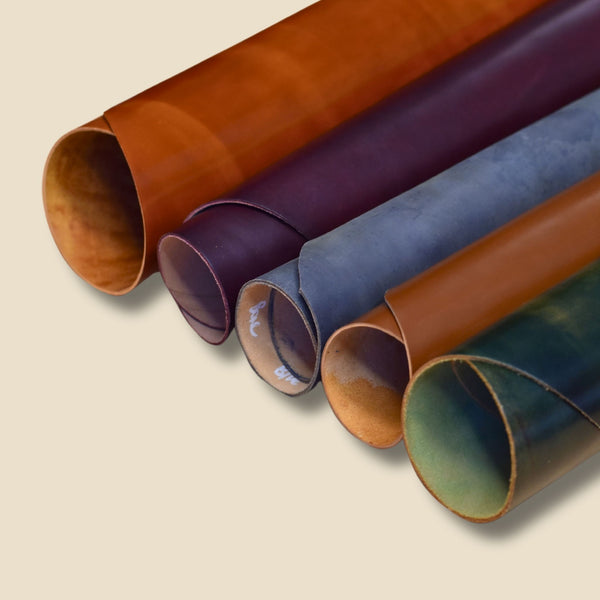
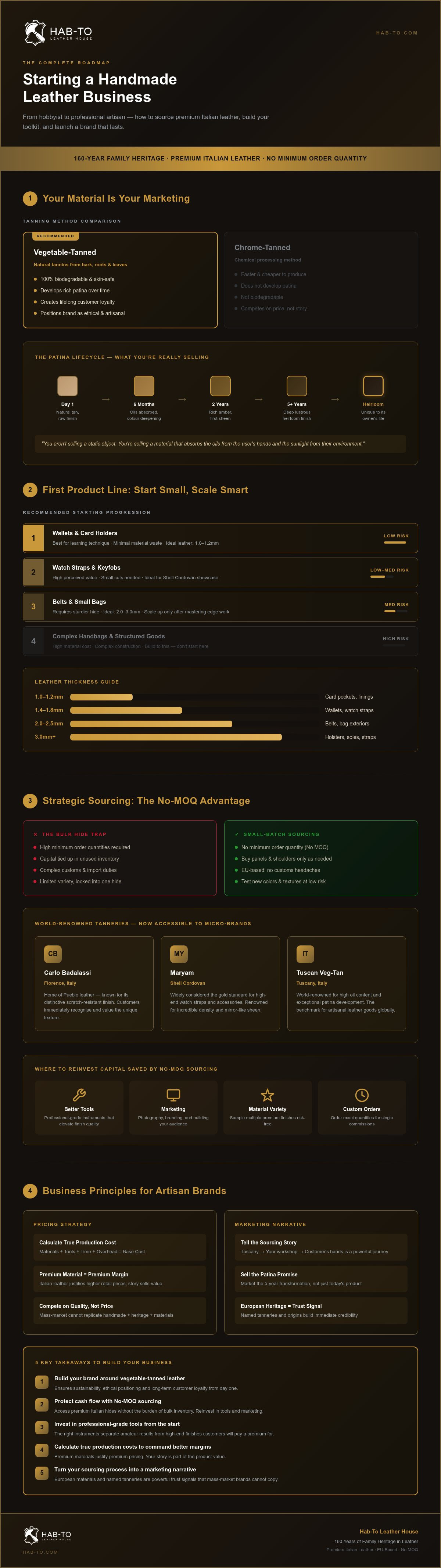
We lean into a "Veg-Tan Only" philosophy. Vegetable-tanned leather is processed using natural tannins found in bark, roots, and leaves. This method is slower and more expensive than chrome tanning, but it produces a hide that is biodegradable and safe for the skin. By committing to this path, you position your brand as ethical and artisanal from day one. Drawing from a 160-year family heritage in the trade, I've seen that this choice creates lifelong customers. People don't just buy a wallet; they buy an heirloom that carries a specific story of craftsmanship.
The Aesthetic of Aging: Selling the Patina
One of the strongest selling points for your brand is the concept of "getting better with time." Customers are often willing to pay a premium for products that evolve. This is why the story of Italian vegetable-tanned leather is so vital to your product descriptions. You aren't just selling a static object. You're selling a material that absorbs the oils from the user's hands and the sunlight from their environment. Tuscan veg-tan hides are world-renowned for their high oil content and unique ability to develop a deep, lustrous shine that reflects the life of the owner. When you describe this process, you transform a simple purchase into a long-term relationship between the customer and the craft.
Choosing Your First Product Line
It is tempting to jump straight into complex handbags, but starting a handmade leather business is often more successful when you focus on small goods first. Items like wallets, cardholders, and watchstraps allow you to master your technique without wasting large amounts of expensive hide. These smaller projects also let you test different leather weights. A 1.2mm hide might be perfect for a card pocket, but you'll need something sturdier for a belt or a structural bag. If you're unsure which thickness to choose, I recommend reading our guide on How to Measure Leather to ensure your material matches your project perfectly. Matching the right weight to the right design is the difference between a product that feels amateur and one that feels professional.
Strategic Sourcing: Why No Minimum Order Quantity (MOQ) is Your Secret Weapon
Cash flow is the lifeblood of any new venture. When you're starting a handmade leather business, it's easy to fall into the "Bulk Hide Trap." Many traditional wholesalers require you to purchase multiple full hides just to secure a professional price. This ties up your limited capital in inventory that might sit on a shelf for months. It is a stressful way to work. Instead of buying bulk, successful artisans focus on sourcing panels and shoulders. This strategy allows you to diversify your product line without the financial burden of excess material taking up space in your workshop.
Sourcing from a reliable EU-based wholesaler also eliminates the headache of customs risks and unexpected import duties. You get direct access to world-renowned tanneries like Carlo Badalassi and Maryam without needing to navigate complex international shipping logistics. By choosing a partner that offers a "No MOQ" policy, you can act with the authority of a large brand while maintaining the agility of a small studio. It means you can spend your money on better tools or marketing instead of hides you don't yet need.
The Small-Batch Advantage
Small-batch production is your greatest competitive strength. It lets you test new colors and textures with almost zero financial risk. For instance, using Pueblo leather by Carlo Badalassi allows you to offer a distinct, scratch-resistant finish that customers immediately recognize and value. If a client requests a specific commission in a unique shade, you can order exactly what you need for that single project. This keeps your workshop lean and your designs fresh. To help you get started with a curated selection of materials, our leather bundles are an excellent way to sample various premium finishes without a huge investment.
Premium Materials for Micro-Brands
To compete with mass-market brands, you must offer something they cannot: uncompromising quality. Maryam Shell Cordovan is widely considered the gold standard for high-end watchstraps and accessories due to its incredible density. As a micro-brand, having access to these materials in small quantities is a massive edge. I always invite artisans to visit our Amsterdam showroom for "touch-and-feel" testing. It is the best way to understand the temper and weight of a hide. If you can't make it to Amsterdam, you can book a free video consultation to discuss your sourcing needs. We can look at the grain and color together through the screen, ensuring you feel confident in every piece you buy.
Professional Toolkit: What You Will Need to Start
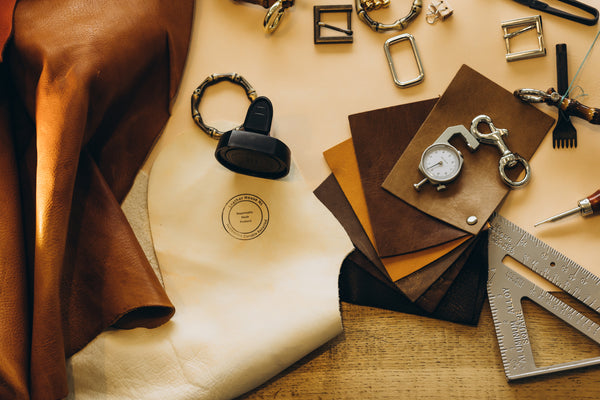
When you're starting a handmade leather business, the temptation to buy a cheap, all-in-one starter kit is strong. These kits often promise everything you need for a low price, but they usually contain subpar steel that loses its edge after a few cuts. If your tools are dull, your work will look sloppy. Professional results require professional-grade equipment. Investing in a few high-quality essentials is better than owning fifty tools that don't work. Your tools are an extension of your hands; they should be reliable and precise.
Cutting and Stitching Essentials
Precision starts with a sharp Japanese knife and pricking irons that pierce the leather cleanly without tearing the fibers. For bonding your pieces, I always recommend Ecostick 1804. This water-based adhesive is the choice for professional, non-toxic bonding in top European luxury houses. It provides a permanent, flexible hold without the harsh fumes of solvent-based glues. Choosing the right thread is just as vital. A consistent, high-end look depends on a thread that doesn't fray and sits perfectly in the stitch groove, ensuring your seams are as durable as they are beautiful.
Don't overlook what the customer can't see. Professional handbag structure often relies on Texon reinforcement. This material provides the necessary stiffness for handles and bag bottoms without adding unnecessary bulk. It is the secret to a product that maintains its crisp, luxury silhouette over years of daily use. High-quality hardware, like solid brass buckles or eyelets, further elevates your brand and justifies a premium price point.
The Art of the Edge
A glass-like burnish is the hallmark of a master artisan. On vegetable-tanned leather, this is achieved through friction and the right compound. First, sand your edges until they are perfectly flush. Apply a small amount of burnishing cream to the edge, then use a wood slicker in a rapid back-and-forth motion. The heat and pressure seal the fibers, creating a smooth, dark, and glossy finish that feels wonderful to the touch. For those looking to add a unique signature to their work, check out The Artisan’s Guide to Leather Stamping Tools for personalization tips.
What you will need:
- Tokonole burnishing cream: The industry standard for achieving a smooth, durable edge.
- Professional edge bevelers: Essential for rounding off sharp corners before you begin the burnishing process.
- Hard wood slicker: A vital tool to create the necessary friction for a glass-like finish.
- Stitching bundles: Curated sets that include professional chisels and high-quality needles for consistent seams.
- Japanese cutting knife: High-carbon steel blades that maintain a razor-sharp edge for precision work.
Pricing and Business Operations for Artisans
Many artisans fail because they underprice their labor. When you're starting a handmade leather business, you must calculate the true cost of every item you produce. This includes the leather, the thread, and even the adhesive. You also need to account for your overhead. Think about your electricity, workshop rent, and the wear on your tools. Most importantly, you must pay yourself a fair hourly wage. If you only charge for materials, you aren't running a business; you're simply funding a hobby for your customers.
Using premium materials is a strategic choice for your margins. When you use world-class hides, the perceived value of your product increases instantly. A wallet made from generic leather has a low price ceiling. A wallet crafted from Maryam Shell Cordovan allows you to charge a premium because the material is recognized by enthusiasts globally. Your customers aren't just paying for a functional item. They are paying for the rarity of the hide and the expertise required to handle it. This higher price point covers your time and allows for a healthy profit.
Your workspace is your sanctuary. Good lighting is non-negotiable; you cannot achieve a professional stitch in the dark. Focus on ergonomics. A workbench at the wrong height will lead to back pain and shorter work sessions. Store your hides flat or in rolls to prevent permanent creasing. Finally, invest in a professional maker's mark. Stamping your logo onto a finished piece is the final act of the artisan. It signals that you stand behind the quality of your work and helps in starting a handmade leather business with a clear identity.
Budgeting for Growth
Success requires constant re-investment. Instead of taking all your profit as income, set aside funds for specialized hardware. High-quality solid brass buckles or luxury zippers can transform a simple bag into a high-end fashion piece. Managing inventory is about being lean. You don't need a warehouse if you source smartly. I've found that Starter Bundles are the most efficient way to begin. They provide a curated selection of materials that work together, reducing the risk of buying items you won't use.
Educational Investment
Your skills are your most valuable asset. The leathercraft world is deep, and there is always more to learn about traditional techniques. Closing the skill gap through professional Masterclasses is a shortcut to mastery. These sessions allow you to learn the "Leather Art Experience," refining your design language and technical execution. Remember that education is often a tax-deductible business expense. Investing in your knowledge today ensures the long-term growth and sustainability of your brand.
Marketing and Launching Your First Collection
Selling your first collection is about more than just a transaction. It's about inviting people into your workshop. When you're starting a handmade leather business, your strongest marketing asset is the process itself. Don't just show a finished bag on a white background. Show the moment the knife slices through the hide. Show the edge being burnished. This transparency builds trust and proves the artisanal value of your work. It transforms a simple object into a piece of wearable art with a soul.
Leveraging a "Handmade in Europe" narrative is a powerful way to reach a global audience. By using materials from historic Tuscan tanneries, you inherit centuries of prestige. Your marketing should highlight these sustainable choices. Explain why vegetable-tanned leather is better for the planet and the user. When you share the story of your materials, you move away from being a vendor and become a curator of quality. I've found that adopting an expert friend approach in customer service works best. Treat every inquiry as a consultation. Help your customers understand the temper of the leather or why a specific stitch was chosen. This personal touch creates the kind of loyalty that no big-box retailer can match.
Digital Presence for Artisans
Your online gallery is your storefront. Capturing the depth of premium Italian leather requires natural, soft lighting to highlight the unique grain and texture. Avoid harsh flashes that flatten the material's character. Engaging with the community on platforms like TikTok and Instagram allows you to share the rhythm of your craft in real-time. While marketplaces can be a good starting point, a clean, professional website is essential for long-term branding. It gives you full control over the customer experience and your brand story.
Scaling Your Success
Growth often means moving from a purely made-to-order model to having ready-to-ship inventory. This transition reduces customer wait times and allows you to streamline your production. As you scale, consider expanding into niche markets to diversify your brand. For example, exploring Equestrian Related leathers can open doors to high-end tack, while crafting premium leather aprons for outdoor cooking allows you to reach a new audience; much like the high-quality equipment found at Tools & Grill for barbecue aficionados, specialized leather goods appeal to customers who value both function and craftsmanship. Whatever path you choose, remember that you aren't alone. Join our community of makers, share your progress, and let's keep the tradition of fine leathercraft alive together.
Build Your Legacy in Leather
The transition from a dedicated hobbyist to a professional artisan is a path paved with intentional choices. You've seen that starting a handmade leather business requires more than just technical skill. It demands a commitment to quality that resonates with your customers. By leveraging our 160 years of family expertise and our strict focus on sustainable vegetable-tanned hides, you set a standard that mass-produced brands simply can't match.
We believe accessibility is key to growth. That's why we maintain a no minimum order quantity policy. It allows you to source world-class materials without the financial strain of bulk buying. Take pride in every stitch and every burnished edge. Your legacy starts with the very first hide you choose.
Continue Your Learning
- How to Measure Leather: The Complete Crafter’s Guide
- The Artisan’s Guide to Leather Stamping Tools
- Equestrian Leathers and Hardware: A Sourcing Masterclass
Essential Materials for Your First Collection
- Badalassi Pueblo Leather: A unique, rustic finish that ages beautifully.
- Maryam Shell Cordovan: The ultimate choice for high-end luxury goods.
- Ecostick 1804 Glue: Professional, non-toxic bonding for complex builds.
Frequently Asked Questions
Do I need a business license to start selling leather goods?
Requirements for a business license vary by country and local municipality. In most regions, you'll need to register your brand once you exceed a certain income threshold to handle taxes correctly. It's best to consult your local chamber of commerce or a tax professional. Even if you don't need a formal license to start, keeping organized records of your material costs and sales is vital for long-term success.
How much money does it realistically take to start a leather business?
You can begin with a relatively small investment by focusing on essential high-quality tools rather than bulk inventory. Instead of buying expensive machinery, focus on a sharp knife, pricking irons, and a few premium leather panels. This lean approach allows you to fund your growth through initial sales. Many successful artisans start with a modest budget and reinvest their profits into specialized hardware and masterclasses as their skills improve.
Is it better to buy full hides or leather panels when starting out?
Panels are almost always the better choice when starting a handmade leather business. Buying a full hide often results in significant waste if you only need material for small goods like wallets or watchstraps. Panels allow you to test different colors and textures from world-class tanneries without tying up your cash in excess inventory. This flexibility is essential for micro-brands that need to stay agile and responsive to customer requests.
How do I find high-quality vegetable-tanned leather without a high MOQ?
Finding premium leather without a high minimum order quantity requires sourcing from a wholesaler that specifically caters to small-scale artisans. We provide top-tier Italian hides from tanneries like Carlo Badalassi and Maryam in small quantities. This "No MOQ" policy allows you to access the same materials used by luxury fashion houses. It ensures you can maintain high standards for your first collection without the financial risk of bulk purchasing.
What are the most profitable leather items to sell as a beginner?
Small leather goods like minimalist wallets, cardholders, and watchstraps are typically the most profitable for beginners. These items require less material and allow you to focus on perfecting your stitching and edge finishing. Because they are everyday carry items, customers often value the durability of vegetable-tanned leather. High-end materials like Shell Cordovan can significantly increase the perceived value and retail margin of these smaller projects.
How can I compete with mass-produced leather brands?
You compete by offering the level of detail and character that machines cannot replicate. Focus on the "Handmade in Europe" narrative and the unique aging process of vegetable-tanned hides. Mass-market brands rely on speed and synthetic finishes, while your brand offers longevity and a personal connection. By sharing your process on social media and offering bespoke options, you create a value proposition that goes beyond just a functional product.
Why is vegetable-tanned leather better for a small business than chrome-tanned?
Vegetable-tanned leather is superior for small brands because it aligns with the values of the artisanal market: sustainability and durability. It is a natural product that ages beautifully, creating a patina that customers crave. Chrome-tanned leather is often associated with mass production and environmental concerns. By choosing veg-tan, you appeal to conscious consumers who are looking for ethical, long-lasting alternatives to disposable fashion.
Should I use a sewing machine or hand-stitch my leather products?
Hand-stitching is a defining characteristic of high-end leathercraft and a major selling point for starting a handmade leather business. The traditional saddle stitch is far more durable than a machine lockstitch because it won't unravel if one thread breaks. While a machine is faster, the artisanal appeal of hand-sewn seams justifies a higher price point. It demonstrates a level of patience and craftsmanship that discerning customers are willing to pay for.
Disclaimer
All our blog articles are made for information purposes only we dont take responsability for any content from third parties.