

The Ultimate Guide to Leather Hardware Kits: Sourcing Quality for Every Project
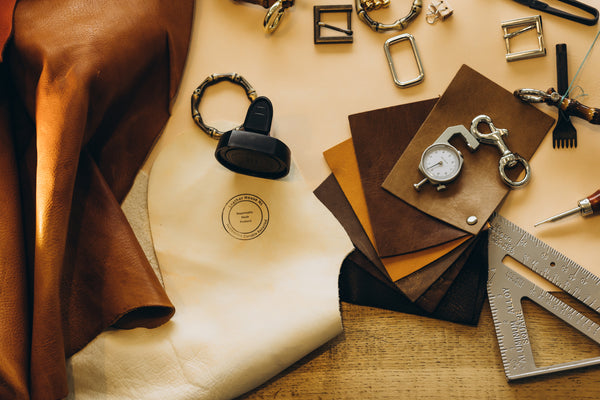
The difference between a hobbyist project and a professional heirloom isn't just the leather. It's the metal that holds it together. You've likely spent hours selecting a beautiful piece of vegetable-tanned leather, only to have the aesthetic ruined by a rivet that snaps or a buckle finish that doesn't quite match your D-rings. It's frustrating to deal with high minimum orders just to get one matching set. I've been there, and I know that low-quality leather hardware kits are the quickest way to undermine your craftsmanship.
Finding the right components shouldn't feel like a gamble. I've spent 25 years at the workbench, and I've learned that curated bundles can streamline your workshop while ensuring professional-grade durability. In this guide, we'll explore how to source premium bundles that serve as a one-stop solution for your projects. We'll also discuss how to ensure your hardware finishes match across all components and identify the specific tools needed for a secure installation. Let's make sure your metalwork is as resilient and authentic as the leather you work with every day.
Key Takeaways
- Stop the frustration of mismatched finishes by using curated leather hardware kits designed for perfect aesthetic cohesion across your entire project.
- Learn why solid brass remains the gold standard for professional-grade durability and how to select premium finishes like Old Gold or Gun Metal.
- Discover how to match specific hardware bundles to your materials, ensuring your components complement high-end hides like Badalassi Pueblo leather.
- Identify the essential installation tools, from manual hand presses to precision setters, that guarantee a secure fit without damaging your leather.
- Understand how leveraging 160 years of family heritage and expert consultation ensures every rivet and buckle you source is built to last.
What are Leather Hardware Kits and Why Do Crafters Need Them?
A leather project is only as strong as its weakest link. I've seen beautiful bags ruined because a buckle snapped or a rivet pulled through. Leather hardware kits are curated collections of buckles, rivets, and closures designed for specific builds. They act as a blueprint for your project. Instead of hunting through endless catalogs for individual parts, you get exactly what you need in one package. It's a method that prioritizes precision over guesswork.
Mismatched finishes are a silent killer of professional aesthetics. If you buy a "Silver" buckle from one shop and "Silver" rivets from another, they rarely match. One might have a cool blue undertone; the other might look slightly yellow. It creates a disjointed look that screams amateur. By using curated leather hardware kits, you ensure every piece of metal on your piece shares the same bath and the same tone. This consistency is what separates a handmade item from a high-end luxury good.
To better understand how these components work together in a workshop setting, watch this helpful tool review:
Beyond looks, hardware is vital for structural integrity. These types of fasteners provide the skeleton for your vegetable-tanned goods. Whether it's a stress point on a tote handle or the closure on a wallet, the metal must withstand daily use. Kits also help you reduce waste. You don't need to buy a bag of 500 rivets when your project only requires six. This efficiency keeps your workshop lean and your costs predictable. It's about having the right amount of the right material.
Standard vs. Project-Specific Kits
Generic starter bundles are fine for practice. They let you get a feel for setting a snap or a rivet. However, as you progress, project-specific kits become essential. Whether you're building a belt, a handbag, or pet accessories, these kits standardize your production. Professional artisans use them to ensure every item in a limited run looks identical. This removes the variables that lead to mistakes during the assembly phase.
The "No MOQ" Advantage for Small Studios
Most wholesalers demand high minimum order quantities. This creates a barrier for small studios or hobbyists who want to experiment with a new finish like Gun Metal or Old Gold. At Hab-To, we believe in accessibility. Buying single project kits allows you to test designs without a massive financial commitment. You can explore the full Hab-To Hardware Collection to find exactly what fits your next vision. Small-scale sourcing doesn't have to mean a sacrifice in quality.
The Anatomy of a Professional-Grade Hardware Kit
A great project starts with the right foundation. When you hold a high-quality buckle or rivet in your hand, you feel the weight. It's substantial. Leather hardware kits that prioritize professional-grade materials don't just look better; they perform better under stress. The anatomy of a kit isn't just a list of parts. It's a calculated selection of metals and finishes designed to endure as long as the leather itself. Every piece must work in concert to support the structure of your handmade goods.
Solid brass is the undisputed gold standard in this craft. Unlike cheaper alternatives, it doesn't corrode or snap under pressure. It's a living material that develops a rich patina over time. This aging process is crucial because vegetable-tanned leather changes as it's handled. Your hardware should evolve alongside it. If you use low-grade metal, the leather will look beautiful in five years while the hardware looks pitted and cheap. High-quality leather hardware kits ensure this mismatch never happens, providing a legacy of durability.
Material Science: Solid Brass vs. Zinc Die-Cast
Zinc die-cast hardware is common in mass production. It's lightweight and inexpensive, but it's brittle. If a zinc buckle takes a hard hit, it can shatter. Solid brass is denser and more resilient. It's the essential partner for premium Italian leather. While you might use lighter materials for non-structural elements like decorative charms, anything that bears weight should be solid metal. Choosing the right material is a core part of sourcing luxury leather hardware that reflects your commitment to quality.
The Aesthetic Harmony of Finishes
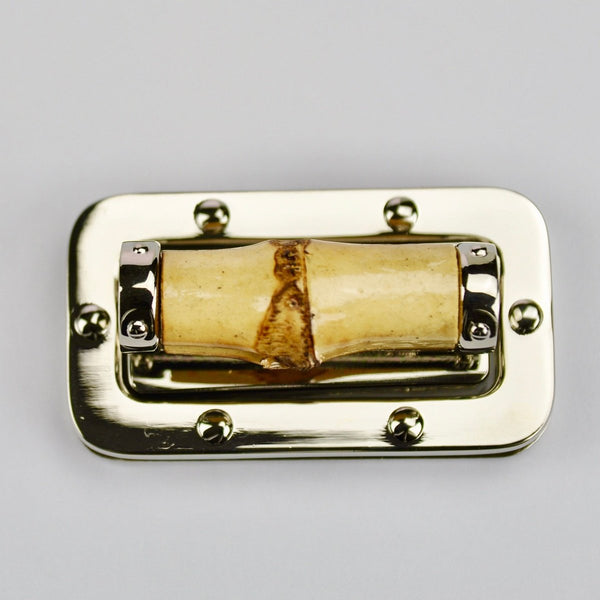
A finish is more than just a color. It sets the mood for the entire piece. You should choose a finish that complements the specific undertones of your hide. Gold and Old Gold are perfect for warm-toned leathers like tan or cognac. Silver and Nickel offer a crisp, modern look for black or navy hides. Gun Metal provides a rugged, industrial edge that pairs well with distressed textures. Maintaining consistency across D-rings, snap hooks, and buckles is vital. If one component is shiny and another is matte, the eye catches the error immediately. For those looking for something truly unique, artisanal styles like the Bamboo Collection offer a distinct flair that standard hardware can't match. If you're unsure which combination works best, you might find inspiration in our curated leather hardware bundles.
Project-Specific Kits: Matching Hardware to Your Hides
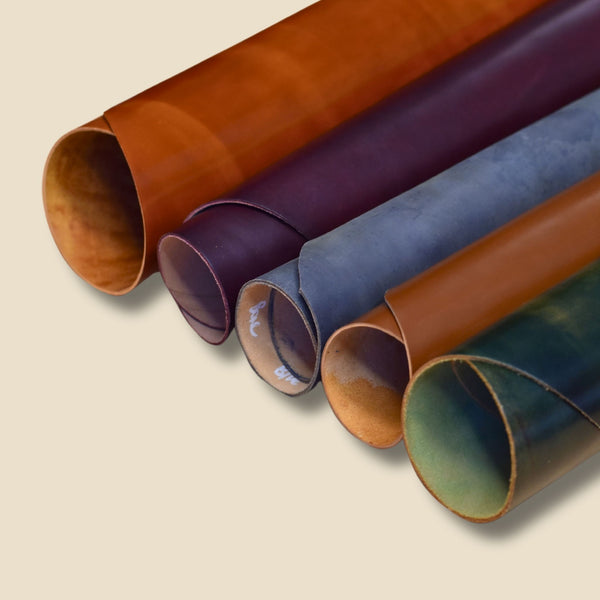
Sourcing the right hide is only half the battle. You need the metal to match the leather's character. Putting a flimsy zinc buckle on a thick strip of harness leather is a mistake. Leather hardware kits should be selected based on the mechanical properties and the visual weight of the material you choose. For instance, when you're working with a rugged, textured surface like Badalassi Pueblo Leather, you need hardware that can stand up to that rustic charm. A handbag kit for this type of hide usually includes heavy-duty D-rings, zippers, and magnetic snaps that won't feel out of place against such a premium material.
Small goods require a delicate touch but shouldn't sacrifice strength. For watch straps and wallets, your leather hardware kits will focus on precision press buttons and small-gauge rivets. These components need to be low-profile so they don't bulk up a slim pocket accessory. Luxury materials demand an even higher standard. If you've invested in Shell Cordovan, using anything less than solid brass is a disservice to the craft. This leather is dense and oily, requiring fasteners that can pierce and hold without compromising the grain. This is where scientific research on leather technology becomes relevant; understanding how different metals react with the tannins in the hide helps prevent staining or premature wear.
Curation for Bags and Totes
Bags and totes require a specific set of components to handle the weight of daily carry. Beyond the visible buckles, a professional handbag kit includes handle holders and protective feet. For those aiming for a vintage aesthetic, Doctor Bag Brackets provide that classic, rigid opening that defines the silhouette. However, beauty needs support. I always recommend including Texon reinforcement in your project bundle. It prevents the leather from stretching around the hardware, ensuring the bag keeps its shape for decades.
The Artisan’s Choice for Belts and Straps
Belts are all about the relationship between width and strength. When you're cutting strips from Leather for Belts, your strap cutter settings must align perfectly with your buckle width. A sloppy fit looks unprofessional. You'll often choose between a classic solid brass buckle and a roller buckle. Roller buckles are the preferred choice for equestrian-inspired builds because they reduce friction on the leather surface. Mastering these pairings is how you turn a simple project into a signature piece. If you're ready to start your next build, you can explore our full range of professional hardware to find the perfect match.
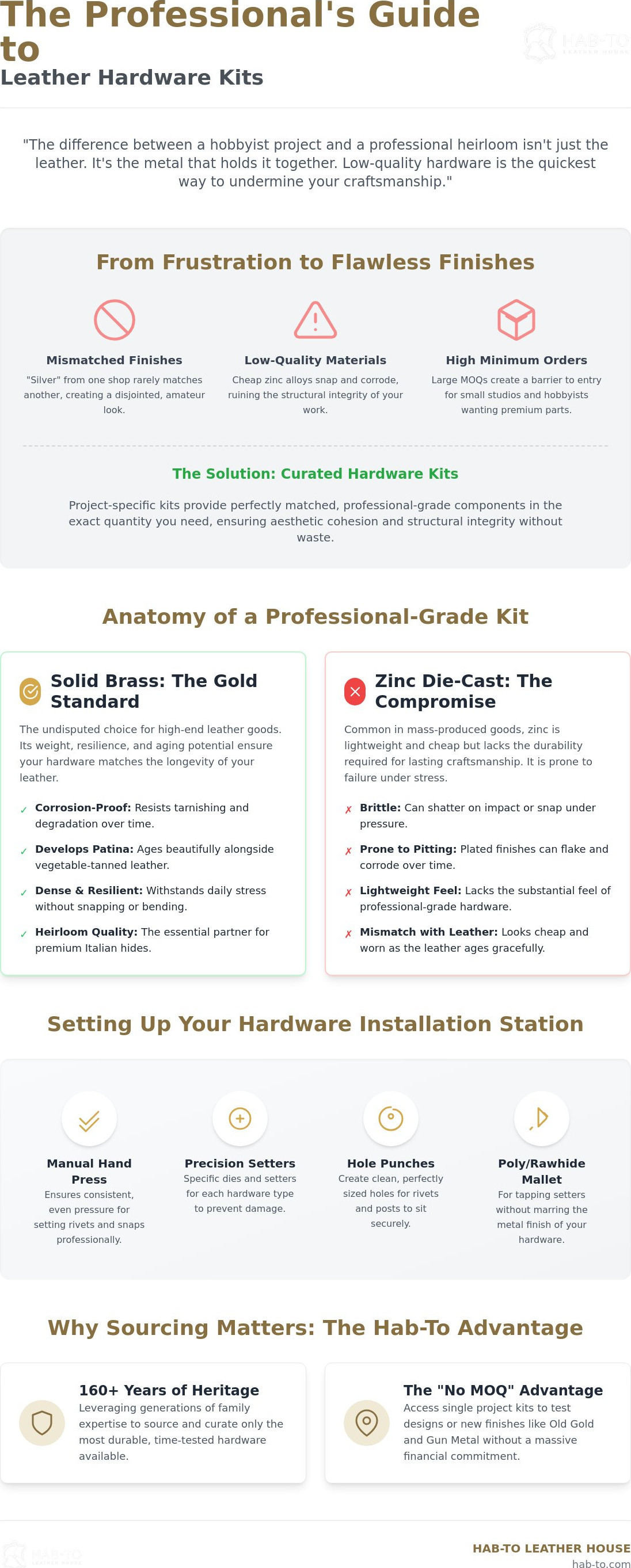
What You Will Need: Setting Up Your Hardware Installation Station
A beautiful hide and premium metal are only half the story. The rest happens at your workbench. If you've carefully selected your leather hardware kits, you owe it to your craft to install them with precision. A misplaced rivet or a crooked snap can ruin hours of work. At Hab-To Leather House, we believe your installation station should be organized, well-lit, and equipped with tools that match the quality of your materials. Success starts with having the right gear within reach.
What You Will Need
- Precision Setters: An 11pcs die punch snap kit is the best investment for hardware versatility, covering most standard fastener sizes.
- Consistent Pressure: A Manual Grommet Hand Press provides the vertical, even pressure required for a professional seat.
- Adhesion: High-quality Ecostick Glue ensures your hardware tabs stay in place before the final stitch is cast.
- Finishing Materials: Use a Tokonole bundle to burnish the edges surrounding your metalwork.
- Layout Tools: Professional Passers are essential for marking symmetrical placement and checking your work.
- General Crafting: Explore our full Leatherworking Tools collection for edge bevelers and specialty punches.
The Installation Checklist
Precision starts with the layout. I always use wing dividers to check for perfect symmetry across bag flaps or belt holes before making a single mark. This prevents the 'eye-balling' errors that lead to crooked closures. I also recommend applying a thin layer of adhesive to secure hardware tabs or reinforcement pieces before you begin stitching. This prevents the metal from shifting during the assembly process. Once the hardware is set, finishing the edges around your metalwork creates a polished, professional look that highlights the transition from leather to metal.
Professional Finishing Techniques
Metal can be unforgiving. To avoid scratching your beautiful new buckles or rivets, place a small scrap of soft leather between the setter and the hardware during installation. This acts as a buffer against the steel tools. A seamless transition is the mark of a master. Use your edge bevelers and burnishing tools to ensure the leather flows naturally around the hardware. If you're ready to upgrade your workshop setup, you can find everything you need in our curated hardware and tool bundles.
Sourcing Your Kits: Why Heritage and Consultation Matter
Choosing your supplier is as important as choosing your leather. At Hab-To, we don't just sell metal parts. We share a philosophy built on 160 years of family tradition. Every component in our leather hardware kits has been vetted by Mike, a craftsman with 25 years of experience at the workbench. This expertise ensures that every buckle, rivet, and snap we stock is functional, durable, and worthy of your time. We don't believe in concessions. If it isn't good enough for our own projects, it isn't good enough for yours.
Authenticity matters. That's why we prioritize sustainable sourcing. Our vegetable-tanned materials come from the prestigious Tuscan consortium. This commitment to traditional methods ensures that your hardware is paired with the finest hides in the world. If you're tackling a complex build and feel overwhelmed by the choices, we offer a Free Video Consultation. It's a chance to speak directly with an expert to ensure your project kit is perfectly tailored to your specific needs. We want you to feel confident before you make your first cut.
Personalized Service for Every Crafter
We support the entire community. Whether you're a weekend hobbyist or a growing micro-brand, you deserve access to professional-grade materials. Our physical showroom in Amsterdam serves as a hub for tactile quality assurance. You can feel the weight of the brass and see the depth of the finishes in person. It's a place where the craft comes alive. For those looking to sharpen their technical abilities, our masterclasses provide hands-on training to refine your hardware installation skills and elevate your final products.
Building Your Own Custom Bundle
Flexibility is key to a creative workshop. You can start with our Starter Bundles and mix them with individual hardware pieces to create a truly custom setup. This approach allows you to experiment without the burden of bulk wholesale requirements. It's about freedom. To learn more about our dedication to the craft, visit the About Mike page. It details our commitment to quality and the history that informs every product we offer. Your journey toward professional-grade handmade goods starts with the right partners. Explore our full range of leather hardware kits today and build something that lasts for generations.
Master the Art of the Perfect Finish
Your dedication to quality shouldn't stop at the leather's edge. By choosing curated leather hardware kits, you eliminate the guesswork of mismatched finishes and brittle components. You ensure that every rivet and buckle supports the structural integrity of your work while aging beautifully alongside your chosen hide. Whether you are crafting a rugged belt or a luxury handbag, the right metal is the final signature of your expertise. It transforms a simple project into an heirloom.
At Hab-To, we bring over 160 years of family expertise to every recommendation. We believe that professional-grade materials should be accessible to everyone. This is why we offer exclusively sustainable vegetable-tanned pairings with no minimum order requirements. You have the freedom to experiment with premium finishes like Gun Metal or Old Gold without the burden of bulk purchasing. If you are ready to transform your workshop and ensure your handmade goods stand the test of time, Explore our curated Hardware & Fournituren Collection. We are here to support your journey from the first punch to the final burnished edge. The workbench is waiting; it's time to build something that lasts.
Frequently Asked Questions
What is usually included in a leather hardware kit?
Most leather hardware kits are curated collections of essential metal components designed for a specific build. They typically include a matching set of rivets, buckles, D-rings, or snaps. By sourcing these as a bundle, you ensure that every piece of metal shares the same finish and color tone. This consistency is vital for creating a professional look that doesn't feel disjointed or amateur.
Can I use a hardware kit with chrome-tanned leather?
Yes, you can use these kits with chrome-tanned hides, though solid brass is the best choice for compatibility. Some lower-grade base metals can react with the chemicals used in the chrome tanning process, leading to corrosion. High-quality solid brass is much more resilient. It provides a durable and safe pairing for any leather type, ensuring your project remains structurally sound for years to come.
Do I need a heavy-duty press to install hardware from a kit?
You don't strictly need a press, but it significantly improves your results. While you can use hand setters and a mallet, a Manual Grommet Hand Press ensures perfectly vertical pressure. This prevents rivets from setting at an angle and provides a much more consistent finish across your entire project. It's a worthwhile investment if you plan on producing professional-grade goods regularly.
How do I ensure the hardware finish won't tarnish over time?
The best way to prevent ugly tarnishing is to select solid brass rather than plated zinc. Solid brass doesn't peel or pit; instead, it develops a rich, natural patina that evolves alongside your leather. Keeping your finished goods in a dry environment and occasionally wiping the metal with a soft cloth will maintain the luster. Avoid cheap hardware that relies on thin coatings which inevitably fail with daily use.
Are there specific kits for making leather belts?
Yes, belt-specific leather hardware kits are designed to handle the unique mechanical stress of waistwear. These sets usually include a sturdy buckle, matching Chicago screws, and a metal keeper. Using a dedicated kit ensures that all components are sized correctly for standard strap widths. This removes the frustration of finding a buckle that fits your leather but doesn't match your fasteners in finish or durability.
To understand how these components are utilized in the modern retail landscape, you can explore Direct-to-consumer product sales and see how GoldStandard Amsterdam is redefining the classic belt with innovative fastening systems.
What tools are essential for a beginner using their first hardware kit?
A beginner needs a sharp hole punch, a poly mallet, and a setter sized to their specific hardware. An 11pcs die punch snap kit is often the most versatile starting point. It covers the most common sizes for rivets and snaps, allowing you to practice on various small goods without buying individual tools for every new project you tackle.
Can I customize the contents of a hardware kit at Hab-To?
Absolutely, we encourage you to mix and match individual pieces with our standard starter bundles. You can build a custom set that perfectly fits your creative vision by adding specific items to a base kit. If you're working on a complex design, you can even book a free video consultation to get expert advice on which components will work best together.
How do I choose the right size hardware for my leather thickness?
The post or shank of your rivet should be roughly 1 to 2mm longer than the total thickness of your leather layers. If the post is too short, the hardware won't catch properly; if it's too long, it will bend sideways when you strike it. Always use calipers to measure your leather thickness after it's been glued or reinforced to ensure you select the correct size from your kit.
Disclaimer
All our blog articles are made for information purposes only we dont take responsability for any content from third parties.