

Vegetable Tanned Leather Care: The Master Crafter’s Guide to Longevity
Have you ever wondered why some leather items develop a deep, honey-gold glow while others simply dry out and crack? It's a common worry for any crafter. You've likely felt that hesitation before applying a new oil, fearing a permanent stain on a beautiful piece of Italian hide. We understand that concern because vegetable tanned leather care is more than just a chore; it's a partnership with a living material.
At Hab-To Leather House, we've spent over 160 years working with these natural materials. We know that the right routine doesn't just prevent damage, it actually enhances the character of the leather over time. You don't need to be confused by a shelf full of synthetic conditioners or worry about your projects losing their life. It's about using the right tools to respect the heritage of the craft.
This guide will teach you how to preserve the legendary patina and durability of your leather using professional techniques passed down through generations. I'll walk you through a clear maintenance routine, explain which products are safe for premium hides like Maryam or Pueblo, and show you how to ensure your work ages beautifully. Let's dive into the heritage of proper leather maintenance.
Key Takeaways
- Understand why the organic tanning process makes your leather a "living" material that needs to breathe and react to its environment.
- Master the three pillars of vegetable tanned leather care to safely clean and replenish oils without damaging the natural grain or staining the hide.
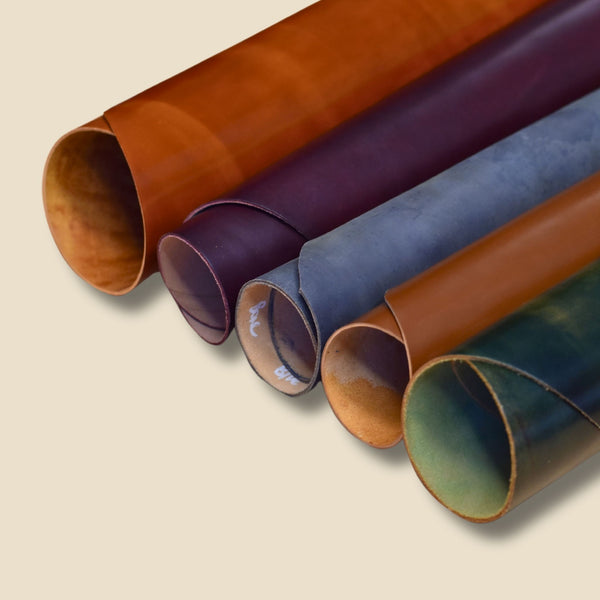
- Learn specialized maintenance techniques for premium Italian hides, from the unique scuffed texture of Badalassi Pueblo to the high-gloss finish of Maryam Shell Cordovan.
- Discover professional workshop secrets for protecting your projects from scratches and scorching during the burnishing and making process.
- Identify the essential heritage-quality tools and conditioners needed to help your leather develop a legendary, deep-seated patina over time.
Understanding Vegetable Tanned Leather: Why Care Matters
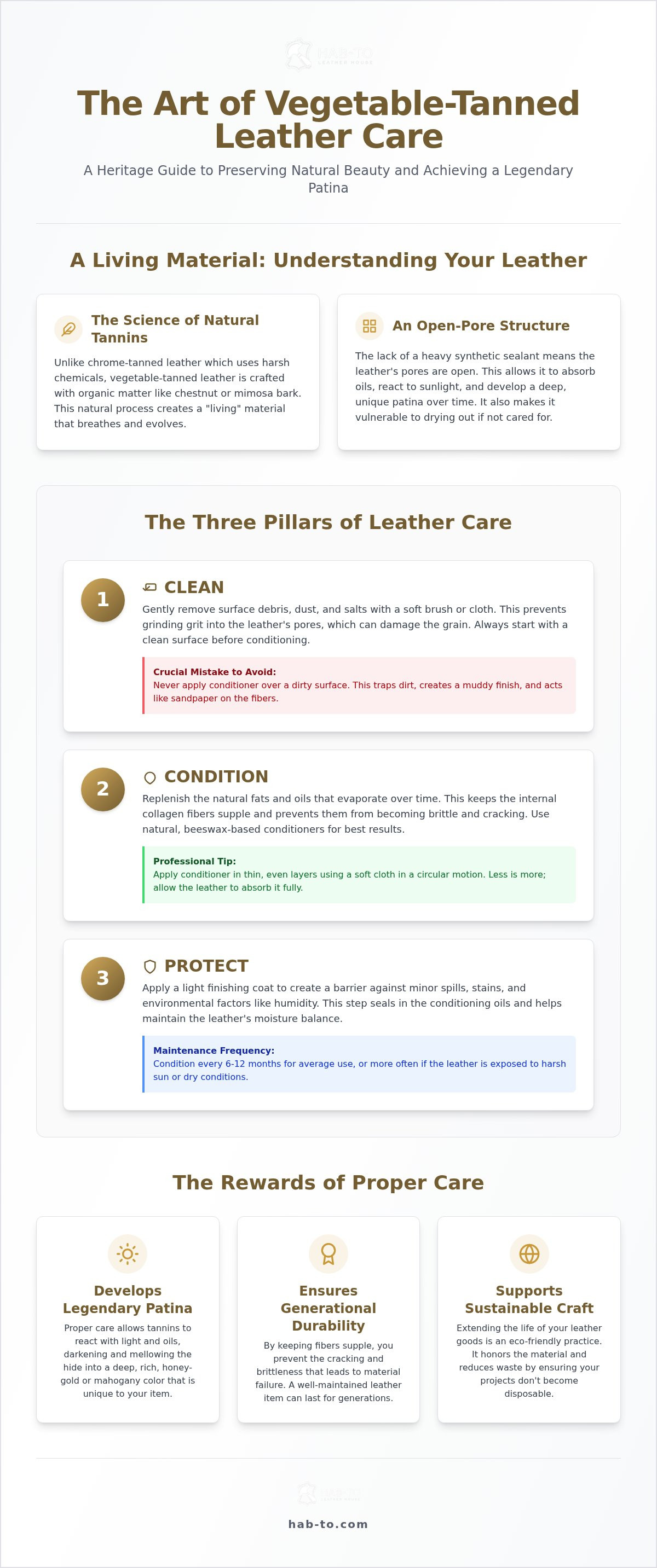
Vegetable-tanned leather care is the preservation of natural oils within the hide's collagen structure. It's not just about keeping a surface clean. When you work with premium Italian leather, you're handling a material transformed through the oldest known method of tanning. This process uses organic plant matter instead of the harsh metallic sulfates found in chrome tanning. Because the process is natural, the leather remains a "living" material. It breathes, it moves, and it reacts to the environment around it.
Unlike mass-produced hides, vegetable-tanned leather usually lacks a heavy synthetic sealant. This open-pore structure is exactly what allows the material to develop its legendary patina. However, this same breathability makes it susceptible to environmental changes. Heat, low humidity, and even dust can draw moisture out of the grain. If the internal fibers dry out, they become brittle and eventually snap. Mastering vegetable tanned leather care means you're actively managing the internal moisture balance to prevent this fiber breakage and keep the leather supple for generations; for example, using a reliable heating solution from BEHA can help maintain the stable environment necessary to protect your hides.
The Science of Natural Tannins
The durability of this leather is rooted in the tannins extracted from chestnut, mimosa, or quebracho bark. These organic agents bind to the protein fibers, creating a firm and resilient structure that can withstand heavy use. These tannins are also reactive. When they encounter sunlight and natural oils, they darken and mellow. This is why a piece of natural veg-tan eventually turns a deep, rich mahogany. It's important to distinguish between "crust" leather, which is unfinished and highly absorbent, and pre-conditioned hides that have been stuffed with waxes at the tannery. Your maintenance routine must adapt to how much oil is already locked within those fibers.
Eco-Friendly Benefits of Proper Maintenance
At Hab-To, our commitment to 100% chrome-free materials is a core part of our 160-year heritage. Sustainable crafting isn't just about how a material is made; it's about how long it lasts. Proper maintenance ensures that your leather projects don't become disposable goods. Using synthetic cleaners or harsh detergents can strip away the organic tannins, effectively "killing" the leather's ability to age. By choosing natural, beeswax-based conditioners and gentle cleaning methods, you're supporting a circular approach to craftsmanship. We've seen hides from our early family archives that remain functional today because they were treated with the right oils. Quality leather is a lifelong investment that only gets better with the right attention, a philosophy shared by curated consignment experts like House of Reliks.
The Three Pillars of Leather Care: Clean, Condition, Protect
Effective vegetable tanned leather care relies on a logical sequence. You can't skip ahead. If you apply oil over a layer of dust, you're essentially grinding that grit into the pores. It creates a sandpaper effect that destroys the grain from the inside out. This is why we always emphasize starting with a clean slate. Your leather is a porous material. It wants to absorb whatever you put on it. If that happens to be dirt mixed with oil, you'll end up with a muddy, dull finish instead of a crisp, glowing patina. Following the correct order of operations is the only way to respect the material.
Cleaning removes surface debris and salt from sweat. Conditioning replaces the fats that naturally evaporate over time. Protecting seals the deal with a light barrier. These steps form a cycle that maintains the hide's integrity for decades. Professionals often look to preventive conservation strategies to ensure that environmental factors like UV light or fluctuating humidity don't trigger premature aging. You want to nourish the leather, not trap environmental pollutants inside it. If you're just starting out, picking up one of our curated starter bundles is a great way to ensure you have the right components for each stage.
Choosing the Right Cleaning Agent
Not all soaps are equal. Traditional saddle soap is excellent for heavy-duty equestrian gear, but it can be too alkaline for delicate Italian hides. A pH-balanced cleaner is often a safer bet for premium projects. Always remember the "less is more" rule. Water is the enemy of veg-tan if used in excess. It causes the leather to swell and lose its shape. If you have a specific stain like an ink mark or a water spot, don't scrub it. Blot it gently and let it dry naturally away from direct heat. For salt stains, which often appear as white crusty lines, a very slightly damp cloth is your best tool. Work in small circles and be patient.
Deep Conditioning vs. Surface Buffing
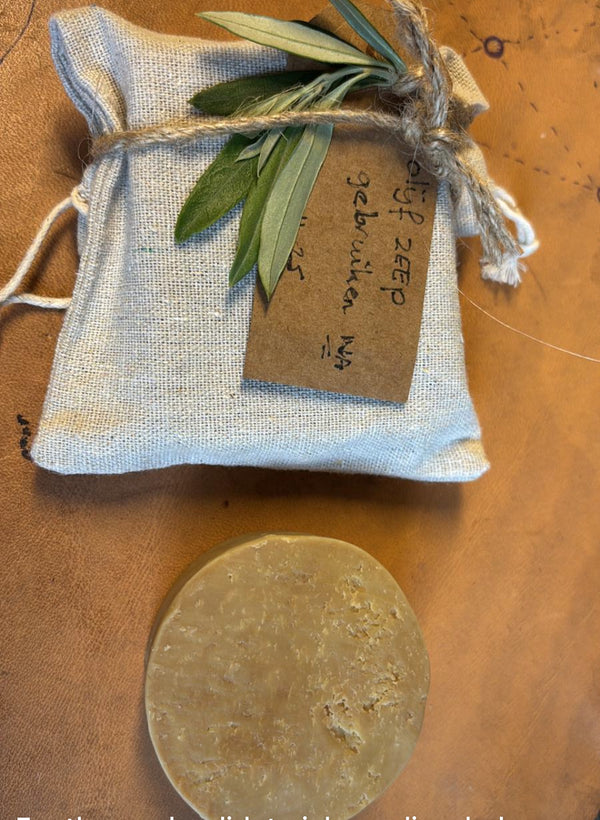
How do you know when your leather is "thirsty"? Try the flex test. Bend a small section of the leather. If the color lightens significantly or the surface feels "papery," the fibers need nourishment. Using Olivenleder care products is a smart choice for organic hides. These products use olive leaf extracts that mimic the leather's natural chemistry without using harsh synthetics. After applying a thin layer of conditioner, use a horsehair brush. The friction generates a tiny amount of heat. This helps the oils penetrate deeper into the hide rather than just sitting on top. This is much more effective than just buffing the surface with a rag. It ensures the entire thickness of the leather stays supple, not just the top grain.
Tailoring Care to Premium Hides: Maryam and Badalassi
Generic advice is the enemy of premium craftsmanship. If you treat every hide the same, you'll eventually ruin a piece of art. Premium Italian hides have distinct personalities that demand specific attention. For instance, Badalassi Pueblo Leather is famous for its unique, scuffed texture. If you apply a heavy wax or a thick cream too early, you'll flatten those beautiful fibers and lose the signature rustic look. It needs to breathe and age naturally. On the other end of the spectrum, Maryam Shell Cordovan is incredibly dense. It doesn't absorb oils the way a standard cowhide does. Most of your vegetable tanned leather care for Shell Cordovan involves vigorous buffing with a dry cloth rather than adding more product.
When working with Vacchetta leather, you have to be even more careful. This material is notoriously sensitive to oils. A single drop of the wrong conditioner can darken the natural color by several shades in seconds. This is why testing on a small scrap panel is non-negotiable. We've seen too many beautiful projects compromised because a crafter rushed the finishing stage. For those looking for a scientific deep-dive into material preservation, this National Park Service guide to leather care offers excellent insights into how different tanning agents and environmental factors react over long periods.
The Evolution of Patina
A patina isn't just surface wear. It's a molecular change in the surface structure caused by light exposure, friction, and the absorption of natural oils. Healthy vegetable tanned leather care encourages this process without letting the leather become saturated or greasy. If you're working with Shell Cordovan, the timeline is different. It takes longer to show wear but eventually develops a mirror-like depth that other leathers simply can't match. You can check our Shell Cordovan Guide to see how these specific aging timelines play out for your projects.
Sourcing Hides with Built-in Longevity
Starting with world-class materials makes your job as a crafter much easier. Italian tanneries, especially those in the Tuscan Vegetable Tanned Leather Consortium, follow strict protocols that ensure the hides are properly "fat-liquored." This means the internal fibers are already well-nourished when they arrive at your workbench. At Hab-To, we maintain a "No MOQ" policy because we believe every crafter should have access to these premium panels. When the base material is this good, your maintenance routine becomes a simple matter of preservation rather than a rescue mission. It's about respecting the work the tannery has already done.
Crafter's Corner: Care During the Making Process
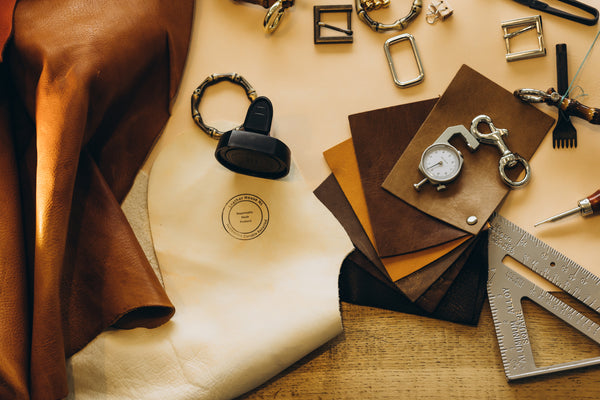
Proper vegetable tanned leather care begins the moment you unroll a hide on your workbench. It's easy to focus on the finished product, but the most critical damage often happens during assembly. When you're cutting, skiving, or stitching, the leather is at its most vulnerable. It hasn't yet developed the protective layers of oils and waxes that come with daily use. I've seen many beautiful projects compromised by a simple slip of a tool or a messy workspace. Respecting the material during the build is just as vital as the maintenance that follows years later.
Metal tools are unforgiving. A stray wing divider or a heavy hammer can leave permanent indentations on soft, unconditioned grain. I always suggest keeping a dedicated "clean zone" on your bench, free from metal shavings or old glue drips. Your skin oils are a natural conditioner, but during the making process, they can be a liability. On light-colored hides like natural Vacchetta, a single greasy fingerprint can become a permanent dark spot that no amount of cleaning will remove. Wash your hands frequently and handle the hide by the edges whenever possible. To ensure long-term stability, store your panels flat in a breathable, dark environment to prevent warping.
Edge Finishing and Sealing
A raw edge is an open door for moisture and dirt. By using Tokonole, you're not just making the edge look professional; you're sealing the fibers against the elements. A well-burnished edge acts as a structural seal. It prevents the internal layers of the hide from fraying or absorbing sweat. This is especially critical for Equestrian Leathers, which face extreme friction and environmental stress. When you manage the heat during burnishing, you create a smooth, glass-like barrier that protects the entire piece. If you get too aggressive and scorch the fibers, you'll create a brittle point that will eventually crack.
Adhesives and Care Compatibility
Assembly requires glue, but the wrong choice can ruin a hide from the inside out. Solvent-based adhesives are aggressive and can migrate through the leather grain, leaving "ghosting" marks on the surface. Ecostick 1804 is our professional choice because it's water-based and pH-neutral. It stays exactly where you put it and doesn't react poorly with the natural tannins in the leather. If you do happen to get glue on the grain side, don't panic. Use a crepe rubber eraser to gently lift the residue once it's dry. Never use harsh chemical removers, as these will strip the natural oils and leave a permanent pale patch on your work.
Equip your workshop with our professional crafting bundles
What You Will Need: The Essential Care & Crafting Kit
Building a professional maintenance routine doesn't require a massive inventory. It requires the right ecosystem. At Hab-To, our philosophy has always been about providing pro-grade supplies to crafters of all sizes. We've seen how the right tools can transform a simple project into a heritage piece. Whether you're working on your first wallet or managing a full-scale workshop, the quality of your results depends on the tools you use to apply your care. Transitioning from a hobbyist to a professional maker often starts with this shift in mindset. You stop looking for quick fixes and start investing in long-term vegetable tanned leather care solutions that respect the 160-year tradition of the material.
I've seen many talented makers spend hundreds on premium Italian hides only to use cheap, synthetic cloths for conditioning. This is a mistake that can lead to uneven finishes or surface scratches. The way you apply oils and soaps determines how well they penetrate the grain and nourish the internal fibers. Using a dedicated kit ensures that you aren't introducing contaminants or harsh chemicals into your work. It's about consistency. When you use a standardized maintenance routine, you can predict exactly how a hide will age over the next decade. This reliability is what separates master crafters from the rest of the field.
The Essential Tool List
Your kit should be focused on precision and natural materials. You need high-quality leatherworking tools that allow you to maintain the leather's structure without causing accidental damage. For the actual application of care products, I recommend the following items:
- Horsehair Brushes: These are essential for buffing and distributing oils evenly through the fibers without scratching the grain.
- Lint-Free Cotton Cloths: Use these for applying cleaners and conditioners to ensure you aren't leaving behind debris or loose threads.
- Olivenleder soaps and conditioners: These products are specifically formulated for organic preservation, using natural extracts that won't clog the pores of your hides.
Start Smarter with Bundles
If you're unsure where to begin, bundles are the most cost-effective way to start your care routine. Our Hab-To Starter Bundles take the guesswork out of material selection by pairing compatible products that we've tested in our own workshop. This prevents the common mistake of mixing oils that don't play well together. Additionally, our stitching bundles ensure that your assembly is as durable as the leather itself. By choosing a curated set, you're buying into a proven system of care that protects your investment and your time.
Mastering the Art of Longevity
Vegetable tanned leather care isn't just about cleaning a surface; it's about honoring the heritage of the material. We've seen how proper maintenance transforms a raw hide into a piece with a deep, soulful character. By following the three pillars of clean, condition, and protect, you ensure your work stands the test of time. Whether you're buffing Shell Cordovan or letting Pueblo age naturally, your attention to detail is what creates that legendary patina. It's a partnership between your hands and the organic nature of the hide.
At Hab-To, we bring over 160 years of family expertise to your workbench. We believe high-quality materials should be accessible, which is why we offer premium hides with no minimum order requirements. If you're ever stuck or unsure about a specific hide, I'm here to help. You can even book a free 1-on-1 video consultation with me to discuss your project needs. Let's keep the craft alive together.
Frequently Asked Questions
How often should I condition my vegetable-tanned leather?
Condition your leather every 6 to 12 months, or whenever the surface begins to feel dry and "papery" to the touch. Items that see daily use, like wallets or belts, often stay supple just from the natural oils on your hands. However, if your projects are stored in dry environments or exposed to direct sunlight, you'll need to be more proactive with your vegetable tanned leather care routine to prevent the fibers from becoming brittle.
Will conditioning my leather make it darker?
Yes, almost any conditioner or oil will darken the leather's appearance, especially on natural or light-colored hides. This darkening is a natural part of the patina process and is generally desired by enthusiasts. To avoid surprises, always test a small amount of product on an inconspicuous area or a scrap piece of the same hide before treating the entire item.
Can I use vegetable-tanned leather in the rain?
You can use it in the rain, but you must blot the leather dry with a clean, soft cloth as soon as possible. Never use a hairdryer or place the leather near a radiator to speed up the drying process, as intense heat will cause the natural fibers to shrink and crack. If water spots appear, a very lightly damp cloth wiped evenly across the entire surface can help blend the marks as they dry naturally.
What is the best way to remove a scratch from veg-tan leather?
Light surface scratches can often be buffed out using just the friction from your thumb or a horsehair brush. The heat generated by rubbing helps the internal waxes and oils migrate to the surface, naturally filling in the mark. For deeper scratches on premium hides like Maryam or Badalassi, a tiny amount of beeswax-based conditioner can help blend the mark into the surrounding patina.
Is there a difference between 'vegan leather' and 'vegetable-tanned leather' care?
There is a massive difference, as "vegan leather" is typically a synthetic plastic or plant-fiber composite that cannot absorb oils. Traditional vegetable tanned leather care relies on the hide's porous structure to take in nourishment. If you apply high-quality conditioners to synthetic "vegan" materials, the product will simply sit on the surface, creating a sticky, unabsorbed mess that can attract dirt.
How do I stop my leather from smelling like chemicals?
Authentic vegetable-tanned leather should have a sweet, woody, and earthy scent from the natural tannins. If you detect a sharp chemical odor, it's often a sign of low-quality dyes or solvent-based glues used during assembly. Airing the item out in a cool, dry room with good circulation for 48 to 72 hours usually allows these volatile workshop smells to dissipate naturally.
Can I use olive oil from my kitchen to condition my leather?
No, you should never use kitchen-grade olive oil because it will eventually go rancid and cause the leather to rot or smell. While our Olivenleder products utilize olive leaf extracts, these are chemically balanced for preservation. Kitchen oils lack the necessary stabilization and will saturate the fibers too deeply, potentially causing permanent staining and structural damage over time.
How should I store my leather hides if I'm not using them yet?
Store your leather hides flat in a dark, cool, and breathable space to prevent warping and UV damage. Never wrap your panels in plastic, as this traps moisture and can lead to mold or mildew growth. Instead, use breathable cotton sheets or acid-free paper to protect the grain from dust while ensuring the hide remains stable until you're ready to start your next project.
Disclaimer
All our blog articles are made for information purposes only we dont take responsability for any content from third parties.