
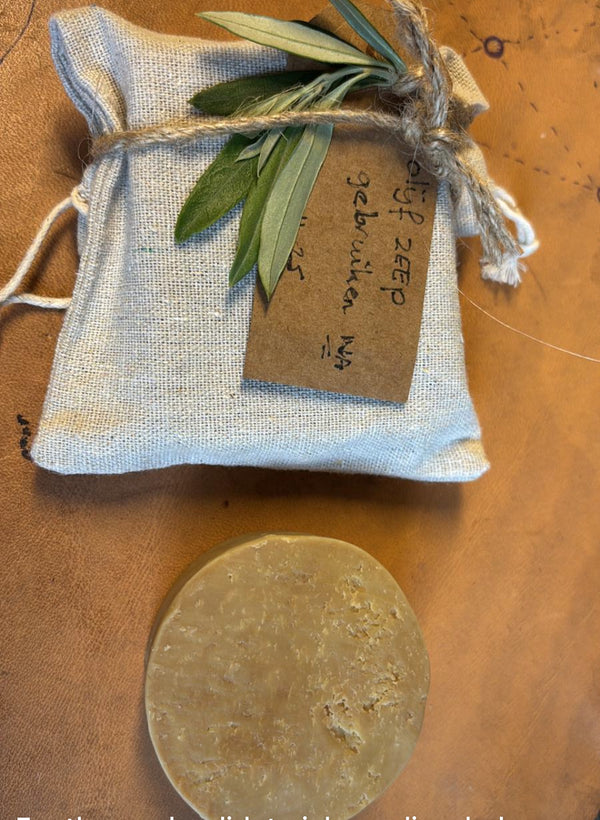
What is Pueblo Leather? An Artisan's Guide to Badalassi Carlo's Masterpiece
The first time you touch a hide from Badalassi Carlo, you might wonder if it's actually finished. It feels rugged. It's tactile, almost like fine sandpaper or rustic stone. This unique surface leads many makers to ask: what is pueblo leather exactly? Is it a suede, or is it a defect? In a world where premium often means plastic-smooth surfaces, Pueblo stands out as a bold contradiction. It's a vegetable-tanned masterpiece that purposely embraces a roughened texture to tell a story that only gets better with time.
I understand the hesitation when you first see those circular scuffs on a fresh panel. You want a material that reflects your skill. You don't want something that looks worn out before you even pick up your knife. This guide will show you why that matte start is the secret to the most incredible patina in the leatherworking world. We'll explore the unique buffing process used in Tuscany, master the art of burnishing those tricky edges, and help you find the perfect Italian leather panels for your next project. It's time to discover how this rough leather becomes a glass-like masterpiece through your craft.
Key Takeaways
- Understand exactly what is pueblo leather and how its unique buffed surface distinguishes it from standard smooth vegetable-tanned hides.
- Explore the rich heritage of Conceria Carlo Badalassi and their commitment to traditional Tuscan tanning methods.
- Trace the lifecycle of the material as it transforms from a rugged, matte texture into a rich, glass-like patina with daily use.
- Master practical techniques for working with Pueblo's firm temper, including specific advice on cutting, skiving, and thickness selection.
- Learn how to source high-quality Italian panels in small quantities to bring professional-grade materials to your own workshop projects.
Defining Pueblo Leather: The Rugged Choice for Modern Artisans
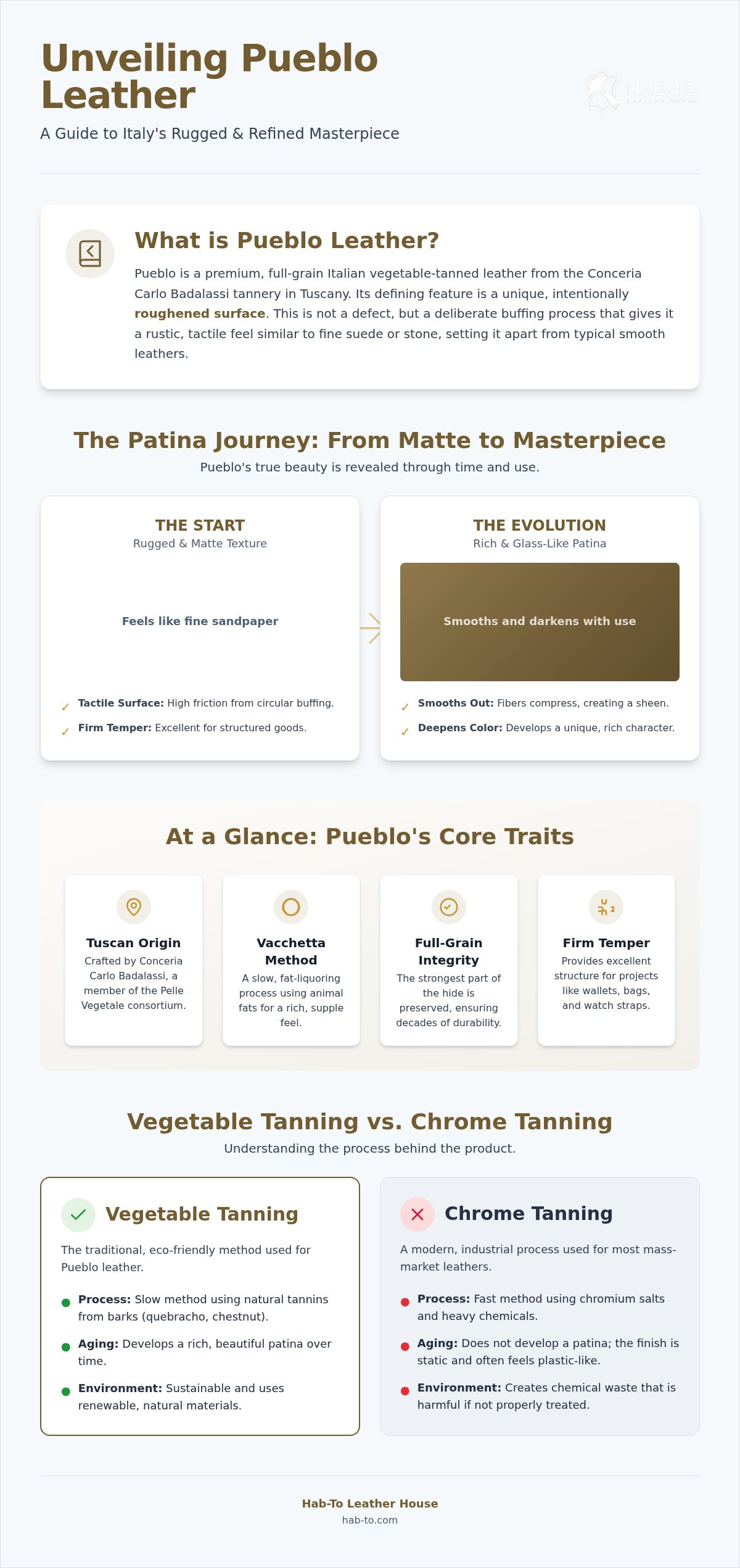
Pueblo leather isn't your average smooth hide. It's a premium Italian vegetable-tanned leather that challenges your expectations of what a high-end material should look like. When you first encounter it, you'll notice a distinctive scuffed or buffed appearance that feels almost like rustic paper or fine suede. This isn't a defect. When people ask what is pueblo leather, they are usually reacting to this deliberate choice by the master artisans at Conceria Carlo Badalassi.
Technically, it's a masterpiece of the traditional Vacchetta method. Produced in the heart of Tuscany, this leather starts with a matte finish and a slightly rough texture. Despite its unique surface treatment, it remains a full-grain leather. This means the strongest part of the hide is intact; it provides the durability you need for heirloom-quality goods that last for decades.
To better understand this concept, watch this helpful video:
The Science of the Buffed Surface
Understanding what is pueblo leather requires looking at the science of its surface. The magic happens in the tannery's finishing room. Artisans use circular buffing machines to create that signature "scratchy" visual pattern. The buffing process is a deliberate mechanical abrasion of the grain that creates a high-friction, tactile surface. It's the polar opposite of a corrected-grain leather where the surface is sanded down to hide flaws. With Pueblo, the buffing highlights the natural character while adding a rugged edge.
You'll find that Badalassi Pueblo has a firm temper, making it a joy to handle. The buffed surface eventually smooths out with use, but the initial texture is what makes the crafting experience so unique. It gives your projects an immediate personality that smooth leathers simply cannot match.
Vegetable Tanning vs. Chrome Tanning
At Hab-To, we focus on sustainability and tradition. That's why we exclusively stock vegetable-tanned hides. Unlike chrome tanning, which uses heavy chemicals, the vegetable tanning process relies on natural tannins found in quebracho and chestnut bark. This method takes much longer, but the result is a material that's safe for the environment and better for your skin. It also allows the leather to age and develop a patina, something chrome-tanned leather won't do.
Every hide we source carries the "Pelle Vegetale" consortium mark of quality. This ensures the leather was made using ethical protocols in Tuscany. Whether you choose a classic Badalassi hide or a Virgilio Pueblo panel, you're getting a product that respects centuries of Italian heritage. It's a choice you can feel good about as a maker.
The Origin Story: Conceria Carlo Badalassi and the Tuscan Tradition
Pueblo leather isn't just a product; it's a piece of history. To truly understand what is pueblo leather, you must travel to the leather district of San Miniato in Tuscany. This is where Conceria Carlo Badalassi operates. They are one of the most respected members of the Genuine Italian Vegetable Tanned Leather Consortium. Their work is defined by the "Vacchetta" process. This involves slow-tanning hides in massive wooden drums, a method that prioritizes quality over speed. Pueblo is their most iconic creation. It blends rustic, scuffed charm with high-end luxury in a way that few other materials can match.
The tannery itself is a place where tradition meets modern standards. While they use ancient recipes, they do so with a deep respect for the environment. This balance of heritage and responsibility is why Conceria Carlo Badalassi remains at the top of the industry. When you hold a piece of their leather, you're holding the result of generations of refined expertise.
What is Vacchetta Leather?
The term "Vacchetta" refers to a specific tradition of fat-liquoring. During the tanning process, artisans use animal fats to deeply nourish the fibers. This creates a rich and supple feel that you won't find in modern industrial leathers. This high oil content is exactly why Vacchetta is the foundation for a superior patina. Over time, those oils migrate to the surface, creating a deep glow and a smooth finish. If you want to see how this differs from other styles, look at Maryam Vacchetta. While Pueblo is buffed for texture, Maryam's version focuses on a smoother, classic durability. Both are incredible, but they offer very different tactile experiences for your projects.
The Tuscan Consortium Guarantee
Every hide from Badalassi comes with a promise. The Genuine Italian Vegetable Tanned Leather Consortium sets strict environmental and quality standards. You can recognize this by the "hand" logo on the certification tags. This logo guarantees that the leather was tanned using traditional plant-based extracts. It follows a centuries-old Tuscan leather tradition that respects the earth. These tanneries transform waste from the food industry into a luxury material using natural tannins like chestnut and quebracho.
At Hab-To, we take this heritage seriously. We ensure every hide meets these historical standards before it reaches your workshop. We believe that small-scale artisans should have access to the same world-class materials as luxury fashion houses. This is why we offer these premium hides in small panels. You can start your own journey with these legendary materials by exploring our curated leather bundles. It's a great way to experience the quality of Badalassi without needing to order a full hide.
Visual and Tactile Characteristics: From Matte Texture to Deep Patina
When you first unroll a side of Badalassi Pueblo, the appearance is deceptive. It's not smooth. It's matte, high-friction, and covered in a distinctive "scratchy" pattern. Many beginners ask what is pueblo leather supposed to feel like because the surface seems unfinished. It feels more like heavy cardstock or fine-grit sandpaper than traditional hide. This rugged start is actually a canvas for one of the most dramatic transformations in the leather world.
The evolution of this leather is its greatest strength. As you handle the item, the oils from your skin and exposure to sunlight begin to work their magic. Those roughened fibers are pressed down and nourished. The initial friction fades away. What was once a rustic, paper-like surface slowly develops a deep, lustrous sheen that rivals the finest polished leathers. It's a journey from a wild, raw aesthetic to a polished, sophisticated finish that only comes through use.
The Magic of the Pueblo Patina
The way this material ages is truly unique. Lighter colors show the most significant change, darkening into rich, complex tones. For example, the "Olmo" color starts as a light tan but can age into a deep, mahogany brown. If you work with "Bone," you'll see it transform from a pale cream into a warm, honey-colored tan. This transition moves the piece from a rugged, outdoorsy look to a sophisticated vintage aesthetic. This patina is a living record of the owner's journey, capturing every touch and every mile traveled. Unlike chrome-tanned leathers that simply wear out, Pueblo actually grows more beautiful with every passing year.
Edge Finishing and Burnishing
Pueblo is a favorite among artisans for its incredible burnishing potential. Because it's packed with natural oils and fats from the Vacchetta process, the fibers react quickly to heat and friction. You don't need hours of sanding to get a professional result. With just a little bit of Tokonole and a wooden slicker, you can achieve a glass-like edge with minimal effort. The edges become dense, dark, and incredibly smooth. This provides a perfect, high-gloss contrast to the textured surface of the leather. When people ask what is pueblo leather known for in the workshop, this ease of finishing is always at the top of the list.
Practical Tips for Working with Pueblo Leather
Pueblo is a favorite in my workshop because it behaves so predictably. Its firm temper means your blade won't drag or stretch the material as you make long cuts. When you're trying to understand what is pueblo leather from a maker's perspective, think of it as a material with the stability of heavy cardstock but the soul of a premium hide. It skives beautifully. This allows you to create thin, crisp edges for wallets or watch straps without the leather bunching up under the knife. It's a forgiving material that rewards a steady hand.
One of the biggest advantages is that it's struck through with dye. This means the vibrant color you see on the surface goes all the way through to the flesh side. You don't have to worry about a bright white core showing through your edges or skived areas. Because it holds its shape so well, it's the perfect choice for structured goods like tote bags or molded cases. Just be careful with conditioners. Applying heavy oils too early will flatten the buffed grain and kill that unique matte look before it has a chance to patina naturally.
What You Will Need: The Pueblo Toolkit
- Glue: Use Ecostick 1804 for your bonding. It's a water-based adhesive that won't leave nasty stains on the porous matte surface if you have a small spill.
- Cutting Tools: The buffed grain can be slightly abrasive over time. Always use freshly sharpened knives and scissors to ensure clean, professional lines that respect the grain.
- Thread and Needles: For the best results, I recommend our Stitching Bundle. It contains the right weight of thread to complement the rugged aesthetic of the hide without overpowering the fine details of your work.
Handling and Storage
The matte surface of Pueblo is highly absorbent. This makes it vulnerable to unwanted marks from greasy fingers or dirty tools during the assembly process. Always start with a clean workspace. I often lay down a fresh sheet of paper before cutting a new panel to prevent any transfer of old dye or oils from my bench. If you're wondering what is pueblo leather's greatest weakness, it's simply its own thirst for oils. Keep your hands clean and your tools wiped down.
Store your panels flat in a dark, dry place. Direct sunlight will begin the tanning process before you've even finished your project, leading to uneven color consistency. If you're working on a larger project over several days, keep the pieces covered when you aren't at the bench. This protects the scuffed texture from dust and accidental spills. Proper storage ensures that the patina starts when the customer begins using the product, not while it's sitting in your shop.
Choosing the Right Pueblo for Your Next Craft Project
Pueblo is a chameleon in the workshop. It suits a rugged field notes cover just as well as it does a refined bifold wallet. Because it's so versatile, the real question isn't whether you should use it, but which weight you need for your specific design. Choosing the right thickness is the final step in mastering what is pueblo leather's potential for your brand. I've found that the material's firm temper remains consistent across all weights, giving you a reliable base for any build.
For small leather goods like minimalist card holders or slim wallets, I recommend a thickness between 1.2mm and 1.5mm. This allows you to stack multiple layers without creating a bulky, unrefined edge. If you're moving into larger territory, such as tote bags, laptop sleeves, or journals, opt for 2.0mm or higher. This extra weight provides the structural integrity needed for items that must maintain their shape under stress. At Hab-To, our no MOQ policy means you don't have to buy a full hide to experiment. You can order small panels to test how different colors interact with your design style.
Recommended Project Ideas
Minimalist wallets are the perfect starting point for this material. Because wallets are high-touch items, they showcase the dramatic patina transition from matte to gloss faster than almost any other project. Luxury watch straps are another excellent choice. They require precision and a firm temper that Pueblo provides in spades. You can find the necessary Watchstrap tools in our collection to ensure your punching and stitching are flawless. Journal covers also benefit immensely from the tactile, buffed surface; it makes every time you reach for your notes a sensory experience that smooth leathers can't replicate.
Sourcing Premium Pueblo in Europe
Sourcing high-quality Italian hides shouldn't be a logistical nightmare. For crafters based in Europe, Hab-To is the preferred choice because we ship directly from our warehouse. You won't have to deal with the customs delays or surprise import fees that often come with ordering from outside the EU. Our Badalassi Pueblo Collection is sourced directly from the tannery in Tuscany, ensuring you receive the authentic Vacchetta experience every time.
I know that choosing the right material for a big project can feel daunting. If you're still unsure about weights or color pairings, I'm happy to offer a Free Video Consultation. We can look at your patterns together and select the exact panel that will bring your vision to life. Let's make sure your next project is a masterpiece that lasts for generations.
Start Your Journey with the World's Most Unique Patina
Pueblo is more than just a material; it's a partner in your craft. You've discovered that its rugged, matte surface isn't a defect but a deliberate promise of the deep, glass-like sheen to come. By truly understanding what is pueblo leather, you can now harness its firm temper and high oil content to create structured goods that age with unparalleled character.
We bring over 160 years of family expertise directly to your workshop. By sourcing our hides directly through the Tuscan Consortium, we ensure your work meets the highest historical standards of Italian vegetable tanning. If you're still feeling unsure about weights or colors, Mike is always available for a free 1-on-1 video consultation to help you plan your build.
Your workshop deserves materials that reward your skill and dedication to quality. We can't wait to see how you transform these legendary Italian hides into your own signature masterpieces. Happy crafting.
Frequently Asked Questions
Is Pueblo leather real leather?
Yes, Pueblo is 100% genuine, full-grain bovine leather of the highest quality. When people ask what is pueblo leather, they are often surprised by the unique texture, but that is simply a mechanical finish. It isn't a synthetic or corrected grain. It's a natural material that has been buffed to create a distinctive tactile experience while keeping the strongest fibers of the hide completely intact.
How do you care for Pueblo leather?
For the first few months, you don't need to do much at all. The high oil content from the Vacchetta process protects the fibers from within. Avoid using heavy oils or waxes early on because they will flatten the matte texture instantly. If the leather feels dry after a year of hard use, a light application of a high-quality cream is enough. Always test a small area first.
Does Pueblo leather scratch easily?
The buffed surface does show scratches more easily than smooth leathers. However, these marks aren't permanent. Most light scratches can be rubbed away with just your thumb. The heat and oils from your skin help the fibers settle back into place. Over time, these marks blend into the patina. They add to the rugged, vintage character that makes this material so beloved by artisans.
What is the difference between Badalassi Pueblo and Virgilio Pueblo?
Both come from prestigious Italian tanneries in the Tuscan leather district. Conceria Carlo Badalassi created the iconic version most crafters recognize. Virgilio Pueblo offers a very similar aesthetic and high quality. The main differences usually lie in the specific color palettes and the available thicknesses. We stock both options to give you the most flexibility for your specific project needs and design preferences.
Can I use Tokonole on Pueblo leather edges?
Absolutely. In fact, Pueblo is one of the best leathers for burnishing with Tokonole. Because the leather is packed with natural fats, the edges react quickly to friction. You'll find that a small amount of burnishing cream and a wooden slicker will produce a dark, glass-like edge in no time. It creates a beautiful contrast against the matte surface of the main panels.
Why does Pueblo leather change color so quickly?
The rapid color change is due to its porous, buffed surface. Unlike leathers with a heavy plastic finish, Pueblo is open and ready to absorb oils from your hands and sunlight. This allows the internal oils to migrate to the surface faster. This is exactly what is pueblo leather's greatest appeal. It doesn't just age; it evolves with you, turning from a light matte shade to a deep, polished tone.
Is Pueblo leather waterproof?
No, Pueblo is not waterproof. Because the grain is buffed and open, it will absorb water quickly. A few drops might leave temporary spots, though these often blend in as the leather patinas over time. If you expect your item to be in the rain, you can apply a light water-repellent spray. However, most purists prefer to let the environment leave its mark on the leather's unique history.
What thickness should I choose for a Pueblo wallet?
For a standard bifold or card holder, I recommend a thickness of 1.2mm to 1.5mm. This gives you enough substance for durability without making the wallet feel too bulky in your pocket. If you are making a very minimalist card sleeve with only two layers, you could go up to 1.8mm. For internal pockets, you might even skive the edges down further to keep the profile slim and professional.
Disclaimer
All our blog articles are made for information purposes only we dont take responsability for any content from third parties.