

35 Centimetri of Potential: What Can You Make with a 35 cm Piece of Leather?
Every leatherworker knows the feeling: staring at that beautiful, but seemingly awkward-sized, piece of leather. It’s too precious to be considered scrap, yet too small for a grand project. What can you truly create with a panel that’s just 35 centimetri square? You might feel stuck, worried about wasting premium material or simply lacking the right inspiration. But I'm here to tell you that this single piece is not a limitation; it’s a canvas brimming with potential, a perfect starting point for real craftsmanship.
Forget the intimidation of a full hide. In this guide, we’ll unlock the creative power packed into that versatile panel. We will explore a curated list of project ideas, from simple, satisfying creations perfect for beginners to sophisticated accessories that will impress. You’ll not only find your next project but also gain the confidence to select the perfect leather and tools, ensuring you transform that single piece into a beautiful, handmade item you can be proud of. No compromises, just pure creative possibility.
Key Takeaways
- Learn why a 35 cm leather panel is the perfect starting point for crafters, offering versatility for numerous projects without a large investment.
- Find project inspiration for every skill level, from simple no-stitch items to more intricate accessories, all achievable with a single 35 centimetri panel.
- Understand how to select the perfect leather type and thickness to ensure your creation looks and functions exactly as you envision it.
- Identify the core set of essential tools you need to start, proving you don't need a huge workshop to create beautiful leather goods.
Why 35 cm is the Crafter's Secret Weapon
When you're starting your journey into leatherwork, choosing the right amount of material can feel daunting. That's where the 35x35 cm panel comes in-it's the crafter's secret weapon. This size is a cornerstone in the world of leather goods, especially in European tanneries where the measurement of 35 centimetri is a common standard. It's the perfect sweet spot: large enough for a variety of small to medium-sized projects without the commitment of buying a full hide. For clarity, 35 cm converts to approximately 13.8 inches, giving you a substantial square of premium material to work with.
To see just what you can create with panels of this size, this video offers some fantastic and accessible patterns:
This manageable size makes it the ideal canvas for honing your skills. Whether you're practicing your stitching, testing a new dye, or creating your first finished piece, a 35x35 cm panel provides ample room for creativity without overwhelming you. It's a foundational piece for anyone serious about the art of leather crafting, allowing you to focus on technique and quality from the very first cut.
The 'No Minimum Order' Advantage
One of the biggest hurdles for new crafters is the cost of entry. We believe that shouldn't stop you. Buying single, pre-cut panels means you can experiment with world-class leathers like Pueblo or even a small piece of Shell Cordovan on a budget. This approach, a core part of our philosophy at Hab-To, empowers you to work with the best materials from day one, ensuring your first projects are something you can be truly proud of. No compromises, just quality craftsmanship.
Visualizing 35 cm: Common Objects for Scale
It can be hard to picture what 35 centimetri looks like in the real world. Think of it as being slightly larger than a 13-inch laptop screen or the size of a large, decorative dinner plate. This single panel is more than enough material for projects like:
- A classic bifold wallet
- A set of four coasters
- A stylish passport holder
- Multiple key fobs or luggage tags
Beginner-Friendly Projects for a 35 cm Leather Panel
So, you have a beautiful piece of premium leather in front of you. What's next? The magic of leathercraft is turning a flat panel into something functional and personal. A versatile 35x35 cm panel (or 35 centimetri, as our friends at the Italian tanneries say) is the perfect canvas to start. The key is to begin with projects that build confidence and teach fundamental skills without overwhelming you. Many great guides on Beginner leatherworking projects emphasize this very principle: master the basics first. These ideas are designed to be completed in a weekend, giving you a satisfying finished product and a solid foundation in cutting, finishing, and hardware setting.
No-Stitch Creations: Valet Trays & Mouse Pads
Who said you need to stitch right away? A folded valet tray is a classic first project. Simply cut a square from your panel, pinch the corners, and secure them with rivets or snaps. It’s a fantastic exercise in precise cutting and hardware setting. Or, for the ultimate minimalist project, cut a clean circle or rounded rectangle to create a premium leather mouse pad. Both projects provide the perfect opportunity to practice one of the most satisfying skills: edge burnishing for that smooth, professional finish.
Everyday Carry (EDC) Essentials: Key Fobs & Cord Keepers
A single panel of leather can produce a whole collection of small, useful items. This is where you learn to maximize your material and minimize waste. You can easily get several key fobs and cord keepers from one piece.
- Key Fobs: Cut simple strips, fold them over a key ring, and secure with a single rivet. Experiment with different shapes and widths.
- Cord Keepers: A small rectangle with a snap is all it takes to tame unruly charging cables and headphones. It's a simple, elegant solution you'll use every day.
Simple Card Holders & Luggage Tags
Ready for your first stitch? Don't be intimidated. A simple two-pocket card holder is an excellent introduction to the timeless strength of a saddle stitch. You’ll only need to punch and sew a few short lines to create something truly durable. Similarly, a luggage tag is a brilliant project that combines a sturdy shape, a simple stitch line, and the practical skill of creating a slot for the strap. This is where you truly start to feel like a craftsperson, creating items built to last.
Intermediate Crafts: Elevate Your Skills with a 35 cm Piece
Once you've mastered the basics of cutting and saddle stitching, you're ready to elevate your craft. These intermediate projects are designed to challenge you with more complex patterns, precise stitching, and the satisfying click of new hardware. They bridge the gap between simple accessories and truly refined leather goods. A versatile panel of premium, vegetable-tanned leather, roughly 35 centimetri square, provides the perfect canvas to develop these skills and create something with a truly professional feel.
Stylish Clutches and Pouches
A simple fold-over clutch is a fantastic next step, teaching you how to install hardware like a magnetic snap for a secure closure. For a different challenge, a zippered pouch introduces the precision needed for installing zippers. For both projects, learning to skive-or thin-the edges where leather joins is a critical new skill. It reduces bulk and is the secret to achieving the clean, seamless look of high-end craftsmanship.
Tech & Travel Accessories: Tablet Sleeves & Passport Wallets
Protecting your gear with custom-made leather is incredibly rewarding. For a tablet sleeve, the key is precision: measure your device carefully to create a snug, protective fit that feels truly bespoke. A classic passport wallet introduces interior construction, teaching you how to build card slots and pockets. Every cut and stitch matters here, reinforcing the discipline and attention to detail that defines quality leatherwork. A piece measuring just 35 centimetri can be enough to create a stunning, compact travel set.
Structured Items: Field Notes Covers & Small Totes
Creating items with more structure teaches you how to work with leather that has more body and firmness. A durable cover for a Field Notes or A6 notebook is a timeless project that will last for years. Or, try a small vertical tote bag, perfectly sized for a phone and wallet. This is where you can begin personalizing your work by adding functional details, such as:
- An interior slip pocket for cards or cash.
- A simple D-ring or key loop sewn into the seam.
- A decorative strap or closure.
The beauty of these projects lies in the details and the quality of the material. A piece of premium leather transforms a simple design into a cherished accessory. Ready to start? Browse our premium leather panels.
Choosing the Right Leather for Your 35 cm Project
You've got your pattern and your tools are ready. But the real magic of a handmade item comes from the material itself. Choosing the right leather is just as important as your stitching. For a project like a tablet sleeve, where one side might measure around 35 centimetri, the wrong leather can turn a great idea into a frustrating experience. Let's break down the key factors to ensure your first project is a success from the start.
No synthetics. No compromises. Just quality materials for real craftsmanship.
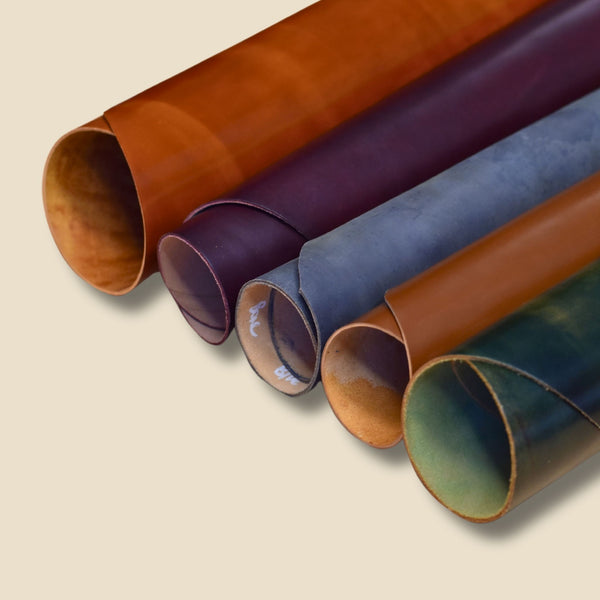
Veg-Tan Staples: Buttero and Pueblo
For small, quality goods, you can't go wrong with Italian vegetable-tanned leather. Buttero is a world-famous staple, known for its smooth grain and firm temper-perfect for creating structured wallets or notebook covers that hold their shape. If you prefer a more rustic feel, Pueblo offers a unique, slightly roughened texture that develops a rich, personal patina over time. Both are exceptional choices for beginners.
Understanding Leather Thickness (Weight)
Leather thickness, or weight, is critical. Too thick, and your wallet won't fold; too thin, and your tote bag will be flimsy. It's measured in millimetres (mm) or ounces (oz). Here’s a simple guide:
- 1.2-1.6mm (3-4 oz): Ideal for wallet interiors, cardholders, and fine details.
- 1.8-2.2mm (4.5-5.5 oz): Excellent for tablet sleeves, clutches, and small tote bags.
Always check the product description for the exact thickness to match it to your project's needs.
Considering Temper and Finish
Temper refers to the leather's stiffness. A firm temper is great for structured items that need to hold their form, while a soft temper is suited for pouches or linings that require flexibility. The finish is the final touch. Do you want the classic elegance of a smooth finish, the unique character of a textured leather, or the dynamic colour variation of a pull-up? Your choice here defines the final look and feel of your creation.
Feeling a bit overwhelmed? That's completely normal. The world of leather is vast, but you don't have to navigate it alone. Need advice? Hi, I'm Mike! Let's find your perfect leather.
Essential Tools and Hardware for 35 cm Projects
Stepping into leathercraft can feel intimidating, but you don't need a sprawling workshop to begin. The truth is, a handful of high-quality tools is all it takes to turn a piece of premium leather-even a small panel of just 35 centimetri-into a functional work of art. It’s about craftsmanship, not collecting every gadget. Let's break down the essentials you'll need to bring your first projects to life.
The Cutting & Marking Kit
Precision starts here. Clean cuts are the foundation of any quality leather good. A sharp blade is non-negotiable; it ensures your edges are crisp and professional. For marking your stitch lines with accuracy, a scratch awl or a wing divider is perfect. Your basic cutting kit should include:
- A reliable craft knife or rotary cutter
- A sturdy metal ruler for straight lines
- A self-healing cutting mat to protect your work surface
Your First Stitching Setup
The signature of hand-stitched leather is its strength and timeless beauty. To achieve the classic saddle stitch, you'll need just a few core items: a set of stitching chisels (also called pricking irons) to create your holes, a spool of quality waxed thread (a 0.6mm size is wonderfully versatile), and a pair of harness needles. While a stitching pony is helpful for holding your work, it’s not essential for smaller pieces.
Hardware and Finishing Touches
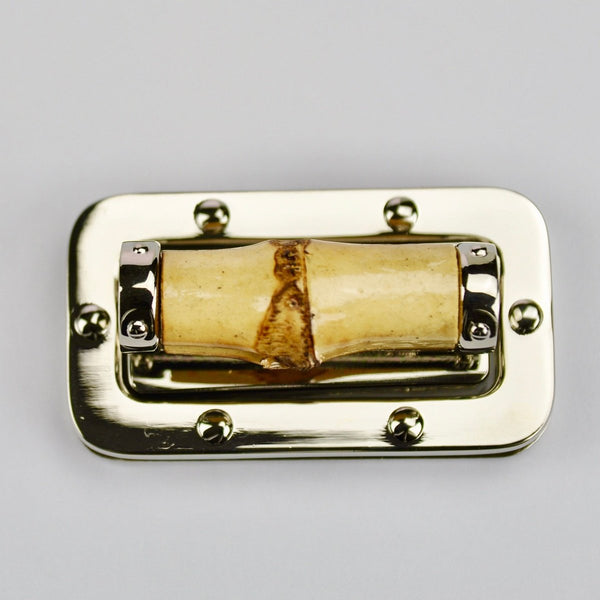
This is where your project’s personality shines. Simple hardware like snaps, rivets, or a small buckle can elevate your design from basic to bespoke. Each type requires a specific setting tool, which are often sold in affordable kits. Don’t forget the edges! A smooth, burnished edge is a hallmark of fine leatherwork. You can achieve this professional finish with a simple wood slicker and a bit of beeswax or Tokonole.
Quality tools are an investment in your craft. If you need any advice on selecting the right gear to get started, browse our hand-selected collection of premium leathercraft tools at Hab-To. No compromises. Just real craftsmanship.
From a Small Panel Comes Great Craftsmanship
As we've explored, a modest piece of leather is a powerhouse of possibility. You've seen how this versatile size is perfect for everything from a beginner's first cardholder to an intermediate crafter's elegant clutch. The true secret is understanding that limitations often spark the greatest creativity. A single 35 centimetri panel isn't a restriction; it's a focused challenge, inviting you to create something beautiful and functional with precision and care.
Now it's your turn to transform inspiration into a tangible piece of art. At Hab-To, we believe in real craftsmanship, which starts with the finest materials. Drawing on over 160 years of family experience, we provide hand-selected, sustainable, and high-quality vegetable-tanned leathers. And with no minimum order requirements, you can get the perfect panel for your specific project, no matter the size.
Explore our hand-selected leather panels and start your project today. The only thing left to do is begin.
Frequently Asked Questions
Is a 35 cm x 35 cm leather panel big enough to make a small bag?
Absolutely. A 35 cm square panel is a fantastic size for your first bag project. It’s perfect for creating a simple clutch, a small crossbody pouch, or a folded tote. The key is to choose a pattern that uses the material efficiently. For example, a simple envelope clutch might only require one main piece folded over, leaving you with enough quality leather for a matching cardholder. It’s an ideal size to master cutting and stitching fundamentals.
What is the best all-around leather thickness for small projects like wallets and pouches?
For versatility, I always recommend a leather thickness between 1.2mm and 1.6mm (3-4 oz). This range provides enough structure and durability for a pouch or wallet exterior, yet it remains pliable enough for a beginner to cut and stitch without a struggle. For interior wallet pockets where you want to reduce bulk, you can go slightly thinner, around 1.0mm (2.5 oz). Balancing durability with workability is the secret to great craftsmanship.
How do I properly convert a pattern in inches to centimeters?
Precision is key in leatherwork. To convert inches to centimeters accurately, multiply the inch measurement by 2.54. For example, a 12-inch strap becomes 30.48 cm. I suggest using a calculator for the conversion and then a quality steel ruler with clear millimeter markings to transfer the measurement to your leather. Taking this extra moment ensures your pieces fit together perfectly, which is crucial for a professional-looking final product.
Can I buy a single 35 cm panel of premium leather like Shell Cordovan?
This is a great question. Premium leathers like Shell Cordovan are unique because they aren't sold in uniform squares. They come in irregular shapes called "shells." While you can find pieces large enough for a small project, you won't typically find a pre-cut 35 centimetri square. We hand-select our leathers and often have smaller, project-ready pieces available. It's always best to check our current stock or ask us for advice on the perfect cut for your needs.
What are the three most essential tools I need to start my first 35 cm project?
You can start without a huge investment. My top three essentials are: First, a high-quality craft knife and a self-healing cutting mat for clean, precise cuts. Second, a set of stitching chisels (or pricking irons) and a mallet to create your stitching holes evenly. And third, two good harness needles and some quality waxed thread to sew it all together. With just these tools, you can complete an incredible variety of beautiful, hand-stitched projects.
How do I care for the items I make from vegetable-tanned leather?
Proper care is what allows your work to last a lifetime. For a new item, apply a light coat of a natural leather conditioner or balm to protect it from moisture and dirt. Over the years, keep it away from prolonged direct sunlight and never soak it in water. If it gets dirty, a quick wipe with a slightly damp cloth is all you need. Re-condition it every 6-12 months to keep the leather supple and help it develop a rich, beautiful patina.