Badalassi Waxy Leather: Guide for Crafting Excellence
Can a piece of leather actually tell a story before you've even finished the first stitch? Most artisans recognize that badalassi waxy leather is special, but that doesn't stop the hesitation that comes with handling such a premium, oil-rich hide. You might worry about the surface being too slick for your glue or fear that a single wrong move will ruin an expensive investment. It's a common concern for anyone moving from standard vegetable tanned leather to the world of high-character Italian pull-up skins.
I've seen many crafters hesitate to cut into these hides because they aren't sure how the waxy finish will behave under their tools. This guide will show you why master artisans choose this specific leather for its dynamic patina and resilient finish. We'll walk through the exact tools you need for oily hides, from specialized adhesives to edge finishing secrets. By the end, you'll know how to master this Tuscan treasure and where to source the perfect panels for your workshop without high minimum orders.
Key Takeaways
- Understand the heritage of Conceria Carlo Badalassi and why their waxy pull-up skins are a staple for high-end leathercraft.
- Learn to distinguish between the smooth, glossy finish of badalassi waxy leather and the rustic, matte texture of Badalassi Pueblo to choose the right hide for your design.
- Master essential technical preparation steps, like surface roughening for adhesives, to ensure professional-grade bonds on oil-rich hides.
- Discover how to leverage the dramatic pull-up effect in wallets and bags to create pieces that develop a deep, personalized patina over time.
- Implement a "less is more" care routine that uses simple friction to buff out surface marks and restore the leather's natural luster.
What is Badalassi Waxy Leather?
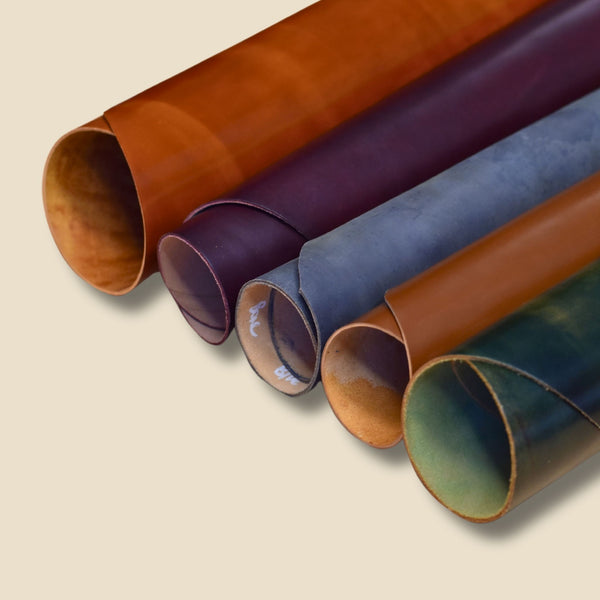
Badalassi waxy leather is a masterpiece of Italian tanning, specifically designed for those who value a dynamic, living finish. Produced by the world-renowned Conceria Carlo Badalassi in the heart of Tuscany, this premium vegetable-tanned bovine leather is deeply infused with a rich blend of oils and waxes. This isn't a superficial finish. These fats are drum-tanned into the very fibers of the hide, resulting in a material that feels substantial and supple. As a proud member of the Consorzio Vera Pelle Italiana Conciata al Vegetale, the tannery uses 100% plant-based tannins like chestnut and quebracho, ensuring the leather is entirely biodegradable and free from chrome or synthetic agents.
Applying traditional leather crafting techniques to a hide this rich in oil requires a specific approach. The leather responds to every fold and stitch, making it a favorite for makers who want their work to develop a deep, personal history with the user. The high concentration of tallow within the fibers creates a natural barrier, offering a degree of moisture resistance that is rare in pure vegetable-tanned skins.
To better understand this concept, watch this helpful video:
The Heritage of Conceria Carlo Badalassi
Located in the Santa Croce sull’Arno district, Conceria Carlo Badalassi is a cornerstone of the Tuscan tanning tradition. They are masters of the Vacchetta process, which utilizes animal fats, known as tallow or sego, to create a unique handle and longevity. Mike selects these hides for the Hab-To collection because they offer a level of character that mass-produced leathers simply cannot match. It's about the connection between the source and the workshop. You can read more about Mike's expertise and his direct relationships with these historic tanneries. This heritage ensures that every panel you buy has been produced using traditional wooden drums and artisanal recipes passed down through generations.
Anatomy of a Waxy Hide
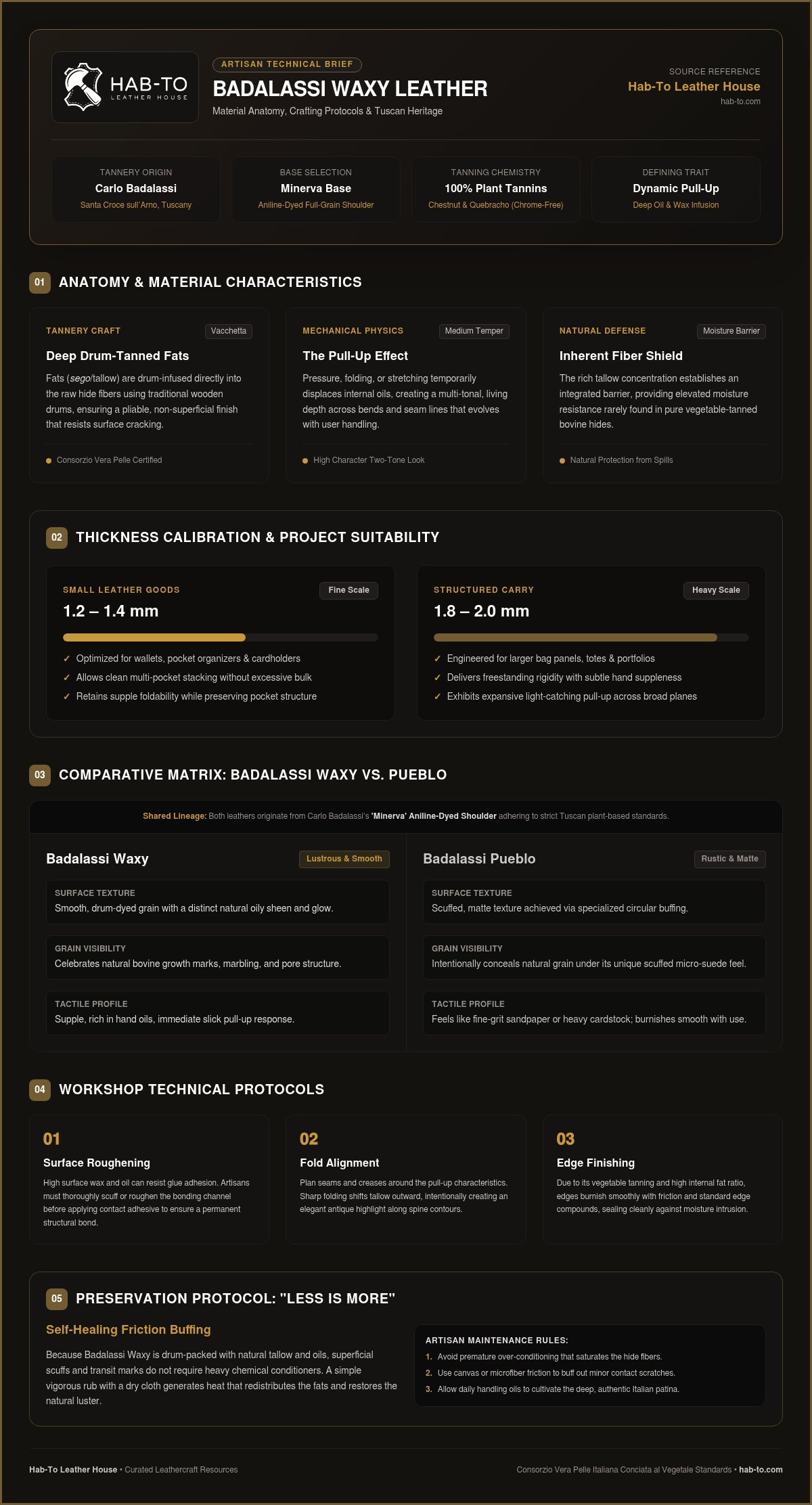
The foundation of the Waxy line is the 'Minerva' base, which is an aniline-dyed full-grain shoulder. This is the same premium starting point used for the iconic Badalassi Pueblo, though the finishing processes differ significantly. While Waxy is smooth and lustrous, it maintains a medium temper that is perfect for items needing structural integrity without being overly stiff. Typical thickness ranges from 1.2-1.4mm for wallets to 1.8-2.0mm for larger bags. A defining characteristic is the pull-up effect, which is the temporary displacement of oils under pressure. This displacement creates a stunning two-tone look whenever the leather is bent or stretched, giving the finished product an immediate sense of depth and movement.
Badalassi Waxy vs. Pueblo: Which Should You Choose?
Choosing between these two icons often comes down to the specific tactile experience you want to provide your customers. Both leathers are born from the same "Minerva" base at the Badalassi tannery. They both adhere to the strict Tuscan vegetable-tanned leather standards, which ensure a metal-free, plant-based tanning process. While they share a lineage, badalassi waxy leather and Badalassi Pueblo Leather sit on opposite ends of the texture spectrum. One is rugged and matte; the other is sophisticated and lustrous.
Visual and Tactile Differences
The most immediate difference is the surface grain. Pueblo is famous for its rustic, "scuffed" appearance, achieved by a specialized circular buffing process that leaves the leather feeling almost like fine-grit sandpaper or heavy cardstock. In contrast, badalassi waxy leather features a smooth, drum-dyed grain with a visible oily sheen. This leather has a natural "glow" that catches the light beautifully, especially on larger panels used for bags. While Pueblo hides the natural bovine grain behind its unique texture, Waxy celebrates it. You'll see subtle marbling and growth marks through the wax, giving every piece an organic, high-end feel. If you're struggling to decide which finish fits your next prototype, our curated leather bundles allow you to test both styles in manageable quantities.
The Patina Journey
Both leathers are famous for their dramatic evolution, but they travel different paths. Pueblo begins matte and slightly chalky. Over six months of daily carry, those scuffed fibers lay flat, and the leather transforms into a dark, smooth, and incredibly glossy surface. Waxy starts with that gloss already present. Its journey is about depth and richness. The high tallow content means it darkens quickly, moving from a satin finish to a surface that looks almost like polished glass. It’s a more predictable patina, but no less rewarding. Because the oils are so concentrated, minor surface scuffs on Waxy can often be buffed out with just the heat of your thumb and a little friction. Pueblo is more forgiving of deep scratches initially because of its scuffed texture, but Waxy offers better natural resistance to light moisture splashes due to its heavy wax infusion.
Matching the leather to the "vibe" of your project is essential. Pueblo is the king of the rugged, heritage look, perfect for field notes and outdoorsy gear. Waxy is the choice for luxury wallets and sleek handbags where a refined, two-tone pull-up effect is the star of the show. Both are joy to work with, but Waxy provides that extra touch of "old-world" Italian elegance right off the bench.
Working with Badalassi Waxy: A Technical Guide
Working with badalassi waxy leather requires a slight shift in your usual workshop routine. It's not like working with dry, stiff harness leather. The high tallow and wax content, while beautiful, creates specific challenges that can frustrate a beginner if they're not prepared. I've found that the key is respecting the material's richness while using tools that can cut through the grease to find the fibers beneath.
What You Will Need
- A high-performance adhesive like EcoStick 1804 Leather Glue to penetrate the waxy surface.
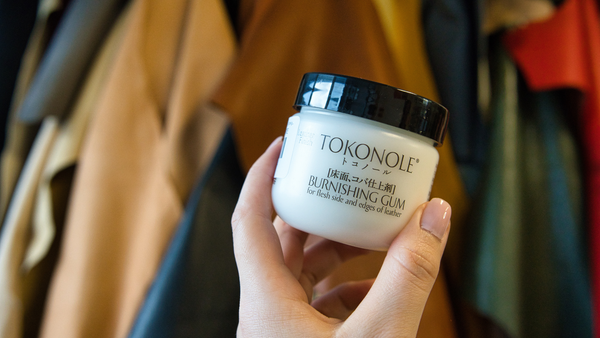
- A reliable burnishing agent such as Tokonole Edge Wax for that signature Italian gloss.
- A comprehensive setup like the Leathercraft Master Bundle, which includes the essentials for a professional bond.
Precision Cutting and Preparation
Your first challenge is the blade. The dense oils in badalassi waxy leather can cause a standard utility blade to drag or wander. I always recommend using a freshly sharpened Japanese skiving knife for long, clean cuts. It provides the control needed to navigate the medium temper without compressing the grain. You can find the right hardware for these tasks in our Advanced Leathercraft Tools for Precision Work collection.
Before you even reach for the glue, you'll need to address the surface. Water-based adhesives often bead up on waxy hides. You'll need to mechanically roughen the gluing margin with 120-grit sandpaper or a roughing tool. This exposes the raw vegetable fibers, allowing the glue to create a structural bond rather than just sitting on top of the wax. Following established preventive conservation and care guidelines ensures that your assembly remains stable and resistant to environmental stress over the lifetime of the piece.
When it's time for the edges, don't rush. Because of the internal fats, these edges burnish exceptionally well, but you need to sand through the grits first. Start with 320 and move up to 600 before applying Tokonole. The friction from a wooden slicker will melt the internal waxes, fusing them with the burnishing gum for a mirror-like finish that won't crack. For stitching, keep your tension consistent. The pull-up effect means that if you pull too hard, you'll create light-colored stress marks around each stitch hole. This can be a beautiful design feature if it's intentional, but a distraction if it isn't. If you're ready to start your first project, explore our curated crafting bundles to get everything you need in one go.
Best Projects for Badalassi Waxy Leather
The beauty of badalassi waxy leather lies in its responsiveness. It’s a material that rewards movement. For luxury wallets, this leather is a revelation. Every time a customer opens their bifold, the internal oils shift, creating a lighter contrast along the fold lines. This isn't wear; it's a dynamic design feature that develops as the item is used. Similarly, travel journals made from Waxy become living archives. Every scratch from a journey records a story, yet the high oil content allows most surface marks to be buffed out with a simple thumb rub. It’s the perfect balance between a vintage aesthetic and modern durability. For larger projects like unlined totes, the medium temper ensures the bag maintains its shape while remaining soft to the touch.
Small Goods and Accessories
Card holders are where the 'Waxy' fold truly shines. Because we offer panels with no minimum order, you can prototype these smaller items without investing in a full shoulder. If you're branching into chronographs or vintage timepieces, this leather is an excellent choice for straps. It’s supple enough to be comfortable on the wrist from day one, unlike stiffer bridle leathers that require a long break-in period. You can find more specific advice in our guide on The Best Watchstrap Leather and Tools for Artisans. For those moving into larger items, selecting the right hide is critical. You can browse our dedicated collection of Leather for Bags to find the perfect substance for structured totes and handbags.
Equestrian and Heavy Duty Gear
While badalassi waxy leather is often associated with fashion, its heritage in the Tuscan Vacchetta tradition makes it surprisingly capable for decorative equestrian elements. It’s not a replacement for traditional Harness and Bridal Leathers, which require much higher tensile strength for safety-critical applications. However, for accent pieces on horse tack or high-end pet accessories, the moisture resistance is a major benefit. The dense tallow infusion acts as a natural shield against light rain and humidity. This makes it a resilient choice for gear that needs to look sophisticated while occasionally facing the elements. It provides a level of luxury and character that standard heavy-duty leathers often lack.
Care and Longevity: Preserving Your Waxy Projects
One of the most frequent questions I get from artisans is how to keep their finished pieces looking pristine. With badalassi waxy leather, the answer is often simpler than you'd think. It's a material designed to be used, handled, and lived with. The "less is more" approach is vital here. Because the hide is already saturated with tallow and waxes during the tanning process, it rarely needs immediate conditioning out of the box. Maintaining the health of badalassi waxy leather isn't about constant intervention; it's about understanding the material's natural resilience.
What about scratches? Don't panic. If you see a light mark on the surface, the heat and friction from your thumb are usually enough to redistribute the internal oils and buff the mark away. This is the hallmark of a high-quality pull-up leather. It’s part of our philosophy at Hab-To: we want you to let the leather tell its story. Every scuff that isn't buffed out becomes a chapter in the life of the craft, contributing to a patina that is entirely unique to the user.
Recommended Care Products
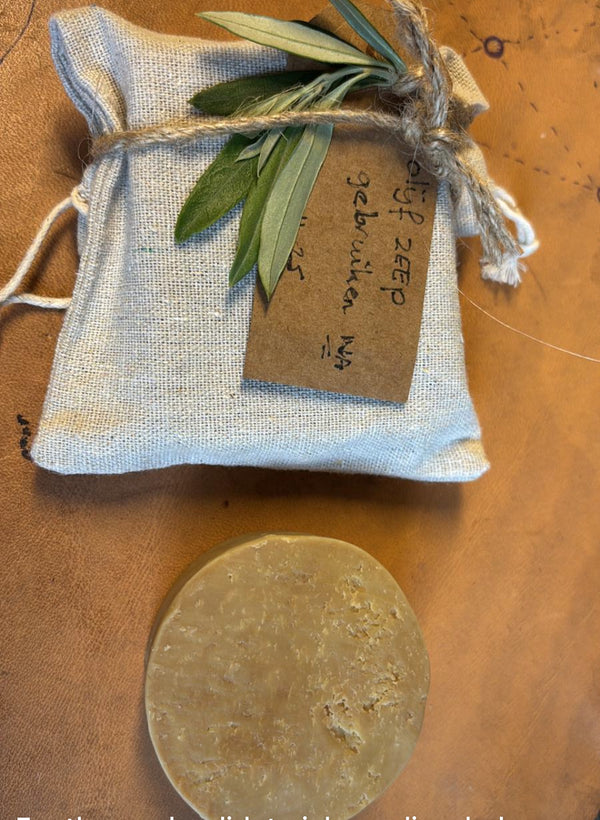
When the leather finally does start to feel dry after years of use, choose your products carefully. I recommend the Fiebing's Leather Care line for reliable, time-tested results that won't compromise the vegetable-tanned fibers. For those who prioritize natural, plant-based treatments, the Olivenleder care range offers a sustainable finish that aligns perfectly with the eco-conscious heritage of Tuscan tanning. Use a soft microfiber cloth for daily buffing to maintain the luster. A horsehair brush is better for removing dust from stitch lines without scratching the grain, ensuring your edges and seams stay clean.
Sourcing Your Next Panel
Finding premium Italian hides shouldn't require a massive warehouse or a high minimum order. We’ve built Hab-To to be the bridge between world-class tanneries and the individual artisan. Whether you need a full shoulder for a large tote or just a few square decimeters for a prototype, you can find what you need in our Badalassi Carlo Collection. We sell by the dm² and in small panels to ensure you only pay for what you use. If you’re still unsure which thickness or color is right for your specific project, you can always book a Free Video Consultation with Mike. I’m happy to show you the hides live on camera and help you choose the perfect panel for your next masterpiece.
Master the Art of Italian Pull-Up Leather
Mastering badalassi waxy leather is about more than just following a pattern. It's about respecting the rich, oily heritage of the Tuscan tanneries and knowing how to prepare your surfaces for a lasting bond. You've learned that while the high wax content presents challenges for adhesives, the reward is a dynamic patina that no other material can replicate. Whether you're crafting luxury wallets or unlined totes, this leather records every fold and touch, turning your craft into a living history.
At Hab-To, we bridge the gap between these world-class Italian tanneries and your workbench. With our 160+ years of family expertise, we provide hides directly sourced from the Tuscan Vegetable Tanning Consortium. Our no minimum order policy means you can start small and prototype with confidence. We're here to support your journey from the first cut to the final burnish.
Your next masterpiece is waiting in the grain.
Frequently Asked Questions
Does Badalassi Waxy leather scratch easily?
Yes, the smooth surface of badalassi waxy leather can show scratches, but they aren't permanent. Because the hide is deeply infused with tallow and oils, you can buff out minor surface marks using just the heat and friction from your thumb. This self-healing property is a hallmark of high-quality pull-up skins. It allows the piece to age gracefully without looking damaged or worn out.
Is Badalassi Waxy leather waterproof?
No leather is entirely waterproof, but the heavy wax and oil content in this hide offers superior moisture resistance. While a standard vegetable-tanned leather might soak up water instantly, moisture tends to bead on the surface of waxy hides. You should still wipe away spills immediately to prevent staining. For long-term protection, we recommend using a light application of Olivenleder leather food to maintain the natural barrier.
What is the difference between Badalassi Waxy and Minerva Box?
The primary difference lies in the texture and finishing process. Minerva Box is a tumbled leather, which creates a soft, natural pebbled grain throughout the hide. Badalassi waxy leather starts with the same Minerva base but receives a heavy infusion of molten wax and oils instead of tumbling. This results in a smooth, lustrous surface with a dramatic pull-up effect that Minerva Box lacks.
Can I use Tokonole on the edges of Waxy leather?
You can definitely use Tokonole, but preparation is key for oily hides. You must sand the edges thoroughly, starting with 320-grit sandpaper, to remove the surface wax and expose the raw vegetable fibers. Once the fibers are accessible, Tokonole will penetrate and bond effectively. The internal fats in the leather actually help achieve a mirror-like gloss that stays flexible and won't crack over time.
How much Badalassi Waxy do I need for a standard bifold wallet?
For a standard bifold wallet, you generally need between 1.5 and 2 square decimeters (dm²) of leather. This estimate accounts for the exterior shell and internal card pockets. Since we offer small panels with no minimum order requirements, you don't have to buy a full shoulder for a single project. This makes it affordable to prototype your designs using premium Italian hides without wasting expensive material.
Does the color of Waxy leather rub off on clothing?
Color rub-off, also known as crocking, is very rare with these hides because they are aniline-dyed in traditional wooden drums. The dye penetrates deep into the fibers rather than sitting on the surface. However, with very dark colors like Nero or Castagno, it's always wise to be cautious around light-colored fabrics during the first few weeks of use. Natural friction and body heat will eventually set the finish completely.
Why is Badalassi Carlo leather more expensive than other veg-tans?
The higher cost reflects the slow, artisanal nature of the Vacchetta tanning process. Unlike mass-produced leathers, Badalassi Carlo uses 100% plant-based tannins and pure animal fats in a process that takes several weeks to complete. This method is certified by the Tuscan Vegetable Tanning Consortium, ensuring ethical standards and superior durability. You're paying for over 160 years of family expertise and a material that lasts a lifetime.
How do I know if my Badalassi leather is authentic?
Authentic Badalassi leather is always accompanied by a guarantee from the Consorzio Vera Pelle Italiana Conciata al Vegetale. This consortium provides a unique, numbered certificate with every hide to verify it was tanned in Tuscany using traditional methods. At Hab-To, we maintain direct relationships with these tanneries to ensure every panel we sell is genuine. You can book a free video consultation with Mike to see the authenticity marks yourself.
Disclaimer
All our blog articles are made for information purposes only we dont take responsability for any content from third parties.