Cordovan Color: The Definitive Guide to Leather’s Most Iconic Hue
Hi there, I'm Mike. The most iconic color in the leather world isn't actually a color at all. After more than 25 years in the trade, I've seen many crafters mistake cordovan color for a simple bottle of burgundy dye. That's a mistake that leads to flat, disappointing results. True cordovan is a living, breathing hue. It's a deep, multi-dimensional glow that only exists because of the unique density of horsehide shell. This is quality without compromise.
You've likely felt the frustration of choosing between oxblood, maroon, and genuine cordovan. It's confusing when you're searching for that specific luster but aren't sure how the material will age or where to source the real thing. I understand that struggle. You want your work to stand the test of time, and you need materials that tell a story of tradition and excellence.
In this guide, you'll discover the history, characteristics, and crafting secrets of this rich, dark hue. I'll show you the vital connection to horsehide and share tips on how to source and work with the material. We'll explore the tanning mastery of Conceria Maryam and how to source these premium shells without worrying about minimum order quantities. Let's dive in.
Key Takeaways
- Learn the precise visual profile of cordovan color, distinguishing its deep burgundy base from subtle purple and brown undertones.
- Understand why this iconic hue is inseparable from the unique, non-porous structure of genuine horsehide shell.
- Master the visual differences between Cordovan, oxblood, and burgundy to avoid common selection mistakes in your crafting.
- Discover professional tips for skiving and maintaining the "glassy" luster of your leather using specialized care methods.
- Learn how to source world-class Shell Cordovan from Conceria Maryam without the burden of minimum order quantities.
What is Cordovan Color? Understanding the Pigment and the Shell
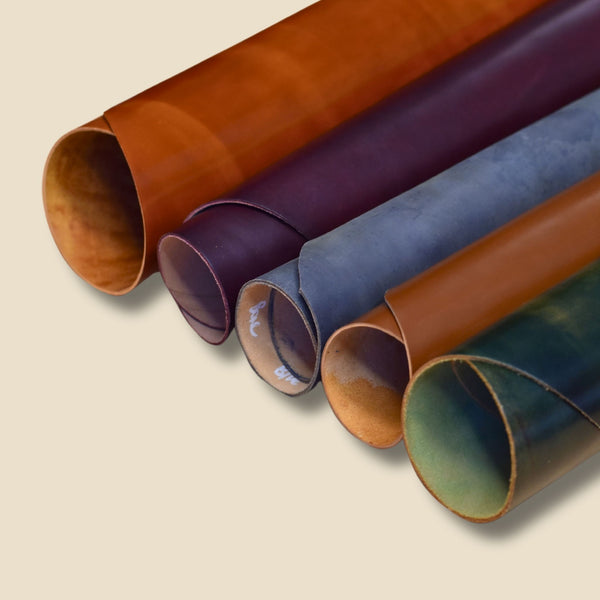
True cordovan color is a masterpiece of depth. It isn't just a flat burgundy or a dark red. Instead, it's a complex, rich shade that balances deep wine tones with subtle purple and earthy brown undertones. This specific balance creates a sense of luxury and stability that lighter reds simply can't match. It's a timeless hue, often associated with high-end footwear and heritage accessories that refuse to go out of style.
The history of this pigment is tied to the city of Córdoba, Spain. Centuries ago, Visigoth tanning traditions laid the groundwork for what we now recognize as the pinnacle of leatherwork. These artisans discovered that specific tanning methods could produce a color so deep it almost appeared black in low light, only to reveal its vibrant, bloody heart under the sun. This historical weight gives the color an air of authority and tradition that resonates with modern crafters who value authenticity.
To better understand this concept, watch this helpful video:
You can't separate the color from the material. The name comes directly from "Shell Cordovan," a legendary leather sourced from a specific fibrous flat muscle beneath the hide of a horse's hindquarters. Because this "shell" is incredibly dense and non-porous, it takes on dyes in a way no other hide can. The result is a glassy, mirror-like finish where the color seems to sit deep within the fibers rather than just on the surface.
The Science of the Hue: Red vs. Brown
Technically, a true cordovan sits at a specific intersection of light and pigment. In the RGB spectrum, it's often defined by values around R:137, G:63, B:69. The secret lies in the density of the leather fibers. Because vegetable tanned leather is a natural, porous medium, it allows the pigment to saturate the internal structure. Unlike chrome-tanned leathers that often use heavy surface coatings, the vegetable-tanning process ensures the color develops a patina. It shifts and grows richer over time rather than fading or peeling.
The Legacy of Conceria Maryam
In my 25 years of experience, few tanneries have mastered this hue like Conceria Maryam in Tuscany. They're the industry standard for achieving that deep, saturated glow. Their Maryam Shell Cordovan is produced using slow, traditional methods that respect the material. I personally source these hides because they offer the most consistent and breathtaking cordovan color available. Best of all, I provide these premium shells with no minimum order quantity, making this "King of Leathers" accessible for your next bespoke project.
The Connection Between Material and Color: Why It Matters
You'll often hear people use the word 'Cordovan' to describe a pair of shoes or a belt. But there's a vital distinction to make. Cordovan is both a specific leather and a distinct shade. While you can find cowhide dyed to mimic the cordovan color, it never quite captures the same magic. The secret lies in the density. Because Shell Cordovan comes from the dense hindquarters of a horse, it lacks the grain of typical bovine hides. This non-porous structure is what allows the leather to achieve its famous glassy luster. The color doesn't just sit on top; it seems to glow from within.
During the tanning process at Conceria Maryam, the hides are stuffed with a proprietary blend of fats and oils. This isn't a quick spray-on finish. These oils penetrate deep into the fibers, creating a reservoir of moisture that keeps the color vibrant for decades. It's why this material is the gold standard for high-end footwear and watch straps. Unlike bovine leather, which creases and creates light-colored lines, Cordovan rolls. This rolling motion preserves the uniformity of the dark burgundy pigment, ensuring your work looks better after five years of wear than it did on day one.
This depth of color is a hallmark of quality. It provides a sense of visual stability. When you hold a piece of Maryam shell, you aren't just looking at a pigment; you're looking at a history of slow, patient tanning that respects the natural integrity of the horsehide.
The Patina Factor: How Cordovan Color Evolves
The way this color ages is what truly sets it apart from synthetic alternatives. A synthetic imitation might look the part on day one, but it lacks a soul. Real vegetable tanned Cordovan reacts to its environment. Over time, the dark burgundy begins to transition into a translucent, multi-tonal glow. This happens as UV light and the natural oils from your hands interact with the vegetable tannins. The result is a patina that looks like antique mahogany. It's a living finish that rewards the owner for every mile walked or every time a watch strap is buckled.
Sourcing Small Panels for Big Projects
I believe every crafter should have the chance to work with this material. I know how intimidating it can be to buy a full shell, especially when you're just starting a new project. That’s why I offer the option to buy Maryam Shell Cordovan Leather in small panels with no minimum order quantity. It makes this premium material accessible for small goods like wallets or watch straps. If you're nearby, you can even visit my showroom to see these hues in person. Seeing the way the light hits the surface helps you choose the perfect shade for your next masterpiece. If you're looking to stock up on essentials alongside your leather, you might consider one of our leather bundles to get everything you need in one go.
Cordovan vs. Burgundy vs. Oxblood: Spotting the Difference
I've spent decades looking at hides, and I still see professionals trip over these names. It's a common point of confusion. Many people use these terms interchangeably, but for a master crafter, the differences are distinct. Cordovan color isn't just a generic dark red. It's a specific, regal balance that stands apart from its cousins, Burgundy and Oxblood. Understanding these nuances is the difference between a piece that looks "nice" and one that looks truly bespoke.
Burgundy is the brightest of the bunch. It's a vibrant red with strong pink undertones. It's energetic and pops in natural light. Oxblood, on the other hand, is much moodier. It's a true "blood-red" that's darker than burgundy but lacks the purple complexity. It's an aggressive, earthy shade. Then you have true cordovan. It's the most complex of the trio. You're looking at a perfect marriage of dark plum and chocolate brown. It's deeper, more stable, and carries a visual weight that the others don't.
Visual Comparison for Crafters
Choosing the wrong shade can change the entire mood of a piece. While cordovan is the gold standard for formal luxury, you might want something more rustic for certain projects. If you're looking for a textured, matte finish with similar deep red tones, Pueblo Leather is a fantastic alternative. However, for that traditional, high-gloss elegance, nothing compares to the shell.
| Color | Undertone | Visual Impact |
|---|---|---|
| Burgundy | Pink/Bright Red | Casual, Vibrant |
| Oxblood | Deep Red/Black | Moody, Earthy |
| Cordovan | Plum/Chocolate | Formal, Timeless |
Matching Dyes and Edge Finishes
When you're working with these rich pigments, the edges can't be an afterthought. If you're building a strap or a wallet to match a cordovan color shell, I usually recommend Fiebing's dyes to hit those specific plum notes. But the dye is only half the battle. To get that iconic, glassy edge that matches the surface of the shell, you need a high-quality burnishing agent. I always suggest using one of our Tokonole Bundles. It's the only way to achieve that professional, mirror-like finish that doesn't just sit on the edge but actually seals and protects the fibers for the long haul.

Crafting with Cordovan: A Practical Guide for Artisans
Working with Shell Cordovan is a unique experience that requires a shift in mindset. Unlike standard bovine hides, this is a dense fibrous muscle. It doesn't stretch, and it doesn't have a traditional grain. When you begin cutting, you'll immediately notice the resistance. You need a surgical level of sharpness for your blades. If your knife is even slightly dull, it will tear the fibers of that beautiful cordovan color surface instead of gliding through them. Skiving should be done in thin, controlled passes. Since there's no grain to fight against, a sharp blade glides like butter, but one slip can ruin a precious panel.
Maintaining that iconic luster requires a light touch. You shouldn't drown this leather in heavy waxes or oils. I recommend using Olivenleder care products. These are specifically designed for vegetable-tanned materials and won't clog the tight pores of the shell. A simple horsehair brush and occasional buffing are usually enough to keep the pigment deep and vibrant. Avoid heavy chemical cleaners that might strip the natural fats infused during the tanning process.
What You Will Need for a Cordovan Project
To achieve professional results with this premium material, you need the right set of tools and supplies. Here is my essential list for any cordovan project:
- Maryam Cordovan panels in your preferred size
- Tokonole burnishing cream from our Tokonole Bundles
- High-quality pricking irons from the Hab-To Tools Collection
- Ecostick 1804 Leather Glue for a secure, water-based bond
Hardware Pairing Guide
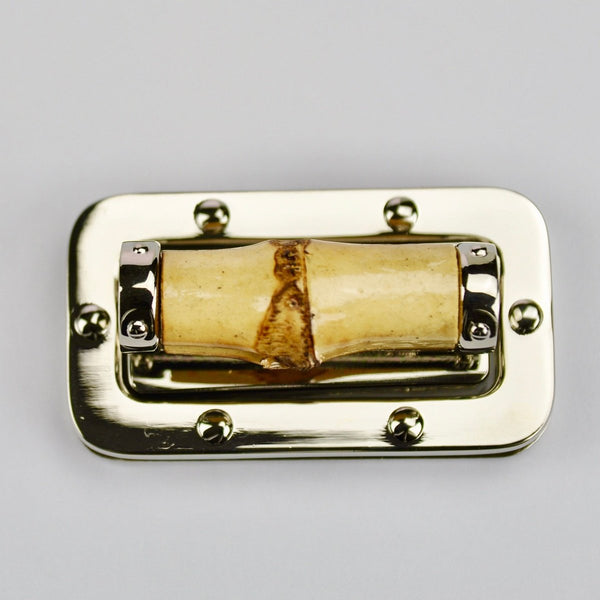
I've found that many crafters struggle to match hardware to the complex cordovan color. Because this leather contains both warm red and cool purple undertones, it's surprisingly versatile. Solid Brass is my go-to for a classic, heritage look. The yellow tones of the brass pull out the hidden chocolate browns in the leather, creating a warm aesthetic that ages beautifully.
For a bolder, modern contrast, choose Nickel or Silver hardware. The cool tones of these metals reflect the plum highlights in the cordovan, making the final piece look exceptionally crisp and formal. You can explore a full range of buckles, rivets, and rings in our Leather Hardware Collections to find the perfect match for your design.
A frequent error is over-sanding the edges. Because the shell is so dense, you don't need to be aggressive. Light sanding followed by a thin layer of Tokonole will yield a mirror-like finish much faster than heavy-handed grinding. Also, never use alcohol-based dyes on the surface of pre-dyed shells. You'll risk stripping the delicate balance of oils that Maryam spent months perfecting.
Sourcing the "King of Leathers" at Hab-To Leather House
I've spent years building relationships with the best Italian tanneries. My goal has always been simple. I want to bring the world's finest materials to your workbench. When you're searching for that perfect cordovan color, you shouldn't have to settle for second best. That's why I source directly from Conceria Maryam in Tuscany. They're masters of the craft. They understand that true quality takes time, and I respect that tradition. I've seen their process firsthand, and it's why I can confidently say this is the best shell available today.
Most industrial wholesalers make it difficult for individual crafters. They demand large orders and high minimums. I don't believe in that. At Hab-To, we have a strict "No Minimum Order" policy, even for premium Maryam Shell Cordovan. Whether you need a single panel for a watch strap or enough for a full collection of wallets, I've got you covered. This is quality without compromise. Every hide I sell is 100% vegetable-tanned. We never deal in synthetics. You're getting an authentic, natural product that will age beautifully and develop a deep cordovan color patina over time.
Expert Support for Your Craft
I'm not just a supplier; I'm a fellow crafter. I know that choosing the right hide can be intimidating. If you're unsure about a specific shade or thickness, let's talk. You can book a Free Video Consultation with me. We'll hop on a call, and I can show you the exact pieces in my stock. If you want to dive deeper into the technical side, check out our Shell Cordovan Guide. For those looking to master new techniques, my Masterclasses offer hands-on training to elevate your skill set to a professional level.
Start Your Journey Today
Experience the Maryam luster for yourself. You don't need a huge budget to start. Order a single panel and feel the density of the fibers. I handle every order with care, ensuring your leather arrives in perfect condition. We ship worldwide, and most orders are ready for delivery within 24-48 hours. When you're ready to take your work to the next level, I'm here to help. Join our community of artisans and start working with the "King of Leathers" today. Your projects deserve the best foundation possible.
Master the Hue of Kings
Mastering the art of working with cordovan color is a rite of passage for any serious leatherworker. It's a journey that connects you to centuries of tradition and the unparalleled quality of Italian tanneries. By understanding the unique density of the horsehide shell and the visual depth of its plum and chocolate undertones, you can create pieces that don't just look luxury; they define it. Quality shouldn't be a compromise. It should be your standard.
We've explored how to differentiate this hue from burgundy and oxblood, the importance of surgical sharpness for skiving, and the way a natural patina evolves over time. At Hab-To, I'm proud to carry on 160 years of family heritage as an authorized supplier of Conceria Maryam. I believe premium materials should be accessible to everyone. That's why I offer these world-class shells with no minimum order quantity. You get the expert advice and the elite materials you need to succeed.
You have the knowledge and the tools to begin. It's time to bring that vision to life on your workbench. I'm excited to see what you'll build.
I can't wait to see the masterpieces you'll create with this legendary material. Your dedication to the craft is what keeps these traditions alive. Happy crafting.
Frequently Asked Questions
Is Cordovan color the same as burgundy?
No, cordovan color is not the same as burgundy. Burgundy is a brighter shade with distinct pink undertones that pops in the light. True cordovan is much deeper and more complex. It features a regal balance of dark plum and chocolate brown. This richness comes from the unique density of the horsehide shell. While burgundy is energetic, cordovan offers a sense of stability and luxury that's unmatched in formal leatherwork.
Does Cordovan leather color fade over time?
It doesn't fade in the traditional sense; instead, it patinas and evolves. Because our hides are vegetable-tanned, they react to UV light and the natural oils from your skin. Over time, the pigment becomes more translucent and takes on a multi-tonal glow. It actually gains more "soul" as it ages. This transition from a dark burgundy to a deep, antique mahogany is one of the most rewarding aspects of owning genuine shell.
What color hardware looks best with Cordovan leather?
Choosing hardware depends on the mood you want to create for your project. Solid Brass or Gold finishes pull out the warm chocolate tones in the leather for a classic, heritage look. If you want a sharp, modern contrast, Nickel or Silver hardware is the better choice. It reflects the cool plum highlights in the hide. You can find a wide variety of these finishes in our leather hardware collection.
How do I care for the color of my Cordovan leather goods?
Caring for this hue requires a minimalist approach. You shouldn't use heavy waxes that clog the tight pores of the shell. I recommend using the Olivenleder care range to maintain the natural oils infused during tanning. A simple horsehair brush and regular buffing are usually enough to keep the surface glowing. Avoid harsh chemicals that might strip the vegetable tannins. This ensures your piece develops a rich patina.
Can I buy Cordovan leather in small pieces at Hab-To?
Yes, you can buy exactly what you need without bulk commitments. At Hab-To Leather House, we have a strict no minimum order quantity policy. This means you can purchase a single panel of Maryam Shell Cordovan for a small project like a wallet or watch strap. We believe high-end materials should be accessible to all crafters. You don't need to purchase a whole hide to experience this luster.
Why is Cordovan color so popular for watch straps?
It's the gold standard for straps because it doesn't crease; it rolls. Most bovine leathers develop light-colored cracks where the strap bends at the buckle. Shell cordovan maintains its uniform pigment and structure even after years of daily use. It's also incredibly sweat-resistant due to its non-porous nature. For artisans, our horsehide collection offers the durability and color stability required for high-end accessories that last a lifetime.
What is the best dye to match Cordovan color?
If you're looking to match the specific cordovan color on your edges or repair work, I suggest using Fiebing's dyes. Their specific cordovan shade is formulated to hit those deep wine and brown notes. Remember that the final result depends on the density of the leather you're dyeing. Always test on a scrap piece first. To achieve a professional finish, seal your dyed edges with a quality burnishing agent like Tokonole.
Is Cordovan color suitable for both men and women fashion?
This cordovan color is a gender-neutral luxury staple that works across all fashion categories. Its dark, understated elegance makes it perfect for men's formal dress shoes and belts. Simultaneously, its rich plum undertones offer a sophisticated alternative to black or brown for women's handbags and accessories. It's a timeless hue that transcends trends. Whether you're building a minimalist cardholder or a structured tote, this shade provides a sense of permanent, high-end quality.
Disclaimer
All our blog articles are made for information purposes only we dont take responsability for any content from third parties.