

Creating Heirloom Quality Leather Goods: The Artisan’s Guide to Longevity
Most leather items sold today are designed to fail. It's a harsh reality that many crafters discover only after their projects begin to peel, crack, or fall apart within just a few seasons. If you've ever felt the frustration of seeing your hard work ruined by inferior materials or hardware that tarnishes, you aren't alone. You deserve the deep satisfaction of creating heirloom quality leather goods that don't just survive daily use but actually improve with age.
I believe that true longevity is a deliberate, material-first discipline. It's about moving away from mass-produced shortcuts and embracing time-honoured techniques that prioritize the hide's natural strength. In this guide, I'll show you how to select premium vegetable tanned leather and high-grade leather hardware that stands the test of time. We'll walk through the essential leatherworking tools you need to ensure your stitching stays secure and your edges stay smooth, giving you the confidence to start your next high-end project with precision.
Key Takeaways
- Understand the material-first philosophy essential for creating heirloom quality leather goods that gain character and strength with every year of use.
- Learn why vegetable tanned hides from the Tuscan Consortium and premium Shell Cordovan are the superior choice for pieces that never crack or degrade.
- Discover the curated artisan’s toolkit required to achieve professional precision and structural integrity in your heritage projects.
- Identify why solid brass hardware is the critical standard to ensure your buckles and rivets outlast the leather itself.
- Master the art of edge burnishing and preservation to seal out moisture and cultivate a rich, lifelong patina.
The Philosophy of Longevity: What Defines an Heirloom?
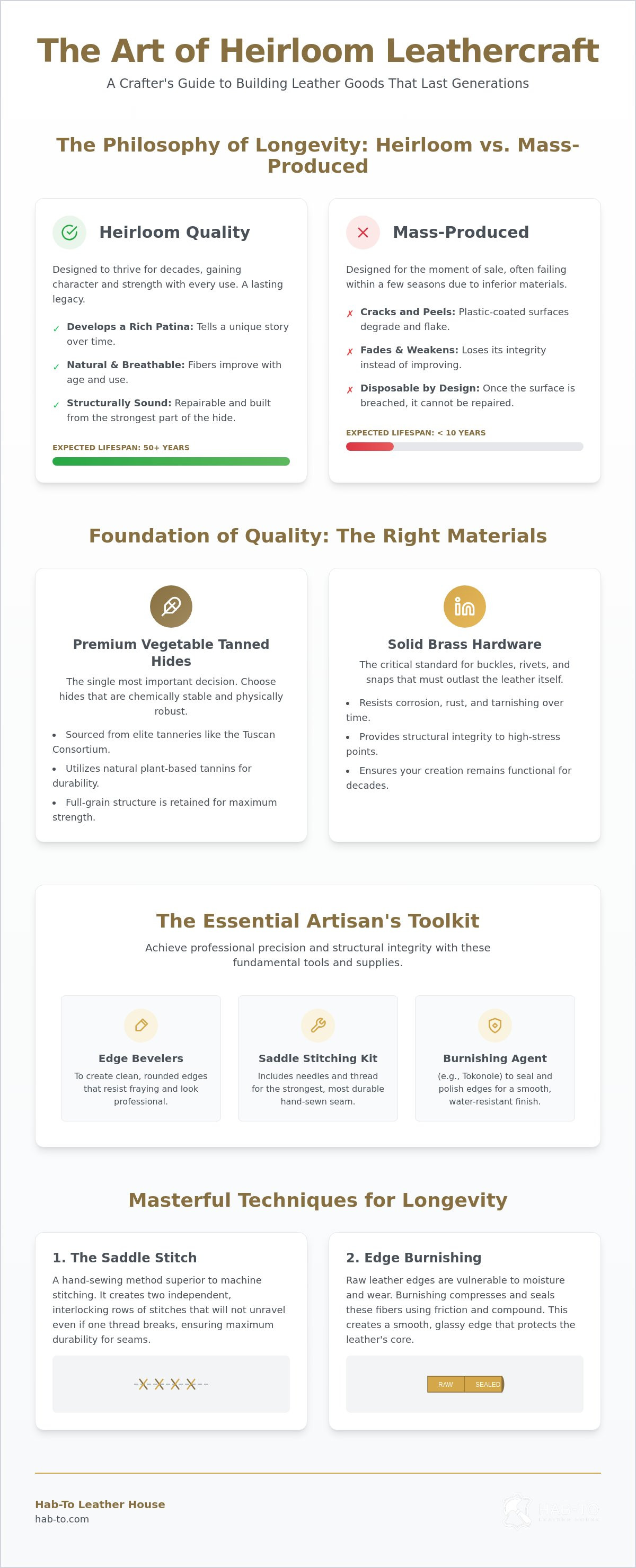
An heirloom isn't just an object that survives the passage of time. It's a piece that thrives through it. In my experience, creating heirloom quality leather goods requires a fundamental shift in how we view our materials. Most mass-produced items are designed for the moment of sale, but an heirloom is designed for the next fifty years. It gains character through every scratch, every spill, and every sun-drenched afternoon. Instead of degrading, it builds strength. This is the core difference between a disposable product and a lasting legacy.
When you choose a material, you're essentially choosing its future. Industrial chrome-tanned leathers or "genuine" leather often fail within a decade because their surfaces are essentially plastic-coated. They crack. They peel. They lose their soul. In contrast, natural hides treated with plant-based tannins develop a rich patina that tells a unique story. By the time we reach the end of 2026, a well-made bag will already have begun its transformation, deepening in colour and softening in hand. This evolution is only possible when the leather's fibres remain breathable and alive, allowing the hide to absorb the oils from your hands.
To better understand the structural reality behind luxury branding versus true material quality, watch this helpful video:
Vegetable Tanned vs. Synthetic Materials
The structural difference is found at the microscopic level. In high-quality vegetable tanned leather, the collagen fibres are cross-linked by natural tannins from bark and leaves. This creates a dense, durable matrix that can be repaired and conditioned. Synthetic materials and many chrome-tanned hides rely on heavy pigments and polyurethane top-coats. Once that surface is breached, the item is finished. Our "Veg-Tan Only" policy for core crafting hides is non-negotiable because we don't believe in making concessions on durability. We define an heirloom simply: a piece that outlives its creator while becoming more beautiful with every year of labour.
The 160-Year Heritage of Material Selection
My family has been immersed in the world of leather since 1857. That's over 160 years of understanding which hides stand up to the rigors of time and which ones fall short. This deep history informs every hide we source for you, from rugged belt leathers to refined Italian skins. We've seen the industry shift toward fast, industrial production, and we've made the conscious choice to move back toward artisanal, small-batch quality. We focus on durable construction methods, such as the Saddle Stitching Technique, to ensure that the hand-sewn elements match the quality of the hide. You can learn more about how this history shapes our selection process by reading about Hab-To Heritage: What 160 Years of Experience Means for Your Craft.
Foundation of Quality: Selecting the Right Vegetable Tanned Hides
Selecting the right hide is the single most important decision you'll make when creating heirloom quality leather goods. While many beginners focus solely on the animal source, seasoned artisans know that the tannery is the true architect of a hide's longevity. A prestigious tannery doesn't just process leather; they curate it using recipes that have been refined over generations. This is why the prestige of the Tuscan Consortium matters. Their strict standards ensure that every hide is treated with natural tannins, resulting in a material that is chemically stable and physically robust enough to last a lifetime.
Understanding quality isn't just about feel. It's about transparency and composition. The FTC Leather Guides provide a framework for how leather quality should be represented to consumers, but for an artisan, the bar is much higher. We look for full-grain hides that haven't been sanded or corrected. These hides retain the strongest part of the skin, the "grain," which is essential for structural integrity. If you're looking for a deep dive into these materials, I recommend our Vegetable Tanned Leather: The Complete Guide for Crafters.
Premium Italian Tanneries: Maryam and Badalassi
In my workshop, two names consistently represent the gold standard: Maryam and Badalassi. For small goods that need to withstand constant folding and friction, Maryam Cordovan Shell is unparalleled. It's often called the "King of Leathers" because it isn't actually skin, but a dense membrane from the horse's hindquarters. It doesn't crack or crease; it simply ripples, making it the ultimate choice for wallets that will be passed down to the next generation.
If you prefer a more textured look, Badalassi Pueblo offers a unique, stone-ground finish. It starts with a rustic, matte appearance but quickly transforms into a rich, glossy patina. For traditional luxury, Maryam Vacchetta remains a staple. The Vacchetta process uses animal fats and oils to create a supple, resilient leather that has been the foundation of high-end Italian handbags for centuries.
Sustainable Sourcing for the Modern Artisan
Sustainability is a core pillar of creating heirloom quality leather goods. Plant-based tanning is an eco-friendly alternative to chemical-heavy chrome tanning, which uses heavy metals that can harm the environment. By choosing hides from the Tuscan Consortium, you're supporting a circular economy where hides are a byproduct of the food industry and the tannins come from renewable bark and leaves. When selecting your hide, pay attention to the weight and temper. A firm temper is better for structured bags, while a softer temper suits turned bags or linings.
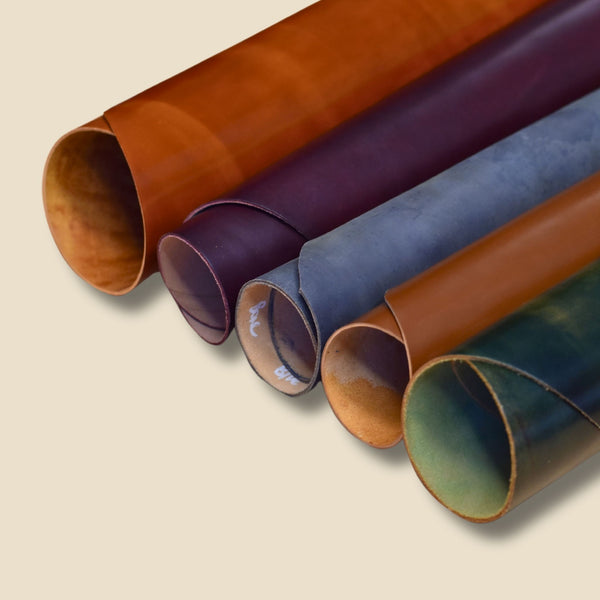
If you're ready to start your journey with the right materials, our curated leather bundles provide a selection of these world-class hides in manageable sizes for your first heritage project.
The Artisan’s Toolkit: Essential Supplies for Masterful Construction
Your tools are the bridge between a raw hide and a finished masterpiece. When creating heirloom quality leather goods, your equipment must be as reliable as the leather itself. I've learned that precision isn't just about aesthetics; it's about structural integrity. A stitch line that wanders or a bond that fails mid-use compromises the entire project. Professional-grade tools allow you to work with the material rather than fighting against it, ensuring that every cut and every hole is placed with absolute intent.
What You Will Need: The Heritage Setup
- Adhesive: Ecostick 1804 Leather Glue is my go-to for a flexible, permanent bond that respects the natural movement of the leather.
- Edge Finishing: A combination of Tokonole Burnishing Cream and a solid wood slicker is essential for sealing the grain.
- Stitching: Invest in high-quality waxed thread and specialized Leatherworking Tools like diamond awls or stitching irons.
- Measurement: Use Wing dividers to mark consistent distances from the edge, which is the secret to professional-looking seams.
Mastering the Bond and the Stitch
The foundation of any lasting piece is the bond between its layers. Many traditional solvent-based glues become brittle over time, eventually cracking and allowing the layers to delaminate. I prefer water-based adhesives because they remain supple. When you apply Ecostick 1804, you aren't just sticking two surfaces together; you're creating a structural union. The bond of Ecostick 1804 is stronger than the leather fibres themselves once cured. To achieve this, apply a thin, even layer to both surfaces and wait for it to become translucent before pressing them together with firm pressure.
Stitching is where the "heirloom" status is truly earned. While machine stitching is efficient, hand-stitching with a saddle stitch remains the gold standard for longevity. In a machine lockstitch, the upper and lower threads simply loop around each other. If one thread breaks, the entire seam can begin to unravel. The saddle stitch uses two needles on a single thread that passes entirely through the leather from both sides. If a thread wears through in one spot, the rest of the seam remains locked in place. This redundancy is why hand-sewn bags can survive fifty years of hard use while mass-produced alternatives fall apart at the seams.
Even the most prestigious Tuscan hide can't save a project if the buckle snaps or the zipper teeth fall out. In the pursuit of creating heirloom quality leather goods, hardware is often the weakest link. While the leather might last for eighty years, cheap metal components rarely survive ten. To build something that truly endures, you must select hardware with the same scrutiny you apply to your leather selection. If the metal fails, the entire piece becomes unusable, regardless of how beautiful the patina has become.Choosing Solid Brass Hardware
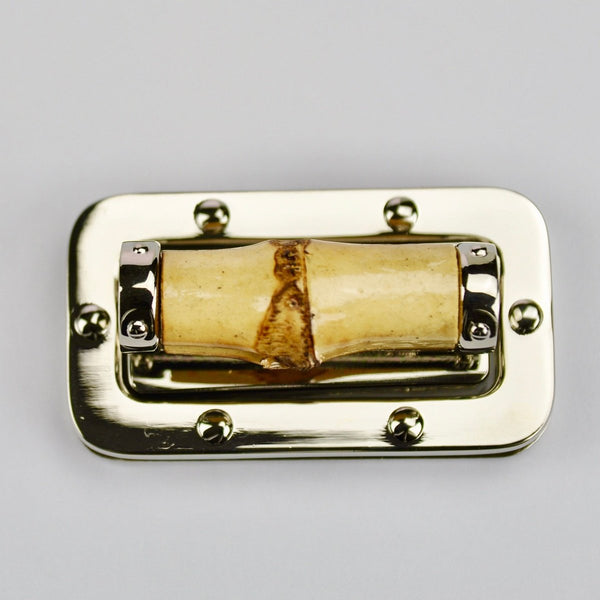
Solid brass is the non-negotiable standard for heritage work. Many mass-market brands use "brass-plated" zinc or steel because it's cheaper. Over time, that plating wears away, exposing a reactive metal that can actually damage the leather fibres. Solid Brass Hardware is different. It's an alloy of copper and zinc that is consistent all the way through. It doesn't rust, it's incredibly strong, and it develops a beautiful, darkened patina that mirrors the aging of the leather. You can find more detail on selecting these components in our Crafter's Guide to Essential Leather Hardware.
Matching the weight of your metal to the weight of your leather is a technical necessity. Heavy bridal leather requires robust, thick-walled buckles to maintain visual and structural balance. If you use dainty hardware on a heavy-duty belt, the metal will look out of place and may eventually bend under the tension of the leather. For closures, I always recommend investing in high-end Italian zippers or YKK Excella. These zippers are polished and plated to ensure they glide smoothly without snagging or wearing down the surrounding material.
Structural Reinforcements
Leather is a natural material that stretches. While some stretch is expected, high-stress areas like handle attachments or shoulder strap anchors need internal support to prevent permanent deformation. This is where hidden reinforcements like Texon become essential. Texon is a non-stretch material that you can sandwich between the outer leather and the lining. It acts as a skeleton for your bag, ensuring that the leather maintains its shape even when carrying heavy loads over decades.
Lining leathers also play a critical role in structural integrity. A quality lining protects the flesh side of your outer leather from moisture and abrasion from the bag's contents. If you're struggling with how to integrate these layers in a complex build, I recommend booking a Free Video Consultation. We can look at your patterns together and determine exactly where reinforcements are needed to ensure your project stays structurally sound for the next generation. This proactive approach to creating heirloom quality leather goods separates the masters from the hobbyists.
Ready to start building with professional-grade components? Check out our stitching and hardware bundles to get everything you need for a rock-solid build.
Finishing and Preservation: Ensuring a Lifetime of Patina
The final stage of creating heirloom quality leather goods is where you seal the fate of the piece. It's the moment when raw edges and exposed fibres are transformed into a barrier against the elements. A proper finish doesn't just look professional; it protects the structural integrity you've built in the previous steps. Without a sealed edge, moisture and oils from the environment can seep into the grain, causing the leather to swell or rot from the inside out over decades of use.
What You Will Need
- Edge Bevelers: To remove the sharp corners of your leather. Explore our precision tool collection.
- Sanding Blocks: Various grits to level the edge surface.
- Burnishing Cream: Tokonole is the industry standard for a glass-like finish.
- Wood Slicker: To create the friction necessary for a perfect seal.
- Finishing Bundles: Get everything in one go with our curated finishing bundles.
The Art of the Edge Finish
Achieving a glass-like edge is a meditative process. Start by using a sharp edge beveler to round off the corners on both the grain and flesh sides. This prevents the edges from "mushrooming" over time. Next, sand the edges progressively, moving from a coarse grit to a very fine one until the seam between layers disappears. Apply a small amount of Tokonole to the edge and use your wood slicker with brisk, light strokes. The heat generated by friction binds the leather fibres together, creating a permanent, hardened seal. This barrier is what keeps your heritage piece looking sharp after years of daily handling.
Ongoing Care and Maintenance
I often tell my students that vegetable-tanned leather is a living material. It needs to breathe. Many people make the mistake of using petroleum-based cleaners, but these are the true enemies of natural hides. They clog the pores and can lead to premature cracking. A "less is more" approach is almost always better. For most items, a light conditioning once or twice a year is sufficient to keep the fibres supple. If you notice the leather feeling dry or looking dull, it's time for a light application of a natural conditioner.
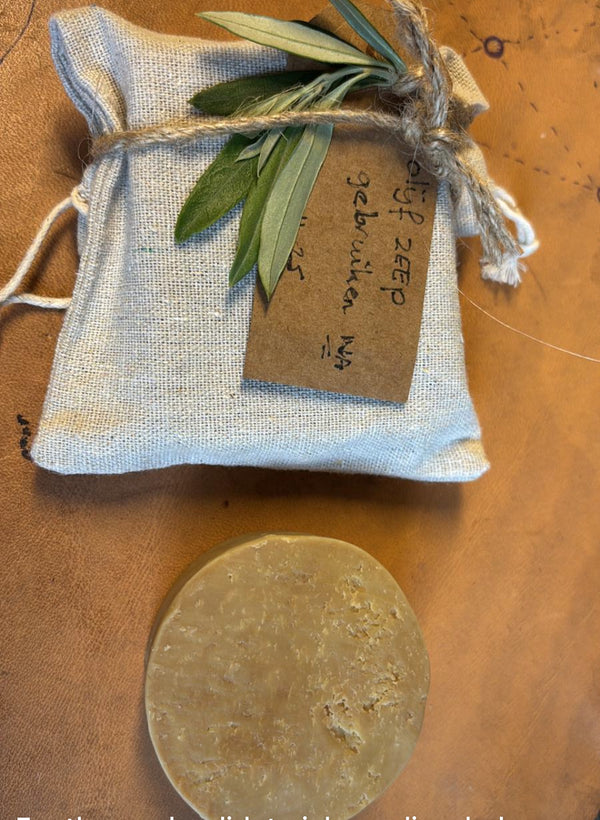
For those who prioritize an eco-friendly workshop, the Olivenleder® collection offers a superior alternative for leather care. Olivenleder care products use olive oil derivatives to maintain the hide's natural pH balance. This ensures the tannins remain stable and the leather continues to age gracefully. When you use the right materials and follow through with proper care, a Hab-To sourced piece will look even better after 20 years than the day it left your workbench. It becomes a testament to your skill and a legacy that can be passed down with pride.
Craft Your Legacy with Every Stitch
Creating heirloom quality leather goods is a commitment to excellence that begins long before you pick up a needle. It starts with the material-first philosophy of selecting exclusively vegetable-tanned, sustainable hides that are built to age rather than degrade. By pairing these world-class leathers with solid brass hardware and mastering structural reinforcements, you ensure your work remains a functional masterpiece for decades. Every edge you burnish and every saddle stitch you pull tight adds another chapter to a story that will outlast us all.
At Hab-To, we bring 160 years of family expertise to your workbench. We believe that professional-grade materials should be accessible to every artisan, which is why we offer our premium Italian leathers and tools with no minimum order requirements. Whether you're a seasoned master or just starting your journey, we're here to provide the foundation for your heritage projects. It's time to stop making disposable items and start building pieces that will be cherished by the next generation.
Start your heirloom project with premium Italian leather from Hab-To and experience the difference that true quality makes. I'm here to support your craft every step of the way.
Frequently Asked Questions
Is vegetable-tanned leather really better for heirlooms than chrome-tanned leather?
Vegetable-tanned leather is superior for heirlooms because it relies on organic tannins that preserve the hide's natural structure. Unlike chrome-tanned options that use harsh chemicals and often feature a synthetic top-coat, veg-tan remains breathable and gains strength with age. This unique characteristic is essential for creating heirloom quality leather goods that won't peel or crack. It's the only material that allows for a genuine, deep-seated patina over decades.
What is the best leather for a beginner to make an heirloom quality bag?
I recommend starting with a firm-tempered leather like Badalassi Pueblo or a 1.4mm Vacchetta hide. These leathers are forgiving for beginners because they are easy to cut and mark, yet they possess the structural integrity required for a heritage piece. Their unique textures also help to mask minor imperfections in your early stitching. Starting with the right material ensures your first project has the potential to last for generations.
Why is hand-stitching considered superior to machine-stitching for longevity?
Hand-stitching is superior because it utilizes the saddle stitch, which creates an independent loop for every single hole. In a machine-sewn lockstitch, the upper and lower threads simply loop around each other; if one breaks, the whole line can pull apart. A hand-sewn seam provides a level of redundancy that's vital for longevity. This ensures that even if a thread wears down after years of use, the bag stays together.
Can I use regular store-bought glue for my leather projects?
You should avoid regular store-bought glues as they often contain solvents that become brittle and cause delamination. For heritage work, a specialized water-based adhesive like Ecostick 1804 is the professional choice. It creates a flexible bond that moves with the leather rather than fighting against it. Once cured, the bond is often stronger than the leather fibres themselves, ensuring your seams remain intact for the long haul.
How do I prevent my leather goods from cracking over time?
To prevent cracking, you must keep the leather fibres hydrated with natural conditioners and avoid all petroleum-based cleaners. Vegetable-tanned leather is a porous material that can dry out if exposed to heat or salt. A light application of a high-quality conditioner once or twice a year is usually enough. This simple maintenance routine preserves the hide's natural oils, allowing it to remain supple and develop a rich, protective patina over time.
What hardware finish lasts the longest without losing its colour?
Solid brass is the only finish that will never lose its colour because it isn't a surface coating. While brass-plated zinc or steel will eventually flake and reveal a silver-coloured base metal, solid brass is consistent throughout. It will darken and develop a unique character over time, but it will never fail aesthetically. It's the most reliable choice for hardware that needs to match the lifespan of a premium hide.
Do I need to buy a whole hide to get started with premium leather?
You don't need to purchase a full hide to begin working with world-class materials. We specialize in providing smaller cuts and curated bundles designed specifically for artisans who want to test different weights and textures. This approach allows you to access premium Italian leathers from tanneries like Maryam or Badalassi without the high upfront cost of a whole side. It's the perfect way to start creating heirloom quality leather goods today.
How can I tell if a piece of leather is truly vegetable-tanned?
Authentic vegetable-tanned leather can usually be identified by its distinct, woody aroma and the presence of the Tuscan Consortium's handprint logo. If you're unsure, you can also check how the material reacts to water; veg-tan will typically absorb moisture and darken temporarily. Chrome-tanned leather often has a chemical smell and a plastic-like surface that repels water. Trusted sourcing is the best way to guarantee you're working with genuine, naturally tanned hides.
Disclaimer
All our blog articles are made for information purposes only we dont take responsability for any content from third parties.