

Eco-Friendly Leather Tanning Processes: An Artisan’s Guide for 2026
That 'vegan leather' tote you've seen advertised isn't saving the planet. It's often just a new name for plastic, destined for a landfill in less than five years, unlike true leather which, when cared for, can last for generations.
I get it. As an artisan, you're caught between the environmental guilt of chrome tanning and the confusing world of synthetic 'alternatives'. You deserve clarity and materials you can be proud of. This guide is built to give you just that, demystifying the genuine eco-friendly leather tanning process so you can confidently source hides that last a lifetime and honor your commitment to quality craftsmanship. We're cutting through the greenwashing to get to the truth.
Together, we'll explore the rich chemistry of vegetable tanning, uncover modern chrome-free innovations for 2026, and equip you with the right questions to demand absolute transparency from any supplier.
Key Takeaways
- Understand the crucial difference between traditional chrome tanning and sustainable alternatives to make more informed material choices.
- Discover how the time-honored vegetable tanning method uses natural tannins to produce leather with superior strength and character.
- Learn to identify truly sustainable leather for your projects by looking for key certifications and understanding sourcing practices.
- Explore modern innovations that go beyond veg-tan to find the right eco-friendly leather tanning process for any application.
The Environmental Impact of Leather Tanning: Why Process Matters
At its core, tanning is a beautiful act of preservation. It transforms a raw, perishable animal hide into a stable, durable material that can last for generations. But the method used to achieve this transformation is what separates a piece of timeless craftsmanship from a source of pollution. The choice of tanning agent dictates whether the final product is a burden on our planet or a participant in its natural cycles. This is the critical distinction in the eco-friendly leather tanning process.
To see how modern tanneries are tackling this challenge, the video below introduces Zeology, a truly innovative and sustainable approach:
For decades, the global leather industry has been dominated by chrome tanning. This method, used for over 80% of the world's leather, is fast and cheap, turning a hide into workable leather in as little as 24 hours. The problem lies with the agent: chromium salts. While Chromium (III) is relatively stable, poor process control can cause it to oxidize into hexavalent chromium (Chromium VI), a known carcinogen. This chemical transformation is central to the debate, and while a technical overview of leather tanning processes can provide more detail, the key difference lies in the agents used and the waste they create.
So, what does 'eco-friendly' actually mean in this context? It’s not just one thing. It's a commitment across the entire lifecycle:
- Water Usage: Traditional tanning is incredibly water-intensive. Leading eco-conscious tanneries, particularly those in Italy's Arzignano district, now operate on closed-loop systems that treat and recycle over 95% of their process water.
- Chemical Runoff: An eco-friendly process replaces heavy metals with organic compounds, like the plant-based tannins we'll discuss later. This eliminates the risk of toxic chemicals leaching into local waterways.
- End-of-Life: The goal is a product that can safely return to the earth. This means the tanning agents and finishing coats must be biodegradable.
This brings us to the myth of 'vegan leather'. While the intention is noble, over 90% of these alternatives are made from petroleum-based plastics like polyurethane (PU) or polyvinyl chloride (PVC). These materials don't biodegrade, they shed microplastics, and their production relies on fossil fuels. It's a synthetic solution to a natural problem. No compromises means no synthetics.
Chrome vs. Eco-Friendly Tanning: A Quick Comparison
The choice between speed and sustainability is stark. Mass-market leather relies on chromium salts to produce leather in a day, but this efficiency comes at a high cost, creating a legacy of toxic sludge in tanning hubs like Hazaribagh, Bangladesh. In contrast, an eco-friendly leather tanning process using vegetable tannins can take up to 60 days, slowly and gently preserving the hide. True circularity is achieved when a hide, preserved with organic tannins, can fully biodegrade at the end of its long life, returning its nutrients to the soil.
Biodegradability and the Lifecycle of Leather
Can leather actually return to the earth? Absolutely, but only if it’s tanned correctly. Vegetable-tanned leather, rich with natural tannins from tree bark and plants, will biodegrade over time. Chrome-tanned leather, however, effectively mummifies the hide with heavy metals, preventing decomposition for centuries. A crucial detail often overlooked is the finishing coat. Even a perfectly vegetable-tanned hide can be sealed with a synthetic acrylic top coat, rendering it non-biodegradable. Longevity is sustainability. A well-crafted vegetable-tanned bag that lasts 50 years is infinitely better for our planet than a plastic-based alternative that cracks and peels in two years before spending an eternity in a landfill.
Vegetable Tanning: The Ancient, Eco-Friendly Gold Standard
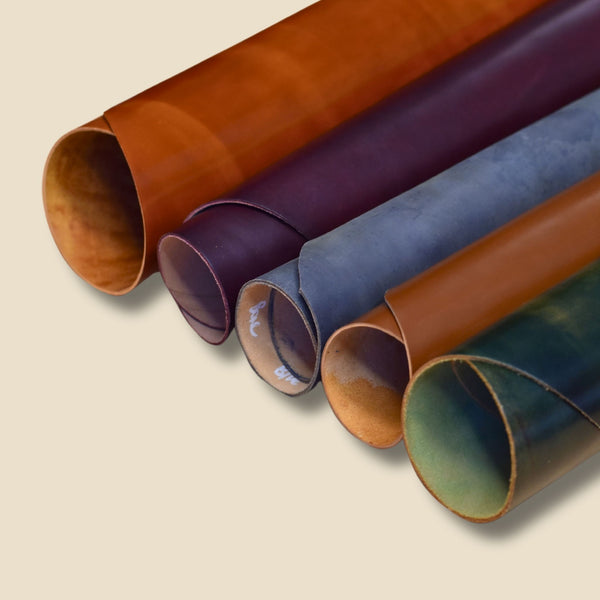
Long before modern chemistry, artisans had already perfected a way to transform raw animal hides into durable, beautiful leather. Their secret? The power of nature itself. Vegetable tanning is the original, time-honored method, a tradition we’re passionate about preserving. It’s an approach that relies on organic materials and patience, resulting in a product that’s as unique as the life it lived.
The magic lies in tannins, naturally occurring polyphenols found in tree barks, leaves, and even fruits. Instead of harsh chemicals, this method uses a rich bath of tannins sourced from specific woods, each imparting unique characteristics:
- Quebracho: Sourced from a dense South American tree, it yields a reddish, strong, and firm leather.
- Chestnut: Popular in Europe, it provides a darker, resilient, and solid feel.
- Mimosa (Acacia): An African tree that produces a lighter, softer leather with a pinkish hue, ideal for more flexible goods.
This process is anything but fast. Hides are submerged in a series of pits or drums with increasing concentrations of these tannins, a cycle that can take up to 60 days. This slow, gentle immersion allows the tannins to penetrate every fiber of the hide, displacing water and binding with the collagen. The result isn't just preservation; it's a transformation that creates a dense, strong, and breathable material that simply can’t be replicated by faster methods.
One of the most celebrated qualities of vegetable-tanned leather is its ability to develop a patina. Over time, exposure to sunlight, handling, and the environment causes the leather to darken and develop a deep, glossy sheen. Every scratch and mark becomes part of its history, telling a story unique to its owner. This living finish is the hallmark of true quality.
Modern vegetable tanneries have also made huge strides in sustainability. Recognizing that water is a precious resource, the best tanneries now operate on closed-loop water systems. These systems allow them to treat, purify, and reuse over 95% of the water from the tanning process, making this ancient technique a truly responsible choice for the 21st century.
The Artisan’s Choice: Why Veg-Tan Wins for Craftsmanship
For a true leatherworker, nothing compares to a hide tanned with natural botanicals. Its firm, responsive structure is unmatched for tooling, carving, and wet-molding, holding its shape with incredible precision. And the sensory experience is undeniable: it has a rich, earthy aroma, a world away from the chemical smell of chrome-tanned alternatives. To truly appreciate its qualities, our Vegetable Tanned Leather Guide offers a deeper dive into working with this premium material.
Sourcing from the Best: Tuscany and Beyond
Not all vegetable-tanned leather is created equal. We believe traceability is key. That’s why we champion tanneries that are part of collectives like Italy’s renowned Consorzio Vera Pelle Italiana Conciata al Vegetale. This consortium guarantees that the leather is produced traditionally in Tuscany, without any toxic substances. This commitment to an eco-friendly leather tanning process is backed by strict European Union regulations like REACH, which governs the use of chemicals. The EU actively funds research into innovative chrome-free tanning, pushing the industry toward a cleaner future. When you choose leather from these sources, you’re not just buying a material; you’re investing in transparency, environmental stewardship, and generations of craftsmanship.

Beyond Veg-Tan: Innovative Chrome-Free and Bio-Based Tanning
While we have a deep love for traditional vegetable tanning, the world of leather craftsmanship doesn't stand still. The search for a truly sustainable eco-friendly leather tanning process has sparked a wave of creativity in tanneries worldwide. The goal is to create beautiful, durable leather without heavy metals and with a lighter environmental touch. This is where we move beyond the classics to explore a new generation of chrome-free and bio-based tanning agents that are changing the game.
These aren't just lab experiments; they are commercially viable methods producing premium leather for everything from car interiors to luxury handbags. They offer different properties, unique stories, and a compelling vision for the future of our craft.
Zeology and Mineral-Free Alternatives
One of the most exciting developments is ‘white tanning’, particularly using zeolites. Zeolites are naturally occurring, microporous minerals. The Zeology tanning concept, developed in 2017, uses a zeolite-based tanning agent that is free of chrome, heavy metals, and aldehydes. This process results in a hide that is exceptionally white-a perfect canvas for dyers wanting to achieve brilliant, light-fast colors that are impossible with the brownish undertones of bark tannins. Its durability is excellent, offering a tensile strength comparable to chrome-tanned leather but with a much softer, more supple feel.
You'll often hear the term ‘compostable leather’ connected to this process. Let's be clear: while Zeology-tanned leather is certified biodegradable and industrially compostable under the DIN EN 13432 standard, it won't break down in your home compost pile. It requires the specific high-temperature conditions of an industrial facility. So, it’s a huge step forward, but not quite magic.
Upcycling Agricultural Waste
True innovation often comes from looking at waste differently. That's the core idea behind tanning agents derived from agricultural byproducts, turning a problem into a solution. The most prominent example is Olivenleder®, or Olive Leather.
- The Olivenleder® Process: Developed by the German company wet-green GmbH, this patented process uses a concentrated liquid tanning agent derived entirely from fallen olive leaves-a byproduct of the Mediterranean olive harvest. No trees are felled, and no land is cultivated specifically for this purpose.
- Luxury and Performance: This method creates an incredibly soft, aromatic leather that has attracted top-tier brands in the automotive and fashion industries since its introduction. A key benefit is that certain leathers produced this way are machine washable on a gentle, cold cycle, a revolutionary feature for premium leather goods.
We're also seeing incredible research into other bio-based tannins. German tanneries like deepmello have been using rhubarb root extract for over a decade, and the chemistry of other fruit and plant-based tannins is a major focus for development. The push for aldehyde-free tanning is a key part of this, replacing older chemicals with safer alternatives to create soft, garment-grade leather. In fact, the European Commission actively supports projects demonstrating innovative chrome-free tanning technology to accelerate this industry-wide transition. This commitment to continuous improvement is what makes the modern, eco-friendly leather tanning process so dynamic and exciting for any true craftsman.
How to Source Truly Sustainable Leather for Your Projects
Understanding the theory behind eco-friendly tanning is one thing; finding a hide that truly lives up to the promise is another. The market is filled with vague claims of "eco-leather" or "green" materials. As a crafter, your best tool is knowledge. Knowing what to look for, what questions to ask, and who to trust separates genuine sustainable leather from clever marketing.
Certifications are a solid starting point. The Leather Working Group (LWG) provides the most recognized global standard, auditing tanneries on their environmental performance. Look for suppliers who source from tanneries with a Gold or Silver rating. A Gold-rated tannery, for example, must score a minimum of 85% on its environmental audit, which scrutinizes everything from water consumption and effluent treatment to chemical management systems. This isn't just a label; it's a verifiable commitment to a better process.
Another powerful, often overlooked factor is the supplier's ordering policy. The 'No Minimum Order' advantage is huge for sustainability. Many wholesalers force you to buy full or half hides, leading to significant waste for smaller projects. By choosing a supplier who allows you to buy exactly what you need, you directly reduce waste in your own workshop. It’s a practical step that makes a real difference.
Don't be afraid to question your supplier directly. A transparent partner will welcome your curiosity. Here are five essential questions to ask:
- Can you trace this hide back to its origin? Sustainable leather should be a byproduct of the meat industry, where over 99% of global hides originate.
- Is this tannery LWG-certified? If so, what is its specific rating (Gold, Silver, Bronze)?
- What specific tanning agents were used? Ask for details beyond just "vegetable-tanned."
- How does the tannery manage its water treatment? This is a critical part of a truly eco-friendly leather tanning process.
- Can you provide a technical sheet for the leather? This details the finishing agents and substances used.
Finally, trust your senses. A poorly tanned 'eco' hide often feels stiff or has a plastic-like coating. It might have a faint chemical smell instead of the rich, earthy aroma of well-tanned leather. True quality is in the character of the hide.
The Crafter’s Checklist for Ethical Sourcing
Keep these three points in mind. First, verify the hide is a byproduct of the food industry to ensure no animal was raised solely for its skin. Second, look for specific labels like 'chrome-free' and, for the highest standard, 'metal-free'. This confirms that no heavy metals like chromium, aluminum, or zirconium were used. Third, understand that 'Full Grain' leather, which shows the hide's natural surface, typically requires fewer chemical finishers than corrected 'Top Grain' leather.
Why Wholesaler Transparency is Non-Negotiable
A trustworthy wholesaler acts as your first line of defense, vetting tanneries so you don't have to. It's their job to do the research, visit the facilities, and ensure the claims of sustainability are backed by action. Here at Hab-To, we take this responsibility seriously. As a family with over 160 years in this business, we hand-select every hide. We know our tanners personally. This commitment is the foundation of true craftsmanship, whether you're just starting out or are a seasoned pro. If you're new to the craft, our guide on Leatherworking for Beginners can help you start with the right materials and mindset.
No synthetics. No compromises. Don't settle for materials that fall short of your standards. Explore our hand-selected, sustainably tanned leathers and feel the difference that true quality makes.
No Compromises: Why Hab-To Sources Only Ethical Leathers
Hi, I’m Mike. For my family, leather isn't just a business; it's a 160-year mission to preserve what real craftsmanship stands for. We’ve seen trends come and go, but our core belief has never wavered. We say 'No' to plastic-based synthetics and fleeting fads. We say 'Yes' to sustainable heritage, to materials that tell a story and improve with every year of use. This isn't just about selling leather; it's about upholding a standard.
Our commitment to this standard means we exclusively partner with tanneries that have perfected the eco-friendly leather tanning process over generations. These are artisans who understand the delicate balance of tradition and responsibility. It’s why our curated selection includes some of the world's most sought-after leathers. You'll find the legendary gloss of Shell Cordovan from Horween in Chicago, the uniquely rustic texture of Pueblo, and the vibrant, firm feel of Buttero from Conceria Walpier in Tuscany. Each hide is a testament to what's possible when you refuse to cut corners.
By bringing these premium, responsibly sourced materials to our Amsterdam showroom, we're doing more than just supplying a product. We're empowering the local and international craft community. We provide the foundation for projects that are built to last, helping artisans create heirlooms, not landfill.
The Hab-To Leather House Philosophy: Quality for Real Craftsmanship
We believe the most powerful tool for sustainability is a product that never needs replacing. A well-made leather wallet or bag doesn't get thrown away; it becomes part of your life. That's why we're transparent about every hide we sell. In our Amsterdam showroom, you can see, feel, and smell the quality for yourself. We also ensure that crafters can transition to our eco-friendly materials without a steep learning curve, as our vegetable-tanned leathers work beautifully with traditional techniques.
Start Your Sustainable Project Today
Your best work deserves the best materials. When you choose a hide from Hab-To Leather House, you're not just buying leather; you are investing in a tradition of quality and a commitment to a better way of crafting. You are choosing a material that honors the entire eco-friendly leather tanning process, from the source to your workshop.
- Explore Our Collection: Discover premium, vegetable-tanned hides from the world's finest tanneries.
- Get Expert Advice: Book a personal consultation, and I'll help you select the perfect leather for your next project.
Ready to build something that lasts? Browse our hand-selected Eco-Friendly Leather collection and see the difference for yourself.
Build Your Legacy with Sustainable Leather
The future of leathercraft is in your hands. As we head toward 2026, it's clear that you don't have to sacrifice quality for sustainability. From the time-honored tradition of vegetable tanning to modern chrome-free innovations, choosing an eco-friendly leather tanning process is the ultimate mark of superior craftsmanship. Your work can be both beautiful and responsible, telling a story that goes deeper than the stitches.
This commitment is our foundation at Hab-To, built on over 160 years of family expertise. Our policy is simple: No synthetics. No compromises. It’s why we personally hand-select every premium hide, from world-renowned Buttero and Pueblo to exquisite Cordovan, ensuring your project begins with the absolute best. We believe every artisan deserves access to ethical materials, which is why we have no minimum order requirements.
Ready to feel the difference that principled sourcing makes? Shop our premium, sustainably tanned leathers with no minimum order and start your next project with a material as dedicated as your craft.
Frequently Asked Questions About Eco-Friendly Leather
Is vegetable-tanned leather actually biodegradable?
Yes, genuine vegetable-tanned leather is biodegradable under the correct environmental conditions. Because it’s tanned using natural plant tannins instead of heavy metals, microorganisms can break it down. The entire process can take from 10 to 50 years depending on the leather's thickness and finish. This stands in stark contrast to chrome-tanned leather, which can persist in landfills for over 500 years due to the chromium salts used in its production.
What is the difference between chrome-free and vegetable-tanned leather?
The core difference is the specific tanning agents used to treat the hide. Vegetable-tanned leather exclusively uses organic matter like tree bark and leaves, an ancient craft we've trusted for centuries. "Chrome-free" is a broader term that can include veg-tan, but it also covers other modern methods like aldehyde or synthetic tanning (syntans). While these are an improvement over chrome, they don't always offer the same 100% natural profile as traditional vegetable tanning.
Is eco-friendly leather as durable as traditional chrome-tanned leather?
Yes, and for many crafting purposes, it's superior. Vegetable-tanned leather is prized for its firmness and structural integrity, making it the perfect choice for projects that need to hold a specific shape, like belts, cases, and custom holsters. While chrome-tanned leather often has a higher initial tensile strength, veg-tan leather ages with grace, developing a unique and beautiful patina over decades. It's not less durable; it’s built for a lifetime of character.
Why is sustainable leather more expensive than mass-produced options?
Sustainable leather costs more because the process prioritizes quality craftsmanship over speed. An eco-friendly leather tanning process like vegetable tanning can take up to 40 days to complete, compared to just 1-2 days for industrial chrome tanning. It relies on premium raw hides and more expensive natural tannins. Most importantly, it requires the hands of skilled artisans, not just automated machines. You aren't just buying a material; you're investing in a tradition of quality.
Does 'vegan leather' count as an eco-friendly tanning process?
No, because "vegan leather" isn't tanned at all; it's a synthetic material. Most products labeled as vegan leather are plastics like polyurethane (PU) or polyvinyl chloride (PVC), which are petroleum-based and not biodegradable. Their production and disposal contribute to plastic pollution. The term "tanning" specifically refers to the process of converting a natural animal hide into stable leather. They are two entirely different products with very different environmental footprints.
How can I tell if a piece of leather was tanned sustainably?
Your senses are a great first tool. Real vegetable-tanned leather has a distinct, earthy, and slightly sweet smell, very different from the chemical odor of many chrome-tanned products. It also feels firmer and will develop a rich patina with use. The most certain method is to buy from a transparent supplier who can tell you exactly which tannery your leather comes from and what methods they use. A passionate seller will always know the story of their leather.
What are the best certifications for sustainable leather tanneries?
Look for a few key names to ensure you're getting a quality product. The Leather Working Group (LWG) is a major auditor, providing Gold, Silver, and Bronze ratings for environmental stewardship. For authentic Italian veg-tan, the "Pelle Conciata al Vegetale in Toscana" consortium mark is the gold standard. Additionally, certifications like the OEKO-TEX "Leather Standard" test for harmful substances, guaranteeing the final product is safer for you and the planet.
Can I use eco-friendly leather for outdoor or heavy-duty gear?
Absolutely. In fact, it's what vegetable-tanned leather was born to do. For centuries, it has been the material of choice for saddles, boots, and military gear precisely because of its strength, reliability, and ability to be molded. While it isn't naturally waterproof, its dense fiber structure can be easily treated with natural waxes and oils, like pure beeswax, to achieve excellent water resistance for any outdoor adventure.