
Materials for High-End Leather Goods: Proving Value in a Mass-Produced World
Your customer isn't just buying a wallet; they're investing in a legacy of craft and a masterclass in material science. It's incredibly draining to have your hard work compared to a mass-produced €15 item from a local mall. You know that the materials for high-end leather goods you carefully select are worlds apart from factory-grade synthetics. However, explaining the chemistry of vegetable tanning or the heritage of Italian leather often feels defensive. It's hard to justify a premium price point when the world is flooded with "genuine leather" labels that mean almost nothing to the average buyer.
I understand that frustration. I've seen how the right story, backed by technical facts, changes the entire sales conversation. This article will help you master the narrative tools needed to turn a price objection into a discussion about quality. We'll look at the specific characteristics of premium hides like Shell Cordovan and Pueblo leather, and how new 2026 standards like ISO 25712:2026 regarding melamine levels are redefining what "premium" actually means. By the end, you'll have the confidence to show customers exactly why your handmade craft is an investment, not just a purchase.
Key Takeaways
- Learn how to shift the conversation from "too expensive" to "lifetime investment" by highlighting the invisible labor behind every piece.
- Discover the technical differences between vegetable tanned hides and synthetic alternatives to explain why your choice of materials for high-end leather goods results in superior durability.
- Master the specific vocabulary of quality, such as the structural superiority of a hand-sewn saddle stitch over a machine-made lock stitch.
- Gain practical strategies for using tactile samples and process documentation to prove the authenticity of your artisan work to skeptical buyers.
- Understand how sourcing from world-renowned tanneries like Maryam empowers you to tell a compelling brand story with every product.
Why "Handmade" is a Value Statement, Not Just a Label
Mike often says that a masterpiece isn't born at the stitching pony; it's born at the tannery. With over 25 years of experience in the leather industry, his expertise confirms that the foundation of any premium item is the raw material. When you choose materials for high-end leather goods, you aren't just buying supplies; you're selecting the DNA of your brand. Selecting the right materials for high-end leather goods means looking beyond the surface and understanding the Leather production processes that differentiate a lifetime heirloom from a seasonal accessory.
Shifting your mindset from "selling" to "sharing" is the key to handling price objections. Instead of defending your costs, invite your customers into your world. You're an expert friend, not a salesperson. Show them the density of the grain. Explain how the oils in the hide will react to their touch over time. At Hab-To Leather House, we believe that when a customer understands the origin of the hide, the price becomes secondary to the story.
To better understand how even luxury brands sometimes cut corners in their construction, watch this helpful video:
The Problem with "Fast Leather"
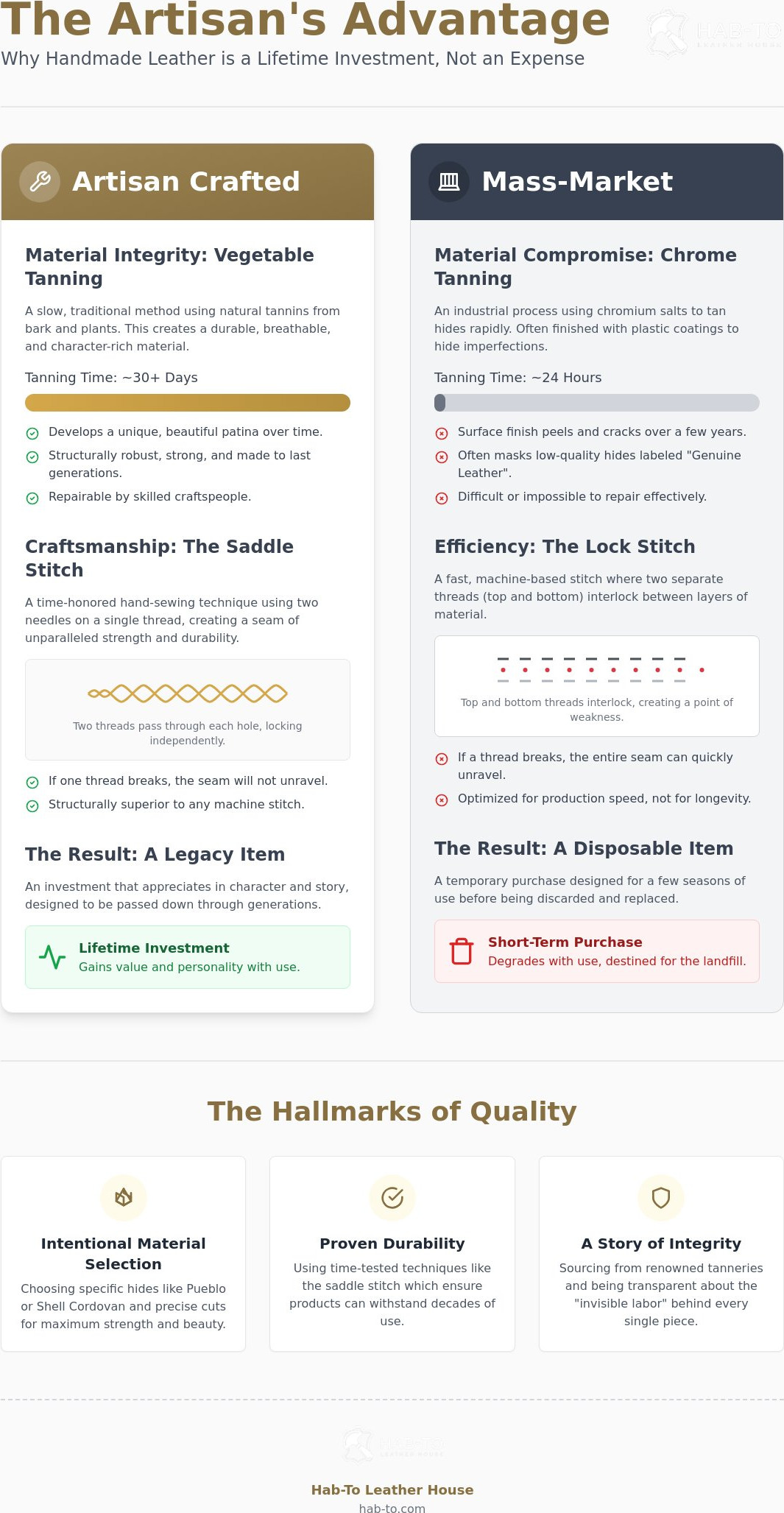
Mass production relies on efficiency, which often means hiding material flaws with heavy plastic coatings and pigment sprays. This is the world of "Genuine Leather", a term that often masks the lowest quality of usable hide. These products are essentially "fast leather". They are chrome-tanned for speed, resulting in a material that peels and cracks within a few years. It's a cycle of waste that relies on the customer not knowing the difference between a plastic finish and a natural grain that develops a patina.
The Artisan’s Advantage
As an artisan, you offer something a factory never can: total control and intentionality. You can select specific cuts from a cow hide to ensure maximum strength at stress points. You might use the dense butt area for a belt and a more supple shoulder for a bag gusset. This level of detail is part of the craft that mass manufacturers simply ignore for the sake of volume. Hab-To Leather House supports this level of detail by offering premium hides without the burden of industrial minimums.
Your work is built for repairability, not the landfill. By using traditional methods and superior components like Ecostick 1804 leather glue, you create goods that a craftsman can actually service decades from now. The intentional variations in your work aren't flaws. They are the human touch that proves your work is the real deal.
Real leather. Real hands. Real time. No shortcuts.
When you explain why you chose a specific Pueblo leather for its unique texture, the price gap starts to disappear. The customer isn't just buying a product; they're joining a legacy of quality and durability that "fast leather" can't touch.
Material Integrity: Vegetable Tanned Leather vs. Mass-Market Synthetics
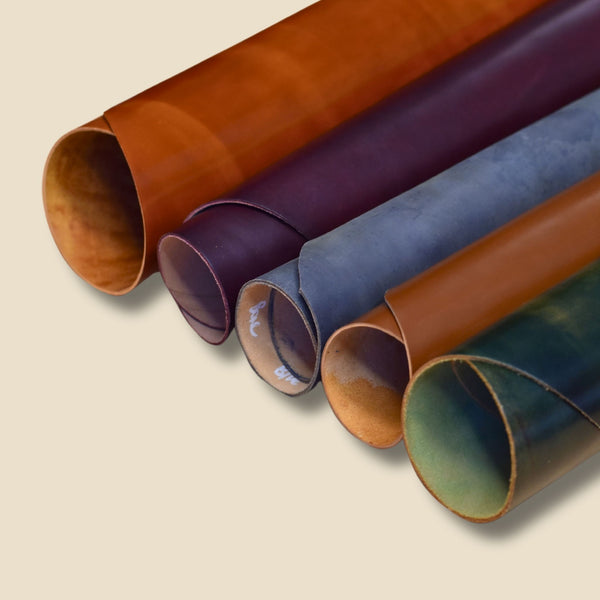
Quality isn't a rush job. While mass-market factories use chromium salts to turn a hide into leather in just 24 hours, the tanneries we partner with at Hab-To Leather House respect the clock. They use the ancient science of bark and tannins. This slow, 30-day immersion process allows the natural tannins from mimosa, chestnut, and oak to penetrate deep into the hide's fibers. It creates a material that isn't just a surface; it's a robust structure. This is why we exclusively stock vegetable tanned leather for serious crafters. It's the only way to ensure the durability required for truly high-end work.
The environmental difference is staggering. Mass-market tanning often involves toxic chemicals that can harm both the environment and the workers handling the goods. In contrast, the chrome-free Italian hides sourced by Hab-To Leather House are a product of tradition and strict EU environmental regulations. These are the gold standard when selecting materials for high-end leather goods. They represent a commitment to sustainability that resonates with the modern, conscious consumer.
High-end leather is a living material. It breathes. It reacts. It absorbs the oils from your hands and the sunlight from your travels. This evolution is what we call the story of the user. While a synthetic bag begins its journey to the landfill the moment it leaves the store, a vegetable-tanned piece is just getting started. It's an investment in a material that actually improves with use.
The Patina Factor
Teach your customers that "getting older" means "getting better". A mass-produced item degrades. It peels. It cracks. It loses its soul. But an artisan item matures. Take a fresh Badalassi Pueblo panel, for example. Initially, it has a unique, slightly roughened texture. After a year of use in a wallet, it transforms into a deep, lustrous finish that feels like silk. It becomes a unique map of the owner’s life. When customers understand this, the price of materials for high-end leather goods becomes a value proposition, not a cost.
Handmade vs. Mass-Produced Material Comparison
World-class tanneries like Conceria Maryam prove that material integrity is non-negotiable. Their Vacchetta leather offers a richness that chemical-heavy processes simply can't replicate. Use this table to help your customers see the clear choice:
| Criteria | Veg-Tan (Handmade) | Chrome/Synthetic (Mass) |
|---|---|---|
| Breathability | High; natural pores remain open. | Low; sealed by plastic/pigment. |
| Smell | Sweet, earthy, and natural. | Chemical or plastic-like. |
| Longevity | Decades; develops a patina. | Months to years; peels or cracks. |
If you're looking to upgrade your workshop's inventory with these superior hides, you can find everything you need in our curated leather bundles.
The Craftsmanship Audit: Details That Prove Quality
High-end work is defined by the construction details that a factory machine simply cannot replicate. While the previous sections explored the science of the hide, the audit of quality focuses on how those materials are joined. When you select the right materials for high-end leather goods, you're only halfway there. The real magic happens when your human intent becomes visible through technical precision. It is the difference between a product that is merely assembled and one that is truly built to last a lifetime.
Consider the stitch. A standard sewing machine uses a lock stitch. If one thread snaps, the entire seam can unwrap like a cheap zipper. An artisan uses a saddle stitch. By passing two needles through every hole in a figure-eight pattern, you create a bond that is essentially indestructible. It is a hallmark of quality that customers can see and feel. At Hab-To Leather House, we believe every pricking iron mark is a testament to the hours you've poured into the piece. It shows that you didn't just push a pedal; you made a deliberate choice at every millimeter.
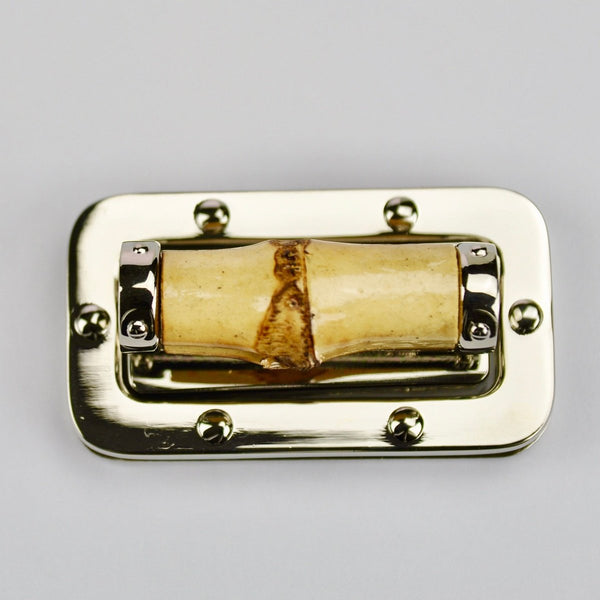
Hardware choice is another critical audit point. Many mass-market brands use plated zinc because it is inexpensive and easy to cast. Over time, that plating chips away to reveal a grey, brittle core. I always recommend using solid brass hardware. It is heavier, stronger, and develops a beautiful tarnish that matches the natural aging process of premium leather. It is a small choice that signals a refusal to compromise on longevity to your customer.
What You Will Need: The Pro Finisher’s Kit
To achieve a value-reflective finish that justifies your pricing, you need the right arsenal. A glass-like edge is the signature of a master. To get there, you will need these essential materials for high-end leather goods:
- Tokonole: This is the gold standard for burnishing. Find it in our Tokonole Bundles at Hab-To Leather House to achieve a smooth, professional finish on your flesh side and edges.
- Precision Tools: High-quality edge bevelers and pricking irons from our Tools Collection are non-negotiable for creating clean, consistent lines.
- Structural Adhesive: Use Ecostick glue for bonds that stay clean and durable without the toxic fumes or stiffness of traditional solvent cements.
The Invisible Details of Quality
True quality often hides where the customer cannot see it. Internal reinforcements are what prevent a bag from losing its shape after years of heavy use. I suggest using Texon to provide structural support in handles and card slots without adding unnecessary bulk. Your choice of thread also matters. Whether you prefer the traditional look of waxed linen or the modern strength of bonded nylon, the weight must complement the leather's thickness. If you are ready to refine these advanced techniques and elevate your brand, explore the Masterclasses offered by Hab-To Leather House to learn directly from experts who have spent decades perfecting the craft.
5 Ways to Show Your Customers the Handmade Difference
Bridging the gap between your workbench and the customer's wallet requires more than just a price tag. You need to make the invisible visible. Start by documenting the "ugly" middle stages of your build. A photo of raw, unburnished edges or a half-stitched wallet proves human labor in a way a polished studio shot never can. It shows the time investment that justifies your artisan pricing. Don't just show the finish. Show the process. The mess is your proof of authenticity.
Let them feel the quality. I always suggest keeping a few swatches of Maryam Cordovan Shell next to a piece of cheap, plastic-coated leather from a mass-market bag. The weight, the smell, and the density of the materials for high-end leather goods tell a story that words can't. When a customer feels the difference, the price objection often vanishes. They realize they aren't just paying for a label; they're paying for substance.
Position your work as a heritage guarantee. You aren't selling a seasonal accessory. You're building an heirloom. Explain that your products are designed to be passed down through generations. This shifts the purchase from a luxury expense to a long-term investment. The unboxing experience should mirror this material quality. If you've used the best materials for high-end leather goods, don't ship them in a bubble mailer. Use premium packaging that respects the craft inside.
Educate, Don’t Defend
When someone asks "Why is this so expensive?", don't get defensive. Use technical grace. Explain the "Cost Per Wear" argument. A high-quality wallet lasting 10 years costs pennies per week. Compare that to a cheap mall item that ends up in a landfill within months. For artisans focused on Direct-to-Consumer Product Sales, this education is the foundation of the brand relationship. Create "Patina Progress" content for your social media. Show how a piece evolves over time. It proves that your work gets better with age, unlike mass-produced items that only degrade.
Leveraging Your Sourcing
Mention the ethical certifications of your hides in your product descriptions. Mention the Tuscan Consortium. Show your face in your workshop. Customers want to buy from a person, not an anonymous factory floor. Your sourcing is part of your brand story. If a customer has a specific vision for a unique piece, encourage them to reach out. Offer a free video consultation to discuss their custom project and help them choose the perfect hide.
Ready to start your next high-value project with the right foundation? Explore our curated leather and tool bundles to get everything you need in one go.
Sourcing with Integrity: How Hab-To Empowers Your Brand Story
Your sourcing choices are the silent foundation of your brand's reputation. When you're looking for materials for high-end leather goods, the biggest hurdle isn't just finding quality; it's finding a partner who respects the scale of an artisan workshop. Most top-tier tanneries require massive industrial orders. We don't. By offering no Minimum Order Quantity (MOQ), we ensure that independent crafters can access the same world-class hides used by heritage fashion houses. You can buy exactly what you need for a single bespoke project or a limited run without tying up your capital in excess inventory.
Small batches. Big quality. No compromises. This flexibility allows you to offer your customers elite options like Shell Cordovan, often called the "King of Leathers" for its incredible density and luster. When you can tell a client that their wallet is made from the same material used in the world's finest footwear, the value proposition becomes undeniable. You aren't just selling a product; you're selling access to a rare, centuries-old tradition of excellence.
Every hide you buy from us is backed by the Hab-To Leather House heritage. We bring 160 years of family experience to the table, ensuring that every piece of leather has been vetted by experts who live and breathe the craft. I'm personally available to help you navigate our inventory. If you're unsure which weight or temper is right for a specific bag design, just ask. I've spent decades studying the nuances of these materials, and I'm here to act as your mentor in the selection process.
Sustainable Sourcing as a Selling Point
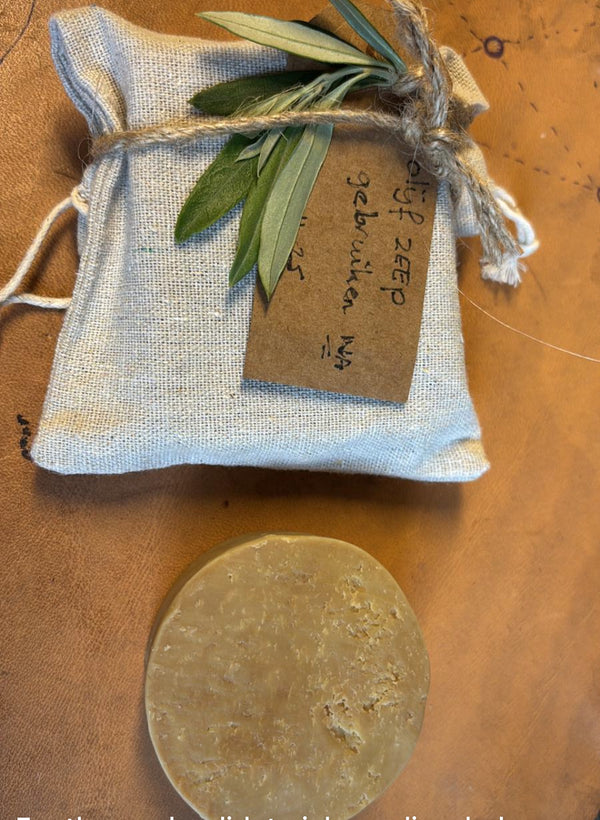
Modern luxury customers demand transparency. They want to know where their leather comes from and how it was treated. By using materials like Olivenleder, you can target eco-conscious buyers who refuse to sacrifice quality for ethics. This leather is tanned using a patented extract from fallen olive leaves, offering a completely chrome-free, sustainable alternative. Our commitment to European sourcing means you can avoid the opaque, often problematic supply chains of global mass production. You get materials you can trust, and stories your customers will believe.
Join the Artisan Community
The journey doesn't end at the checkout. We're building a community of makers who prioritize integrity over speed. You can follow our latest sourcing trips and workshop tips on Instagram and TikTok. If you want to learn more about Mike and our deep roots in the leather world, our story is an open book. Ready to elevate your next project? Explore our Crafting Bundles and start building a brand that stands for something real.
Build a Legacy with Every Stitch
Mastering your craft is about more than just technique. It's about having the conviction to choose materials that respect the time you put into every stitch. You've seen that the difference between a disposable item and a heritage piece lies in the structural integrity of vegetable-tanned hides and the visible intent behind every burnished edge. By educating your customers on the "patina factor" and the technical superiority of artisan methods, you transform their purchase into a lifelong investment. You aren't just making goods; you're preserving a tradition.
We are here to support that journey. With over 160 years of family leather expertise, we provide exclusively vegetable-tanned, sustainable hides that align with your highest standards. We believe quality should be accessible to everyone, which is why we maintain no minimum order requirements for crafters of all sizes. It's time to stop defending your pricing and start proving your worth with the finest materials for high-end leather goods.
Elevate your craft with our curated Crafting Bundles and start building the future of your brand today. We're honored to be part of your workshop story.
Frequently Asked Questions
Why is handmade leather so much more expensive than mass-produced?
Handmade leather is more expensive because it prioritizes time and quality over speed. You're paying for hours of manual labor, like the saddle stitch, and the high cost of premium Italian Leather. Mass production uses machines and cheaper hides to cut costs. An artisan piece is an investment in a product that lasts decades rather than months. It's about value, not just the price tag.
How can I tell if a leather bag is actually handmade or factory-made?
You can identify a handmade bag by inspecting the stitching and the edges. A hand-sewn saddle stitch has a characteristic slight slant that machine-made lock stitches lack. Look for edges burnished to a glass finish with Tokonole instead of thick plastic paint. These details prove the maker used precision Leatherworking Tools rather than automated factory lines.
Does vegetable-tanned leather last longer than chrome-tanned leather?
Vegetable-tanned leather is significantly more durable because the natural tannins preserve the skin's organic fiber structure. Unlike chrome-tanned leather, which can peel or crack as the chemicals degrade, vegetable tanned leather grows stronger and more beautiful over time. It's the gold standard when selecting materials for high-end leather goods because it matures with a unique patina.
What is the best way to explain the value of a saddle stitch to a customer?
Explain to your customer that a saddle stitch is indestructible because it uses two independent needles. If one thread breaks, the other stays locked in place. In contrast, a machine stitch is a "lock stitch" where a single break causes the whole seam to unravel. Showing them this structural difference proves your construction is superior to mass-market items. Use our stitching bundles to ensure your thread quality matches this promise.
Is "Genuine Leather" a sign of high quality?
"Genuine Leather" is actually one of the most misleading terms in the industry. It often refers to the lowest grade of split leather that's been heavily processed and embossed to look like higher quality. For truly high-end work, you should look for full-grain options like Pueblo Leather. These hides retain the natural grain and strength of the animal skin.
How do I show the sustainability of my handmade leather products?
You can prove sustainability by being transparent about your sourcing and tanning processes. Highlight that you use hides tanned with natural extracts rather than toxic heavy metals. For example, our Olivenleder uses olive leaf extract for a completely eco-friendly finish. This transparency builds trust with conscious consumers who want to know that their materials for high-end leather goods are ethically produced.
Why should I buy leather from a wholesaler like Hab-To instead of a big retailer?
Buying from a specialist like Hab-To gives you direct access to a mentor with 160 years of family expertise. Unlike big retailers, we offer no minimum order requirements, meaning you can buy exactly what you need for one project. You also get personalized advice from Mike to help you choose the perfect hide. Book a free video consultation to discuss your specific needs before you buy.
Can I really make a living selling handmade leather goods against mass-market competition?
You can absolutely thrive by positioning your work as a long-term investment. While you can't compete with mall prices, you can win on "cost per wear" and emotional value. Customers are increasingly tired of disposable fashion and are looking for unique, repairable items. Starting with our Crafting Bundles gives you the professional-grade foundation needed to build a brand that stands out in a crowded market.
Disclaimer
All our blog articles are made for information purposes only we dont take responsability for any content from third parties.