Pueblo Leather: The Ultimate Artisan's Guide to Badalassi Carlo's Masterpiece
Most leathers strive for a perfectly smooth surface. Pueblo Leather thrives on its rugged, sandpaper-like start. It's a bold statement for any maker. You've likely seen those stunning, deep-patina wallets online and wondered if you could achieve that same professional result without the risk of wasting a expensive hide. I understand the hesitation of staring at a premium Italian hide, worried about choosing the wrong thickness or ruining a beautiful finish with one bad cut.
I'm here to show you that this masterpiece from the Badalassi Carlo tannery isn't just for elite workshops; it's the ideal canvas for your own craft. In this guide, we'll demystify the unique buffed texture and explain the patina process that makes this leather so famous. You'll learn how to source Pueblo Leather in small panels for specific projects and master the edge-finishing techniques that define high-end leatherwork. Let's explore why this Tuscan treasure belongs on your workbench.
Key Takeaways
- Learn why the Tuscan tradition and the Consorzio certification make this specific vegetable-tanned hide a mark of authentic Italian quality.
- Understand how to handle the unique scuffed texture of Pueblo Leather and how it evolves into a rich, smooth patina over time.
- Discover the essential techniques for cutting and preparing your studio to ensure clean results with premium full-grain hides.
- Find the perfect leather weight for your next project, from minimalist wallets to structured carryall bags.
- See how to bypass high minimum order quantities by sourcing individual panels or shoulders directly for your specific crafting needs.
What is Pueblo Leather? Understanding the Rustic Italian Icon
Pueblo Leather isn't your typical smooth calfskin. It's a full-grain, vegetable-tanned bovine leather produced by the world-renowned Badalassi Carlo tannery in Tuscany. Unlike leathers that aim for a uniform, plastic-like sheen, Pueblo celebrates a rustic, scuffed aesthetic. This look is achieved through a traditional vegetable tanning process that uses natural tannins from trees and plants. It's a slow, artisanal method that results in a material that smells like a forest floor and feels remarkably organic in your hands.
When you first touch a panel of Pueblo Leather, the texture might surprise you. It has a matte, almost sandpaper-like feel that offers a unique grip. It's dry to the touch but saturated with oils from the tanning process. This initial "fuzzy" stage is just the beginning of the leather's life.
To better understand this concept, watch this helpful video:
The Signature Buffed Surface
The tannery creates this look by buffing the surface with a metal ball. This scuffs the top grain in circular motions without compromising the strength of the hide. Don't confuse this with distressed leather that's been beaten or artificially aged; Pueblo's finish is intentional and precise. For beginners, this texture is a blessing. Because the surface is already scuffed, small mistakes or accidental scratches during the crafting process blend right into the grain. It's a forgiving material that rewards a steady hand but doesn't punish a learning one.
The Evolution of Patina
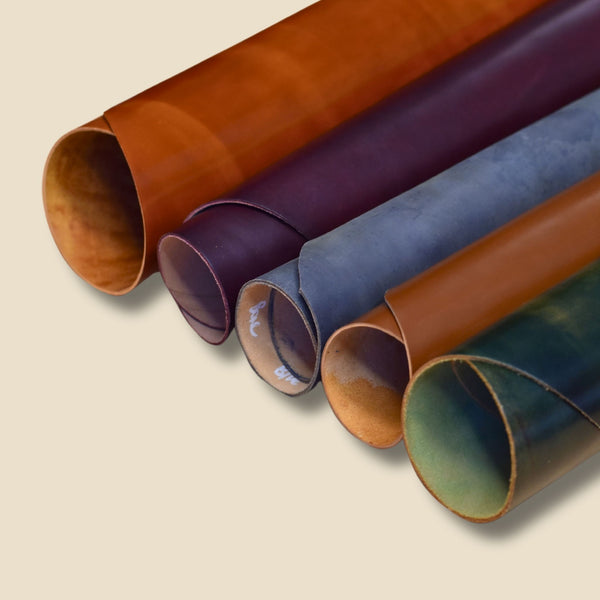
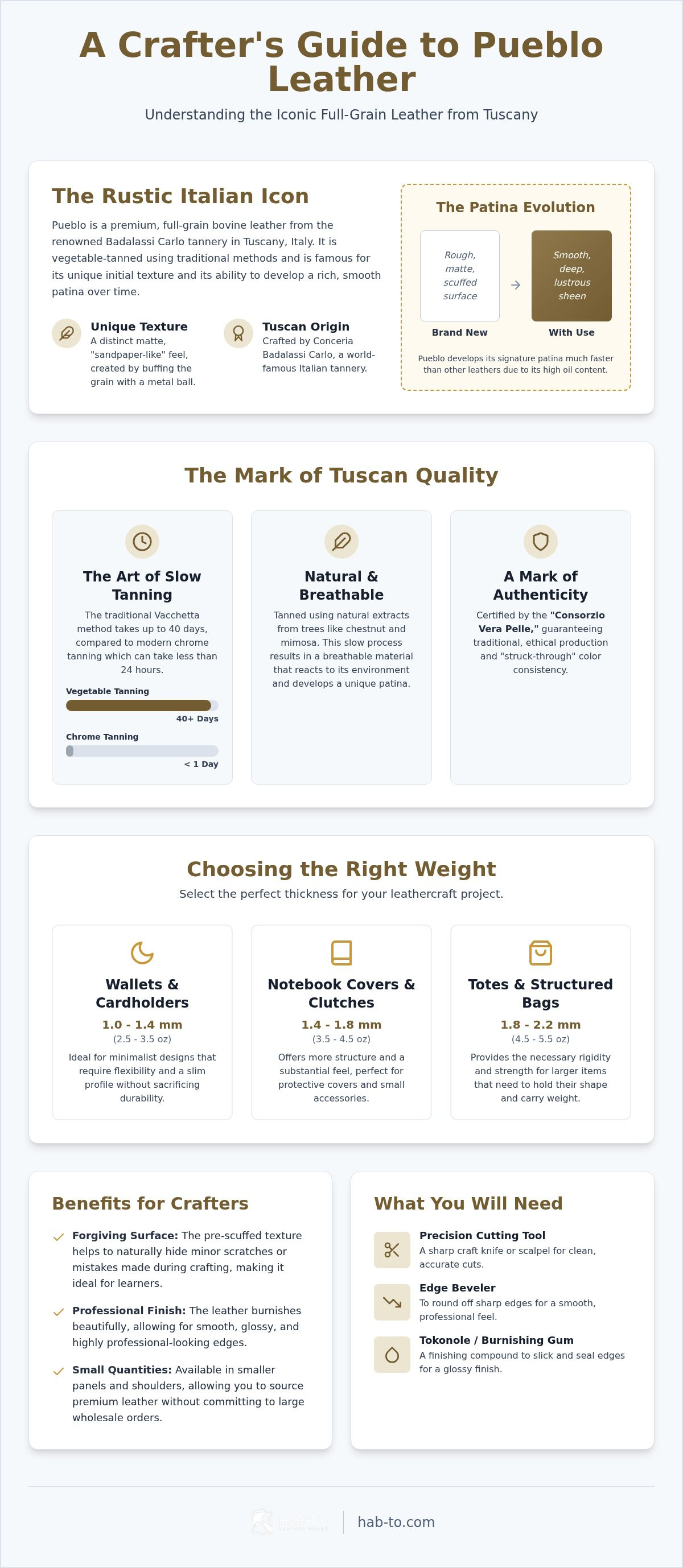
Patina is the natural darkening and smoothing of leather over time as it absorbs oils and friction. While most leathers take months to show change, Pueblo Leather evolves remarkably fast. It transitions from its initial matte state to a deep, lustrous sheen much quicker than smooth leathers like Buttero. The high oil content means the scuffed fibers eventually flatten and polish themselves through use. Lighter colors like Olmo or Napoli will darken significantly, while deeper tones develop a glass-like shine that highlights the depth of the dye.
The Badalassi Carlo Heritage: Why Tuscany’s Tradition Matters
Pueblo Leather doesn't exist in a vacuum. It's the result of centuries of Tuscan history. Deep in the heart of San Miniato, the Conceria Carlo Badalassi tannery keeps the ancient Vacchetta tradition alive. This isn't mass production. It's a slow, rhythmic process that respects the material and the environment. At Hab-To, our family has been in the leather trade since 1857. We've spent over 160 years learning that there are no shortcuts to quality. When we partner with tanneries like Badalassi Carlo, we're bringing that shared respect for tradition directly to your workbench.
The Art of Slow Tanning
The Vacchetta process is defined by time. While modern industrial tanning can take less than 24 hours using harsh chemicals, traditional vegetable tanning takes up to 40 days in pits filled with natural tannins. This method significantly improves the environmental performance of vegetable tanning compared to chrome-based alternatives. By using tree barks like mimosa and chestnut, the tannery ensures the leather remains "alive." The fibers aren't sealed off by synthetic coatings. Instead, they remain breathable and responsive. This organic foundation is why Pueblo Leather develops such a legendary patina; the material is literally reacting to the oils from your hands and the environment around it.
Authenticity and the Tuscan Mark
You'll often notice a small paper tag with a hand-print logo attached to premium hides. This is the mark of the Consorzio Vera Pelle Italiana Conciata al Vegetale. This consortium includes only 23 member tanneries in Tuscany that adhere to strict traditional standards. For a craftsman, this certificate is more than just paper; it's a guarantee of origin and ethical production. It tells your customers that the leather was hand-buffered and dyed all the way through, a process known as "struck through." This ensures that if you bevel an edge or deeply scratch the surface, the color remains consistent rather than revealing a pale, unfinished center.
We believe these elite materials shouldn't be locked behind massive wholesale orders. My goal is to make these exclusive Italian hides accessible to every maker, whether you're a professional or just starting your first project. If you're looking to experiment with different textures and colors without committing to a full hide, our curated leather bundles are a great way to experience this heritage. By sourcing Pueblo Leather through our direct partnership with the tannery, we ensure you're getting the authentic Tuscan experience, backed by over a century of our own family's expertise in the craft.
Mastering the Craft: Working with Pueblo in Your Studio
Working with Pueblo Leather is a tactile joy. Its unique surface provides a natural grip on your cutting mat, making it less prone to slipping compared to smoother leathers. I've found that because the surface is already buffed, it doesn't show fingerprints or minor handling marks as easily as Buttero. This makes it a fantastic choice for makers who are still perfecting their workshop setup and want a material that's forgiving during the assembly phase.
Choosing the right weight is your first major decision. I usually recommend a thickness of around 1.2mm for wallet pockets and card slots to keep the profile slim. If you're building a bag or an unlined clutch, the 2.4mm weight offers the necessary structure and durability. A razor-sharp knife is non-negotiable here. Because of the buffed surface, a dull blade can snag the fibers, leading to jagged edges that are difficult to fix. I always strop my blade before the first cut into a new panel to ensure a clean, gliding stroke through the dense grain.
What You Will Need
To get the most out of this material, you need the right kit. Here is what I keep on my own workbench to ensure a premium finish:
- Tokonole: This is the gold standard for achieving that slick, professional edge on vegetable-tanned hides.
- Edge bevelers: Use these to remove sharp corners and create a rounded profile that takes burnishing more evenly.
- Ecostick 1804: This water-based, eco-friendly glue bonds perfectly with the open fibers of Pueblo Leather.
- Starter Bundle: If you're just beginning, this curated set takes the guesswork out of your initial tool selection.
Professional Edge Finishing Steps
The high oil content of this leather makes it one of the most rewarding materials to burnish. You don't need heavy chemicals to get a "glass" finish. Follow these three steps for a professional result:
Step 1: Bevel the edges. Using your beveler, remove the sharp corners from the grain and flesh sides. This creates a rounded profile that feels comfortable in the hand and looks more refined.
Step 2: Apply Tokonole sparingly. Spread a small amount along the edge. You want just enough to dampen the fibers. Avoid over-applying, as you don't want to stain the buffed grain side with excess moisture.
Step 3: Burnish with friction. Use a wooden slicker or a heavy canvas cloth. Rub briskly until the friction generates heat. You'll feel the surface transform from matte to a high-gloss, durable seal. This friction-based method works exceptionally well because it seals the natural oils inside the edge, creating a permanent bond.
Choosing the Right Pueblo for Your Project
Pueblo is a chameleon in the workshop. Its unique characteristics make it suitable for a wide range of projects, provided you select the correct weight. While many makers start with wallets, the potential for this material extends far beyond small goods. The way it holds its shape while remaining supple makes it a favorite for everything from high-end watchstraps to rugged stationery covers. It's a living material that rewards daily carry, ensuring your work only looks better with age.
Thickness and Weight Guide
Success in leathercraft often comes down to matching the hide to the function. If you're lining a luxury piece or crafting a slim watchstrap, look for a thickness between 1.0mm and 1.2mm. This weight prevents your projects from becoming too bulky after assembly. For card pockets and unlined wallets, the 1.4mm weight is the standard choice for a professional feel. When you move into larger territory like tote bags or belts, you'll want the 2.2mm to 2.4mm range. This provides the structural integrity needed for bag straps and heavy-duty covers that must withstand daily tension.
Project Inspiration
One of the best features of Pueblo Leather is the "struck-through" dye. Because the color penetrates the entire hide, you don't need to worry about edge paint. A simple burnish with Tokonole reveals a beautiful, consistent edge that matches the grain perfectly. For a truly timeless aesthetic, I recommend pairing these hides with solid brass hardware. The warm gold tones of brass complement the rustic texture and deep colors of the Badalassi palette beautifully. If you're planning a larger build, our collection of leather for bags provides the perfect foundation for your next carryall.
Minimalist wallets remain the most popular use for this leather for a reason. The matte start and rapid patina mean your customers see their item evolve into a polished, personal heirloom within just a few weeks of use. Every scratch and oil stain tells a story as the surface darkens and smooths out. Whether you're making a simple card holder or a complex briefcase, choosing Pueblo Leather ensures your craftsmanship is backed by the finest Italian tradition.
Explore our curated leather bundles
Sourcing Premium Pueblo Without the Wholesale Hurdles
I've spent years watching talented makers hesitate to buy the best materials because of massive minimum order requirements. It's frustrating to want a specific color of Pueblo Leather for a one-off project only to find you have to buy a full hide. At Hab-To, we've decided to change that. We believe that every craftsman, from the weekend hobbyist to the professional micro-brand, deserves access to the same world-class Italian hides used by luxury fashion houses. By offering these premium materials without the wholesale hurdles, we're helping you focus on the craft rather than the logistics.
Sourcing from our Amsterdam-based warehouse means you're not just getting a piece of leather; you're getting a direct line to Tuscany. For our European customers, this eliminates the headache of customs delays and the sting of unexpected import fees. It also means faster shipping times so you can get started on your project while the inspiration is still fresh. We've built our business on the idea that quality should be accessible, and our partnership with Badalassi Carlo ensures you're getting the genuine article every time.
Small Panels for Big Ideas
One of the biggest barriers to entry is the fear of ruining an expensive shoulder. That's why we offer Badalassi Pueblo Leather Panels. These pre-cut pieces are perfect for prototyping a new wallet design or testing out a specific color without a major financial commitment. It significantly reduces waste and allows you to build a diverse inventory of colors without taking up half your studio space. Whether you're a micro-brand looking for efficiency or a beginner making your first card holder, these panels are designed to give you exactly what you need.
Get Expert Advice
I know that choosing Pueblo Leather online can be tricky when you can't feel the temper or see the grain in person. If you're in the neighborhood, you're always welcome to visit our showroom in Amsterdam to touch the hides yourself. For those further away, I offer free 1-on-1 video consultations to help you pick the right weight and color for your specific project. This personal connection is part of our Hab-To Heritage, where we bring over 160 years of family experience to every conversation. I'm not just here to sell you a hide; I'm here to be your partner in the craft.
Elevate Your Craft with Tuscan Tradition
Pueblo Leather is more than just a material; it’s a partner in your creative journey. You now understand how its unique buffed surface evolves into a deep, lustrous patina that tells the story of every use. By selecting the correct weight and mastering basic finishing steps, you can create professional-grade heirlooms that stand the test of time. At Hab-To, we back your passion with over 160 years of family leather expertise and direct-from-Italy vegetable tanned hides. Whether you’re prototyping a new design or finishing a custom commission, I’m here to help. You can even book a free video consultation with me to discuss your specific project needs before you buy.
The workbench is waiting. It’s time to bring that next big idea to life with the finest hides Italy has to offer. I can’t wait to see what you create.
Continue Your Learning
- Hab-To Heritage: What 160 Years of Experience Means for Your Craft
- Artisan’s Guide to Premium Leather for Handbags
- Meet Mike: Your Partner in Professional Leathercraft
Featured Crafting Essentials
- Badalassi Pueblo Panels: Pre-cut hides perfect for prototyping and small leather goods.
- Tokonole Burnishing Cream: The essential tool for achieving a glass-like edge on Italian hides.
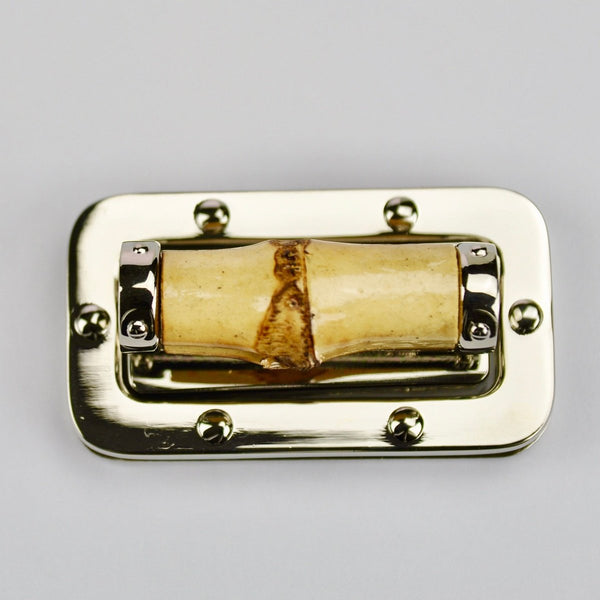
- Solid Brass Hardware: Timeless, durable hardware to complement your vegetable-tanned projects.
Frequently Asked Questions
Is Pueblo leather waterproof?
Pueblo leather is not waterproof because it is a natural, vegetable-tanned material with an open grain. While the high oil content provides some initial resistance, water will eventually soak into the fibers and may cause dark spots or staining. If your project gets wet, wipe it with a dry cloth immediately and let it air dry away from heat. You can apply a light water-repellent spray, but this might alter the signature matte texture.
How do I clean and maintain Badalassi Pueblo leather?
Maintenance for this leather is straightforward. A regular brushing with a soft horsehair brush removes dust from the buffed surface. For deeper care, I recommend the Olivenleder olive-oil leather care range, which includes specific soaps and leather food designed for natural hides. Avoid heavy waxes or conditioners in the early stages of use. These can prematurely flatten the unique scuffed fibers and interfere with the natural patina process you want to achieve.
Does Pueblo leather scratch easily?
Because the surface is intentionally buffed, Pueblo leather does show light scratches more readily than finished leathers. However, the high oil content is your best friend here. Most minor surface marks can be rubbed away simply with the heat and friction of your thumb or a clean cloth. Over time, these marks blend into the developing patina, contributing to the rustic, lived-in character that makes this specific Italian hide so sought after by artisans.
What is the difference between Pueblo and Buttero leather?
The primary difference lies in the surface finish. While both are premium vegetable-tanned hides from the Badalassi Carlo tannery, Buttero has a smooth, satin-like grain. In contrast, Pueblo Leather undergoes a metal ball buffing process to create its signature rustic, sandpaper-like texture. Pueblo also tends to patina and darken much faster than Buttero because the open fibers are more responsive to the oils from your hands and the environment during daily use.
Can I use Pueblo leather for laser engraving?
Yes, you can certainly use this leather for laser engraving and cutting. Because it is strictly vegetable-tanned without any harmful chrome chemicals, it is safe for laser machines and won't produce toxic fumes. The matte, scuffed surface provides an excellent, high-contrast background for detailed designs or logos. I've found that the natural oils in the hide help the laser achieve a clean, dark burn that looks incredibly professional on finished goods like journals.
Why is my Pueblo leather changing colour so quickly?
Your leather is changing colour quickly because it is designed to be highly reactive. The buffed fibers are more open than smooth leathers, allowing them to absorb oils from your skin and the environment at an accelerated rate. Combined with the friction of daily use, these fibers flatten and darken into a rich, glossy sheen. This rapid transformation is a hallmark of the Badalassi Carlo tanning process and is exactly what most collectors are looking for.
What is the best thread to use with Pueblo leather?
I usually recommend a high-quality braided polyester or linen thread for your stitching. The choice of thickness depends on your pricking iron spacing; for a standard 3.0mm to 3.85mm spacing, a 0.6mm thread provides a balanced look. Since this leather has a rustic aesthetic, many crafters choose a slightly thicker thread from our stitching bundles to emphasize the handmade nature of the piece. Ensure your thread is waxed to glide through the dense fibers.
Do I need to line Pueblo leather for a wallet?
You do not need to line this leather for a wallet. The flesh side is finished to a high standard, meaning it is smooth and lacks the fuzziness found on lower-quality hides. Because it has a firm temper, even a single layer of 1.4mm leather provides enough structure for card slots and pockets. Skipping the lining keeps your projects slim and showcases the raw, natural beauty of the Italian Vacchetta on both the inside and outside.
Disclaimer
All our blog articles are made for information purposes only we dont take responsability for any content from third parties.