

The Best Leather for Outdoor Gear: A Crafter’s Guide to Durability
Outdoor resilience isn't just about thickness. It's about the internal fat-liquor balance and fiber density of the tannage. Many crafters believe a heavy weight guarantees durability, yet they still face the heartbreak of leather cracking or warping after a few months of use. It's a common struggle to find a material that's tough enough for the trail but soft enough to work by hand. Finding the best leather for outdoor gear requires looking past the surface and into the soul of the tanning process.
You deserve to work with materials that respect your time and skill. We'll help you discover which premium leathers actually withstand the elements and how to select hides that meet the ISO 5404:2011 standard for water resistance. This guide breaks down the science of oils and fats in leather longevity and shows you how to source professional-grade hides without needing a massive industrial contract. Let's make sure your next project is as rugged as the landscape it's built for.
Key Takeaways
- Learn why high-density fiber structure and the internal fat-liquor balance are more critical for long-term durability than simple hide thickness.
- Master the essential criteria for selecting the best leather for outdoor gear, focusing on moisture resistance and UV stability.
- Discover why specific leathers like Vacchetta and Pueblo offer the perfect blend of workability and rugged performance for the trail.
- Identify common failure points in outdoor builds, from rusting plated hardware to vulnerable raw edges that invite rot.
- Gain insights into sourcing professional-grade, vegetable-tanned hides for any scale of project with no industrial minimums.
What Defines the Best Leather for Outdoor Gear?
Choosing the best leather for outdoor gear isn't just about picking the thickest hide you can find. It's a delicate balance between moisture resistance, UV stability, and tensile strength. True outdoor-grade leather is a high-density, fat-liquored hide designed to resist fiber breakdown even when the weather turns. While many mass-market products carry a "Genuine Leather" tag, this is often a liability in the wild. These materials are usually made from split layers that lack the tight fiber structure of full-grain leather, making them prone to soaking up water and cracking under the sun.
To see how these principles work in a real-world kit, watch this breakdown of a hunter's belt setup:
The Three Pillars of Outdoor Durability
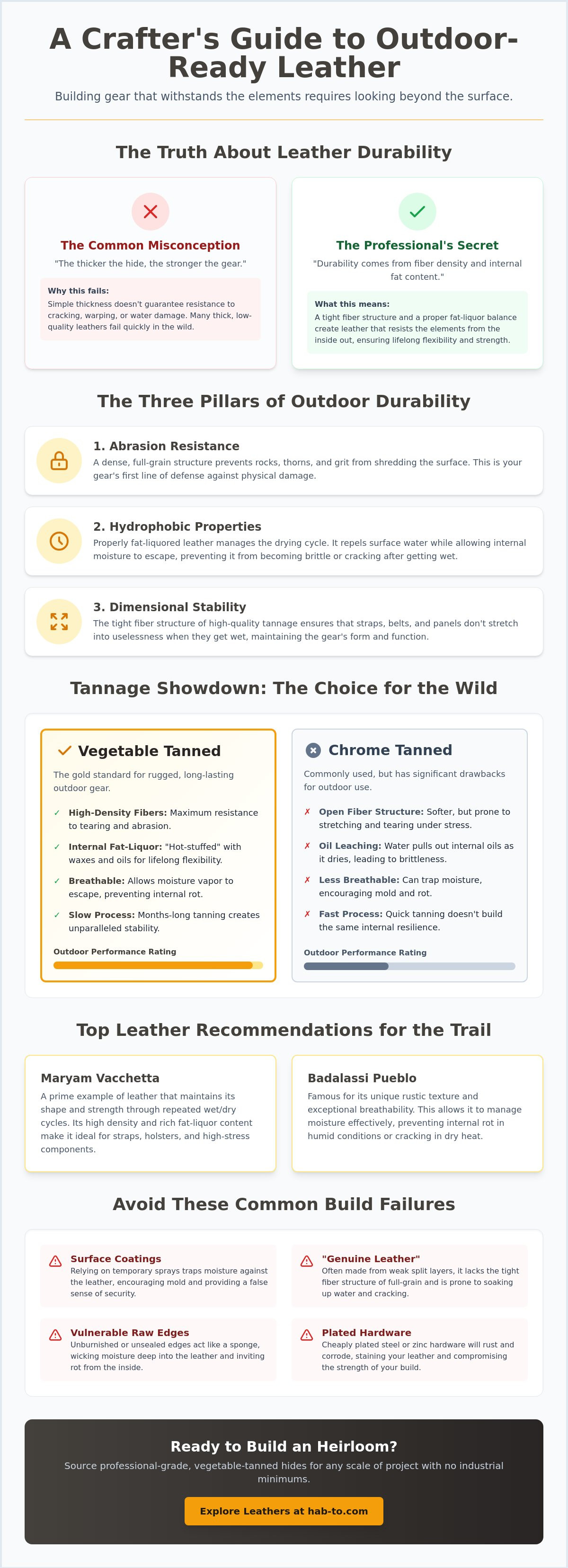
Survival in the elements comes down to three factors. First is abrasion resistance. Your gear will rub against thorns, rocks, and grit. A dense grain structure prevents these environmental stressors from shredding the surface. Second, hydrophobic properties are essential. High-quality outdoor leather doesn't just repel water; it manages the drying cycle without becoming brittle. Finally, dimensional stability ensures your straps don't stretch into useless ribbons when they get wet. Maryam Vacchetta is a prime example of a leather that maintains its shape and strength through these cycles.
Why Surface Coatings Aren't Enough
Many beginners rely on waterproof sprays, but true protection starts from within. The Science of Tannage reveals that durability is built into the fibers during the tanning process. Outdoor leather is a material tanned specifically to maintain structural integrity under repeat exposure. Unlike synthetic-coated leathers that trap moisture and encourage mold, breathable vegetable-tanned options like Badalassi Pueblo allow moisture to escape. This breathability is what prevents internal rot in humid conditions or "glassy" cracking in extreme dry heat. It's the difference between a tool that lasts a season and an heirloom that thrives on the trail.
The Science of Tannage: Why Vegetable Tanned Leather Wins
Vegetable tanning isn't just an old-world tradition. It's a precise chemical process that transforms raw hides into the best leather for outdoor gear by using organic tannins from bark, wood, and leaves. These tannins bind deeply to the collagen fibers. This creates a material that is significantly denser and more stable than its chrome-tanned counterparts. Understanding What Defines the Best Leather often starts with these microscopic bonds. While chrome tanning relies on heavy metals to quickly pickle a hide, vegetable tanning takes months. This slow pace allows the fibers to remain tightly packed, providing the foundation for rugged, long-term performance.
Fiber Density and Environmental Defense
The secret to outdoor survival lies in fiber density. Chrome-tanned leather has an "open" structure. It's soft and pliable, but it lacks the internal strength to resist heavy abrasion. Vegetable-tanned leather maintains a "tight" structure. This high-density fiber arrangement is what stops a leather strap from snapping when caught on a jagged rock. It preserves the natural collagen bonds that have evolved over millions of years to protect the animal. When you're out in the elements, this density acts as a primary shield against tearing and structural failure. For a deeper look at how this process works, check out our Vegetable Tanned Leather: The Complete Guide for Crafters.
The Importance of Fat Content
Water is the enemy of leather, but not in the way you might think. The real danger is what happens after the leather dries. When leather gets wet, the water bonds with the internal oils. As the water evaporates, it pulls those oils out with it. This leaves the fibers brittle and prone to cracking. This is where "hot stuffing" becomes critical for outdoor projects. During the tanning process, the hide is literally stuffed with waxes and fats. These internal oils ensure lifelong flexibility. They prevent the leather from becoming a stiff, useless board after a heavy rainstorm.
Eco-conscious crafters also prefer this method for its sustainability. Because the process uses natural extracts, the leather is biodegradable and safer for the environment during production. As your gear ages, it develops a patina. This isn't just for looks. The oils migrate to the surface, creating a self-protecting layer that hardens against the sun and wind. If you're ready to start your next build, exploring our Virgilio Vacchetta range is a great way to experience this density and oil content firsthand.
Top Leather Recommendations for Rugged Gear
Selecting the right hide is where your project truly begins. It's about matching the leather's unique personality to the specific demands of the trail. When you're searching for the best leather for outdoor gear, you need a material that doesn't just survive the elements but thrives in them. We've curated three standouts that we trust for our own rugged builds, each offering a different tactical advantage for the modern crafter.
Maryam Vacchetta: The Workhorse of the Wild
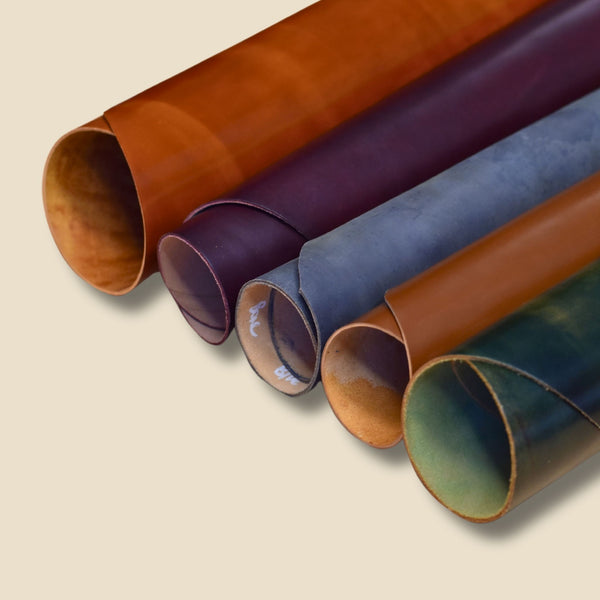
If you need a hide that can take a beating and stay supple, Maryam Vacchetta is the gold standard. Its secret lies in a high oil content. This internal lubrication allows it to handle the "wet-dry" cycle without becoming brittle or stiff. It's the perfect choice for knife sheaths, heavy-duty straps, and tool rolls. You'll find that it resists fiber breakdown, keeping your gear structural and safe for years. It's a reliable partner for any project that will face mud, rain, and constant use.
Badalassi Pueblo: Grip and Character
Wet conditions often lead to slippery gear. That's why we often recommend Badalassi Pueblo for items that require a secure hold. Its unique scuffed surface provides superior grip even when your hands are damp. It's a favorite for compass pouches and small field accessories. Over time, that matte texture transforms into a deep, high-sheen patina. It becomes a visual record of every trail you've walked. Choosing the best leather for outdoor gear often means picking a hide that tells a story as it protects your tools.
Shell Cordovan: Ultimate Water Resistance
For items that cannot afford to stretch or soak up moisture, Shell Cordovan is the "King of Leathers." Unlike standard hides, this material comes from a specific muscle layer. This makes it non-porous and naturally water-repellent. It's ideal for precision gear like firearm holsters or premium watch straps where dimensional stability is non-negotiable. If you want to dive deeper into why this material is so prized, read our Shell Cordovan: The Ultimate Guide to the King of Leathers.
Selecting the Right Weight
Getting the thickness right is just as important as the tannage. Here's a quick guide for your next build:
- 1.0–1.5mm (2.5–4 oz): Best for wallet interiors, small pouches, or linings.
- 2.0–2.5mm (5–6 oz): The sweet spot for belts, knife sheaths, and medium-duty bags.
- 3.0mm and up (7+ oz): Reserved for heavy structural gear like rifle slings or specialized bushcraft equipment.
Hardware and Finishing: Completing the Outdoor Build
Even the most resilient hide is only as strong as its weakest link. You can source the best leather for outdoor gear, but if you pair it with cheap plated hardware, your build will fail in the field. High humidity and heavy rain are ruthless. They expose shortcuts in seconds. To build something that truly lasts, you must treat your hardware and finishing with the same respect you give to the leather itself. This is where a project transitions from a simple accessory to a piece of professional-grade equipment.
Solid Brass: The Rust-Proof Standard
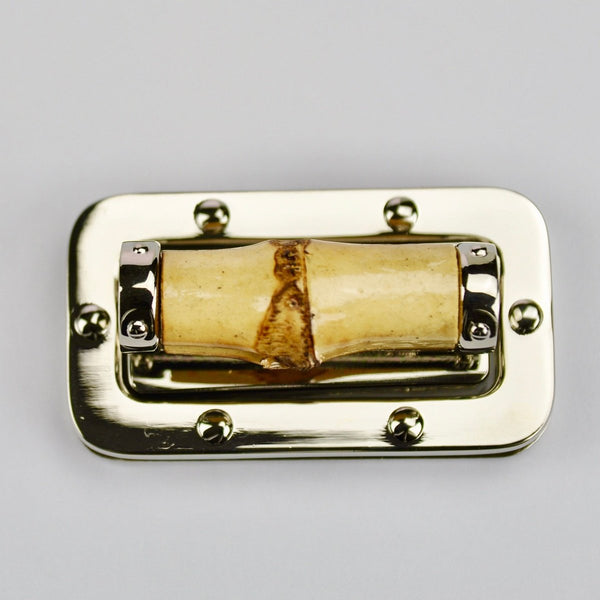
Solid brass is the industry standard for a reason. Unlike plated hardware, which uses a thin aesthetic layer over zinc or steel, solid brass is consistent throughout. When the surface scratches, it doesn't rust; it simply develops a darker patina that adds to the gear's character. This metal is naturally resistant to corrosion, making it essential for salt-air environments or humid forest treks. If you want to dive deeper into why this metal is essential for your workshop, read our Solid Brass Hardware: The Artisan’s Guide to Quality Leathercraft. Always choose buckles and D-rings that are cast rather than stamped to ensure they don't snap under the weight of a loaded pack.
Sealing the Deal: Edge and Stitch Protection
The edge is the most vulnerable part of any leather project. It's where moisture enters the fibers and begins the process of internal rot. To prevent this, you must create a mechanical seal. We recommend using Tokonole followed by a heavy coat of natural beeswax. Burnishing these together creates a water-resistant barrier that protects the internal fiber structure. For heavy-duty outdoor seams, we suggest using a 0.8mm or 1.0mm bonded nylon thread to ensure maximum seam integrity against UV rays and constant friction.
Don't rely on stitching alone at high-stress points like strap attachments. Use solid rivets and deep back-stitching to combat the forces of the trail. Grooving your stitch lines is another professional secret. By cutting a small channel for the thread to sit in, you protect it from being abraded by rocks or grit. This keeps the structural integrity intact even after years of hard use. Ready to upgrade your build? Explore our full range of solid brass leather hardware to ensure your gear never lets you down in the wild.
Sourcing Your Materials: The Hab-To Heritage
Finding the best leather for outdoor gear shouldn't feel like a compromise. At Hab-To Leather House, we've spent 160 years perfecting the art of material selection. Our family history is rooted in a deep respect for the hide and the hands that work it. Based in Amsterdam, we bridge the gap between historic European tanneries and the global crafting community. We don't just sell leather; we share a legacy of expertise that helps you build tools capable of lasting a lifetime.
We vet every tannery we partner with. Sustainability and ethical production aren't just buzzwords for us; they are the foundation of our business. We prioritize heritage Italian tanneries that use traditional vegetable-tanning methods, ensuring your gear is as environmentally responsible as it is durable. This commitment to quality means we only stock hides that meet our strict standards for fiber density and oil content. Every hide in the Hab-To Leather House warehouse has been chosen for its ability to withstand the rigors of the wild.
From Amsterdam to Your Workshop
Our "No Minimum Order" philosophy is central to our mission. We believe every crafter deserves access to professional-grade materials, whether you're a hobbyist making a single knife sheath or a professional workshop scaling up. You'll receive the same premium quality hides that we supply to luxury brands. Our curated selection is limited to what we would use ourselves. If it doesn't meet our standards for the trail, it doesn't make it into our inventory. We invite you to reach out for personalized advice if you're unsure which hide fits your specific outdoor project. We're here to help you choose the right weight and tannage for your needs.
Craftsmanship Over Compromise
The Hab-To Leather House promise is simple: quality, transparency, and passion. We've seen how the market has shifted toward synthetic alternatives, but we remain principled in our choice of natural, vegetable-tanned leathers. These materials offer a performance-to-weight ratio that modern plastics simply can't match. Every square foot we ship carries our family's reputation for excellence. We don't believe in shortcuts. We believe in materials that grow more beautiful and resilient with every adventure. It's about creating something that respects the tradition of the craft while meeting the demands of the modern explorer.
Ready to elevate your craft? Explore our collection of premium leathers for your next outdoor project and discover the difference that a century and a half of expertise makes.
Build Gear That Outlasts the Trail
Durability isn't a happy accident. It's the result of choosing materials that respect the laws of nature. You now understand that high fiber density and the right internal oil content are what keep your gear from failing when the weather turns. By pairing hides like Maryam Vacchetta with solid brass hardware, you create tools that don't just survive; they thrive. Selecting the best leather for outdoor gear means looking beyond the surface to find a material that tells a story through its patina.
At Hab-To Leather House, we bring 160 years of family expertise to your workbench. We source directly from world-renowned tanneries like Badalassi and Maryam to ensure every hide meets professional standards. Whether you're making a single sheath or a full kit, our no-minimum-order policy means you never have to settle for less. Shop our curated selection of durable outdoor leathers and start building something that truly stands the test of time. Your craft deserves nothing less than the finest foundation. Go out and create something rugged.
Frequently Asked Questions
Is vegetable tanned leather waterproof?
Vegetable tanned leather is not inherently waterproof, but it is naturally water-resistant due to its high fiber density. You can enhance this protection by applying a mechanical seal like beeswax or a specialized leather conditioner. While the material can handle rain, it's important to ensure the edges are burnished to prevent moisture from seeping into the internal fibers and causing rot over time.
How thick should leather be for an outdoor backpack?
For a standard outdoor backpack, a thickness of 2.0mm to 2.5mm (5 to 6 oz) provides the ideal balance of strength and weight. Using a hide that is too thick can make the bag unnecessarily heavy and difficult to carry on long treks. For high-stress areas like shoulder straps or the bottom panel, consider stepping up to 3.0mm (7+ oz) to ensure long-term structural integrity.
What happens if my leather gear gets soaked in the rain?
If your gear gets soaked, you should let it air dry slowly at room temperature away from direct heat sources like radiators or campfires. High heat causes the leather to shrink and become brittle. Once the item is dry, apply a high-quality conditioner to replace the internal oils that were pulled out during evaporation. This process restores flexibility and prevents the fibers from cracking under stress.
Can I use Shell Cordovan for large outdoor bags?
Shell Cordovan is technically suitable for large bags, but it's rarely used because the "shells" are small and expensive. It's the best leather for outdoor gear components that require zero stretch and maximum water resistance, such as pocket flaps or attachment points. For the main body of a large bag, a high-quality Vacchetta is usually a more practical and cost-effective choice for most makers.
Which is better for the outdoors: Chrome tanned or vegetable tanned leather?
Vegetable tanned leather is significantly better for outdoor use because its fiber structure is more stable and dense than chrome-tanned options. Chrome tanning uses chemicals that leave the fibers more open, making the material prone to stretching and soaking up water. Vegetable tanning creates a rugged material that develops a protective patina, making it the best leather for outdoor gear that needs to last for decades.
How often should I condition my outdoor leather gear?
You should condition your gear every 3 to 6 months, or more frequently if it's exposed to heavy rain and sun. Leather is a natural material that needs to maintain its oil balance to stay flexible. If the surface starts to feel stiff or shows light, dusty cracks, it's a clear sign that the internal fats need to be replenished to prevent permanent structural damage.
What is the best way to clean mud off premium leather?
The best way to clean mud is to let it dry completely and then gently brush it away with a soft-bristled horsehair brush. Once the bulk of the dirt is gone, use a slightly damp cloth to wipe away the remaining residue. Don't use harsh detergents or dish soaps, as these can strip the natural tannins and oils that give the hide its durability and unique character.
Does sunlight damage vegetable tanned leather?
Sunlight won't damage vegetable tanned leather as long as you keep it properly conditioned to prevent drying. UV exposure actually accelerates the development of a rich, dark patina, which many crafters find desirable for its aesthetic appeal. However, extreme heat can eventually make the fibers brittle, so it's important to monitor the moisture levels of gear that spends long days in direct summer sun.