

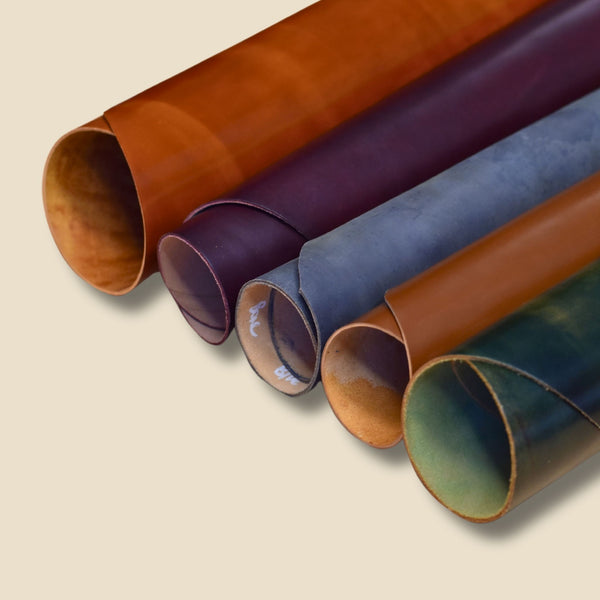


Is it burgundy? Is it oxblood? Or is it something richer, with a history as deep as its hue? If you've ever been captivated by a luxurious, reddish-brown shade but couldn't quite put your finger on its name, you've likely encountered the prestigious cordovan color. More than just a simple entry on a color chart, this shade is steeped in a tradition of elite craftsmanship, inextricably linked to one of the world's most sought-after leathers. For any true enthusiast of quality materials, understanding this color is non-negotiable.
The confusion ends here. In this complete guide, we'll pull back the curtain on this timeless color. We will explore its true origins in the workshops of Spain, clarify exactly how it differs from its close cousins, and demystify the relationship between the shade and the legendary leather it’s named after. By the end, you'll have the confidence to not only identify this magnificent hue but to use it to bring a touch of heritage and unparalleled class to your own projects.
Key Takeaways
- Uncover the prestigious history of Cordovan, tracing its roots from Spanish leather artisans to a symbol of timeless quality.
- Finally understand the distinct differences between Cordovan, burgundy, and oxblood to choose the perfect shade for your project with confidence.
- Discover versatile ways to incorporate the rich cordovan color into your fashion, interior design, and craft projects for a touch of classic elegance.
- Master the art of achieving a true Cordovan hue in your leatherwork by learning why the material is just as crucial as the dye.
What Exactly is the Cordovan Color? Defining the Shade
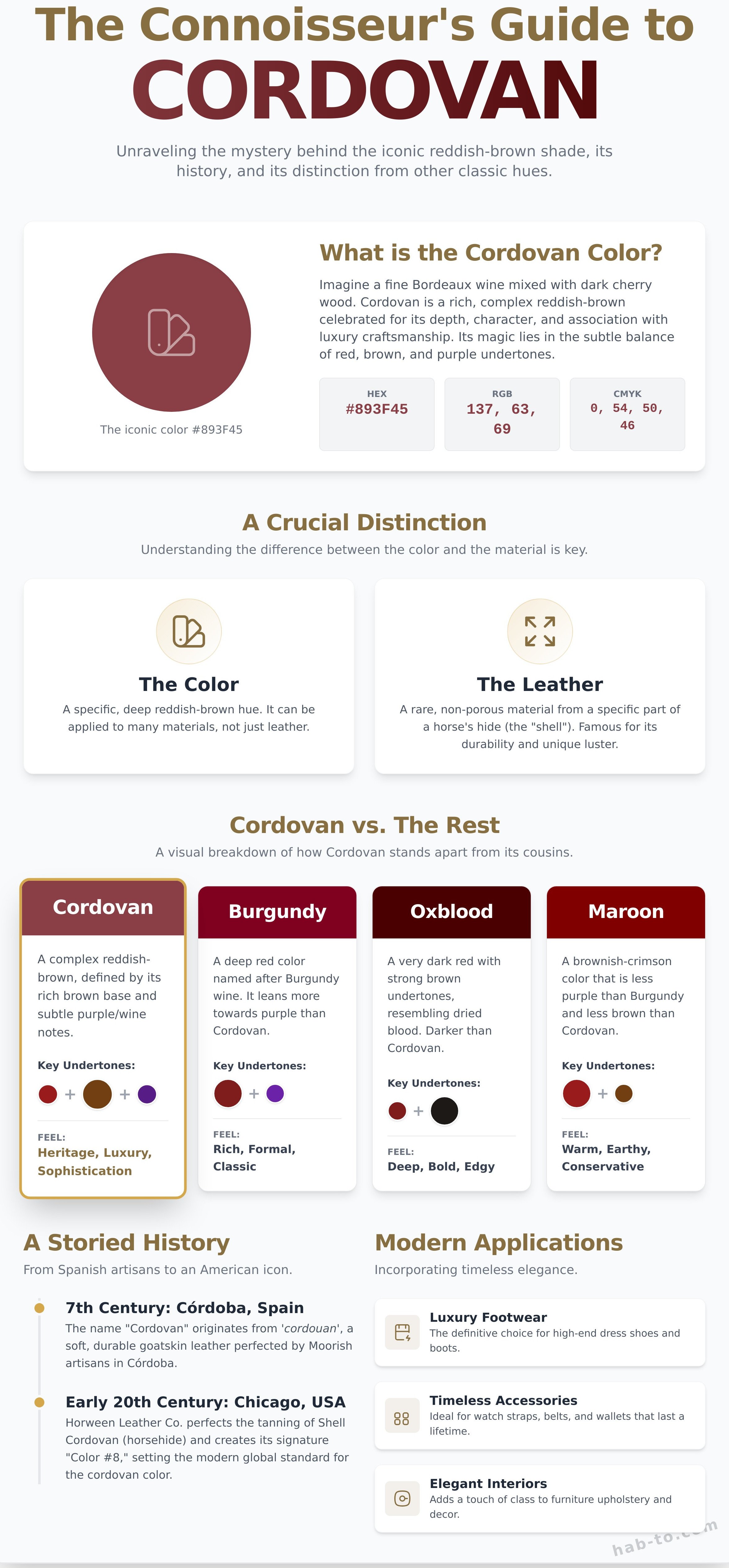
Imagine the deep, lustrous hue of a fine Bordeaux wine mixed with the earthy warmth of dark cherry wood. That is the essence of the cordovan color. More than just a simple burgundy, it is a rich, complex shade of reddish-brown, celebrated for its depth and character. This distinguished color carries an air of heritage and sophistication, often associated with premium leather goods and timeless craftsmanship. While it has a core identity, the true Cordovan color, like any natural shade, exists in a beautiful spectrum of tones, from brighter cherry reds to deeper, almost-black burgundies.
To see how this color appears on premium leather and its subtle variations, take a look at this helpful video:
The Cordovan Color Codes
For designers, artists, and digital creators who want to use this elegant shade in their work, having the precise digital codes is essential. These values provide a consistent starting point for capturing its unique character on screen and in print.
- Hex Code: #893F45
- RGB Values: R: 137, G: 63, B: 69
- CMYK Values: C: 0, M: 54, Y: 50, K: 46
Visual Characteristics and Undertones
At its heart, cordovan is a warm color. It begins with a strong red base, which gives it energy and vibrancy. However, what truly defines it are the deep brown undertones that provide an earthy, grounded feel, preventing it from becoming too bright. The magic lies in the subtle hints of purple or wine that emerge, lending the color its signature complexity and luxurious feel. This balance of red, brown, and purple is what separates it from simpler shades of maroon or burgundy.
Natural Variations in Leather
When applied to leather, especially Shell Cordovan, the color transcends a flat digital swatch. It becomes a living, dynamic element. The unique, non-porous structure of the hide interacts with the vegetable-tanned dyes to create incredible depth and tonal variation. The color is not just on the leather; it's in it. This means its appearance can shift dramatically depending on the light, revealing brilliant red highlights in the sun and settling into a deep, dark brown in the shade.
The History of Cordovan: From Spanish Leather to an Iconic Color
To truly understand the depth of the cordovan color, we have to look beyond a paint swatch and into the annals of craftsmanship. This iconic shade doesn’t come from an artist's palette; it comes from a rich history of leatherworking that stretches back centuries to the sun-drenched workshops of Spain. The story of the color is inseparable from the story of the material that gave it its name.
The Original Leather of Córdoba, Spain
The journey begins in the 7th century in the city of Córdoba, Spain. Under Moorish rule, the city became a world-renowned center for leather production. The artisans there perfected a technique for tanning goatskin, creating a material known as 'cordouan'. This leather was exceptionally soft, durable, and famous for its vibrant, lasting dyes. While this was the origin of the name, the material itself is quite different from what we now call cordovan.
The Rise of Shell Cordovan and Horween's 'Color #8'
The modern association shifted from goatskin to a far more exclusive material: Shell Cordovan. This is not just any horsehide; it's a specific, non-porous leather made from the fibrous flat muscle, or "shell," on a horse's rump. In the early 20th century, the Horween Leather Company in Chicago perfected the long and arduous vegetable tanning process for this unique material. They also created a signature dye formula that would define the color for generations: a deep, rich burgundy with hints of brown, officially named 'Color #8'. This specific shade became the global standard for the cordovan color. While Color #8 is the most famous, the unique properties of the shell allow it to take on a variety of beautiful shades, as detailed in this excellent guide to the Colors of Shell Cordovan.
Cordovan Color vs. Cordovan Leather: Clarifying the Key Difference
Here at Hab-To Leather House, we believe in clarity and quality. So, let’s clear up the most common point of confusion. This distinction is crucial for any crafter or discerning buyer:
- Cordovan is a color. It refers to that specific deep, reddish-brown or burgundy hue.
- Shell Cordovan is a material. It refers exclusively to that premium, vegetable-tanned horsehide from the shell membrane.
Many items-from shoes to bags to watch straps-can be cordovan-colored, but very few are crafted from genuine Shell Cordovan. Understanding this difference is the first step in appreciating both the beautiful shade and the legendary material behind it.
Cordovan vs. Burgundy, Oxblood, and Maroon: A Detailed Comparison
If you’ve ever found yourself staring at a pair of premium leather shoes, unsure if you’re looking at cordovan or burgundy, you’re not alone. These rich, deep reddish-browns are often used interchangeably, but for a true craftsman, the difference is in the details. Understanding the nuances of the cordovan color family helps you appreciate the artistry and make more informed choices. Let's break down the subtle but crucial differences.
Cordovan vs. Burgundy
The most common point of confusion. Burgundy, named after the famous French wine, is a deep red with distinct purple or cool blue undertones. It’s often a touch brighter and leans more towards a purple-red. Cordovan, on the other hand, is fundamentally warmer. Its richness comes from a deep brown base, giving it an earthy, complex character that Burgundy lacks. Think of Burgundy as wine in the glass and Cordovan as the rich, oiled leather of the armchair you’re sitting in.
Cordovan vs. Oxblood
Oxblood is Cordovan’s darker, more mysterious cousin. It’s a deep, dark red with very strong brown and sometimes subtle blue undertones, making it appear almost black in low light. The key difference is vibrancy; Oxblood is more muted and has significantly less red saturation than Cordovan. It’s a color that suggests heritage and quiet confidence, whereas Cordovan often has a richer, more noticeable glow.
Cordovan vs. Maroon
Maroon is the simplest of the group. It’s a straightforward dark brownish-red, named after the French word for "chestnut." Unlike Cordovan or Burgundy, it lacks the complex purplish or deep brown undertones. Maroon is a solid, earthy color, but it doesn't have the same depth or dynamic range. If Cordovan is a complex blend of pigments, Maroon is a more primary, foundational shade of dark red-brown.
At a Glance: Cordovan and Its Counterparts
- Cordovan Color: A rich, deep reddish-brown. Key Undertone: Prominent warm brown.
- Burgundy: A deep red with a purplish tint. Key Undertone: Cool purple/blue.
- Oxblood: A very dark, muted red-brown. Key Undertone: Deep brown with hints of blue.
- Maroon: A simple, dark brownish-red. Key Undertone: Straightforward brown and red, lacks complexity.
How to Use the Cordovan Color in Fashion, Design, and Craft
The true beauty of the cordovan color lies in its remarkable versatility. It's a shade that carries a sense of history and quality, capable of grounding a design or providing a sophisticated pop of color. Whether you're a seasoned craftsman or just exploring premium materials, understanding how to apply this rich hue is key to unlocking its full potential in your work.
Building a Timeless Color Palette
Cordovan’s deep, reddish-brown undertones make it a surprisingly flexible partner for a wide range of colors. It acts as a rich neutral, elevating simple combinations into something truly special. Here are a few palettes to get you started:
- Classic Pairings: For a look rooted in tradition and elegance, combine cordovan with deep navy blue, charcoal grey, or forest green. This creates a powerful and sophisticated aesthetic that never goes out of style.
- Neutral Pairings: To achieve an earthy, understated feel, pair it with cream, warm beige, or muted olive. This combination feels organic, warm, and effortlessly stylish.
- Bold Pairings: For a modern and confident statement, contrast cordovan with a vibrant mustard yellow or a deep teal. The richness of cordovan anchors these brighter colors beautifully, preventing them from overwhelming the eye.
Cordovan in Fashion: More Than Just Shoes
While forever linked to premium men's footwear, belts, and watch straps, cordovan's role in fashion is far broader. In womenswear, it brings a luxurious touch to handbags, ankle boots, and leather jackets, offering a refined alternative to basic black or brown. It functions as a versatile neutral, adding depth and character to an outfit without demanding all the attention. It’s a color that signals quality and timeless style.
Cordovan in Interior Design
In the home, the cordovan color introduces warmth and gravitas. A classic leather armchair or sofa in this hue becomes an instant focal point, promising both comfort and lasting craftsmanship. For a more dramatic effect, consider it as an accent wall color in a library or study to create a cozy, enveloping atmosphere. If you prefer smaller touches, incorporate cordovan through decor items like velvet cushions or wool throws to add a layer of richness to any room. Inspired to begin your next project? Explore our selection of premium, hand-selected leathers.
Achieving the Cordovan Hue in Your Leather Projects
For any dedicated leather crafter, mastering the perfect cordovan color is a mark of true skill. But it's a common misconception that this iconic shade is all about the dye. The real magic, the deep and complex hue that defines luxury goods, comes from the synergy between the color and the material itself. Understanding this relationship is the first step toward creating truly exceptional pieces.
Why Shell Cordovan Creates the Richest Color
The reason genuine Shell Cordovan produces such an unparalleled depth of color lies in its unique anatomy. Unlike standard hide, the shell is an incredibly dense, non-porous membrane. This tight fiber structure doesn’t just absorb dye; it forces the pigments to penetrate slowly and evenly. The result is a remarkable translucence and a layered, luminous quality that simply cannot be replicated on other types of leather. It’s a slow, deliberate process for a truly premium outcome.
Dyeing Veg-Tan Leather to a Cordovan Shade
While nothing can perfectly replicate the look of genuine Shell, you can achieve a beautiful cordovan-inspired shade on high-quality vegetable-tanned leather with the right approach. Your goal is to find a dye that balances deep reddish-brown tones. We recommend starting with proven options from trusted brands:
- Fiebing's Pro Dye: The shade Oxblood is an excellent starting point. For a deeper, more traditional look, some crafters mix it with a touch of Dark Brown.
- Angelus Leather Dye: Their Burgundy or Oxblood shades offer a vibrant and consistent alternative that penetrates well.
Remember, proper surface preparation is non-negotiable. Deglazing the leather first ensures even absorption, and finishing with a quality top coat will seal your work and bring out the color's true depth.
The Beautiful Patina of Cordovan
One of the most rewarding aspects of this color is watching it age. Whether on genuine Shell or a carefully dyed piece of veg-tan, cordovan-colored leather develops a magnificent patina over time. High-wear areas will gently darken, the surface will gain a soft luster, and the color will deepen, gaining character with every use. This graceful aging process is the hallmark of quality materials and true craftsmanship.
For that authentic, deep luster and signature aging, starting with the right material makes all the difference. Ready to craft with the best? Browse our Shell Cordovan collection.
Bringing Cordovan's Rich Legacy to Your Craft
From its origins in Spanish leather to its status as an enduring icon, the cordovan color is a testament to timeless style and sophistication. We've journeyed through its history, distinguished its unique, deep reddish-brown character from similar shades like burgundy and oxblood, and showcased its versatile power across fashion and design. Ultimately, cordovan is more than just a hue; it represents a profound appreciation for heritage and quality craftsmanship that stands the test of time.
Now, it's your turn to bring this legacy to life in your own work. At Hab-To, we believe that exceptional projects start with uncompromising materials. Backed by over 160 years of family experience, we are dedicated to sourcing only the finest sustainable, hand-selected vegetable-tanned leathers. And because we want to support every crafter, from hobbyist to professional, we proudly offer our premium leathers with no minimum order requirements.
Ready to work with authentic quality? Explore our hand-selected Shell Cordovan leather and find the perfect foundation for your next masterpiece.
Frequently Asked Questions About Cordovan Color
Is cordovan considered a warm or a cool color?
Cordovan is definitively a warm color. It sits in the rich, reddish-brown family, often showing deep undertones of cherry or eggplant. This warmth comes from its strong red and brown base, making it incredibly versatile. It pairs beautifully with earthy tones found in quality materials like wool tweed and flannel, bringing a sense of grounded elegance to any handcrafted item or outfit. This inherent warmth is key to its sophisticated and timeless appeal.
What is Horween's 'Color #8' and how does it relate to the cordovan color?
Horween's 'Color #8' is the quintessential cordovan color. Developed in the early 1900s by the legendary Chicago tannery, it is the specific dye formula that created the iconic dark burgundy shade we now associate with Shell Cordovan leather. While other tanneries produce their own versions, 'Color #8' is the benchmark-the original recipe that defined the look. It's a testament to timeless craftsmanship and the standard by which all other cordovans are measured.
Is the cordovan color appropriate for formal wear?
Absolutely. Cordovan is a superb choice for formal and business settings. A pair of well-polished cordovan dress shoes, like oxfords or loafers, strikes the perfect balance between classic and distinctive. It's less severe than black but more formal than a standard brown, making it a sophisticated option for pairing with navy, charcoal, and grey suits. A watch strap or a slim briefcase in this color adds a subtle touch of considered quality to a professional look.
Can you get the cordovan color in materials other than leather?
Yes, the popularity of the cordovan color means it's now found in many other materials. You will see it in high-quality textiles like wool sweaters, cotton chinos, and silk ties, where it adds a touch of richness and depth. It’s also used in interior design for paints and fabrics. However, its true character-the way it catches the light and develops a unique patina-is most famously expressed in premium leather, where its legacy began.
How do you properly care for cordovan-colored leather?
Caring for cordovan leather is a rewarding process. Start by wiping it with a damp cloth to remove surface dirt. Because Shell Cordovan is so dense with oils, it requires less conditioning than other leathers. Use a cream or wax polish specifically formulated for cordovan, applying a very thin layer. The key is vigorous brushing with a horsehair brush to work the polish in and bring out that signature glossy shine. This simple routine will ensure your items last for generations.
What metals pair best with the cordovan color?
Cordovan's warm, reddish-brown tones pair exceptionally well with warm metals. Polished brass and gold are classic choices, creating a rich, traditional look on items like belt buckles, watch cases, or bag hardware. For a more contemporary or understated combination, consider silver or nickel. The cool, bright finish of these metals provides a sharp, clean contrast that highlights the depth of the cordovan, offering a versatile look that works in both formal and casual contexts.