

The Ultimate Guide to Beige: From Skin Tones to Exquisite Leather
Hi, I'm Mike. Let's talk about one of the most misunderstood colours in a crafter's palette: beige. For many, it’s a safe, perhaps even boring, choice. But in my family's 160 years of experience with leather, we've come to see it as the foundation of timeless craftsmanship. From the raw, living character of an undyed hide to the complex spectrum of skin beige tones, this colour is anything but simple. If you've ever struggled to choose the right neutral for a project or felt uninspired by this classic hue, you've come to the right place.
In this guide, we're going to change how you see beige forever. We'll explore its incredible versatility and uncover the secrets to selecting the perfect shade of vegetable-tanned leather for your work. You'll learn how to pair it with hardware and thread to create pieces that radiate quiet confidence and discover the unmatched beauty of the patina it develops over time. Forget bland-get ready to master the art of beige and craft something truly exceptional.
Key Takeaways
- Learn to distinguish the nuances of skin beige, moving beyond skin tones to master its application as a timeless neutral in your creative projects.
- Discover why natural vegetable-tanned leather is the ultimate "blank canvas" for crafters, serving as the perfect starting point for durable, quality goods.
- Unlock the secrets to achieving a rich, beautiful patina, transforming your beige leatherwork into a unique heirloom that tells a story over time.
- Gain practical design tips on how to select the right hardware finishes to perfectly complement the warm, sophisticated tones of beige leather.
Decoding 'Skin Beige': Understanding the Nuances of a Complex Neutral
When you search for information on skin beige, you're likely exploring the vast and beautiful spectrum of human skin tones. But what is beige, really? In color theory, beige is a pale, sandy fawn color that sits somewhere between a soft ivory and a light tan. It’s a color with a surprisingly deep story; you can explore the history and etymology of beige to see its origins in French textiles. While simple on the surface, its true character is revealed through its undertones-a critical concept in everything from makeup to material craftsmanship.
To see how these undertones play out in practice, especially in cosmetics, this video offers a great visual demonstration:
Beige vs. Ivory, Cream, and Taupe
Distinguishing beige from its neutral cousins is a matter of noticing subtle shifts in tone. Think of it this way:
- Ivory: A beige with more yellow and less brown, appearing whiter and brighter.
- Cream: An even paler version of ivory with a soft, buttery yellow tint.
- Taupe: A darker neutral that mixes beige with a significant amount of grey, giving it a muted, earthy quality.
The Importance of Undertones
Undertones are the subtle, underlying colors that come through a primary shade, and they are what give beige its complexity. A warm beige will have noticeable yellow, golden, or peachy undertones, giving it a sunny, inviting feel. In contrast, a cool beige leans towards pink, red, or even blueish hints, creating a crisper, more reserved appearance. A neutral beige strikes a perfect balance between warm and cool, making it a versatile and true base color.
Why This Matters for a Leather Crafter
So, why does a deep understanding of beige matter to a leather crafter? Because quality materials deserve thoughtful pairings. The undertone of a piece of leather dramatically affects its final look. A warm, vegetable-tanned beige leather pairs beautifully with brass hardware, while a cooler beige might look stunning with silver or nickel. Recognizing these nuances ensures that every component of your project works in harmony, elevating your craftsmanship from good to exceptional.
Beige in Design History: The Power of a Timeless Classic
While the term 'tanning' often brings human skin to mind, the resulting palette of neutral tones has a rich and powerful legacy in the world of art and design. Long before it became a staple of modern minimalism, the story of beige in design history was rooted in the earth itself-in clay, sand, and undyed natural fibres. Far from being 'boring,' beige is the ultimate foundation. It’s a quiet statement of quality, a canvas that allows true craftsmanship to take centre stage.
The Psychology of a Neutral Palette
In a world saturated with visual noise, beige offers a moment of calm. It evokes feelings of warmth, comfort, and unwavering reliability. Unlike stark white, which can feel clinical, or aggressive primary colors that demand attention, beige is grounding. Its power lies in its connection to the natural world-the soft hue of sand, the grain of untreated wood, and the honest, authentic color of vegetable-tanned leather. It’s a color that doesn’t shout; it reassures.
Iconic Beige in Fashion and Product Design
Think of the most timeless pieces of design, and you’ll often find beige at their core. The Burberry trench coat is a masterclass in this philosophy; its iconic color ensures that the focus remains on the impeccable tailoring and quality of the gabardine fabric. In minimalist interior design, a versatile skin beige creates serene spaces that feel both sophisticated and welcoming. Luxury brands have long understood that this palette allows the texture, form, and integrity of the material to speak for itself. No compromises, just quality.
This design philosophy is not limited to traditional luxury; it's also a cornerstone in modern apparel manufacturing. Premium clothing producers like Athleisurebasics often use foundational palettes to highlight the quality of their athleisure fabrics and construction, showing how these principles translate across different fashion sectors.
Pairing Beige for Maximum Impact
For any crafter, understanding how to leverage beige is key to creating elegant, professional-grade work. This neutral is the perfect partner, capable of either toning down bold colors or creating a subtle, monochromatic look. Need some advice on palettes? Here are a few classic and modern ideas:
- Classic & Timeless: Pair your beige leather with deep navy blue, rich forest green, or a sophisticated burgundy for a look that exudes heritage and class.
- Modern & Crisp: Combine beige with warm metallics like brass or copper hardware. For a bolder statement, use a vibrant accent color like burnt orange or teal for a stitch or edge paint.
By treating this classic hue not as a background color but as a strategic element, your work will gain a new level of refinement. The subtle elegance of a natural skin beige provides a foundation for endless creativity.
The Crafter's Palette: Exploring Beige and Natural Leathers
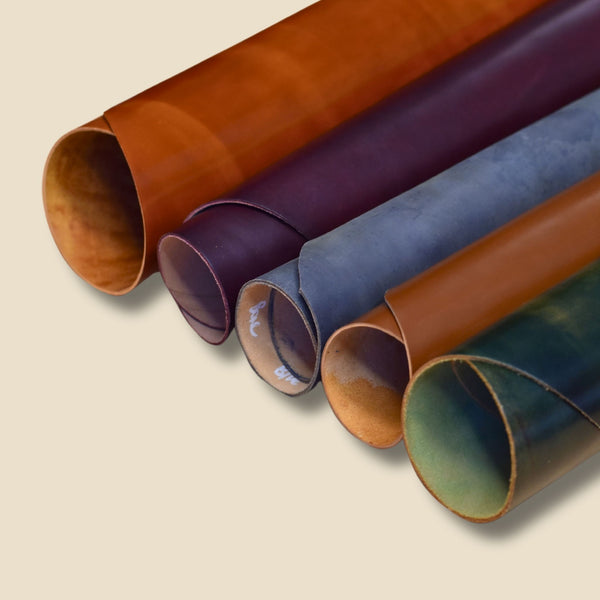
For the dedicated leathercrafter, "beige" isn't just a single color; it's a spectrum of possibilities rooted in the hide's most authentic state. It represents a commitment to the material itself, allowing the quality of the tanning and the natural characteristics of the skin to shine through. This palette, from pale, creamy tones to warm, honeyed shades, is where true craftsmanship begins. It’s about working with a material that tells a story from the very start.
Natural Undyed Veg-Tan: The Original Beige
At the heart of the crafter's palette is natural, undyed vegetable-tanned leather. This is the ultimate blank canvas. Its distinctive pale, almost skin beige color is the pure result of the tanning process, with no dyes or heavy finishes to mask the hide's character. With a typically firm temper, it's the ideal choice for projects requiring structure, detailed tooling, carving, or wet molding. Over time and with exposure to sun and oils, it will develop a rich, deep patina that is entirely unique to its user.
Italian Leathers: Buttero and Pueblo in Natural Tones
When seeking premium quality, many artisans turn to renowned Italian tanneries. They produce some of the world's most coveted vegetable-tanned leathers, even in their natural, undyed forms.
- Buttero: From Conceria Walpier, this leather is famous for its smooth, tight grain and consistent, elegant beige color. It has a beautiful, subtle sheen and a firm hand that makes it perfect for luxury small goods that need to hold their shape.
- Pueblo: An iconic leather from Conceria Badalassi Carlo, Pueblo in its natural shade offers a unique tactile experience. Its surface is intentionally buffed to create a slightly rustic, suede-like feel that patinas beautifully to a smooth, darker finish with use.
How Tanning and Finishing Affect the Final Shade
Not all natural leathers look the same, and the subtle variations are part of their charm. The specific blend of tannins, fats, and oils-often a tanner's closely guarded secret-used during the tanning process can impart different tones. Some recipes result in a lighter, cooler beige, while others, rich in fats, create a warmer, almost golden hue. A final finish, like a light wax or glaze, can also deepen the initial skin beige color and add a protective layer, influencing how it will age. These nuances, combined with natural variations between batches, mean every piece you work with is truly one-of-a-kind.
Ready to find the perfect foundation for your next project? Browse our hand-selected collection of Natural & Beige Leathers and discover the beauty of leather in its purest form.
The Beauty of Patina: How Beige Leather Ages with Grace
In a world of disposable goods, vegetable-tanned leather offers something truly rare: it doesn’t just last, it improves. While synthetic materials crack, peel, and fade, quality veg-tan leather wears in, not out. This graceful aging process is called patina, and it’s one of the most sought-after characteristics in fine leather goods, transforming a simple object into a personal heirloom.
What is Patina and Why Do Crafters Love It?
Patina is the lustrous sheen and darkening that develops on natural leather over time. It’s a living finish, created by a unique combination of factors: exposure to sunlight, the natural oils from your hands, moisture, and daily wear. Each touch and every sunbeam contributes to a story, making every item completely unique to its owner. This is the mark of true craftsmanship and a direct contrast to synthetics, which simply degrade and are discarded.
The Patina Journey of Natural Veg-Tan Leather
The transformation is a beautiful thing to witness. The journey often begins with a uniform, pale skin beige surface, full of potential. With exposure and handling, this light color slowly deepens into a warm golden tan. Over months and years, it continues to evolve into a rich honey or caramel, with darker areas where it's handled most. A wallet kept in a sunny office will age differently than one tucked away in a pocket, each developing its own distinct character.
We love seeing before-and-after photos of projects! Tag us on social media to share your leather's journey.
How to Care for and Encourage a Beautiful Patina
While patina develops naturally, you can guide the process to achieve a rich, even color. It’s not about perfection, but about nurturing the material. Here at Hab-To Leather House, we believe in working with the leather, not against it. For a beautiful patina on your skin beige veg-tan, follow these simple principles:
- Initial Sun Exposure: A few hours of indirect sunlight can gently kickstart the darkening process for a more even base tan. Rotate the item to ensure consistent exposure.
- Nourish, Don't Seal: Use quality, natural conditioners that feed the leather's fibers. Avoid heavy, synthetic sealants that can block the pores and prevent the leather from breathing and aging naturally.
- Keep It Clean: Dirt and grime can cause uneven spotting. Wipe your leather down periodically with a soft, dry or slightly damp cloth to ensure the patina develops cleanly.
Embracing patina is embracing sustainability. It’s a testament to choosing quality materials that are meant to last a lifetime, telling a story for generations to come. No synthetics. No compromises.
Working with Beige Leather: Design Tips and Project Inspiration
Beige leather is a testament to timeless elegance. Its neutral, earthy tone offers a versatile canvas for artisans, allowing the quality of the material and the skill of the craftsmanship to take center stage. But a beautiful piece of leather is just the beginning. The right hardware and thread can transform a good project into a great one. Here’s my advice on making design choices that truly honor the material.
Hardware Pairing: Brass, Nickel, or Black?
The hardware you choose sets the entire mood for your piece. It’s not just functional; it's a key design element. Think about the final aesthetic you want to achieve:
- Solid Brass: For a classic, warm, and traditional look that ages beautifully alongside vegetable-tanned leather. The golden tones of brass create a rich, harmonious pairing with beige.
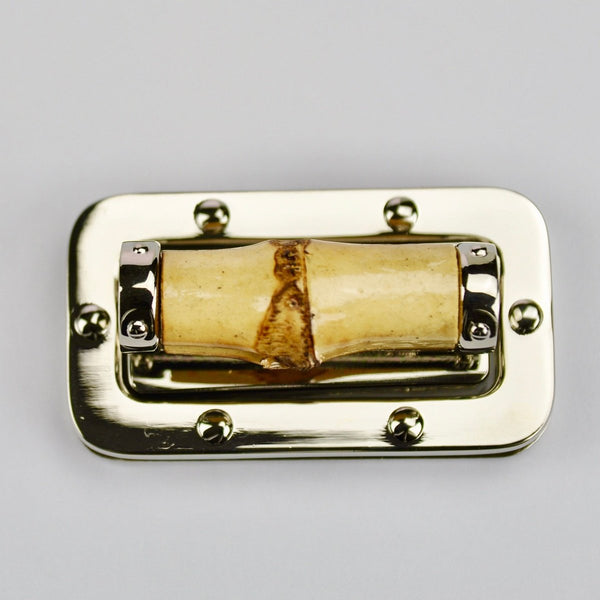
- Nickel or Stainless Steel: If you're aiming for a modern, clean, and cooler aesthetic, nickel is your best bet. It offers a crisp, bright contrast that feels contemporary and sleek.
- Matte Black: For a bold, high-contrast statement. Black hardware against beige leather is dramatic and confident, perfect for projects that demand attention.
Choosing Your Thread: Contrast vs. Complement
Your stitching is your signature. It can either blend in seamlessly or stand out as a defining feature of your work. The color of your thread is a powerful tool to control this effect.
- For a subtle finish: Cream, ivory, or a thread that perfectly matches your skin beige leather will create a refined, elegant look where the form of the piece speaks for itself.
- For a classic contrast: A dark brown or navy thread provides a sharp, traditional contrast that highlights your stitch line and adds a sense of structure and definition.
- For a contemporary pop: Don't be afraid of color! A vibrant orange, turquoise, or even a bold red can add a playful, modern twist to an otherwise classic piece.
Project Inspiration for Beige Leather
The understated beauty of beige leather makes it ideal for projects where quality and clean lines are paramount. Its ability to develop a unique patina over time means that every piece you create will tell its own story. Some projects that are particularly well-suited for this material include:
- Minimalist Wallets and Cardholders: The light color showcases the precision of your cuts, stitching, and edge finishing.
- Elegant Watch Straps: As the leather darkens and softens with wear, it becomes a truly personal accessory.
- Tote Bags and Portfolios: Large, clean panels allow the natural grain and character of the premium leather to shine through without distraction.
Ready to start your next project? Check out our crafting bundles! We've hand-selected quality materials to help you bring your vision to life. No compromises, just real craftsmanship.
Your Next Masterpiece Starts with Beige
From the subtle warmth of human complexions to the enduring elegance of classic design, beige proves it is far more than a simple neutral. We've explored how this versatile color has shaped history and how, in the world of leathercraft, it offers a perfect canvas. The true beauty of a natural or skin beige leather lies not just in its initial state, but in the rich, personal patina it develops over a lifetime of use-a story told with every mark and crease.
Are you ready to bring your own story to life? At Hab-To, we channel over 160 years of family experience into sourcing the finest materials for your craft. We believe in quality without compromise, which is why we offer premium, hand-selected, and sustainable vegetable-tanned leathers. And because creativity shouldn't have barriers, we have no minimum order requirements, making our collection perfect for every crafter, from beginner to seasoned artisan.
Explore our collection of premium natural and beige leathers and find the perfect foundation for your next project. Happy crafting!
Frequently Asked Questions About Leather and Its Care
What is the main difference between natural undyed leather and beige dyed leather?
The core difference lies in the color's origin and how it evolves. Natural vegetable-tanned leather is a "blank canvas" with a pale, pinkish hue that darkens over time, developing a unique patina through use and sun exposure. In contrast, beige dyed leather is colored to a specific, consistent skin beige shade during the finishing process. This provides a uniform color from day one, which will also age, but with less dramatic color shifts than its natural counterpart.
Does beige leather stain easily and how can I protect it?
Like any light-colored material, beige leather is more susceptible to stains and water marks than darker shades. The best defense is proactive care. Before you even use your item, apply a high-quality leather conditioner or a protective balm like Smith’s Leather Balm. This creates an invisible barrier against moisture and dirt. For ongoing care, promptly wipe away any spills with a soft, dry cloth to prevent them from setting into the leather’s pores.
Is natural vegetable-tanned leather a good choice for a beginner's first project?
Natural vegetable-tanned leather is a fantastic, honest material, but it can be challenging for a first project. It beautifully showcases your craftsmanship but also reveals every scratch, tool mark, and mistake. If you embrace this as part of the learning process and the character of your piece, it's incredibly rewarding. However, if your goal is a flawless finish on your first try, a dyed-through leather might be a more forgiving option to start with.
How will sunlight affect my beige leather goods over time?
Sunlight is a powerful element that affects all vegetable-tanned leather. For a dyed skin beige item, prolonged and direct exposure can lead to gradual fading over many years. It's best to store it out of direct sunlight when not in use. For natural, undyed leather, however, sunlight is what helps it develop its rich, caramel patina. Many crafters intentionally "suntan" their natural leather projects to accelerate this beautiful aging process.
What is the best way to clean a light-colored vegetable-tanned leather item?
For routine cleaning, simply wipe the surface with a soft, dry microfiber cloth to remove dust. For minor spots, use a trusted leather cleaner like saddle soap. Apply a small amount with a slightly damp cloth, working in gentle circles, and then wipe away the excess. Always test on a hidden area first. Avoid harsh chemicals or excessive water, and allow the item to air dry naturally, away from direct heat sources like radiators.
Which thread color looks best with beige leather for a classic look?
For a timeless, classic aesthetic, you have two excellent choices. An off-white or cream-colored thread, such as Ritza 25 Tiger Thread in Cream, creates a sophisticated and subtle contrast that highlights your stitching. Alternatively, for a slightly more rustic and traditional feel, a medium brown thread provides a warm, earthy frame for your work. Both options complement the beige leather beautifully without overpowering it, ensuring your craftsmanship remains the focus.