

Veg Tan Leather Care and Maintenance: The Expert Artisan’s Guide
What if that first water spot on your new vegetable-tanned wallet wasn't a disaster, but the first chapter of its unique story? Hi, I'm Mike, and I’ve seen the look of panic on a craftsman's face when that happens more times than I can count.
While some owners embrace these marks as history, for those looking to restore the original color or repair more significant damage, dedicated products are available from specialists like LeatherTouchupDye.com.
I get it. You've invested in a premium, sustainable material, and the thought of a wrong move is stressful. That fear of a deep scratch, a blotchy oil stain, or the confusion between a wax and a cream can leave you feeling paralyzed. You don't want to ruin the beautiful, natural hide you chose with so much care.
But that's about to change. This guide is your foundation for mastering professional veg tan leather care and maintenance. I’m going to share the exact, no-compromise techniques we’ve used in my family for generations to not just protect your leather, but to cultivate a rich, stunning patina. We’ll build a clear maintenance schedule, identify the right products for the job, and transform your anxiety into the artistry of aging leather gracefully.
Key Takeaways
- Learn why vegetable-tanned leather's unique "naked" quality requires a specific care approach to prevent damage and encourage a beautiful patina.
- Master a professional three-step routine for veg tan leather care and maintenance-Clean, Condition, and Protect-using the right tools for the job.
- Discover simple, artisan-approved techniques to fix common issues like water spots and minor scratches without harsh chemicals.
- Understand how to guide the aging process of your leather to develop a rich, personal patina that tells a story over time.
Understanding Veg Tan Leather: Why Maintenance is Unique
Before you can master its upkeep, you have to understand what makes vegetable-tanned leather a truly unique material. Unlike its modern, mass-produced counterparts, veg-tan isn't just a surface; it's an organic structure that lives, breathes, and changes with you. Think of it less like a finished product and more like a living canvas.
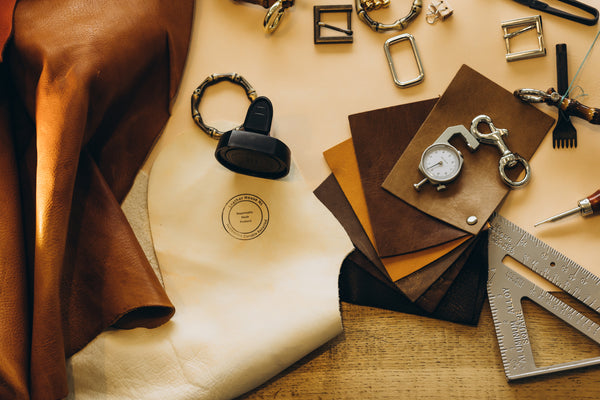
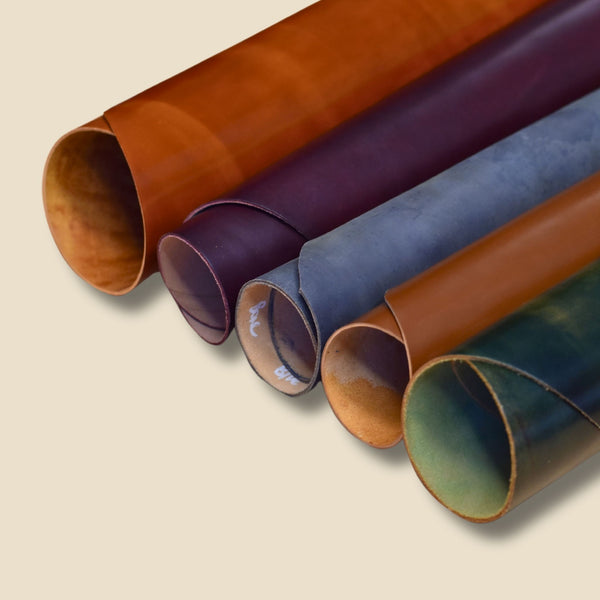
At its core, vegetable-tanned leather is created using an ancient method that relies on natural tannins. These are compounds extracted from organic matter like tree bark, leaves, and roots. This centuries-old technique creates a leather that is firm, durable, and possesses a character all its own. Because it lacks the synthetic top-coats and plastic sealants found on most commercial leathers, we call it "naked." This open-pore structure allows it to breathe and develop a rich patina over time, but it also makes it thirsty and vulnerable to the elements. Its health depends on a delicate balance of natural fats and oils, known as lipids, within its fibers. These lipids keep the fibers lubricated, preventing them from drying out, growing brittle, and cracking. At Hab-To, our philosophy of "No synthetics, no compromises" starts here. Proper veg tan leather care and maintenance isn't about preserving a static state; it's about nurturing an evolving material.
The Chemistry of Tanning and Fiber Density
The magic happens at a microscopic level. During the leather tanning process, tannins bond with the collagen proteins in the animal hide, displacing water molecules and stabilizing the fibers to prevent decay. This process preserves the hide's natural fibrous structure, which is key to its strength and longevity. However, not all hides are the same. A material like Shell Cordovan, with a fiber density over 30% higher than standard cowhide, has far fewer pores and requires a different conditioning approach than a more open-pored leather like Buttero. Vegetable-tanned leather is a reactive, organic material that records its own history through every scratch, sunbeam, and drop of rain.
Veg-Tan vs. Chrome-Tanned Maintenance
This is where many new owners make a critical mistake. Chrome-tanned leather, which accounts for over 90% of the world's leather, is designed to "stay the same." Its surface is typically sealed with synthetic polymers, making it resistant to water and stains but also preventing it from aging gracefully. Using a "universal" leather cleaner on a veg-tan wallet is like using a harsh detergent on your own skin. These products often contain solvents and chemicals that strip the essential lipids from veg-tan's open pores, leading to irreversible drying and cracking. The entire purpose of proper veg tan leather care and maintenance is to work with the material's nature, not against it. To learn more about the fundamental differences, explore our guide on What Is Veg-Tan Leather and Why Crafters Love It.
The Art of the Patina: How Your Leather Ages
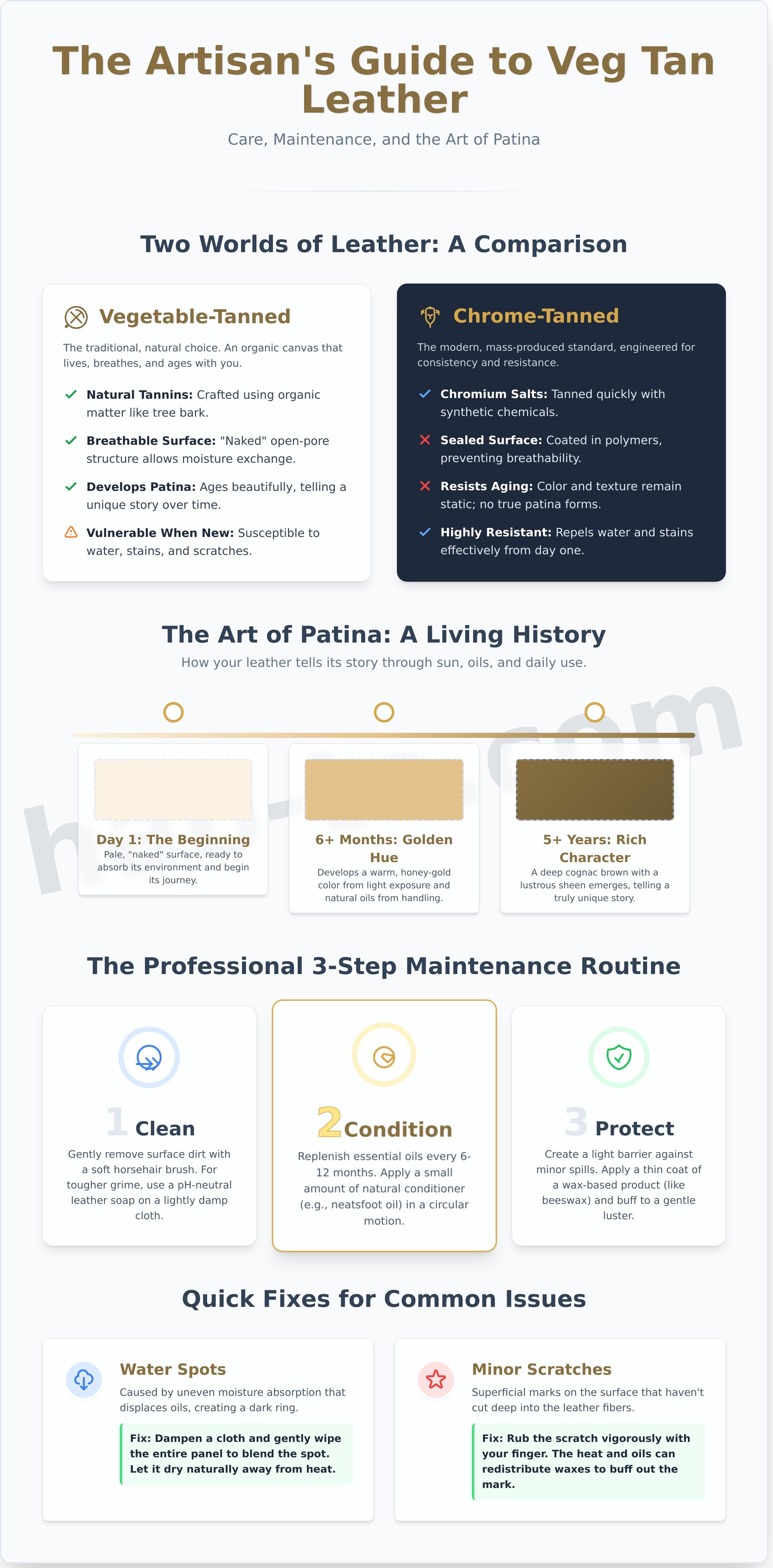
One of the most rewarding aspects of owning vegetable-tanned leather is watching it evolve. This isn't decay; it's a beautiful, living process called patina. Think of it as your product's unique story, written by light, touch, and time. A patina is the result of three key elements working in harmony: oxidation (the leather's reaction to air), exposure to UV light, and the absorption of natural oils from your hands and the environment. It's a slow transformation that turns a brand-new item into a one-of-a-kind heirloom.
The timeline of this transformation is gradual but noticeable. Within the first 6 months of daily use, a natural veg tan wallet will shift from its initial pale, almost pinkish hue to a warm, honey-gold color. After 5 years, that same wallet will likely boast a deep, rich cognac brown with a lustrous sheen, especially on the corners and edges that see the most contact. It's a testament to quality materials and real craftsmanship.
A word of caution: don't rush the process. Some people try to "force" a patina by leaving their leather in direct, intense sunlight for days or by oversaturating it with oils. This is a mistake. Applying excessive heat or oil can effectively cook the leather's protein structure, making the fibers brittle and prone to cracking. A true patina is earned, not forced, and it reflects the health of the hide, not a shortcut to a desired look.
Environmental Factors: Sun, Skin, and Friction
Your daily environment is the artist that paints your leather's patina. Sunlight is the most powerful factor; its UV rays act as a natural tanning agent, reacting with the tannins in the hide to darken the color. The oils from your skin are another key ingredient. The parts of a bag or journal cover you touch most will develop the deepest color, creating a beautiful, organic pattern that maps your unique habits. Finally, simple friction plays a role. The act of sliding a cardholder into your jeans pocket thousands of times gently polishes, or "burnishes," the leather surface, creating a subtle, natural gloss that no artificial finisher can replicate.
Patina vs. Neglect: When to Intervene
Knowing the difference between a developing patina and a product in distress is a core skill in veg tan leather care and maintenance. A healthy patina has a warm, subtle glow, even if the color is deep. Neglected leather, on the other hand, often looks thirsty and lifeless. It's crucial to distinguish "dry rot" from a simple matte finish. Dry rot appears as a dusty, faded surface with micro-cracks, indicating the internal oils have depleted.
You can use a simple "flex test" to check your leather's health. Gently bend a corner of the item. If the leather flexes smoothly and the color remains consistent, it's well-hydrated. If you see fine cracks appear or the material feels stiff and brittle, it's time to condition. The goal is to clean away surface grime without stripping the desirable history embedded in the hide. For serious preservation, even museum conservators follow detailed NPS guidelines on leather care to distinguish between patina and damage. By understanding these signs, you ensure your leather's story continues for decades, not just years. If you find your leather is crying out for moisture, our hand-selected leather conditioners provide the essential nutrients it needs without any harmful synthetics.
A Professional Maintenance Routine: Clean, Condition, Protect
Your vegetable-tanned leather is a living material. It breathes, ages, and develops a story alongside you. Proper care isn't about freezing it in time; it's about guiding its beautiful evolution. This professional routine, broken down into five core steps, is the foundation of excellent veg tan leather care and maintenance. Following it ensures your goods last not just for years, but for generations.
Here’s the simple, effective process we've trusted for decades.
- Step 1: Dry Dusting. Before you apply any product, always start with a high-quality horsehair brush. Its bristles are soft enough to avoid scratching yet firm enough to dislodge the abrasive dust and grit that accumulate in the leather's grain. This single step prevents tiny particles from being ground into the surface during cleaning or conditioning.
- Step 2: Gentle Cleaning. For everyday upkeep, a soft microfiber cloth lightly dampened with de-ionized water is perfect. Wipe the surface in gentle, circular motions. For tougher grime, a small amount of pH-balanced saddle soap can be used, but always test it on a hidden spot first. The key is to clean without stripping the hide of its essential fats. For a deeper look into archival preservation, the Canadian Conservation Institute's guide to leather care provides museum-level protocols for cleaning and long-term storage.
- Step 3: Conditioning. This is where you feed the leather. Cleaning can remove some of the natural lipids (fats and oils) that keep the fibers flexible. A quality conditioner replenishes them, preventing the leather from drying out and cracking.
Choosing the Right Conditioner: Oils vs. Creams vs. Waxes
The product you choose directly impacts the leather's final look and feel. Each type serves a distinct purpose.
- Pure Neatsfoot Oil: This is a heavy-duty hydrator for exceptionally dry or stiff leather. It penetrates deeply but be warned: it will permanently darken the leather by at least two or three shades. Use it with purpose, not for routine upkeep.
- Leather Creams: For most regular maintenance, a balanced leather cream is your best choice. These emulsions contain a mix of oils, waxes, and other conditioning agents that nourish the leather without drastic color shifts, preserving its natural character.
- Beeswax-Based Finishes: Think of this as a topcoat. A beeswax finish provides a robust, water-resistant barrier that is ideal for heavy-use items like boots, briefcases, or outdoor gear. It seals and protects more than it deeply conditions.
The "Less is More" Rule of Application
Over-conditioning is the most common mistake in leather care. Applying too much product clogs the leather's pores, preventing it from breathing and leading to a weak, "mushy" structure. A pea-sized amount of cream is often enough for an entire wallet. This discipline is central to proper veg tan leather care and maintenance. For most items, a full conditioning is only necessary once every 3 to 6 months. In truth, the best day-to-day conditioner for veg-tan leather is often just the natural oils from your own hands.
- Step 4: Buffing to a Luster. After applying conditioner, allow it to absorb for at least 30-60 minutes. Then, take a clean, dry cotton cloth and buff the surface with brisk, light strokes. This action generates gentle heat, which helps the waxes spread evenly, seals the surface, and brings out a signature soft luster.
- Step 5: Proper Storage. Never underestimate the importance of environment. Store your leather goods in a dry, ventilated area away from direct sunlight or heat sources like radiators. A room with around 50% relative humidity is ideal. Avoid plastic bags at all costs, as they trap moisture and can cause mildew. A simple, breathable cotton bag is the perfect home for your leather items when not in use.
Troubleshooting Common Veg-Tan Issues
Even with the best care, life happens. A sudden downpour, an accidental scrape against a wall, or a dreaded coffee spill can feel like a disaster for your prized veg-tan goods. But don't panic. One of the most beautiful qualities of this leather is its resilience. Understanding how to tackle these common problems is a core part of proper veg tan leather care and maintenance, turning potential blemishes into part of your item's unique story.
The Water Spot Rescue Mission
A few raindrops hit your bag, and now you have dark, distinct spots. Your first instinct might be to dab at that single spot. Resist this urge. Spot cleaning is the fastest way to create a permanent "tide line" as the water pushes the leather's tannins and oils to the edge of the damp area. The key is to blend, not isolate.
Instead, take a clean, lint-free sponge or cloth and lightly dampen it. Gently wipe the entire panel of leather from seam to seam, applying a thin, even layer of moisture. This evens out the water absorption across the surface, allowing the entire piece to dry uniformly without tide marks. The single most damaging mistake you can make is grabbing a hairdryer; the intense, direct heat can cook the leather's protein structure, causing it to shrink and become permanently brittle. Always let your leather air dry slowly and naturally, away from direct sunlight or heat sources.
Dealing with Scratches in Full-Grain Leather
Scratches on full-grain leather are often less severe than they appear. It's crucial to distinguish between a surface scuff and a deep gouge that has cut into the leather's fibers. Most minor scratches only disturb the waxes and oils sitting on the surface. For these, the "thumb rub" method is surprisingly effective. Simply use the friction and heat from your clean thumb to vigorously rub the scratch in a circular motion for 30-60 seconds. This heat mobilizes the waxes in the leather, allowing them to flow back over the scratch and conceal it.
This self-healing property is especially pronounced in leathers with a high wax content (often called "pull-up" leathers), such as Pueblo or Chromexcel, where the oils and waxes can make up more than 25% of the leather's total weight. This process works best on a well-hydrated hide; if your item seems dry, you may first need to learn how to condition vegetable tanned leather to replenish those essential fats.
For deeper stains, like an ink mark or a heavy grease spill, the approach changes. If an oil stain is fresh, sometimes the best course of action is to do nothing. Over several weeks, the oils will often disperse deep into the leather's fiber network and become an integrated part of the patina. For a more aggressive or unsightly stain, a dedicated leather degreaser is your tool. These are typically clay-based powders that you apply to the stain, where they act like a poultice to draw the oil out of the leather. This is a more advanced technique and should be used with caution.
What about dryness and cracking? If your leather feels stiff but isn't yet flaking, it's almost certainly salvageable. The goal is slow rehydration. Applying a single, thick coat of conditioner will only saturate the surface. Instead, apply a very thin layer of a quality leather balm, let it absorb for at least 12 hours, and repeat the process over several days. This allows the oils to penetrate deep into the fiber structure. Once the fibers have physically broken and cracked, however, the damage is irreversible. You can hydrate the leather to prevent further cracking, but the existing fissures are permanent. If you're facing a stubborn issue and aren't sure how to proceed, don't guess. Book a free consultation with me, Mike, and we can find the right solution for your specific leather.
Premium Supplies for Lifetime Maintenance
After 160 years as an Amsterdam leather wholesaler, we've seen which tools stand the test of time and which ones fail. Our recommendations aren’t based on trends; they are built on generations of experience watching materials perform, age, and endure. Proper veg tan leather care and maintenance is a partnership between your skill and the quality of your supplies. Using the right equipment isn't an expense. It's an investment in the longevity of your craft.
My personal philosophy is simple, and it has never failed me: "Treat your leather like your skin-don’t put anything on it you wouldn’t put on yourself." This single principle cuts through the marketing noise and gets to the heart of what veg tan leather truly needs: pure, simple, and effective care.
The Hab-To Standard for Leather Care Tools
Your beautiful leather deserves more than a generic shoe-shine kit from the supermarket. Building a dedicated maintenance kit ensures every action you take preserves, rather than degrades, the leather's natural character. The goal is to assemble a set of tools that will last as long as your projects.
- A Horsehair Brush: The fine, soft-yet-sturdy bristles of a horsehair brush are dense enough to lift dirt from the grain without scratching the surface. A synthetic brush can be too abrasive, creating micro-scratches that dull the finish over time.
- Lint-Free Cloths: Use soft, clean cotton or microfiber cloths to apply conditioners. They ensure an even, thin coat and prevent tiny fibers from getting trapped in the conditioner, which can mar the surface.
- High-Purity Conditioners: Avoid commercial sprays and creams loaded with silicones and petroleum distillates. These products create a temporary shine by sealing the leather's pores with a plastic-like film. This suffocates the hide, trapping moisture out and causing the fibers to become brittle and dry from within. Stick to conditioners with natural ingredients like beeswax, neatsfoot oil, or tallow.
This extends to your hardware. We exclusively source solid brass and 316L stainless steel because they last a lifetime. Cheap, plated "mystery metals" will inevitably chip and corrode, often staining the leather around them. Solid brass develops a beautiful, honest patina, while stainless steel offers uncompromising durability against the elements. No compromises.
Consulting the Experts: When You Need Professional Advice
Every hide is unique, and sometimes a project presents a specific challenge. That's where direct experience becomes invaluable. Through a Hab-To Consultation, I personally help crafters select the right leather, hardware, and care routine to match their vision and ensure their work lasts for generations. You can even visit our Amsterdam showroom to see and feel firsthand how different leathers age with proper care. Don't guess what your project needs. Let's figure it out together. Need Mike’s advice on the best care for your project? Book a consultation today!
Elevate Your Craft with a Lifetime of Care
Caring for your vegetable-tanned leather isn't a chore; it's the final, living chapter of the crafting process. Remember that a simple, consistent routine of cleaning, conditioning, and protecting is what transforms a good project into a great one. This expert approach to veg tan leather care and maintenance allows you to guide the leather's unique patina, ensuring your creations don't just last for decades, they tell a story.
Your commitment to quality deserves the best. At Hab-To, we pour over 160 years of our family's experience into every product we offer. No synthetics. No compromises. For small-scale crafters and established artisans alike, our no minimum order policy means you get precisely what you need for your next project. Ready to find the perfect supplies?
Browse our sustainable leather and craft supplies today. Need personal advice? Our Amsterdam showroom is open by appointment to help you select the right materials.
Your craft is a journey. We're honored to be a part of it. Keep creating.
Veg-Tan Leather Care: Your Questions Answered
How often should I condition my vegetable tanned leather?
You should condition your veg-tan leather every 6 to 12 months as a general rule. However, this frequency depends heavily on your climate and how often you use the item. A wallet used daily in a dry, sunny area might need conditioning every 4-6 months, while a bag used occasionally in a temperate climate can easily go a full year. Always check if the leather feels dry or stiff before applying a new, light coat.
Will conditioning my veg-tan leather make it darker?
Yes, conditioning will almost always darken your vegetable tanned leather, and this is a completely normal part of its aging process. The oils and waxes in the conditioner nourish the fibers, which enriches the color and helps develop a beautiful, deep patina over time. The change is most dramatic on new, light-colored leather. We always recommend testing any conditioner on a small, hidden spot first to see the result before you commit.
Can I use olive oil or coconut oil to condition my leather?
No, you should never use kitchen oils like olive or coconut oil to condition your leather goods. These oils are organic and non-drying, which means they will eventually go rancid. This process can attract bacteria, create a foul odor, and cause the leather's fibers to break down and rot from within. Always stick to products specifically formulated for leather, which are designed to nourish and protect without spoiling.
How do I remove a water stain from my vegetable tanned bag?
The best way to remove a water stain is to re-wet the entire panel of leather evenly. Take a clean, damp sponge or cloth and gently wipe the whole surface from seam to seam, blending the water spot into the surrounding area. Let it air dry slowly and naturally, away from any direct heat source. Once it's fully dry, which can take up to 24 hours, a light application of conditioner will help restore its oils and suppleness.
Is vegetable tanned leather waterproof?
No, vegetable tanned leather is not naturally waterproof; in fact, its open-pore structure makes it quite absorbent. This is why proper veg tan leather care and maintenance is so important. While you can apply a water-resistant product, like a beeswax-based cream, to offer a high degree of protection against light rain or spills, it will never be fully waterproof like a synthetic material. Embracing its reaction to the elements is part of owning veg-tan leather.
What is the best way to store veg-tan leather to prevent mold?
The best way to store your veg-tan leather is in a cool, dry environment with good air circulation. Never keep it in a sealed plastic bin or bag, as this traps moisture and creates a perfect breeding ground for mold. Instead, use a breathable fabric dust bag. Aim to keep the storage area's relative humidity below 60%. This simple step prevents the growth of mildew and keeps your leather in premium condition for years.
Why is my leather turning black in certain spots?
Black spots on veg-tan leather are almost always caused by a reaction to prolonged moisture or direct contact with metal. If the spot is from water, the leather has become oversaturated, causing the natural tannins to oxidize and permanently darken. If it’s next to a rivet or buckle, it’s a chemical reaction between the metal and the tannins, sometimes called "leather rust." These black stains are very difficult to remove and become part of the item's unique story.
