

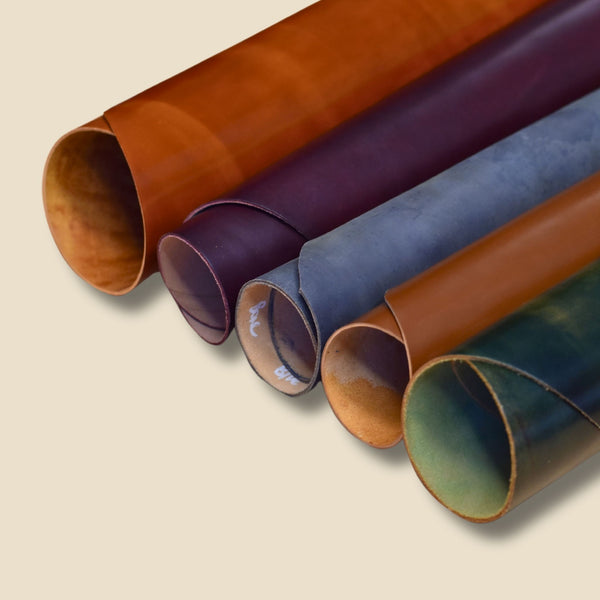
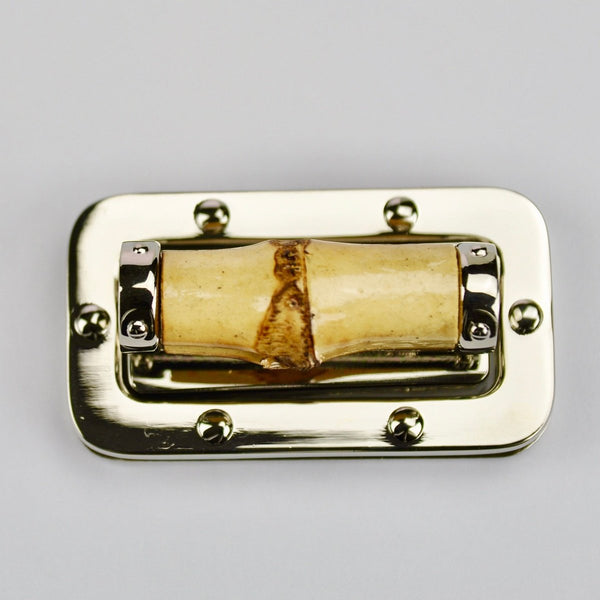
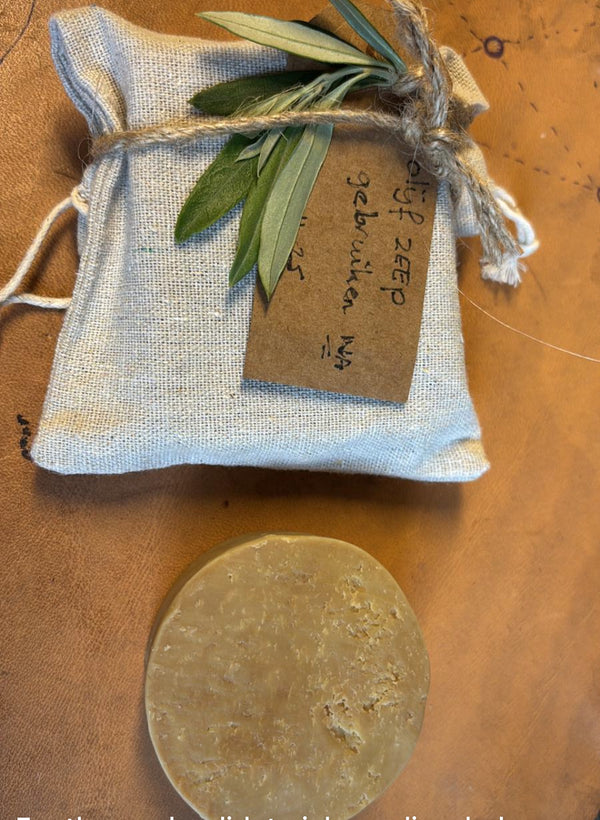
Harness Leather: The Artisan’s Guide to Sourcing and Crafting Heavy-Duty Gear
Why are the most rugged leather projects often held back by logistics rather than a lack of skill? For many European makers, sourcing genuine harness leather feels like a constant battle against high shipping fees and massive minimum orders from overseas suppliers. You shouldn't have to wait weeks for a package to clear customs just to get the quality your craft deserves.
We understand that the right material is the soul of your work. You want that specific, waxy feel and weather-resistant finish for your heavy-duty gear, but the confusion between harness, bridle, and latigo often makes the selection process harder than it needs to be. It's frustrating when you're forced to buy more than you need just to get started on a single project. You deserve a partner who respects your craft enough to offer premium materials without the hurdles.
This guide will help you master the technical characteristics of harness leather and show you how to source premium, vegetable-tanned leather for your most durable projects. We'll explore the specific waxes and oils used in the tanning process and show you how to find a reliable EU-based supplier that offers small quantities. From choosing the right leather hardware to selecting the perfect hide, you're about to gain the clarity needed to elevate your workshop.
Key Takeaways
- Discover why the unique "hot stuffing" process makes harness leather the king of durability for outdoor and heavy-duty applications.
- Master the technical differences between harness, bridle, and latigo to ensure you choose the right level of oil content for your craft.
- Learn the importance of traditional vegetable tanning agents like mimosa and chestnut in creating authentic, long-lasting gear.
- Identify the specialized tools and finishing techniques required to handle the thickness and high wax content of premium hides.
- Find out how to source high-end Italian hides within the EU without the burden of minimum order quantities or expensive customs fees.
What is Harness Leather? Defining the King of Durability
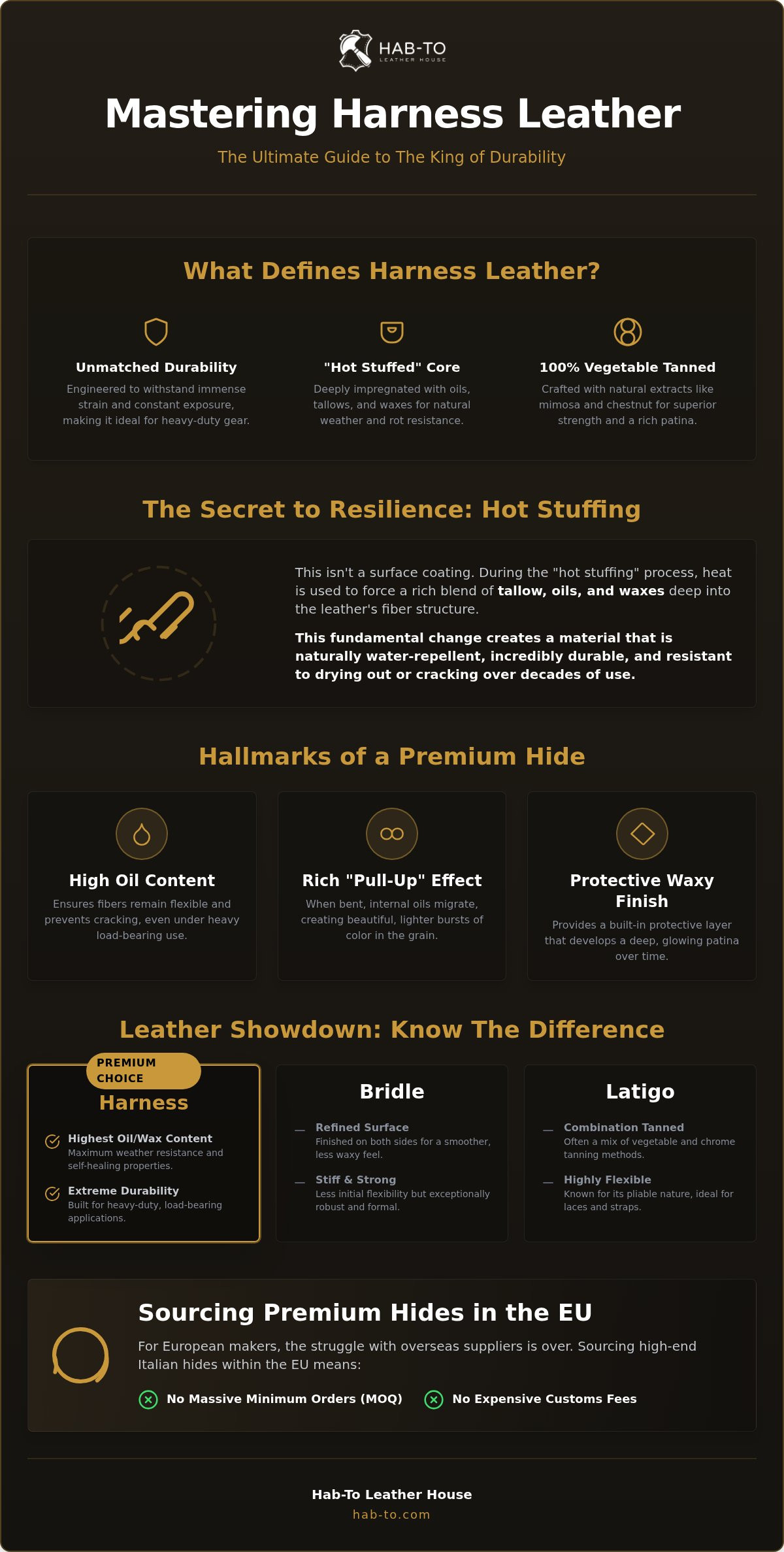
Harness leather stands as the undisputed king of durability in the world of traditional craft. It is a heavy-duty, vegetable-tanned material that has been "stuffed" with a high concentration of oils and waxes during the tanning process. Historically, this leather was engineered to withstand the immense strain and constant environmental exposure of a horse harness. Because it was designed for survival in the field, it possesses a structural integrity that few other materials can match. At Hab-To Leather House, we maintain a strict 100% vegetable-tanned policy. We don't stock chrome-tanned or synthetic alternatives because they simply can't replicate the tradition, strength, or aging potential of authentic harness hides.
The defining technical stage of production is known as "hot stuffing." Tanneries take the base vegetable-tanned hide and use heat to force tallow, oils, and waxes deep into the fiber structure. This isn't just a surface treatment; it's a fundamental change to the leather's chemistry. This process creates a material that naturally repels water and resists rot. It's the gold standard for the equestrian industry, high-end footwear, and heavy leather for bags that need to survive the elements for decades.
The Physical Characteristics of a Premium Hide
When you handle a premium piece of this leather, you'll immediately notice its unique sensory profile. It feels substantial and slightly waxy to the touch, yet it remains remarkably flexible despite its thickness. A few key traits define a top-tier hide:
- High Oil Content: This ensures the fibers don't crack or become brittle, even when used for load-bearing straps.
- Pull-up Effect: When the leather is bent or folded, the internal oils migrate, creating beautiful, lighter bursts of color in the grain.
- Waxy Surface: The finish provides a built-in protective layer that develops a deep, glowing patina over time.
Why Artisans Choose Harness Over Standard Veg-Tan
While standard vegetable-tanned leather is beautiful, it can sometimes be prone to water spotting or excessive stretching under load. Artisans choose harness leather when the project demands "rugged luxury." It offers superior weather resistance, making it the perfect choice for outdoor gear or everyday carry items that see heavy use. Because the grain is so tight and the stuffing process is so thorough, leather for belts made from harness will resist sagging and maintain its shape for a lifetime. It's a choice for makers who want their work to be inherited, not replaced.
The Tanning Process: How Authentic Harness Leather is Made
Authentic harness leather begins its journey in pits filled with natural extracts. Tree barks like mimosa and chestnut provide the tannins that transform raw hides into a stable, durable material. Unlike chrome tanning, which relies on heavy metals, this plant-based method is slow and respectful of the hide's fiber structure. It's an environmental choice that pays off in the longevity of the final product. You can smell the difference; it's earthy and rich, not chemical.
Once the tanning is complete, tanneries like Conceria Virgilio enter the "stuffing" phase. This is where the material gains its legendary resilience. They add heavy doses of tallow and waxes deep into the hide. Hot stuffing is the process of impregnating hides with oils at high temperatures for maximum durability. This ensures every single fiber is coated, creating a material that won't dry out or crack even after years of exposure to the elements. This deep saturation is what gives the leather its characteristic pull-up effect when you bend it.
Sustainable Sourcing: The Tuscan Consortium Standard
The "Pelle Conciata al Vegetale in Toscana" mark is more than just a label. It's a guarantee of authenticity and ethical production from the Tuscan Vegetable Tanning Consortium. This standard ensures no chrome (VI) is used, which is critical given the strict EU REACH regulations. As of January 1, 2026, the EU has implemented even tighter bans on chromium (VI) in leather articles that contact the skin. By sticking to traditional vegetable tanning, we ensure our harness leather is safe for both the maker and the end user. We've built our reputation on this chrome-free policy because we believe in materials that last for generations.
The Role of Weight and Thickness (Millimeters)
Choosing the right thickness is vital for the success of your gear. Harness leather typically ranges from 2.0mm for lighter straps up to 4.5mm for heavy-duty equestrian tack. Different tanneries use specific oil blends to achieve various levels of firmness. Some hides feel supple and ready to use, while others are rigid and require a break-in period. Understanding these nuances helps you avoid making a choice that's too heavy or too flimsy for your specific design. If you're unsure which thickness fits your project, check out our guide on Understanding Leather Weights and Millimeters. If you're just starting out, you might find our curated leather bundles a great way to test different weights without the risk.
Harness vs. Bridle vs. Latigo: Choosing the Right Leather
Choosing the right material for a project often comes down to understanding the chemistry within the hide. While they all fall under the umbrella of heavy-duty craft, harness, bridle, and latigo each serve a distinct purpose. Harness leather is the heavyweight champion of oil content. It's rugged, weather-ready, and possesses that classic "pull-up" effect we discussed earlier. It's the material you reach for when the finished piece needs to survive a storm or a decade of hard labor.
Bridle leather is the more refined cousin. It has a smoother, more consistent finish with less surface oil. It's the standard for luxury leather for belts where a high-shine, polished look is the priority. Latigo leather sits in a unique spot. While many suppliers offer combination-tanned versions, we only stock 100% vegetable-tanned latigo to maintain our commitment to traditional quality. It's exceptionally supple and flexible right off the shelf, making it a favorite for gear that needs to move with the body. For a deeper look at these technical distinctions, explore our guide on Latigo Leather vs. Bridal Leather: Key Differences.
Performance in the Workshop
How these leathers behave under your tools will vary significantly. If you're looking for a glassy, professional edge, harness leather wins every time. The high wax content means it burnishes almost effortlessly with just a little friction and a wood slicker. However, that same wax can be a challenge during the stitching phase. You'll find that needles can gum up slightly, so using a high-quality thread and a sharp diamond awl is essential. When it comes to stamping or tooling, the oily nature of these hides means they don't hold fine, hairline details as well as a drier Vaccheta leather, but they excel at bold, deep impressions that won't fade over time.
Project Matchmaking Guide
Matching the leather to the job is an art form in itself. Here's how I usually break it down for makers who visit the shop:
- Best for Belts: Use bridle for a sophisticated suit belt; use harness for a 4.0mm thick, indestructible work belt.
- Best for Pet Gear: Harness is the clear winner here. Its deep oil saturation protects the fibers against animal sweat and rain.
- Best for Bags: Latigo is perfect for gussets or straps where you need immediate flexibility. For structured bag bodies, our lighter weight horse hide panels offer a great alternative with similar durability.
Don't be afraid to experiment with different weights. Sometimes a project calls for the strength of harness but the refinement of a lighter cut. If you're feeling stuck on which one to pick, I'm always available for a free video consultation to help you look at the specific hides we have in stock.
Essential Tools and Materials: What You Will Need
Working with harness leather is a rewarding challenge that requires a respect for its sheer density. Because these hides are "hot stuffed" with a high concentration of waxes, they offer a resistance that standard garment or thin bag leathers don't possess. Your tools need to be sharp enough to bite into 4mm+ fibers without wandering. High-quality needles and heavy-duty thread are essential; cheap alternatives will often snap or fray when faced with the friction of a waxy grain. To ensure your project has the professional finish it deserves, you must prepare your bench with the right kit before making your first cut.
What You Will Need
- Burnishing Agent: Tokonole for flattening fibers and creating a glassy edge.
- Edge Preparation: Precision edge bevelers to remove the sharp corners of heavy hides.
- Adhesive: Ecostick 1804 Leather Glue for a strong, water-based bond that won't peel.
- Stitching Gear: A stitching bundle featuring bonded polyester thread to handle high tension.
- Professional Finish: Curated product bundles for finishing, including glass slickers and canvas cloths.
- Hardware: Solid brass buckles and D-rings to match the durability of the leather.
Cutting and Stitching Heavy Hides
Cutting through a thick shoulder requires a stable blade that won't flex mid-stroke. If your knife wanders, you'll end up with a slanted edge that is nearly impossible to burnish correctly later. I recommend using robust pricking irons or diamond awls to pre-punch your holes. This prevents the "gumming up" effect that can happen when a needle tries to force its way through a heavily waxed hide. When stitching harness leather, maintain consistent tension. The internal waxes will actually help lock your stitches in place, creating a seam that is as weather-resistant as the leather itself.
The Finishing Toolkit
The edge is where your craftsmanship truly shines. Because of the high oil content, harness leather burnishes more easily than almost any other material, provided you use the right technique. I start by applying a thin layer of Tokonole to the beveled edge. Using a hardwood or glass slicker, you can generate the friction heat necessary to melt the surface waxes into a permanent, translucent seal. This doesn't just look beautiful; it protects the internal fibers from moisture and sweat. Finish by buffing the surface with a soft cloth to bring out the natural glow of the patina.
Sourcing Premium Harness Leather in Europe with No MOQ
Finding high-end harness leather often feels like a logistical nightmare for makers in the European Union. Most global wholesalers require you to purchase a full hide, which is a massive investment if you only need a few straps or a single belt. I've seen too many artisans settle for inferior materials simply because the barrier to entry for premium hides was too high. At Hab-To Leather House, we've removed those barriers. We operate with a strict no minimum order quantity (MOQ) policy. Whether you need a full side or just a few square decimeters, we provide the same professional-grade quality to every customer.
Sourcing within Europe also eliminates the hidden costs and headaches of international trade. You won't have to deal with customs delays, unpredictable import duties, or the high carbon footprint of shipping across the Atlantic. We provide 24-48 hour delivery within the EU from our base in Amsterdam. This speed allows you to keep your workshop lean and responsive to custom orders. My personal guarantee is backed by 25 years of hands-on experience and a family legacy in the leather trade dating back to 1857. Every cut we make is handled with the respect that this traditional material deserves.
Custom Cuts: Panels and Shoulders
Buying exactly what you need is the most sustainable way to run a workshop. We offer custom panels and shoulders, allowing you to source specific quantities of harness leather for your designs. If you're focusing on accessories, you can Shop Leather for Belts and select only the amount required for your production run. This flexibility keeps your overhead low and your quality high. For those new to digital sourcing, our Buying Leather Online Guide offers a deep dive into how to read hide maps and calculate your yield.
Expert Support for Your Next Project
I believe that choosing leather should be a personal experience. If you're in the Amsterdam area, you're always welcome to visit our showroom to feel the texture and weight of our hides in person. For our customers across Europe, I offer a digital version of this experience. You can Book your free consultation with Mike today to discuss your specific project needs. We can hop on a video call to look at the current stock together, ensuring you get the exact tannage and thickness your craft demands. We're here to support your growth as an artisan, one project at a time.
Elevate Your Craft with Time-Honored Durability
Mastering the technical nuances of harness leather is the first step toward creating gear that outlasts its owner. You now understand how the specialized hot-stuffing process creates a material that thrives in the harshest elements. You also know exactly which tools are required to handle its waxy density and how to achieve that professional, glassy edge. Transitioning from generic materials to artisan-grade hides shouldn't be a logistical struggle for any European maker.
At Hab-To Leather House, we bring over 160 years of family heritage directly to your workbench. We provide 24-48 hour shipping across the EU so you can stay focused on your projects without the frustration of customs delays. If you're still deciding on the perfect weight or tannage for your next design; I'm here to help through a free expert consultation. We're committed to helping you find the exact piece you need; no matter how small the project.
Your journey from a curious hobbyist to a master artisan is built on the quality of the materials you choose. It's time to build something that carries your legacy forward.
Frequently Asked Questions
What is the best thickness of harness leather for a belt?
The ideal thickness for a heavy-duty work belt is between 3.5mm and 4.5mm. This weight ensures the strap holds its shape under the weight of tools or accessories without sagging over time. Because harness leather is saturated with oils, it remains flexible even at these higher weights. It's the perfect choice for makers who want a rugged, indestructible look that develops a deep patina over years of daily use.
Does harness leather need to be conditioned before use?
You don't need to condition this leather before you start your project. The hot stuffing process already saturates the fibers with a high concentration of tallow and waxes. Adding more conditioner immediately can over-saturate the hide and make it feel gummy or overly soft. It's best to let the natural oils do their work first. You only need to apply care products after the finished piece has seen significant wear and environmental exposure.
Can I tool or stamp harness leather effectively?
Stamping is possible, but the high oil content means it won't hold hairline details as crisply as drier hides. It's excellent for bold, deep impressions and maker marks. The waxy surface creates a beautiful contrast when struck with force. I recommend casing the leather slightly less than usual. This prevents the fibers from becoming too soft, ensuring your stamps remain clear and don't fade as the leather ages.
Is harness leather waterproof for outdoor use?
While no natural material is 100% waterproof, this leather is highly water-repellent. The waxes forced into the hide create a natural barrier that causes water to bead off the surface. This makes it the premier choice for outdoor gear and accessories that face rain or snow. It resists rot and salt damage better than standard leathers. Just let it dry naturally away from direct heat if it gets soaked in the field.
Why is harness leather more expensive than standard veg-tan?
The higher price reflects the intensive labor and premium ingredients required for hot stuffing. Tanneries use significant amounts of high-quality tallows and waxes that aren't present in standard hides. At Hab-To Leather House, we only stock hides selected for their structural integrity and grain clarity. You're investing in a material engineered for extreme durability, which significantly reduces the need for repairs or replacements in the future.
How do I remove excess wax from the surface of harness leather?
If you notice a white, waxy film on the surface, don't worry. This is called bloom, and it's a sign of a high-quality, oil-rich hide. You can easily remove it by buffing the surface with a soft cloth or a horsehair brush. If the wax is particularly stubborn, a light application of heat from a hairdryer will help the oils melt back into the fibers. It's a natural characteristic of the protective barrier.
What is the difference between harness and latigo leather?
The main difference lies in the flexibility and surface finish. Harness leather is generally firmer and has a higher wax content, while latigo is much more supple right off the shelf. We only stock 100% vegetable-tanned versions of both to ensure the highest quality. Latigo is often preferred for gear that requires immediate movement, whereas harness is the standard for structured, load-bearing straps and heavy-duty tack, such as handmade western headstalls.
Can I use a domestic sewing machine on 10oz harness leather?
You shouldn't use a domestic sewing machine for 10oz hides. The density of these materials will likely break your needles or damage the motor of a standard home machine. For leather of this caliber, hand stitching is the traditional and most reliable approach. If you prefer machine work, an industrial cylinder arm or flatbed machine designed specifically for saddlery is required to penetrate the thick, waxy fibers.
Expand Your Expertise
Continue your journey into the world of traditional leatherwork with these in-depth guides from our experts:
- Equestrian Leathers and Hardware: A Sourcing Masterclass
- Buying Leather Online: The Professional Artisan’s Guide
Essential Supplies for Your Harness Project
Ready to start your next heavy-duty build? We've curated the best materials and tools to help you succeed:
- Premium Vegetable-Tanned Leather for Belts
- Solid Brass Buckles and Equestrian Hardware
- Leathercraft Master Bundle (Includes Tokonole and Glue)
- Professional Hand Stitching Bundles
Disclaimer
All our blog articles are made for information purposes only we dont take responsability for any content from third parties.