

The Art of Pride: Why Handmade Leather Goods Command Such Lasting Respect
Have you ever wondered why a "genuine leather" belt from a big-box retailer starts cracking after just 90 days of use? It's a frustrating experience that leaves you feeling disconnected from the items you carry every day. Hi, I'm Mike, and at Hab-To, we believe you deserve better than soulless, mass-produced accessories. There is a profound, visceral satisfaction in feeling proud of handmade leather goods, especially when you know the item was crafted to last a lifetime rather than a single season.
I agree that the modern market is cluttered with confusing grades and chemical-heavy tanning methods that mask poor quality. It's time to clear up that confusion. In this article, I'll show you the emotional and physical reasons why handmade items command such lasting respect. You'll discover the unmatched value of vegetable-tanned leather and learn exactly how to identify high-quality materials. We'll also look at how my family's 160 years of experience in the Amsterdam leather trade can inspire you to pick up the tools and start your own leatherworking journey today.
Key Takeaways
- Understand the psychological "Endowment Effect" and why the human touch creates an emotional bond that mass production can never replicate.
- Learn why vegetable-tanned leather is the non-negotiable gold standard for those who refuse to compromise on material integrity and longevity.
- Discover how the natural patina process creates a unique "visual diary," ensuring you keep feeling proud of handmade leather goods as they evolve over time.
- Identify the essential first steps to transition from a buyer to a maker and begin crafting your own legacy with professional results.
- Leverage 160 years of Amsterdam-based family expertise to select the premium, hand-selected materials your craftsmanship deserves.
What Does Feeling Proud of Handmade Leather Goods Actually Mean?
Pride isn't a feeling reserved for the person who spent forty hours at a workbench. It's a shared experience between the artisan and the person who carries the finished piece. When you hold a vegetable-tanned wallet, you aren't just holding a utility item; you're holding a narrative of patience. This deep emotional connection stems from the knowledge that every mark on the hide was chosen or preserved by a human eye. You're feeling proud of handmade leather goods because they represent a rejection of the "disposable" culture that dominates 2024 retail.
Psychologists often point to the "Endowment Effect" to explain this bond. A 2011 study by researchers Norton, Mochon, and Ariely found that people value objects more highly when they've witnessed or participated in the labor behind them. Mass production is soulless because it lacks a pulse. A machine doesn't care about the grain of the leather or the tension of the thread. An artisan piece, however, carries the "story" of the maker. This pride begins long before the first cut, starting with the selection of raw, premium materials that prioritize quality over cost.
To better understand this concept, watch this helpful video:
The Psychology of the Maker vs. the Owner
Creating something tangible boosts mental well-being by providing a sense of agency. For the owner, feeling proud of handmade leather goods is about alignment. You carry a piece that reflects your personal values, like sustainability and respect for tradition. We don't look for factory perfection. We look for the subtle, human variations in the grain that prove a person, not a program, made the final call. It's about carrying a legacy of skill in your pocket.
Handmade vs. Machine-Made: Beyond the Surface
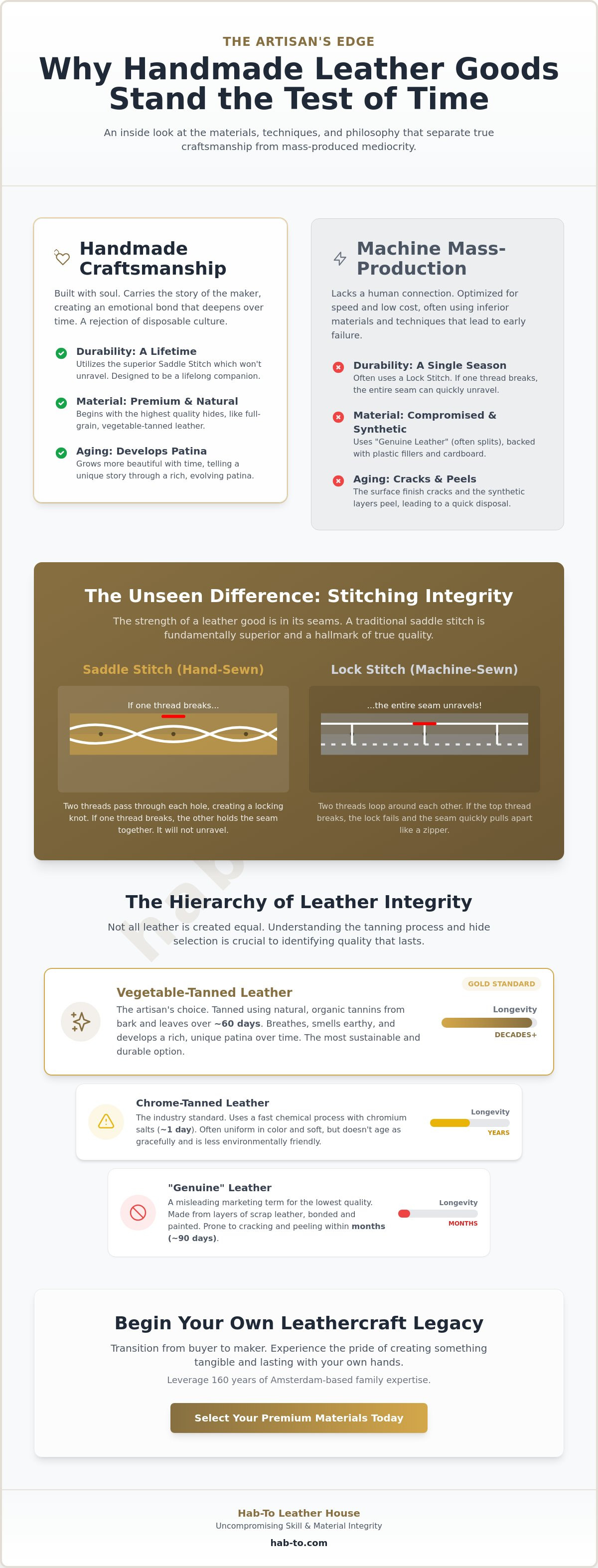
The technical difference is staggering. A machine uses a lock-stitch, where two threads loop around each other. If one thread breaks, the whole seam unravels. Traditional leather crafting techniques utilize the saddle stitch. This requires two needles passing through the same hole. It's technically superior because it won't unravel even if a stitch is severed. These visual cues of quality, like hand-burnished edges and angled stitches, command immediate respect from onlookers who recognize true expertise. Artisan pride is the intersection of uncompromising skill and material integrity.
Why Material Integrity is the Foundation of Artisan Pride
No synthetics. No compromises. This isn't just a catchy slogan; it's the bedrock of the Hab-To philosophy. You can't create a piece that lasts generations if you start with cardboard or plastic-backed fillers. True artisan pride begins long before the first stitch is cast. It starts with selecting a hide that respects the history of leatherworking as a patient, natural process. When you use inferior materials, the finished product lacks soul. It feels disposable. But when you start with quality, you're building a legacy.
For many makers, vegetable tanned leather represents the absolute pinnacle of material integrity. Unlike chrome-tanned alternatives that rely on heavy metals and quick chemical baths, veg-tan uses organic tannins from tree bark and leaves. This process can take up to 60 days of soaking and rotating. The result is a material that breathes, smells of the earth, and develops a unique patina over time. Choosing hides from world-class tanneries like Horween in Chicago or Badalassi Carlo in Tuscany ensures that your materials are ethically sourced and eco-conscious. Knowing your work won't end up in a landfill in five years is essential for feeling proud of handmade leather goods.
The Magic of Shell Cordovan
Often called the "King of Leathers," Shell Cordovan is in a league of its own. It isn't actually skin, but a specific fibrous flat muscle from the hindquarters of a horse. The tanning process takes a full six months of labor-intensive work to achieve its signature mirror-like finish. Because it's non-porous and incredibly dense, it doesn't crease; it ripples. Working with Shell Cordovan offers a rare sense of prestige. It's a material that demands respect and rewards the maker with unparalleled durability and shine.
Full-Grain vs. "Genuine" Leather
Marketing can be deceptive. The term "Genuine Leather" is often a trap for the uninitiated, representing the lowest quality of real leather available. It's usually made from split hides glued together and painted to look uniform. In contrast, full-grain leather keeps the entire grain layer intact, including the natural markings and scars that tell the animal’s story. Understanding these leather grades is the first step in avoiding project failure and buyer regret. There's a deep satisfaction in feeling proud of handmade leather goods that showcase the raw, honest beauty of the material. If you're ready to start your next project with the right foundation, browse our premium hide selection to find the perfect match for your vision.
The Patina Effect: Why Quality Leather Gets Better with Time
A patina is more than just a change in color; it's a visual diary of every journey you've taken. When you choose vegetable-tanned leather, you aren't buying a finished product. You're starting a collaboration. This specific tanning process uses organic tannins from sources like oak or mimosa bark. Over time, these tannins react to sunlight and the natural oils from your hands. The leather darkens, softens, and develops a lustrous sheen that's impossible to replicate in a factory.
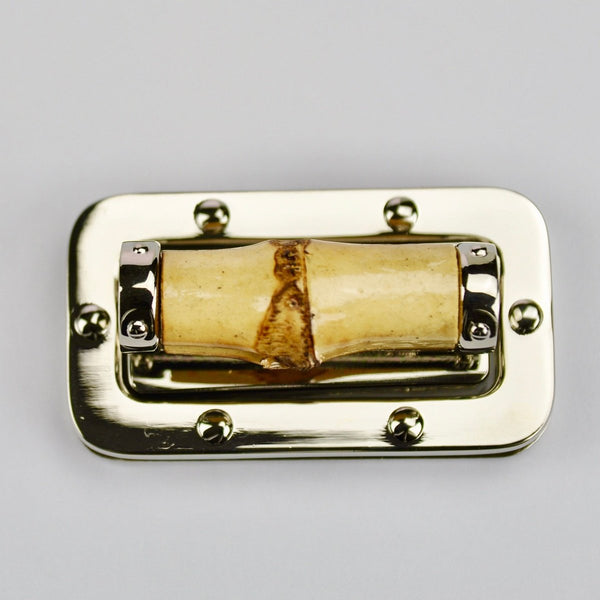
There's a deep sense of satisfaction in seeing a piece evolve. Most people find themselves feeling proud of handmade leather goods more after three years of use than on the day of purchase. A brand-new wallet is a blank slate, but an aged one represents consistency and history. This evolution isn't limited to the hide. High-grade hardware, specifically solid brass, develops its own muted gold character. It doesn't peel or rust like the cheap plated metals found in mass-produced items. It ages in harmony with the leather, growing more distinguished with every decade.
Developing Your Own Unique Finish
Every habit leaves a mark. If you carry your wallet in raw denim, the indigo dye will eventually bleed into the leather, creating deep blue undertones. Friction from your pocket buffs the surface, while the oils from your palms act as a natural sealant. Chrome-tanned leather, which accounts for roughly 90% of global production, lacks this ability. Because it's processed with chromium salts and coated in heavy pigments, it simply wears out instead of wearing in. To earn a true patina, you simply need to use the item daily. Minimal interference is often the best strategy for a beautiful result.
Caring for the Legacy
Maintenance isn't a chore; it's a ritual. Applying a high-quality conditioner every six months keeps the fibers supple and prevents cracking. This process offers a moment of mindfulness, allowing you to inspect the wear and appreciate the stories etched into the grain. Because we use solid hardware and premium hides, these pieces are built to outlast fast-fashion trends. You're not just maintaining a tool; you're preserving a legacy. This long-term relationship is why feeling proud of handmade leather goods becomes a permanent state of mind for the owner. It's about respecting the material enough to help it reach its full potential.
Transitioning from Buyer to Maker: The Pride of Crafting Your Own
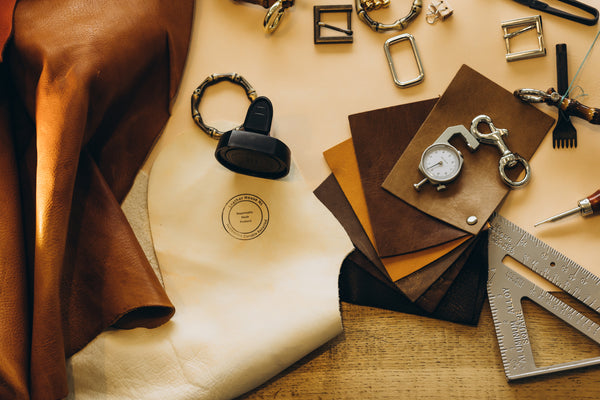
Appreciating a fine wallet is one thing, but making it is another. You've felt the texture and smelled the tannins of professional work. Now, it's time to cross the line from collector to creator. This shift changes your perspective entirely. You stop seeing a product and start seeing the hours of labor, the tension of the thread, and the character of the hide. There is a profound sense of accomplishment in feeling proud of handmade leather goods that you built with your own two hands.
Beginner's fear is common, but it's usually just a lack of a clear starting point. You don't need a 500-euro tool kit to begin this journey. You just need a small project, like a keychain or a simple cardholder. These small wins build the muscle memory required for larger builds. By starting small, you minimize waste and maximize the learning curve. It's about the process, not just the finished piece.
Choosing the Right Starting Materials
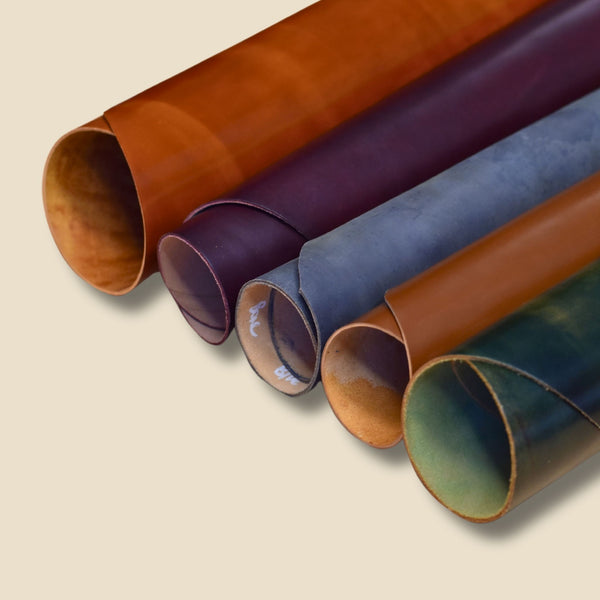
Most traditional wholesalers demand high minimum orders. This gatekeeping stops many talented makers before they even buy their first awl. At Hab-To, our "No Minimum Order" policy removes that barrier. You can buy exactly what you need for one project without a massive upfront investment. For your first build, I recommend vegetable-tanned leathers like Pueblo or Buttero. Pueblo is particularly forgiving because its unique, buffed surface hides minor scuffs, while Buttero offers a crisp, professional finish that ages beautifully. Along with the hide, you'll need essential leather hardware like solid brass snaps or rivets to ensure your project lasts as long as the leather itself.
The First Stitch: A Rite of Passage
The saddle stitch is where the magic happens. Unlike a sewing machine, which uses two separate threads that can unravel if one breaks, a hand-sewn saddle stitch uses a single thread with two needles. It's a meditative process. You'll find a rhythm in the repetitive motion. The moment your flat, 2D pieces of leather transform into a 3D functional object is a genuine thrill. Don't worry about perfect lines yet. If a stitch is slightly crooked, it's a mark of the human hand. These imperfections are what make feeling proud of handmade leather goods possible; they prove the item wasn't spat out by a factory machine. Every mistake is just a lesson for the next project.
Ready to start your first project? Explore our premium leather collections and start your crafting journey today.
Crafting Your Legacy with Hab-To Leather House
Hi, I'm Mike. At Hab-To Leather House, we don't just sell hides; we share a 160-year family legacy rooted in the heart of Amsterdam. This history isn't just a number. It represents generations of expertise passed down since our family first started working with premium materials. We understand that the ultimate reward of feeling proud of handmade leather goods comes from the confidence that your materials are as authentic as your skills. Every hide in our collection is hand-selected to ensure it meets the highest standards of durability and character.
Our philosophy is simple: No synthetics. No compromises. We believe that a project's integrity begins with the raw material. If you start with plastic-coated or low-grade leather, the finished piece will never achieve that soulful patina crafters crave. We support artisans of all levels, from world-class professionals to those picking up a needle for the first time. If you feel overwhelmed by the choices, I invite you to book a personal consultation. We'll sit down, discuss your vision, and find the specific temper and weight that fits your hands perfectly.
Why We Don’t Have Minimum Orders
Many traditional wholesalers only cater to large factories, leaving the individual artisan behind. We changed that. By offering no minimum order requirements, we empower you to access the same premium quality used by global luxury brands without a massive financial hurdle. This approach significantly reduces leather waste. You buy exactly what your project requires, ensuring 100% of your investment goes into your craft.
We've built more than a shop; we've built a community. Our Amsterdam showroom is a place for connection, and for those further away, "The Leather Hour" podcast brings the workshop to your ears. We talk about the technical nuances of vegetable-tanned leathers and the stories of the people who use them. It's about sharing the knowledge that makes this trade survive and thrive.
Start Your Proudest Project Today
The biggest obstacle to feeling proud of handmade leather goods is often the fear of making the first cut. My advice is straightforward: pick one high-quality hide, one reliable tool, and just start. You don't need a massive workshop to create something that lasts a lifetime. You just need the right foundation.
If you need a spark of creativity, our blog is filled with technical guides and inspiration to help you master new techniques. Whether you're curious about the pull-up effect of a specific oil-tanned leather or the best way to burnish an edge, the resources are there for you. As I always say: "Quality materials make the craftsman." When you work with the best, the leather does half the work for you. Let's build something that carries your name for the next century.
Begin Your Leatherworking Journey Today
Real craftsmanship starts with materials that refuse to compromise. When you choose premium hides, you're investing in a story that develops a rich patina over decades instead of falling apart in months. This deep connection to quality and material integrity is the foundation of feeling proud of handmade leather goods. At Hab-To Leather House, we back your creative process with 160+ years of family expertise handed down through generations. We've removed the common barriers for independent makers by offering no minimum order requirements. This means you can focus on the art itself without worrying about industrial-sized overhead. You can even visit our Amsterdam-based showroom for personal consultations where we help you select the exact grain and temper needed for your specific vision. You don't need a massive factory to create a masterpiece; you just need the right partner and the best raw materials. It's time to stop settling for mass-produced items and start building something that reflects your own standards of excellence.
Browse our hand-selected leathers and start your own legacy project today
Your next great creation is waiting to be realized, and we're here to help you every step of the way.
Frequently Asked Questions
Why is handmade leather so much more expensive than store-bought?
Handmade leather costs more because of the intense labor and premium materials involved. A single hand-stitched wallet can take 4 to 6 hours of focused work, whereas a factory machine produces hundreds in that same time. Artisans use full-grain vegetable-tanned hides that cost 3 times more per square foot than the "genuine leather" scraps found in mass-market goods. No synthetics. No compromises. You're paying for a product designed to last 20 years instead of two.
Does "handmade" always mean better quality?
It depends on the construction, but handmade items usually offer superior durability through the saddle stitch. While a sewing machine creates a lockstitch that can fully unravel if one thread breaks, a hand-sewn saddle stitch remains secure because two independent threads pass through every hole. You'll find that feeling proud of handmade leather goods comes from this structural integrity. It's the difference between a temporary accessory and a lifelong companion.
How can I tell if a leather product is truly hand-stitched?
Look for slight angles in the thread and the absence of "bridge" marks from a machine presser foot. Hand-stitched items feature a slanted appearance on both sides of the leather because of the diamond-shaped chisels used by the maker. Machine stitches are usually perfectly straight on the bottom and uniform to a fault. If you see a knot at the end of a seam that's been carefully melted or tucked, it's a sign of manual craft.
What is the best leather for a beginner to feel proud of their first project?
Vegetable-tanned tooling leather in a 1.2mm to 1.6mm thickness is the best starting point for any new maker. This material is firm enough to cut accurately and holds its shape while you're learning to stitch. Using a premium hide like Buttero or Pueblo provides a forgiving surface that develops a deep patina quickly. You'll experience feeling proud of handmade leather goods when you see your first edges burnish to a glass-like shine with just a wooden slicker.
Can I really make high-quality leather goods at home?
Yes, you can achieve professional results in a workspace as small as 2 square meters. High-end leatherwork relies on patience and sharp hand tools rather than heavy industrial machinery. By mastering the 3 core skills of clean cutting, straight stitching, and smooth edge finishing, you can produce items that outperform luxury brands. Many legendary artisans started on their kitchen tables with a basic kit of 5 essential tools.
What happens if my handmade leather gets wet or scratched?
Scratches often buff out with the natural oils from your skin, while water requires simple air drying. Vegetable-tanned leather is incredibly resilient. If it gets soaked, wipe away the excess moisture and let it dry naturally away from direct heat sources. Applying a natural conditioner every 6 months maintains the 10% to 15% moisture content needed to keep the fibers flexible. These marks aren't defects; they tell the story of your journey.
Why does vegetable-tanned leather smell so different from cheap leather?
The earthy scent comes from natural tannins found in tree bark, such as oak or mimosa, used during the 60-day tanning process. Cheap, mass-produced leathers use chromium salts and harsh chemicals that produce a metallic or plastic odor. Real veg-tan leather has a woody aroma that remains for years. It's a hallmark of a sustainable process that avoids 100% of the synthetic pollutants found in fast-fashion alternatives.
How do I start a leatherworking hobby without spending a fortune?
Focus on a "minimalist kit" containing a sharp knife, two needles, a wing divider, and a spool of bonded thread. You don't need a 50-piece toolset to make your first cardholder or belt. Start by buying "bellies" or small scraps, which are often 40% cheaper than full hides. This approach lets you master the craft without a massive upfront investment. Mike’s advice is simple: buy quality tools once rather than cheap ones twice.