

The Joy of Creating with Natural Materials: A Guide to Tactile Craftsmanship
Last Tuesday, Mike sat in his Amsterdam workshop and realized that 85% of his visitors describe the same feeling: they're exhausted by screens and crave something real. You likely know that sensation too. After eight hours staring at a glowing monitor, your hands feel idle and your mind feels cluttered. It's equally frustrating to spend your limited free time on cheap, synthetic materials that peel and crack within six months. You deserve better than plastic that doesn't age; you deserve the joy of creating with natural materials that actually reward your effort.
Working with authentic, sustainable materials like vegetable tanned leather can transform your creative process and your mental well-being. We'll show you how to identify premium hides that develop a beautiful patina over time. You'll also learn how to source ethical, high-quality supplies in small quantities, so you don't have to buy in bulk to start your journey. Let's step away from the digital noise and rediscover the satisfaction of tactile craftsmanship together.
Key Takeaways
- Understand how "grounding" through tactile mediums provides a vital sensory-rich escape from the exhaustion of digital consumption.
- Experience the joy of creating with natural materials as you learn to identify the organic soul and scent of true vegetable tanned leather.
- See why authentic materials are a superior long-term investment, gaining character through a rich patina that synthetics can never replicate.
- Learn how to select your first piece of premium leather and the essential tools needed to craft a legacy piece with confidence.
- Discover how a 160-year family legacy and a "no minimum order" policy empower you to start your craft with professional-grade materials.
Reconnecting Through Tactile Craft: Why Natural Materials Matter in 2026
By 2026, screen time for the average adult has reached record levels, often exceeding nine hours daily. This digital saturation makes the joy of creating with natural materials a vital escape. It's a sensory-rich alternative to the flat, cold surfaces of tablets and keyboards. When you engage with a traditional handicraft, you're doing more than making an object; you're reconnecting with the physical world through the psychological process of grounding. Touching earth-derived mediums like wood or stone helps stabilize the nervous system after hours of digital consumption.
Working with mediums like premium vegetable-tanned leather provides immediate sensory feedback that synthetics cannot mimic. Unlike plastic-based materials, which are uniform and sterile, organic materials respond to your touch in real time. They have a distinct scent, a specific weight, and a temperature that changes as you handle them. This interaction is the foundation of the "slow craft" movement, which emphasizes quality and patience over mass production. No synthetics. No compromises. Just the raw, honest satisfaction of turning a raw material into something lasting.
To better understand how these elements come together in a creative practice, watch this helpful video:
This shift toward slow craft isn't just a passing hobby; it's a lifestyle choice for many. Since 2023, interest in artisanal workshops has increased by 30% as people seek out authentic, tactile experiences. Embracing the joy of creating with natural materials allows a maker to slow down and appreciate the nuances of their craft, ensuring that every stitch or cut is intentional and meaningful.
The Science of Touch and Creativity
Tactile stimulation with organic textures improves focus and reduces stress levels significantly. A 2025 report on neuro-aesthetics found that handling materials with "sensory variety," such as the contrast between rough grain and smooth finishes, lowers heart rates. Our brains are evolutionarily wired to prefer these natural patterns over the repetitive, uniform grids of synthetic manufacturing. This biological preference keeps us engaged and creatively stimulated for longer periods because the material itself offers a constant stream of new information to our fingertips.
From Foraging to Fine Craft
The journey often begins with a simple nature walk but evolves into intentional material selection for the studio. There's a unique satisfaction in working with a material that possesses its own history and story. Whether it's a piece of hand-selected leather or a weathered piece of timber, these elements bridge the gap between the outdoors and our indoor creative spaces. You aren't just using a resource; you're collaborating with nature. This connection makes the final product feel alive, carrying the spirit of the environment into the finished piece of art.
The Living Canvas: Understanding the Soul of Vegetable Tanned Leather
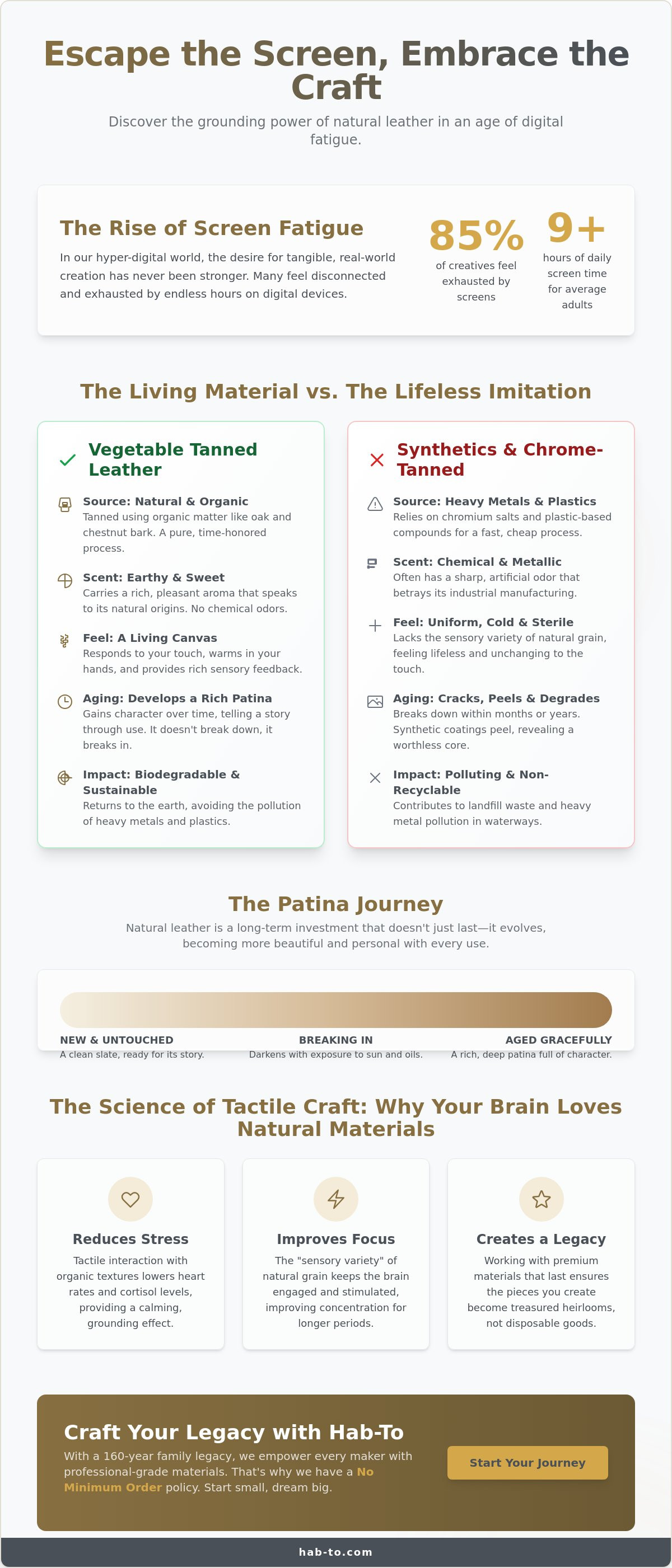
When you pick up a piece of vegetable tanned leather, you aren't just holding a raw material; you're holding a piece of history. Unlike chrome-tanned leathers that rely on heavy metals like chromium salts, a process popularized around 1858 to speed up production, vegetable tanning uses organic matter. This purity is why many artisans find the joy of creating with natural materials so profound. There's a biological connection here that synthetics simply can't replicate. Recent research on the effects of nature based therapy suggests that tactile interaction with organic elements significantly reduces cortisol levels and improves overall cognitive function.
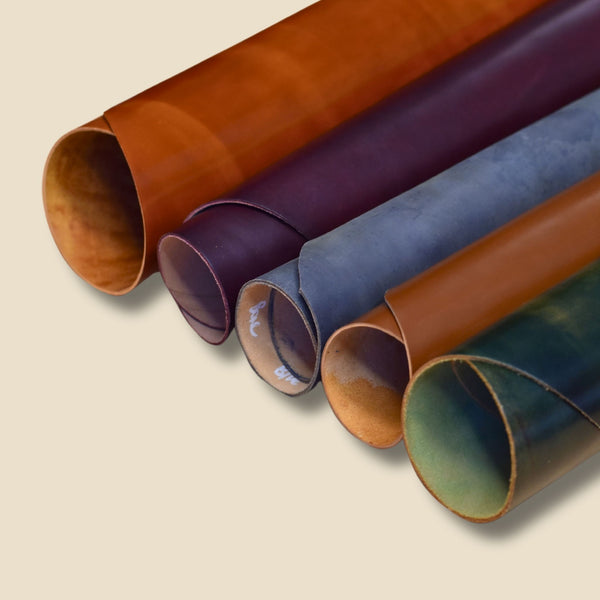
The scent is the first giveaway. Chrome tanning leaves a sharp, metallic, chemical odor. Vegetable tanned hides carry an earthy, sweet aroma derived from oak bark, chestnut, and mimosa. It's a breathable, biodegradable material that respects the environment. Because the process avoids harsh synthetics, the leather remains a "living" canvas. Every hide features unique scars, growth marks, and fat lines. These aren't flaws or defects. They're chapters of a life story that ensure no two wallets, bags, or belts are ever identical.
The Alchemy of Vegetable Tanning
This ancient method involves soaking hides in pits filled with concentrated plant tannins for weeks or even months. It's a slow, deliberate craft that preserves the dense fiber structure of the skin. By avoiding the fast-track chemical route, the leather retains its natural ability to age and develop a rich patina over time. To understand the technical chemistry of how these plant extracts interact with collagen fibers, you can explore this Vegetable Tanned Leather: The Complete Guide for Crafters for a deeper dive.
Why Crafters Choose "Living" Materials
Natural leather responds to the artisan's touch in a way that plastic-coated alternatives never will. It drinks in moisture during the casing process and yields to the heat of a wooden burnisher. While synthetics often resist the maker's intent, vegetable tanned leather collaborates with you. It's incredibly forgiving; small marks can often be rubbed out with the oils from your own skin. This interaction makes the joy of creating with natural materials a two-way conversation. You're not just forcing a shape onto a surface; you're listening to what the hide allows you to do. If you're ready to experience this connection firsthand, you can browse our hand-selected premium hides to find the right foundation for your next project.
Beyond the Surface: Why Natural Materials Outperform Synthetics
Many makers start their journey with a common misconception. They believe synthetic "vegan" leathers are better for the environment. In reality, most of these materials are simply plastics like polyurethane (PU) or PVC. These synthetics don't biodegrade; instead, they break down into microplastics that persist in the environment for centuries. A 2023 report from the United Nations Environment Programme highlights that plastic-based textiles contribute significantly to global pollution. True craftsmanship requires a different path. At Hab-To, we live by a simple rule: No synthetics. No compromises. We choose vegetable-tanned leather because it's a natural byproduct that respects the earth's cycles. The joy of creating with natural materials starts with knowing your medium has a soul and a history.
The Beauty of the Patina
Synthetics are at their best the day they leave the workshop. From that moment on, they only degrade. Natural leather does the opposite. As you handle a piece of hand-selected Buttero or Pueblo leather, the natural oils from your skin and exposure to sunlight begin a slow transformation. The color deepens. The texture softens. This isn't wear and tear; it's character. For a maker, seeing a customer return years later with a wallet that looks better than the day it was stitched is the ultimate reward. Patina is the physical record of a material’s journey through use. It turns a simple object into a personal story.
Durability vs. Disposable Culture
A standard plastic wallet has a functional lifespan of about 2 to 3 years before the edges crack and the surface peels. In contrast, a hand-stitched vegetable-tanned leather wallet can easily last 30 years or more. This longevity creates an emotional bond that synthetics can't replicate. When a thread snaps on a natural piece, you can repair it. You can't repair peeling plastic. The joy of creating with natural materials lies in the confidence that your work won't end up in a landfill next season. Choosing quality materials is a radical act of sustainability in 2026. It rejects the "buy it and break it" cycle of fast fashion. You aren't just making a product; you're building a legacy that can be passed down through generations.
- Repairability: Natural fibers and leathers can be re-stitched and conditioned.
- Tactile Feedback: Synthetics feel cold and uniform; natural materials have unique grains and textures.
- Chemical Safety: Vegetable tanning uses bark and plant extracts rather than the harsh heavy metals found in many synthetic coatings.
I've seen thousands of hides pass through our Amsterdam warehouse. Each one tells a story of the land it came from. When you choose natural materials, you're joining a tradition of craftsmanship that dates back centuries. It's about respecting the material enough to let it age gracefully. Don't settle for plastic imitations that fail when life gets tough. Stick to the real thing.
Starting Your Creative Journey: How to Select and Work with Premium Leather
Beginning a leathercraft project is a sensory experience that grounds you in the physical world. When you first feel the weight of a vegetable-tanned hide, you understand the joy of creating with natural materials. This craft isn't about perfection in a sterile, factory sense; it's about the relationship between your hands and a material that lived, breathed, and now carries a unique history. To make the most of this journey, you need to start with a piece of leather that matches your vision and tools that won't fight against you.
5 Steps to Choosing Your First Natural Hide
- Step 1: Identify the project. Your leather's thickness is measured in millimeters or ounces. For a slim wallet, look for 1.0mm to 1.5mm. If you're crafting a sturdy belt, you'll need a heavier 3.5mm to 4.0mm hide to ensure it doesn't stretch or warp over time.
- Step 2: Look for authentic textures. Beginners often fall in love with Pueblo leather for its unique, roughened surface that patinas beautifully. If you prefer something sleek and classic, Buttero offers a smooth, rich finish that feels incredibly premium.
- Step 3: Check for "pull-up" and grain. Press your finger into the back of the leather. If the color lightens as the oils move, that's a "pull-up" effect. This adds depth and character to every fold and stitch.
- Step 4: Consider the finish. Decide if you want a matte start that absorbs the oils from your hands or a glossy finish that provides a more formal look from day one.
- Step 5: Ask for expert advice. If you aren't sure about the temper, which refers to the leather's stiffness, reach out. A soft temper is great for bags, while a firm temper is essential for structural items like knife sheaths.
Essential Tools for the Tactile Artisan
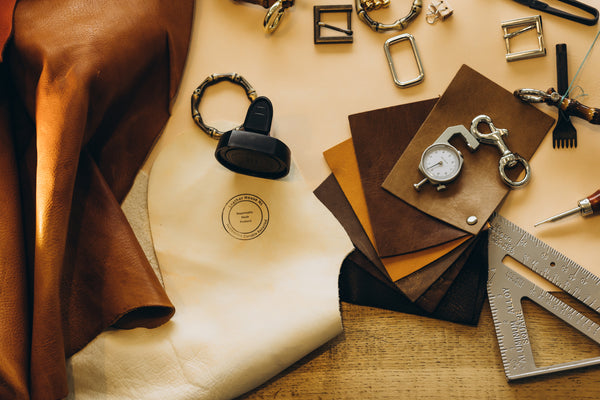
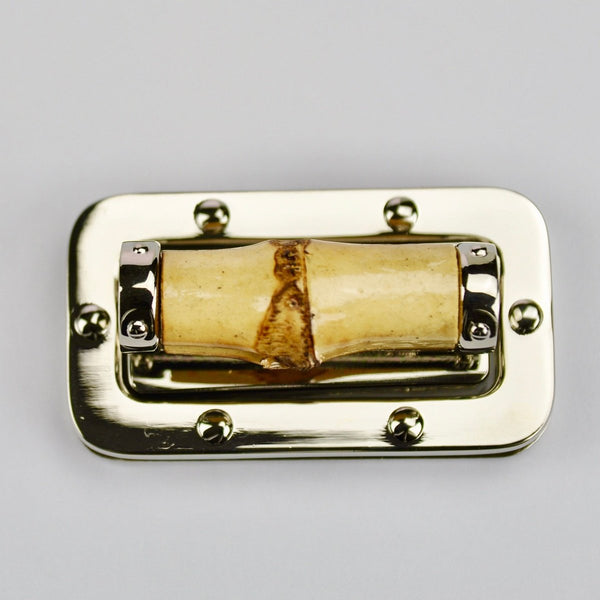
It's tempting to buy a cheap "all-in-one" starter kit online, but these often lead to frustration. The blades are dull, and the metal is soft. You'll find more success by investing in four or five high-quality tools that last a lifetime. A sharp Japanese skiving knife, a solid pricking iron, and a heavy maul make the work feel effortless rather than a struggle. For those focusing on the finishing touches, check out A Crafter’s Guide to Essential Leather Hardware to ensure your buckles and rivets match the quality of your hide.
Don't rush the process. There's a meditative quality to hand-stitching with waxed thread that machines can't replicate. Each stitch is a deliberate choice. Set up a small, sensory-friendly space at home with a sturdy wooden table and warm lighting. Keep the area uncluttered so you can focus on the smell of the tannins and the sound of the thread pulling through the grain. Embrace the small scars or fat lines in the hide. These aren't flaws; they're proof that you're working with a natural, organic product that has its own soul.
Ready to feel the difference that 160 years of family expertise makes? Browse our collection of premium vegetable-tanned leathers today.
Crafting Your Legacy with Hab-To: Quality Materials for Every Maker
Hi, I'm Mike! At Hab-To Leather House, we believe the materials you choose define the soul of your finished piece. My family has been a staple of the Amsterdam leather trade for over 160 years, passing down a deep respect for authentic, vegetable-tanned hides. We've seen firsthand how the right material transforms a simple project into a generational heirloom. We don't do synthetics and we don't make compromises. We provide the foundation for real craftsmanship so you can focus on your art.
Many industrial suppliers only cater to massive factories, leaving individual artisans behind. We flipped that model. Our "No Minimum Order" policy empowers individual crafters and small studios to access professional-grade materials without needing a massive budget. Whether you're a hobbyist making your first belt or a professional designer building a luxury brand, you deserve the best tools for the job. Accessing premium skins shouldn't be a hurdle; it should be the start of your creative process.
For those seeking the absolute pinnacle of quality, we offer the legendary Shell Cordovan. Often hailed as the "King of Leathers," this material is prized for its incredible durability and unique, mirror-like luster. Working with such a prestigious material is a core part of the joy of creating with natural materials. Its dense fiber structure provides a tactile feedback that synthetic alternatives simply can't replicate.
The Hab-To Difference: Personal Service Meets Wholesaler Prices
We bridge the gap between faceless industrial warehouses and overpriced retail shops. Every hide in our collection is hand-selected to ensure it meets our strict standards for grain and temper. When you work with us, you get wholesale pricing combined with the attention of a boutique. This direct connection to your supplier enhances your craft because you know exactly where your leather comes from and how it will behave under your tools. If you're stuck on a choice, I'm always available for a personal consultation to help you find the perfect match for your vision.
Join the Community of Natural Crafters
Craftsmanship is a journey that thrives on shared knowledge. To stay inspired, tune into "The Leather Hour" podcast, where we discuss everything from tanning history to modern design tips. If you want a truly sensory experience, book an appointment at our Amsterdam showroom. You can feel the weight of the hides, smell the rich tannins, and see the colors in natural light. The joy of creating with natural materials begins the moment you touch the raw hide. Your best work starts with the best materials, and we're here to help you find them.
Begin Your Journey Into Tactile Artistry
Choosing high-quality leather isn't just about the finished product; it's about the connection between the maker and the medium. Vegetable tanned leather offers a soul that synthetics can't replicate, aging beautifully as it tells your unique story. We've seen this firsthand through 160 years of our family's leather expertise. You'll find the joy of creating with natural materials comes from the texture, the scent, and the knowledge that your work will last for generations. Since we maintain a strict policy of offering only sustainable, vegetable-tanned, and chrome-free options, you can focus entirely on your craft without compromising your values.
Whether you're a seasoned professional or a curious beginner, there's no need to feel overwhelmed by bulk orders. We've eliminated minimum order requirements to ensure every crafter has access to the world's best hides. If you need advice on selecting the right temper or finish for your specific project, Mike is always ready to help you navigate our hand-selected collection. Your next masterpiece is waiting to be shaped from the finest materials available.
Browse our hand-selected natural leathers and start your project today
Frequently Asked Questions
Is working with natural materials more expensive than using synthetics?
Natural materials often require a higher initial investment, but they provide superior long-term value because they don't need frequent replacement. A high-quality vegetable tanned leather hide can last 20 years or more, whereas synthetic alternatives typically degrade or peel within 2 to 3 years. You're investing in durability and the joy of creating with natural materials that age beautifully. This longevity significantly reduces the cost per use over the lifetime of your project.
What is the best natural material for a complete beginner to start with?
Vegetable tanned leather with a thickness of 1.5mm to 2.0mm is the most forgiving material for those new to tactile craftsmanship. It's firm enough to hold its shape while you're learning to cut and stitch, yet it reacts predictably to basic hand tools. Unlike soft chrome-tanned leathers, this material allows you to practice essential skills like edge burnishing with immediate, visible results. Starting with a small shoulder piece helps you master the basics without feeling overwhelmed.
How do I know if a piece of leather is truly vegetable tanned?
You can identify genuine vegetable tanned leather by its distinct earthy, woody scent and its reaction to moisture. If you apply a small drop of water to an unsealed area, the leather should darken as it absorbs the liquid. This traditional process relies on natural tannins from tree bark like oak or mimosa. Authentic veg-tan also burnishes to a high gloss when rubbed with a wooden tool, a specific trait that synthetic or chrome-treated leathers don't share.
Can natural materials like leather really be considered sustainable?
Leather is a sustainable choice when it's a byproduct of the food industry and processed using organic tanning methods. At Hab-To, we focus on vegetable tanning which avoids the harsh heavy metals used in 90 percent of global leather production. This method has been refined over our 160 year family history to minimize environmental impact. Because these products last for decades, they actively combat the throwaway culture that generates 92 million tons of textile waste annually.
Do I need a lot of space to start creating with natural materials?
You can begin your craft on a standard 120cm by 60cm desk or even a sturdy kitchen table. Most essential leatherworking tools, like needles, thread, and a small cutting mat, fit easily inside a single shoebox. Since the process doesn't require heavy machinery or industrial ventilation, it's a clean hobby that fits perfectly into a small apartment. It's about the quality of your focus, not the size of your studio.
What is the most rewarding part of working with vegetable tanned leather?
The most rewarding aspect is witnessing the patina develop as the material reacts to sunlight and the natural oils from your hands. This transformation ensures that every item you make becomes entirely unique to its owner over time. You'll find that the joy of creating with natural materials comes from this living quality. A wallet or belt you craft today will look even better in 5 years, telling a story through its deepening color.
How do I maintain the joy of my natural creations over many years?
Proper maintenance involves applying a high-quality leather balm or conditioner every 6 to 12 months to keep the fibers supple. This simple step prevents the material from drying out or cracking, especially if you live in a climate-controlled environment. Use a soft horsehair brush to remove dust and maintain the surface luster. Spending just 10 minutes on care twice a year ensures your handcrafted pieces remain functional and beautiful for a lifetime.
Can I buy high-quality leather in small quantities in the Netherlands?
Yes, you can purchase premium leather in small quantities directly from our Amsterdam warehouse without any minimum order requirements. We believe craftsmanship should be accessible to everyone, whether you're a professional or a hobbyist. You're welcome to book an appointment at our showroom to hand-select specific panels for your project. This personalized service ensures you get exactly what you need, from a single strap to a full hide, with expert advice included.