

The Ultimate Guide to Designing and Crafting a Premium Leather Belt Bag
Hi, I'm Mike! What if the most durable item in your wardrobe wasn't something you bought from a luxury boutique, but something you crafted with your own hands? It's a hard truth that many mass-market "vegan leather" products are just plastic destined for a landfill. If you're tired of seeing your favorite belt bag peel and crack after a few months of use, you're in the right place.
I know how frustrating it is to feel lost in the jargon of leather grades or to struggle to find solid brass hardware in small quantities. At Hab-To Leather House, we believe in no synthetics and no compromises. I'll teach you how to identify premium vegetable-tanned leathers like Buttero or Pueblo that develop a rich patina over time. You'll learn to choose materials that ensure your project outlasts any factory-made alternative.
We'll explore the essential anatomy of a professional-grade bag and show you where to find world-class supplies with no minimum order requirements. From understanding the differences between horse shoulder starting at €125.19 to selecting the perfect needles, you're about to gain the expertise needed to create a true heirloom.
Key Takeaways
- Discover why vegetable-tanned leather is the gold standard for creating a premium belt bag that develops a unique patina over time.
- Learn how to balance leather weight and thickness to achieve the perfect mix of structure and suppleness for your design.
- Identify why solid brass or stainless steel hardware is essential for ensuring your handmade accessories last a lifetime.
- Master the design adjustments needed to transition between traditional waist carry and modern crossbody styles.
- Find out how to source professional-grade materials without the burden of large industrial minimum order requirements.
What defines a modern leather belt bag in 2026?
In 2026, the belt bag has fully transitioned from a transient fashion trend into a staple of the functional wardrobe. While some retailers might still view these as mere festival accessories, serious crafters know they are essential tools for daily life. A modern belt bag is a versatile, hands-free carryall that adapts to your movement, whether worn snug around the waist or slung across the chest. The current shift toward "Quiet Luxury" has pushed designs away from loud logos and toward the raw, tactile beauty of premium materials. Today, the focus is on minimalist silhouettes that highlight the skill of the maker and the quality of the hide.
The evolution of hands-free carry
The History of the Belt Bag shows a long timeline of utilitarian fashion, dating back to traditional pouches used by indigenous cultures and later the nylon boom of the 1980s. However, the category was redefined when the crossbody "sling" style gained traction with urban commuters and travelers. This evolution turned a simple waist pack into a sophisticated accessory that works as well with a tailored coat as it does with rugged outdoor gear. A modern belt bag is a blend of tactical utility and artisanal luxury. It serves as a compact command center for your essentials, keeping your hands free without sacrificing your aesthetic.
Synthetics vs. Genuine Craftsmanship
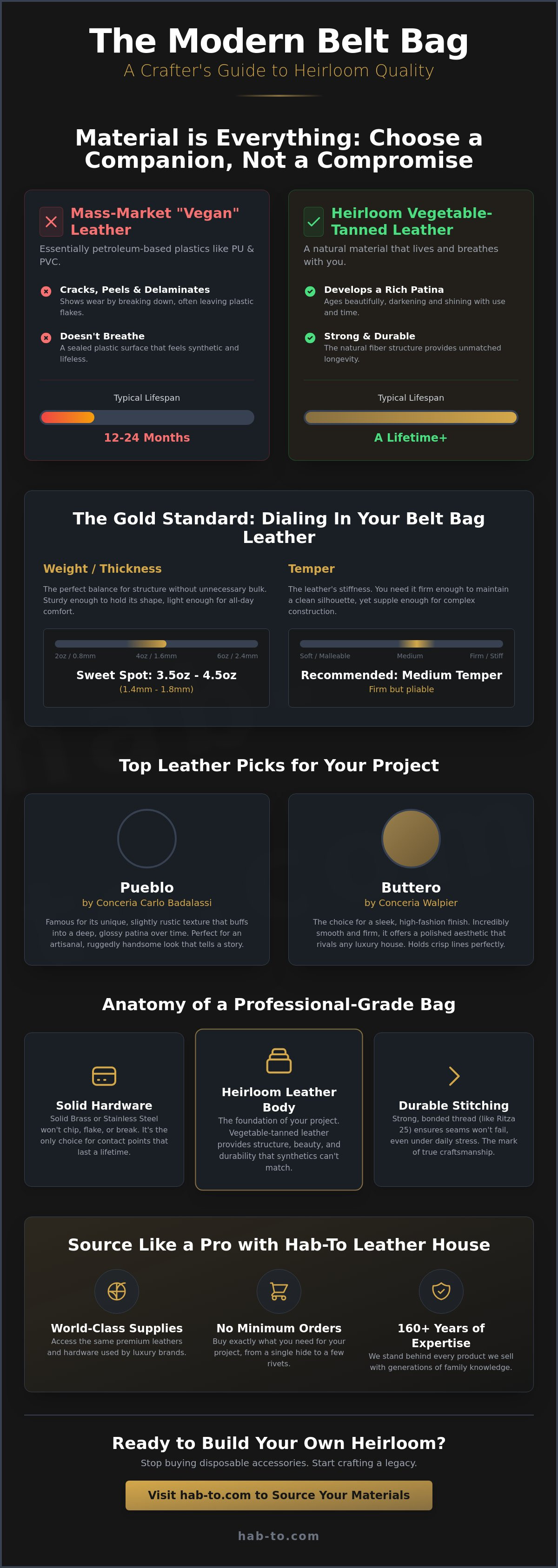
Choosing the right material is the most important decision you'll make for your project. Many commercial brands push "vegan leather," which is often just a marketing term for polyurethane (PU) or PVC plastics. These synthetics have a notoriously short lifespan, frequently peeling or cracking within 12 to 24 months of regular use. Because they are petroleum-based, they don't breathe and they certainly don't age well. They simply break down and end up in a landfill.
Authentic, vegetable-tanned leather offers a completely different experience. It's a natural material that lives and breathes with you. Instead of wearing out, it develops a unique patina, a rich sheen and deepening of color that only comes with time and touch. At Hab-To Leather House, we rely on our 160+ years of family expertise to select hides that meet this "heirloom quality" standard. When you craft with real leather, you aren't just making a bag for this season. You are building a durable companion that will look better ten years from now than it does the day you finish your last stitch.
Selecting the best leather for your belt bag project
Choosing the right hide is the single most important step in your crafting journey. While some mass-market brands promote "vegan leather" as a premium standard, they often ignore the structural integrity required for a weight-bearing strap. If you want your belt bag to survive years of daily use, vegetable-tanned leather is the only choice. It's a tradition we've upheld for 160 years at Hab-To. Looking at the historical evolution of the belt bag, we see that high-quality hides have been the gold standard for functional carry since Ötzi the Iceman first wore a leather pouch 5,000 years ago.
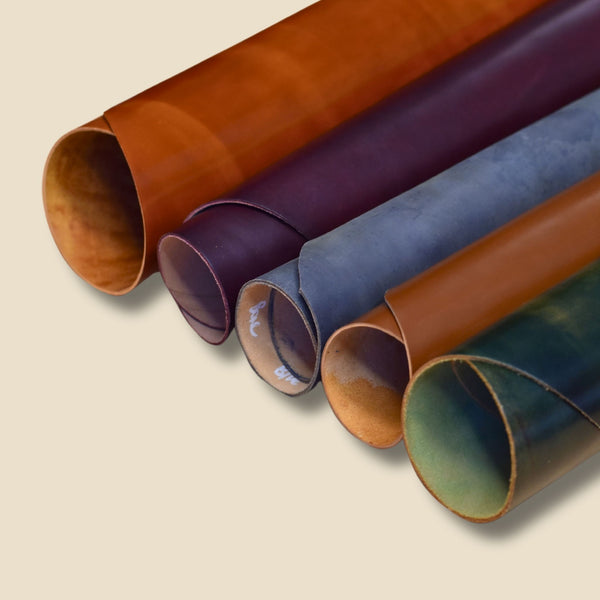
For this specific project, you need to master the balance between weight and temper. I usually recommend a leather weight between 3.5 oz and 4.5 oz (1.4 to 1.8 mm). This thickness provides enough body to prevent sagging while keeping the bag lightweight enough for all-day wear. Temper is equally critical. You want a "medium temper" leather. It's firm enough to hold a clean silhouette but supple enough to turn corners and handle gusset construction without snapping your needles. Whether you choose a natural "naked" leather that darkens quickly or a drum-dyed option for consistent color, the quality of the tannage determines the longevity of your work.
Top leather picks for bags: Pueblo, Buttero, and more
When I'm at the workbench, two names always come up: Pueblo and Buttero. Pueblo leather from Conceria Carlo Badalassi has a unique, rustic texture that ages into a deep, glossy patina. It’s perfect for that rugged, artisanal look. On the other hand, Buttero is the choice for a sleek, high-fashion finish. It’s incredibly smooth and firm, offering a polished aesthetic that rivals any luxury house. If you're still deciding which hide fits your style, check out our Vegetable Tanned Leather: The Complete Guide for Crafters. We don't believe in compromises, so we only stock the best.
The Shell Cordovan factor
If you want to create something truly extraordinary, look at Shell Cordovan. It’s often called the "King of Leathers" because it’s the most durable material on the planet. While it might be too stiff for a full bag body, it’s unbeatable for high-stress accents like strap keepers or luxury pull-tabs. It won’t stretch or fray, ensuring your hardware stays secure forever. You can dive deeper into this legendary material in our Shell Cordovan: The Ultimate Guide to the King of Leathers. Ready to start your next project? Explore our hand-selected hides to find your perfect match.
The anatomy of a professional-grade belt bag
Once you've selected your hide, it's time to look at the structural components that make a belt bag truly professional. I've seen too many beautiful projects ruined by cheap hardware that fails within six months. A professional build relies on the synergy between the strap, the body, the gusset, and the closure. Each part must be engineered for durability. If the gusset is too narrow, you'll struggle to access your gear. If the strap attachment is weak, the bag will eventually fail at the seams.
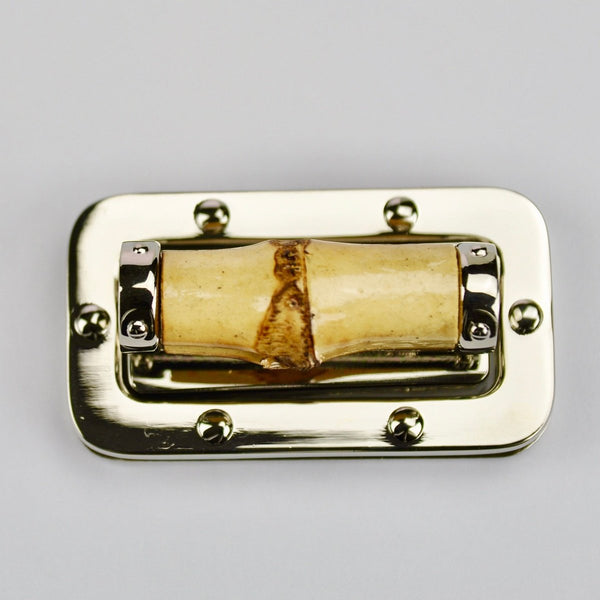
Solid brass or stainless steel hardware is non-negotiable for longevity. Avoid the plated zinc alloys you find on generic marketplaces; they chip, rust, and eventually snap under tension. High-quality zippers from brands like YKK or Riri are the industry standard for a reason. they offer a smooth glide and won't snag your lining. To ensure your bag survives years of wear, you must reinforce high-stress points where the strap meets the body. I recommend using back-stitching or solid copper rivets to prevent the leather from pulling apart under the weight of your daily essentials.
Choosing your hardware: Buckles and Snaps
Selecting the right buckle width is essential to match your strap for a balanced look. If your strap is 25mm, your buckle should be 25mm exactly to prevent shifting and premature wear on the leather. While traditional buckles offer maximum security, magnetic snaps provide modern convenience for quick access to your phone or keys. For a deeper look at your options, read A Crafter’s Guide to Essential Leather Hardware. Don't let a cheap snap ruin a premium build.
Thread and edge finishing
I prefer waxed polyester thread for hand-stitching bags because it doesn't fray or rot like natural linen. It's the backbone of a durable seam. For the edges, you have two main paths: burnishing or edge painting. A classic burnished edge creates a professional "Amsterdam-style" finish that celebrates the natural fibers of the veg-tan leather. Finally, consider the lining. Leaving the leather raw is great for a rugged feel, but a thin goat skin lining adds a touch of luxury and protects the interior from dust. Hi, I'm Mike, and I always advise my students to spend as much time on the inside as they do on the outside.
Design considerations: Crossbody vs. Waist carry
Designing a custom belt bag gives you a major advantage over mass-produced, "one-size-fits-all" options. You can tailor the geometry to your specific body and carry style. If you prefer the modern crossbody look, your strap needs to be significantly longer, usually between 110cm and 140cm. I also suggest attaching the strap to the bag body at a slight upward angle. This prevents the bag from flipping forward when you lean over. For those who stick to traditional waist carry, ergonomics are all about stability. A wider back panel helps distribute the weight, ensuring the bag doesn't sag or bounce while you walk. When the bag sits close to your center of gravity, it feels weightless.
Your internal layout should reflect your daily carry habits. In 2026, smartphones are larger than ever, so your main compartment must accommodate these dimensions without being bulky. I like to add a dedicated sleeve for a phone and a small zippered pocket for cards or a multi-tool. This keeps your EDC (Everyday Carry) organized and silent. The goal is a minimalist silhouette that carries everything you need but nothing you don't. A well-planned interior prevents your items from clattering together, which preserves the premium feel of the piece.
Drafting your pattern
Hi, I'm Mike, and I have one non-negotiable rule: Paper First. Always prototype your design with heavy cardstock before you touch your premium leather. This allows you to test the three-dimensional volume of the bag. Use the prototype to check if your hand actually fits into the pockets comfortably. Remember to account for your seam allowances and the thickness of the material. If you're using 1.6mm leather, your internal dimensions will shrink once the pieces are stitched together. For a cleaner, high-end look, try a seamless gusset. It requires more careful planning during the drafting phase, but the result is a sleek, continuous curve that highlights the quality of the hide.
Adjustable strap mechanics
Sliders are excellent for quick adjustments, while prong buckles offer a more classic, artisanal aesthetic. If you’re considering a quick-release buckle, skip the cheap plastic versions found in big-box stores. A solid metal side-release buckle can work, but it must match the weight and finish of your leather to avoid looking out of place. A strap width between 25mm and 38mm ensures optimal weight distribution across the shoulder or hips, preventing the leather from digging into your skin during long days of wear. Ready to turn your paper pattern into a masterpiece? Get the professional leatherworking tools you need to ensure every cut is precise.
Sourcing premium materials with Hab-To Leather House
Hi, I’m Mike! At Hab-To Leather House, we don't just supply materials; we share a 160-year family legacy of leather expertise. I grew up surrounded by the scent of premium hides, and I've seen firsthand how the right material transforms a hobbyist's project into a professional masterpiece. Whether you are a seasoned artisan or a beginner embarking on your first belt bag project, we are here to act as your partner in the creative process. We believe that real craftsmanship deserves real materials, which is why our philosophy is simple: No synthetics. No compromises.
One of the biggest hurdles for independent crafters is the intimidating world of industrial wholesalers. Many suppliers require large minimum orders or specific business registrations that make it impossible to buy just what you need. We've changed that. Our "No Minimum Order" policy means you can purchase exactly the amount of leather required for a single bag. You don't need to stock an entire warehouse to access the world's finest hides. We also stand firmly behind sustainable sourcing. Every hide in our collection is 100% vegetable-tanned and chrome-free, ensuring your work is as kind to the planet as it is durable.
The Amsterdam Showroom experience
If you find yourself in the heart of the Netherlands, I invite you to visit our Amsterdam showroom. There is no substitute for the tactile experience of feeling the grain and testing the weight of a hide in your own hands. We hand-select every piece of leather to ensure it meets our rigorous standards for quality and consistency. If you can't visit in person, you can still join our community through "The Leather Hour" podcast. It's a space where we discuss techniques, interview master crafters, and learn from the collective wisdom of the leatherworking world.
Getting started today
We want to make your journey as smooth as possible. To help you skip the guesswork, we've curated specific crafting bundles for bag makers that include perfectly matched leathers, hardware, and tools. We ship worldwide from our Amsterdam hub, bringing premium European quality to your workbench no matter where you are located. If you feel stuck on a design choice or need help picking the right temper for your gusset, don't hesitate to reach out. I love talking shop and helping crafters bring their visions to life. Need advice on your belt bag project? Book a free consultation with Mike!
Build an heirloom with your own hands
Creating a premium belt bag is a journey into the heart of traditional craftsmanship. You've learned that the secret to longevity isn't a logo, but the quality of your vegetable-tanned leather and the integrity of your solid hardware. By focusing on ergonomic design and heirloom-quality materials, you're making something that will look even better a decade from now. It's about moving away from disposable plastic and toward something real.
I'm Mike, and I'm here to help you every step of the way. With 160+ years of family experience, we provide the expert advice and hand-selected materials you need to succeed. We support independent crafters with no minimum order requirements, so you can focus on your art without the industrial overhead. Whether you stop by our Amsterdam showroom or order from our worldwide shop, you get the same commitment to quality. No synthetics. No compromises.
Your next masterpiece is waiting. Browse our premium vegetable-tanned leathers and start your belt bag project today! I'm excited to see your progress.
Frequently Asked Questions
What is the best leather thickness for a belt bag?
The ideal thickness for a belt bag is between 3.5 oz and 4.5 oz, which is approximately 1.4 mm to 1.8 mm. This specific weight provides enough structural integrity to hold its shape while remaining thin enough to stitch comfortably by hand. If you choose a leather thicker than 5 oz, the bag becomes unnecessarily heavy and difficult to turn inside out during construction. Thinner leathers risk sagging under the weight of modern essentials like a smartphone.
Can I make a leather belt bag without a sewing machine?
You can absolutely create a professional-grade bag without a sewing machine by using the traditional saddle stitch technique. Hand-stitching is actually preferred for premium leather because it is more durable than a machine lockstitch; the thread won't unravel even if one stitch breaks. You only need a set of stitching chisels, two needles, and waxed polyester thread to get started. This manual approach allows for much greater precision when working around tight curves and gussets.
How much leather do I need to buy for a standard-sized belt bag?
A standard-sized belt bag typically requires between 2 and 3 square feet of leather. This estimate includes the main body panels, the gusset, and a 120 cm adjustable strap. Since Hab-To has no minimum order requirements, you don't have to invest in a full hide for a single project. I always suggest ordering an extra 10% to account for pattern placement or natural marks in the hide.
What is the difference between vegetable-tanned and chrome-tanned leather for bags?
Vegetable-tanned leather is the gold standard for bags because it is firmer and develops a rich patina over time. Chrome-tanned leather is processed with chemicals that make it very soft, which often causes it to stretch and lose its shape under weight. Veg-tan uses natural tannins from tree bark, making it a sustainable choice that lasts for decades. At Hab-To, we focus exclusively on these high-quality, chrome-free materials for real craftsmanship.
How do I care for my leather belt bag to make it last a lifetime?
To make your bag last a lifetime, apply a high-quality leather conditioner every 6 months to keep the fibers supple. If the leather gets wet, let it air dry naturally away from direct heat sources to prevent cracking. Since vegetable-tanned leather is porous, a light coat of beeswax-based cream provides a water-resistant barrier without blocking the leather's ability to breathe. Regular maintenance prevents the material from becoming brittle over years of use.
Is it cheaper to make your own leather belt bag or buy one?
Crafting your own bag is an investment in superior materials rather than a way to save money compared to mass-market alternatives. While a plastic "vegan" bag might cost less upfront, a handmade leather version outlasts them by 5 to 10 years. You are paying for the quality of premium hides like Maryam horse shoulder instead of cheap synthetic materials. The value lies in the durability and the fact that you won't need to replace it next season.
What hardware do I absolutely need for a secure belt bag?
You absolutely need a high-quality buckle, a reliable zipper, and two D-rings or swivel hooks for the strap attachments. Solid brass is the best choice because it won't rust or chip like the plated zinc alloys found on generic marketplaces. I recommend using a #5 YKK zipper for the main compartment because it is strong enough to handle constant use without the teeth separating. Secure hardware is the backbone of a professional build.
Why is my belt bag strap stretching, and how can I fix it?
Leather straps stretch because they are often cut from the belly of the hide, where the fibers are naturally loose. To fix or prevent this, you can line the strap with a second layer of leather or use a non-stretch reinforcement tape between layers. Cutting your straps from the shoulder or butt of the hide ensures the fibers are tight and resistant to elongation. This simple choice in material selection prevents the strap from growing longer over time.