
The Artisan’s Guide to 2mm Vegetable Tanned Leather: Selection and Craft
Hello, I'm glad you're here. Most artisans spend years searching for the perfect "all-rounder" hide, only to realize the industry's best secret is actually a specific thickness. I believe that 2mm vegetable tanned leather is the true "golden ratio" of our craft. It provides the structural integrity needed for professional-grade goods while maintaining the finesse required for detailed accessories.
I know how frustrating it is to waste money on a hide that's either too flimsy or impossibly stiff. The confusion between ounces and millimeters often leads to costly mistakes that stall your creativity. You want professional results without the guesswork or the requirement to buy in bulk. This guide will show you exactly why the 5-6 oz weight is the essential choice for your workshop.
We'll master the tooling and dyeing properties of this versatile material together. I'll also explain the latest May 2026 industry shifts, including the proposed EUDR exemptions for leather and the 36% increase in eco-friendly tanning investments. By the end, you'll know how to source premium hides that respect both your craft and the environment, ensuring every project you start is built on a foundation of quality.
Key Takeaways
- Discover why 2mm vegetable tanned leather is the "sweet spot" for artisans, offering the perfect balance of structural rigidity and a mellow handle.
- Learn how natural tannins from tree bark create a superior surface that allows for deep, crisp carving and professional tooling results.
- Master the art of weight selection by comparing lining, structural, and heavy belt hides to ensure you never buy the wrong thickness again.
- Identify the specific needles and thread sizes required to produce clean, durable seams on projects with a 5-6 oz thickness.
- Gain access to premium European leather through a wholesaler that supports the crafting community with no minimum order requirements.
What is 2mm Vegetable Tanned Leather?
I believe that understanding your materials is the first step toward mastery. Vegetable tanning is an ancient craft. It uses natural tannins found in tree bark, leaves, and fruits to transform raw hides into durable, breathable leather. When we explore What is Vegetable Tanned Leather?, we're describing a process that takes weeks or even months to complete. It's a commitment to quality over speed. The 2mm thickness represents a specific density that serves as the backbone for countless professional projects, providing enough substance to hold its shape without the excessive weight of heavy saddlery hides.
To better understand the differences between tanning methods, watch this helpful video:
In May 2026, our industry is seeing a massive shift toward sustainability. Investment in eco-friendly tanning technologies has increased by 36% as tanneries move away from heavy metals. When you select 2mm vegetable tanned leather, you're choosing a product that aligns with these modern standards. I always insist on Full Grain hides for this thickness. Full grain means the top layer of the hide remains intact; it hasn't been sanded or buffed to remove natural marks. This ensures the fibers are at their strongest and the leather retains its authentic character, allowing the natural grain to tell the story of the animal's life.
Understanding the 5-6 oz Measurement
If you've looked at international patterns, you've likely seen the ounce measurement. This historical standard refers to the weight of the leather per square foot. It can be confusing for many beginners, but it's a vital part of the craft's heritage. To keep it simple: 2mm is the metric equivalent of the 5-6 oz standard. In the workshop, you'll hear this called tooling leather or Russet when it's in its natural, un-dyed state. These un-dyed sides are the most honest version of the craft. They allow you to see every detail of the hide before you apply your own dyes or finishes.
The Chemistry of Natural Tannins
The magic happens at a molecular level. Natural tannins bind with the collagen fibers in the hide. This creates a firm, resilient structure that won't lose its shape over time. Different regions have unique traditions that affect the final feel of the material. Italian tanneries often focus on a supple, oil-rich finish that feels luxurious to the touch. South American traditions might produce a stiffer, more rugged hide suited for outdoor gear. Regardless of the origin, 2mm vegetable tanned leather is the ultimate canvas for patina. It absorbs the oils from your hands and reacts to sunlight; it grows more beautiful with every year of use, eventually developing a deep, lustrous glow that synthetic materials can never replicate.
The "Sweet Spot": Why 2mm is the Ideal Crafting Weight
I've spent decades working with different hides, and I've found that 2mm vegetable tanned leather is the most forgiving and rewarding weight for any artisan. It's often referred to as the "sweet spot" because it solves the dilemma of structural integrity versus flexibility. When you're building a tote bag or a heavy-duty clutch, you need a material that stands upright without collapsing. At the same time, you don't want the leather to be so rigid that it cracks when you turn a corner or create a fold. This 5-6 oz weight offers a "mellow handle," a term we use to describe leather that feels substantial but remains remarkably supple under your fingers.
The science behind this feel is fascinating. Research into the vegetable tanning process shows how the slow penetration of tannins creates a dense fiber network. This density is exactly why 2mm leather maintains its shape over years of daily use. While a 1mm lining leather might stretch and warp after six months, the 2mm alternative has the internal strength to resist deformation. It’s a material built for longevity. It doesn't just survive daily wear; it thrives on it.
Tooling and Carving Performance
For those who love decorative work, 2mm is a dream. It provides enough depth for a swivel knife to glide through without the risk of "bottoming out" or cutting through to the flesh side. To get the best results, you must master "casing." This involves hydrating the leather to the perfect moisture level. Because 2mm hides are thicker than garment leathers, they hold moisture longer. This gives you an extended window for intricate carving and stamping before the leather dries out and loses its receptivity.
Burnishing and Edge Finishing
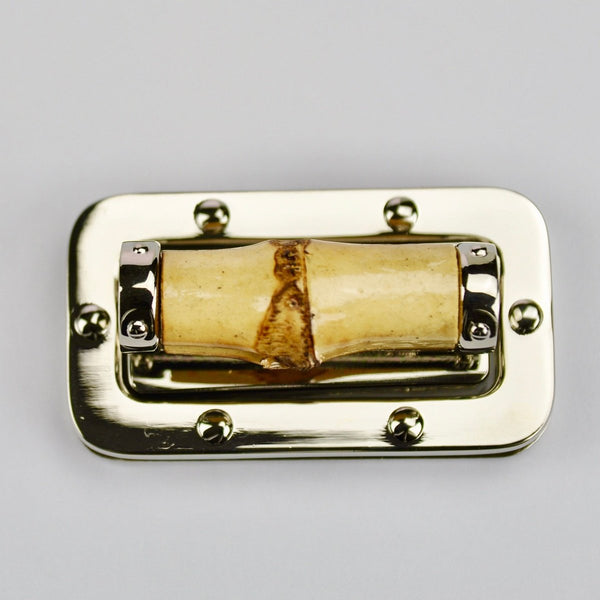
The edges of a project tell the story of the maker's skill. The high fiber density of 2mm vegetable tanned leather allows you to achieve a glass-like burnish with just a bit of water and friction. It’s much more stable than 1.5mm leather, which can sometimes mushroom or roll under the pressure of a burnishing tool. When you're ready to add the finishing touches, ensure you're using high-quality leather hardware that complements the thickness. If you're looking for the perfect hide to start your next project, I invite you to explore our curated selection.

2mm vs. Other Weights: Which Should You Choose?
Choosing the right thickness is the difference between a professional piece and a hobbyist mistake. I've seen many artisans struggle because they picked a hide based on color rather than weight. If you've ever built a bag that collapsed under its own weight, you've felt the frustration of choosing a material that's too thin. Conversely, a wallet that won't close because it's too bulky is equally disappointing. This is where 2mm vegetable tanned leather proves its value. It sits perfectly between the 1mm lining leathers and the 4mm heavy harness leathers used for saddles and belts.
One of the smartest moves you can make is starting with a slightly thicker hide. I call this the skiving factor. You can always use a skiving knife to thin down the edges of 2mm leather to make it fit a specific seam or card slot. It's almost impossible to add meaningful structural integrity to 1mm leather without using synthetic reinforcers. I believe in staying true to the natural material. Starting with 2mm allows you that flexibility while keeping the project 100% leather. It’s a choice that respects both your time and the final user's experience.
Project Mapping: Best Uses for 2mm Leather
I often recommend 2mm for unlined tote bags and clutches. It has enough body to maintain its silhouette while remaining light enough to carry all day. It’s also the go-to choice for knife sheaths and rugged wallet exteriors. Because it’s a single, solid layer, you don't have to worry about linings peeling or wearing out over time. This weight is also ideal for stationery and interior design. Think about desk mats or coasters. A 2mm hide stays perfectly flat on a table. It provides a premium, heavy feel that thinner alternatives simply can't match.
When 2mm is Too Much (or Not Enough)
There are times when you need to deviate from this standard. If you're building a wallet with multiple card slots, using 2mm for every layer will create a "brick" that won't fit in a pocket. In those delicate areas, I suggest dropping down to 1mm for the internal pockets. For heavy-duty work belts that need to support tools, 2mm won't be enough. You'll want to jump to 3.5mm or 4mm for that level of durability.
If you're looking for extreme durability in a thinner profile, you might consider shell cordovan. It’s a high-density alternative that offers incredible strength. However, for the vast majority of professional leatherwork, 2mm remains the most versatile choice in your workshop. It handles the transition from wearable goods to structural accessories with ease.
Working with 2mm Veg-Tan: Expert Tips for Crafters
Once you have your hide on the bench, the real magic begins. Working with 2mm vegetable tanned leather requires a shift in mindset compared to thinner skins. You aren't just sewing; you're engineering a structure. The first step is always preparation. Ensure your workspace is clean and your tools are honed to a mirror finish. Dull blades are the enemy of 5-6 oz leather; they tear the fibers instead of slicing them. I've found that a sharp edge is the most important safety feature in any workshop.
Selecting the right thread and needles is critical for a professional finish. For this thickness, I recommend a 0.8mm or 1.0mm waxed polyester thread. Pair this with a size 2 harness needle. If you go too thin with your thread, the stitches will look lost against the substantial body of the leather. If you go too thick, you risk creating a bulky, amateurish seam. It’s all about balance. I want your work to look intentional, not accidental. This combination ensures the structural integrity we discussed earlier remains intact through years of use.
One common mistake I see is over-saturating the leather during casing. When you apply too much water, the core becomes mushy. This leads to poor stamps and a loss of crisp detail in your tooling. Another pitfall is the skiving angle. When thinning edges for a fold in bag construction, keep your blade at a shallow, consistent angle. A steep 45-degree cut will create a weak point that eventually cracks under stress. Patience is your best tool here. Take light passes until you reach the desired depth.
Dyeing and Conditioning for Longevity
If you're working with un-dyed russet, you have a blank canvas. I prefer oil-based dyes for 2mm vegetable tanned leather because they penetrate deeper into the dense fiber network. This results in a more vibrant, lasting color that won't flake or rub off. After dyeing, neatsfoot oil is essential. It restores the natural fats lost during the dyeing process and keeps the leather supple. For a deeper dive into long-term care and maintenance, check out our vegetable tanned leather guide.
Cutting and Skiving 5-6 oz Leather
Precision cutting requires a heavy-duty utility knife or a traditional head knife. Because this weight is quite dense, you should use multiple light passes rather than one heavy stroke. This prevents the leather from shifting and ensures your lines stay true. Always keep your fingers behind the direction of the blade. Safety is paramount when handling sharp artisan tools on such a resilient material. If you're ready to elevate your craft with professional materials, explore our selection of premium veg-tan hides to find the perfect foundation for your next build.
Sourcing Premium 2mm Leather from Hab-To Amsterdam
Finding a source that respects your craft as much as you do is rare. At Hab-To Amsterdam, we've built a 160-year legacy as a trusted European leather wholesaler. We don't just move hides; we curate them. I believe that every artisan, whether a professional or a weekend hobbyist, deserves access to the same high-grade 2mm vegetable tanned leather used by luxury houses. Our family has spent generations perfecting the art of selection. We ensure that every piece of 5-6 oz leather that leaves our house meets our strict standards for grain consistency and fiber density.
Many wholesalers turn away small orders. They demand industrial quantities that don't fit the reality of an independent workshop. We've chosen a different path. Our "No Minimum Order" policy ensures that you can buy exactly what you need, whether it's a single square foot or a full side. This accessibility is part of our commitment to the global crafting community. We treat every order with equal care. We know that a small clutch today could lead to a full collection tomorrow. It’s about building a relationship with the maker, not just processing a transaction.
Wholesale Quality for Independent Crafters
In 2026, the industry is changing rapidly. With bio-based tanning methods seeing a 43% increase in adoption, we've aligned our sourcing with the most ethically managed European tanneries. We focus on sustainable, chrome-free tanning standards that respect the environment. This isn't just about compliance; it's about our principles. We source hides that are byproducts of the food industry. This ensures that nothing goes to waste and that every artisan can work with a clear conscience. Our Amsterdam-based house provides global shipping, bringing these elite materials to your bench no matter where you're located.
Visit the Hab-To Leather House
If you're in the neighborhood, I invite you to visit the Hab-To Leather House for a tactile selection. Located at Keienbergweg 97, 1101 GG Amsterdam, our space is designed for artisans to experience the material firsthand. You can book an appointment to feel the grain and test the "mellow handle" of our 2mm vegetable tanned leather yourself. Our "mentor" approach means we're here to help you choose the right hide for your specific vision. If you have questions before your visit, you can even reach us via WhatsApp at +31 687 756 721 for expert advice.
We pride ourselves on being a source of knowledge and inspiration. Investment in eco-friendly tanning technologies has increased by 36% recently, and we're proud to offer materials that represent the pinnacle of this progress. Whether you're building a structural tote or a bespoke knife sheath, the foundation of your work is the hide you choose. Browse our curated 2mm Vegetable Tanned Leather collection to find the material that will define your next masterpiece.
Elevate Your Craft with the Perfect Hide
Mastering the "golden ratio" of leatherwork transforms your projects from simple DIY to professional-grade art. We've explored why this specific weight offers the ideal balance between structural rigidity and a supple, mellow handle. You now know how to navigate the weight dilemma and why un-dyed russet hides provide the ultimate canvas for your custom dyes and intricate tooling patterns. It's about making choices that respect both your time and the final user's experience.
Choosing the right material is a commitment to your craft's future. By selecting premium 2mm vegetable tanned leather, you ensure that every wallet, bag, or accessory you build carries the strength to last a lifetime. Our family has spent over 160 years curating the finest ethically sourced European hides to help you achieve these results. We're here to support your vision from our Amsterdam house with expert advice and global shipping, regardless of your order size.
Shop Premium 2mm Vegetable Tanned Leather with No Minimum Order
I'm excited to see what you create next. Your masterpiece starts with a single, quality hide and the passion you bring to the bench. Happy crafting!
Common Questions About 2mm Leather
What does 2mm leather mean in ounces?
In the traditional weight system, 2mm is equivalent to 5-6 oz leather. This measurement refers to the weight of one square foot of the hide. I use these terms interchangeably in the workshop to describe a medium-weight material. It’s the perfect middle ground for artisans who need more substance than a thin lining but less bulk than a heavy saddle hide.
Is 2mm vegetable tanned leather good for wallets?
It’s a fantastic choice for wallet exteriors. The 2mm vegetable tanned leather provides a rugged, premium feel that ages beautifully with a rich patina. I don't recommend using it for internal card slots as the layers will become too thick. Instead, use it for the outer shell and skive the edges to ensure the wallet remains slim and pocket-friendly.
Can you tool 2mm (5-6 oz) veg-tan leather?
Yes, this weight is a favorite for artisans who love decorative carving. It’s thick enough to allow for deep swivel knife cuts without the risk of slicing through to the flesh side. The dense fiber structure holds the detail of your stamps perfectly. Just ensure you've cased the leather correctly to achieve those crisp, dark impressions that define professional-grade work.
Does 2mm veg-tan leather stretch over time?
This material has very minimal stretch compared to chrome-tanned options. The natural tannins create a tight, stable fiber network that holds its shape remarkably well. While the 2mm vegetable tanned leather will break in and become more supple with use, it won't bag out or lose its silhouette. This stability makes it ideal for projects like knife sheaths that require a consistent, secure fit.
What size needle should I use for 2mm leather?
I suggest using a size 2 harness needle for most 5-6 oz projects. This needle size is robust enough to pass through the dense grain without bending. It pairs perfectly with 0.8mm or 1.0mm waxed thread. This combination ensures your stitches look proportional to the leather's thickness. Always pre-punch your holes with a diamond awl or stitching chisels for the most consistent results.
Is 2mm leather thick enough for a belt?
It’s suitable for casual or dress belts, but it isn't heavy enough for a dedicated work belt. A standard belt usually requires a thickness of at least 3.5mm to 4mm to support the weight of tools or hardware. If you want to use 2mm for a belt, I recommend laminating two layers together. This creates a sturdy, 4mm finished product that won't sag or stretch over time.
How do I soften 2mm vegetable tanned leather?
You can soften the hide through a combination of mechanical action and conditioning. Gently "massaging" or rolling the leather helps break up the initial stiffness of the fibers. Follow this by applying a light, even coat of neatsfoot oil or a high-quality leather balm. Don't over-saturate the piece. A little oil goes a long way in nourishing the fibers and increasing the suppleness of the hide.